
Traditional Wood Armchairs
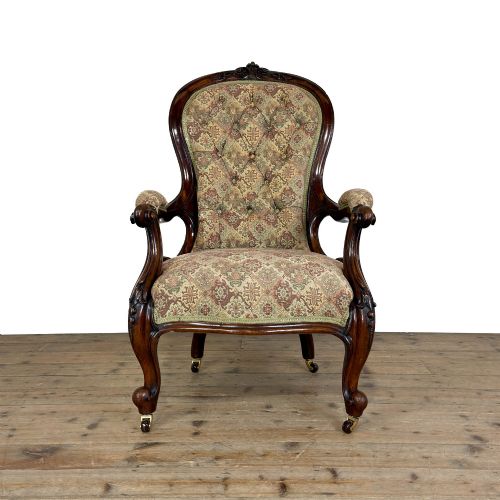
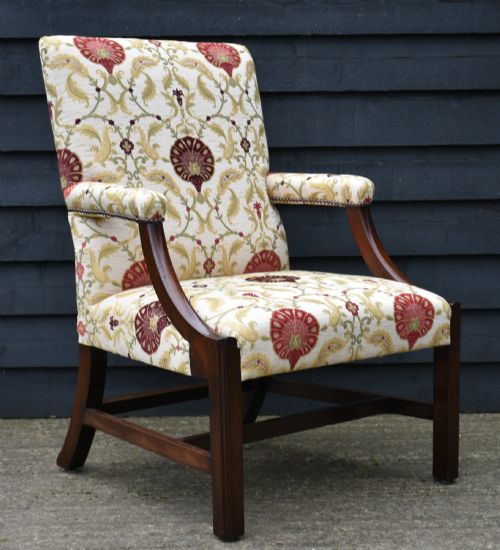
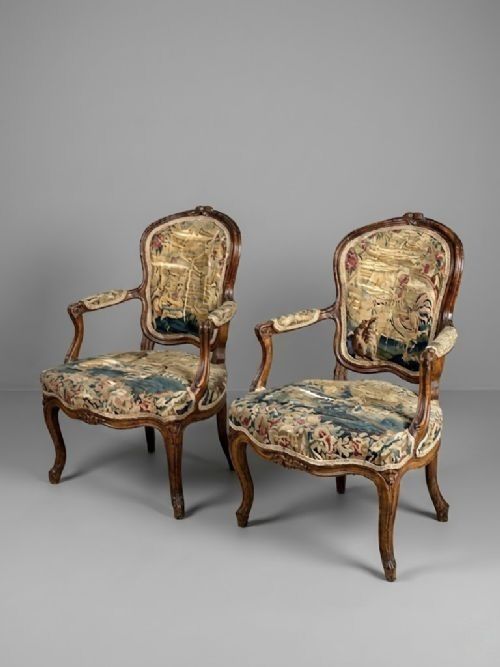
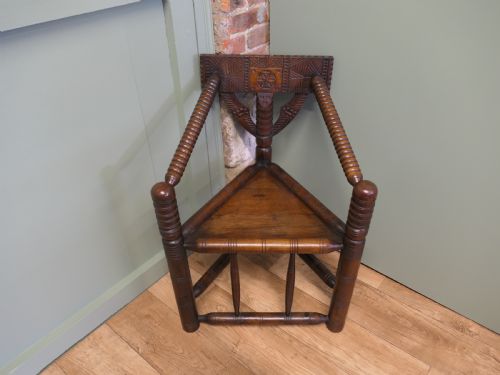
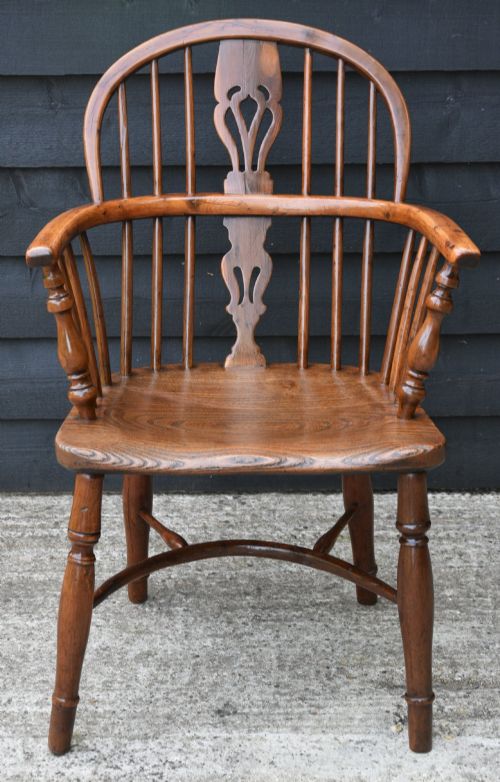
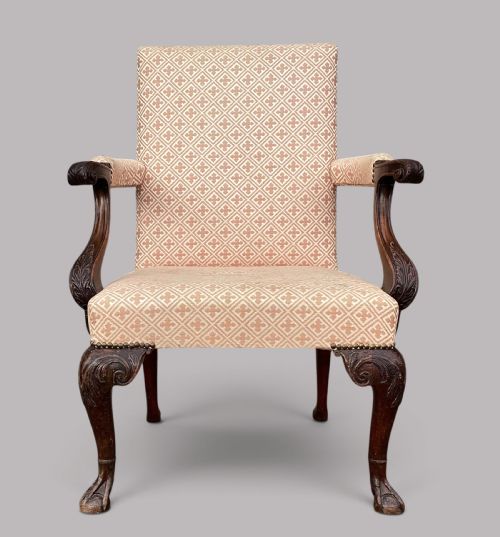
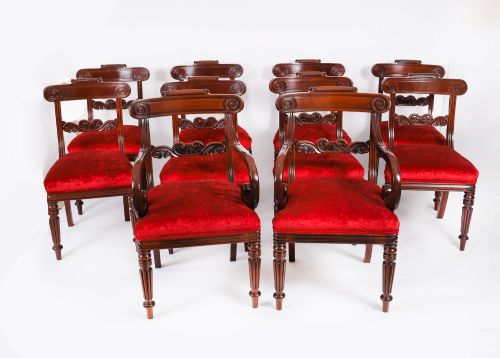
Traditional wood armchairs span solid elm country Windsors and mahogany Chippendale carvers, offering sturdy seating built to endure.
Traditional Wood Armchairs
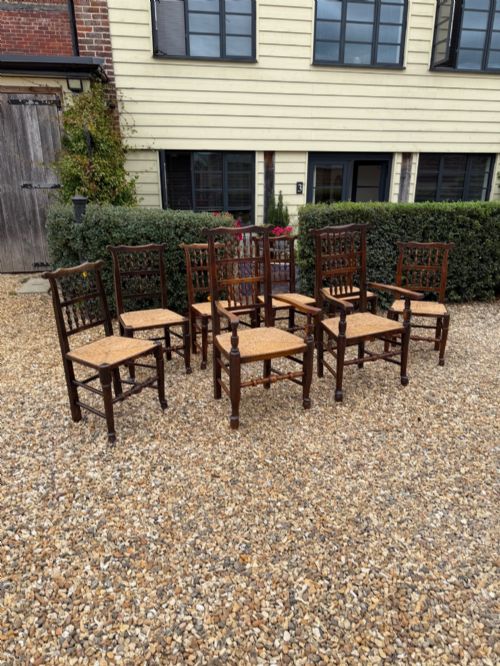
Traditional wood armchairs cover seating built from the eighteenth century through the Victorian era, including formal dining carvers and vernacular country windsor chairs. Buyers seeking traditional wood armchairs encounter sturdy construction using native timbers such as elm, ash, yew and mahogany across various domestic forms.
The selections on this page lean heavily towards English country windsors and mahogany dining armchairs from the Georgian and Victorian periods. These pieces serve as functional seating or structural accents in modern interiors while retaining their historical joinery.
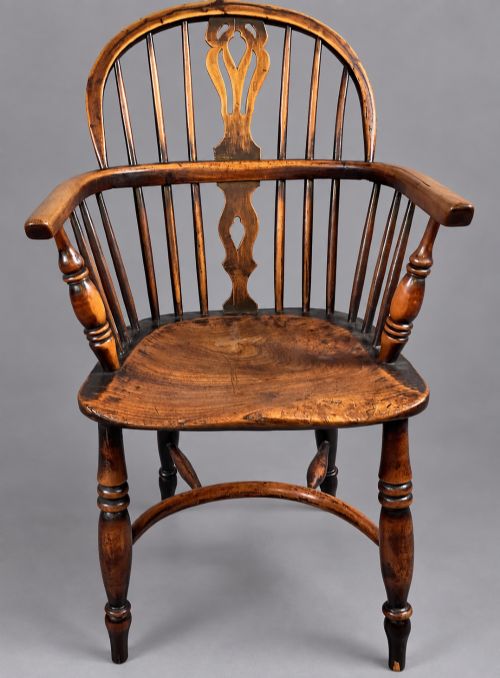
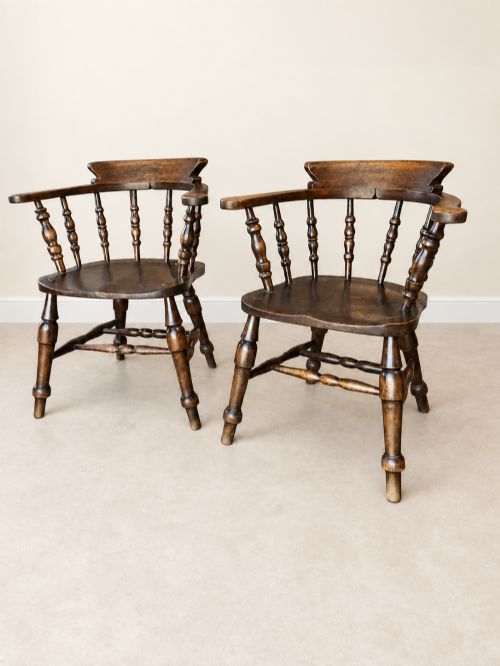
Makers utilised regional turning traditions, resulting in distinctive regional variations from the Thames Valley or West Country. Forms range from low smoker's bow chairs to high-backed desk chairs and rocking variants.
How they were made
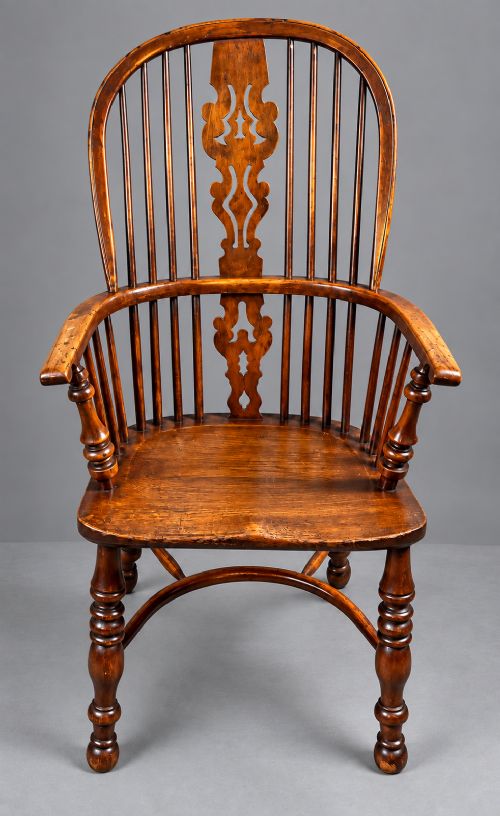
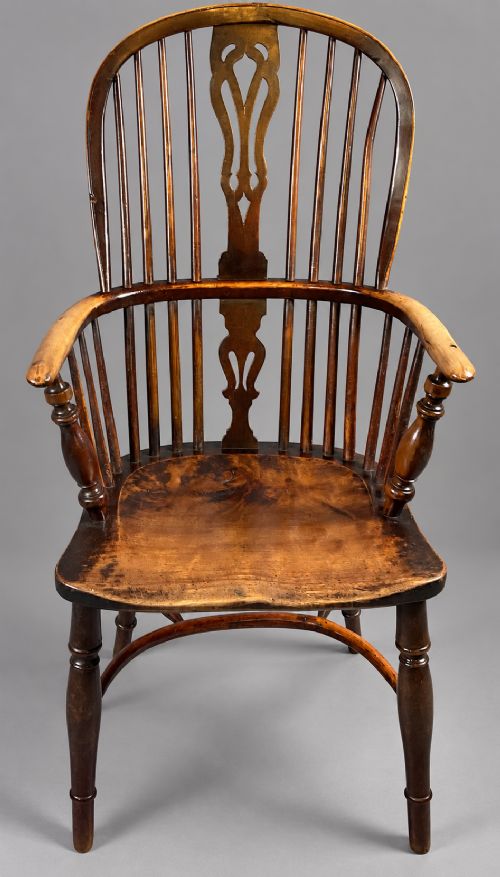
Chairmakers combined turned spindles with steam-bent wooden bows and carved solid seats, frequently shaping elm or beech for the main sitting surface. Legs and stretchers were turned on a pole lathe, while arms and crest rails achieved their curves through moisture and heat.
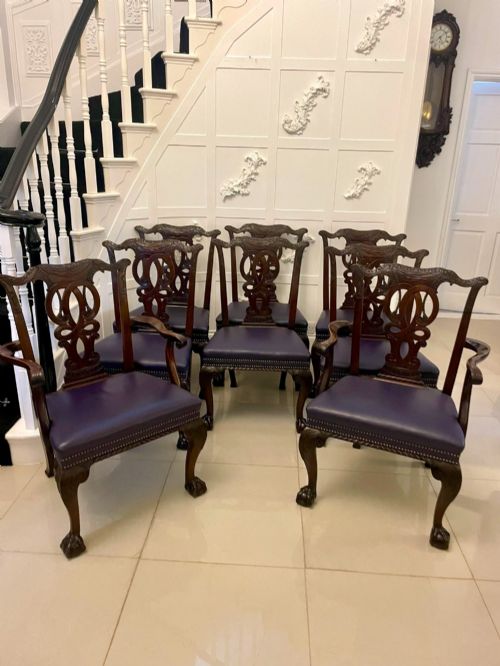
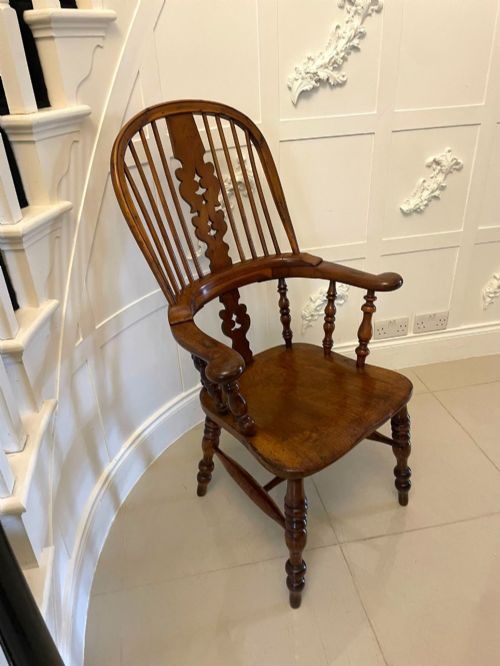
Mahogany and walnut pieces relied on mortise and tenon joinery, often featuring carved splats in shield-back or ladder-back configurations. Country windsors employed wedge-tenon construction where the legs pass directly through the thick seat slab.
Finishes typically consisted of applied wax or polish over natural timber grain, though occasional examples retain historic painted surfaces or ebonised treatments.
Listings feature eighteenth-century Georgian dining armchairs alongside nineteenth-century Victorian country windsors in elm, ash and mahogany.
What varies in quality
Quality rests primarily in timber selection and the retention of original components, such as matching turned legs and unreduced seat slabs. Yew wood examples command attention due to the scarcity of the timber and the complex grain patterns achieved by makers.
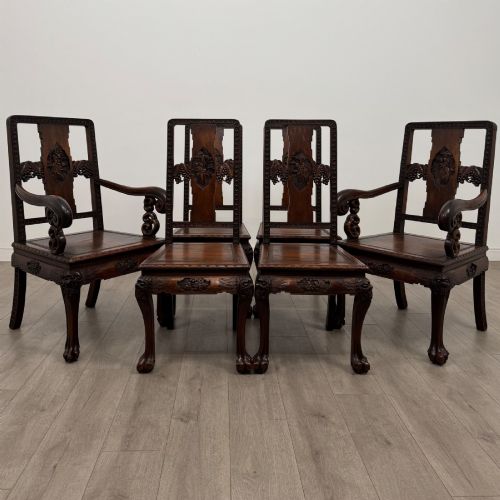
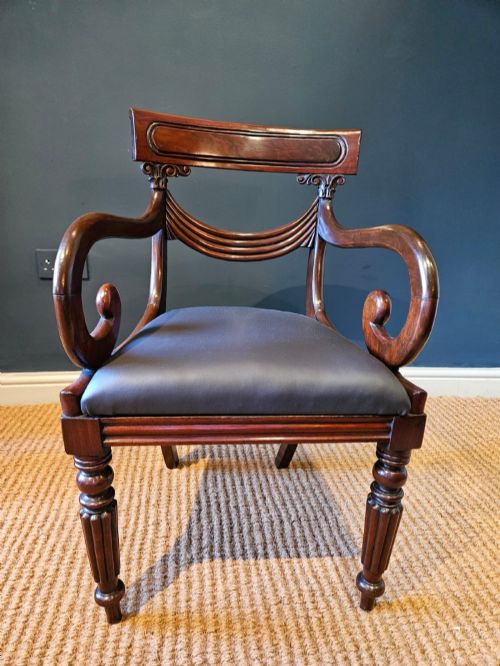
Carving definition separates standard production chairs from exceptional workshop output, particularly in Chippendale style revival pieces and formal mahogany armchairs. Proportions also dictate desirability, with narrower carvers or generous broad-arm variations holding distinct advantages.
Philip Webb·Philip Clissett·J Spencer
The Traditional Wood Armchairs Glossary
- Windsor chair
- A wooden chair built with a heavy solid seat into which the legs and back spindles are separately bored and wedged. These vernacular seats formed the backbone of rural English domestic seating.
- Carver
- An armchair designed to match a set of dining chairs, usually placed at the head of a dining table. They feature open arms to accommodate wide clothing.
- Splath
- The upright central strip of wood down the middle of a chair back, often shaped and carved in mahogany dining chairs. It provides structural support and decorative character.
- Smoker's bow
- A low-backed Windsor armchair with a continuous curved arm rail resting on short turned spindles. This vernacular form originated in English pubs and country houses.
- Stretcher
- A horizontal wooden rod connecting the legs of a chair to provide rigidity and strength. In traditional seating, these are frequently turned in matching patterns.
Traditional Wood Armchairs: Frequently Asked Questions
How do I date a Windsor chair?
Dating relies on timber combination, tool marks, and design evolution within regional chairmaking traditions. Earlier pieces from the eighteenth century often feature distinct saddle seats and yew framework.
Victorian iterations frequently incorporate beech alongside elm, displaying machine-turned components rather than strictly hand-lathed elements. Examining the underside reveals the construction methods and potential maker marks.
Are mahogany carvers suitable for daily dining?
Mahogany carvers offer robust joinery designed for regular domestic use over centuries. Their solid timber frames handle daily seating demands comfortably.
Pairing them with a modern dining table requires checking the arm height to ensure clearance beneath the table top. Most standard carvers fit easily if the dining surface stands at a conventional height.
How should I care for an antique wood armchair?
Maintenance requires occasional application of quality beeswax to nourish dry timber and preserve the historic finish. Avoid placing antique chairs near direct heat sources or in fluctuating humidity.
Routine dusting with a soft, dry cloth prevents particulate accumulation without harming the polished surface. Checking joint stability periodically ensures the structural integrity remains sound.