

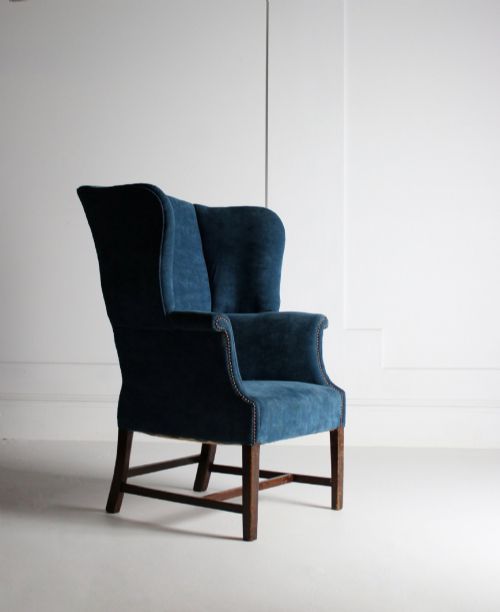

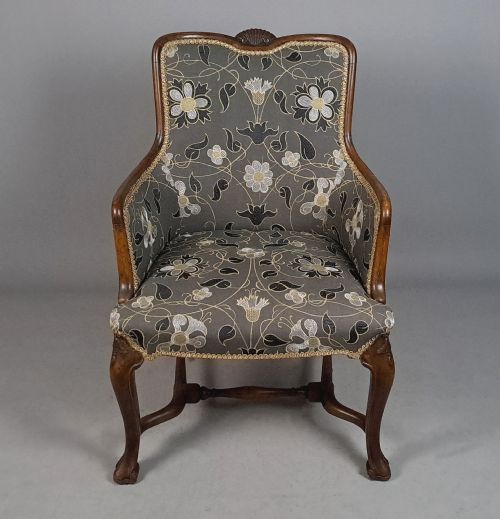
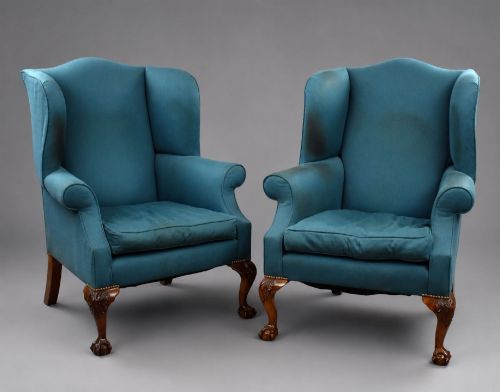


Traditional Wingback Accent Chair
A traditional wingback accent chair brings structural warmth and high-backed comfort to a room, drawing on centuries of upholstery heritage.
Traditional Wingback Accent Chair
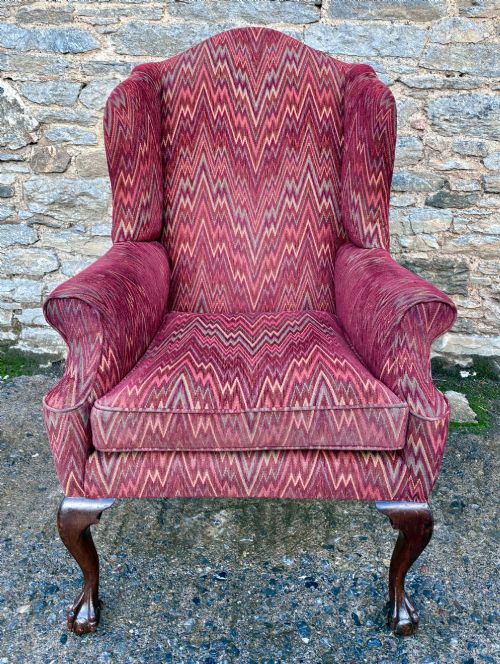
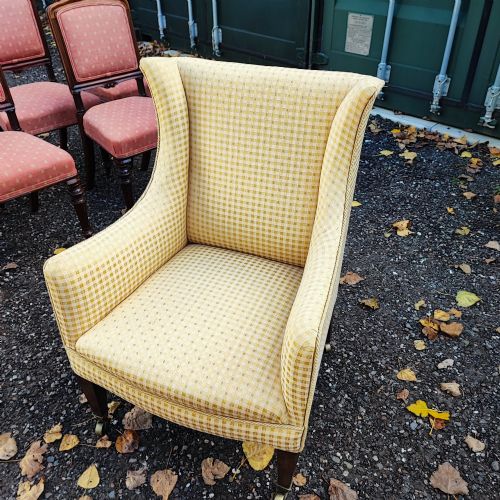
When you search for a traditional wingback accent chair, you are looking at upholstered seating designed to shield occupants from drafts while trapping fireplace heat. These pieces trace their lineage across the Victorian, Edwardian, and Georgian periods, alongside revivalist interpretations.
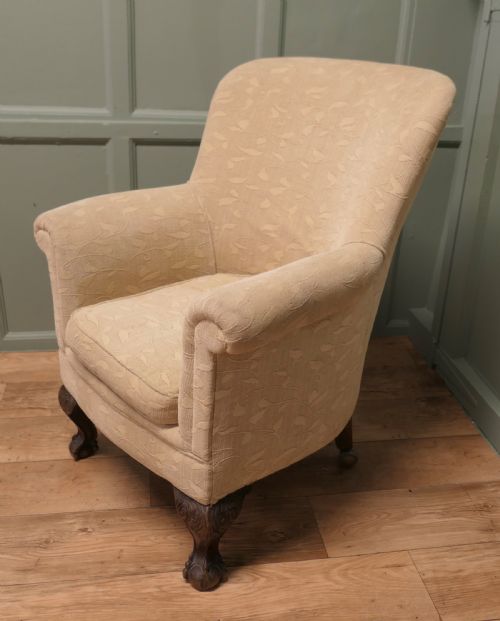
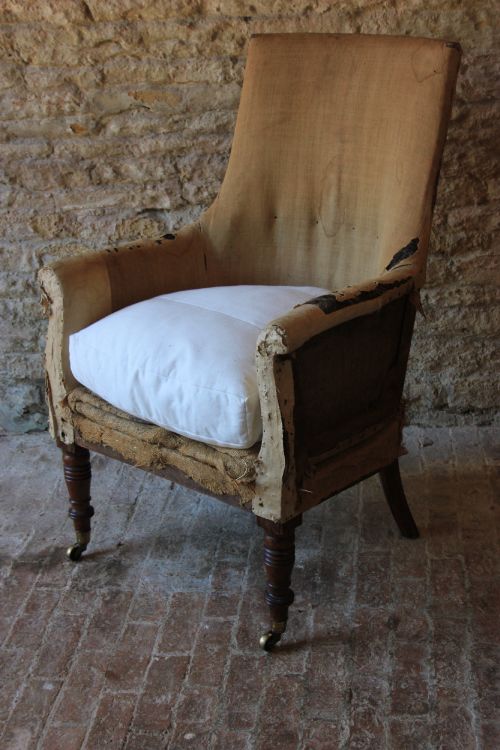
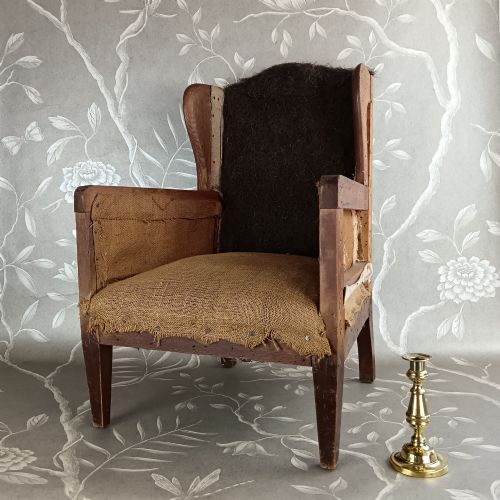
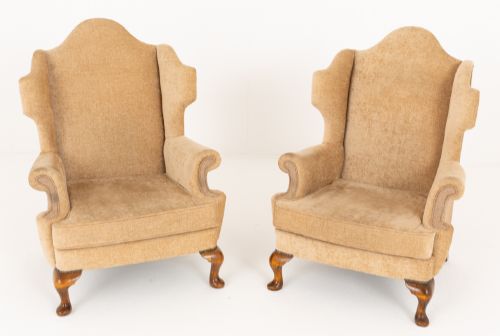
The most common versions met here include Edwardian and 19th century examples, often featuring distinct winged sides and deep upholstered frames. Variations span barrel backs, Howard styles, and Queen Anne mannerisms.
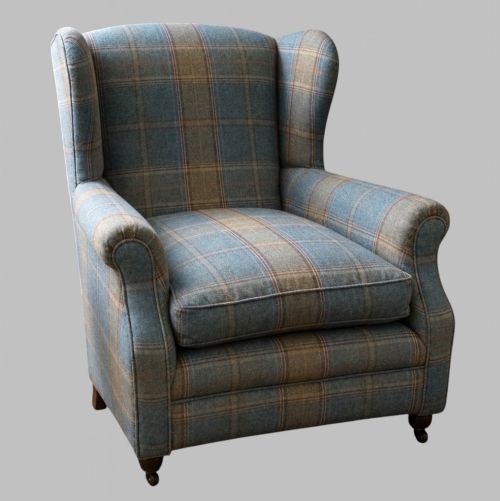
Makers and workshops utilised sturdy timbers to build the underlying framework before applying textiles ranging from calico and velvet to leather and modern wool plaids.
How they were made
Craftsmen built the structural skeletons of traditional wingback accent chairs using hardwoods such as mahogany, oak, walnut, and general timber. These frames provided the necessary rigidity to support heavy internal stuffing and deep buttoning.
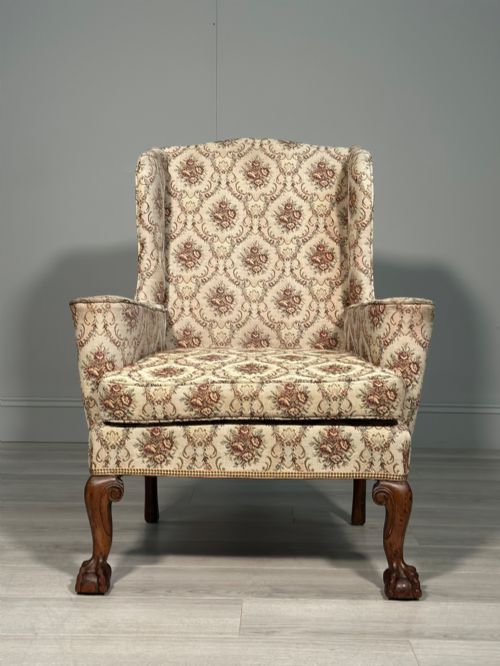
Surface details often incorporated brass hardware, mahogany inlay work, and exposed claw and ball feet. Upholstery techniques progressed from traditional horsehair stuffing and calico underlining to modern textile coverings in wool plaid, cotton, sheep's hide, and velvet.
Traditional Wingback Accent Chair Retail Price Guide 2026
Typical asking prices for traditional wingback accent chair among the pieces listed under this phrase on Sellingantiques today, from the lower quarter to the upper quarter. They describe what is for sale here now, not the wider market.
One chair even sports an American Stars and Stripes motif, proving Victorians loved a transatlantic statement piece just as much as we do.
What varies in quality
The distinction between standard examples and the finest traditional wingback accent chairs rests upon the integrity of the timber frame and the precision of the joinery. Superior pieces display substantial proportions, robust hardwood construction, and refined carving on exposed legs.
Upholstery execution and material selection dictate the upper tier of the range. Original or sympathetic restoration using quality leather, velvet, or specialised plaid elevates a piece, whereas crude alterations diminish the historical coherence of the armchair.
Whytock and Reid·William Morris·Thomas Sopwith
The Traditional Wingback Accent Chair Glossary
- Wingback
- An armchair featuring protective side panels designed to deflect drafts and retain warmth. This silhouette is central to the traditional wingback accent chair category.
- Bergère
- An enclosed upholstered armchair with wooden framing around the sides and back. Edwardian makers frequently applied this style to wing chairs.
- Calico
- A plain-woven cotton textile frequently used as an initial upholstery lining or base layer beneath decorative top fabrics. Many antique frames are found freshly upholstered in this neutral material.
- Claw and ball
- A carved furniture foot depicting a bird's talon gripping a spherical object. This motif appears on Victorian and Georgian revival seating.
- Inlay
- A decorative technique where contrasting strips of wood are inserted into the mahogany surface. Edwardian examples often showcase this cabinetmaking skill.
Traditional Wingback Accent Chair: Frequently Asked Questions
How do I identify a Georgian wingback?
Georgian wingback armchairs typically exhibit restrained proportions, hand-shaped wooden legs, and traditional stuffing methods suited to late 18th-century domestic interiors.
Later revivals mimic these traits, but period pieces carry distinct timber patina and structural wear consistent with age.
Are these chairs suitable for daily use?
Traditional wingback accent chairs were engineered for domestic longevity using solid hardwoods like mahogany, oak, and walnut. Many surviving frames readily accommodate contemporary seating demands.
Restored or newly upholstered versions provide durable support while retaining historical character.
How do I choose the right fabric?
Selection depends on historical context and interior application, with options ranging from traditional green velvet and leather to Shetland plaid and simple calico. Period pieces often benefit from textiles that complement their specific manufacturing era.
Upholstery choices also dictate whether a chair serves as a subtle accent or a focal point.