




Traditional Walnut Bench
A traditional walnut bench is a practical seating piece crafted from rich timber, offering timeless appeal and sturdy construction for your home.
Traditional Walnut Bench
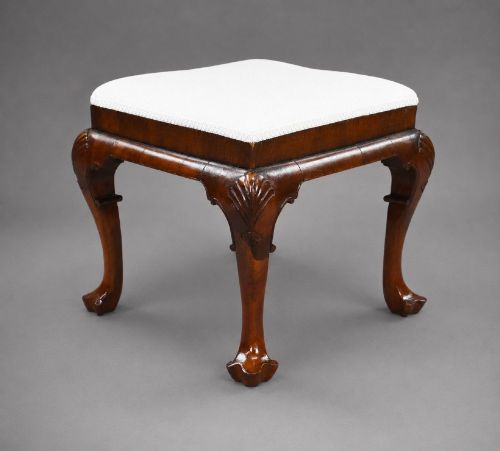
The selections on this page frequently display Queen Anne style influences, alongside Victorian and William and Mary interpretations. Many examples feature upholstered tops in fabrics such as linen and velvet.
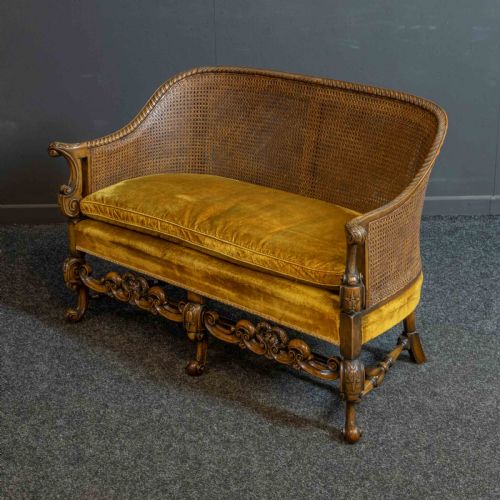
Makers utilised durable walnut timber across diverse European traditions, resulting in both carved Italian iterations and English country house designs. These seating forms range from compact footstools to extended two-seater settees.
How they were made
Makers constructed these forms predominantly from walnut, often pairing the dark timber with brass fittings or carved ornamentation. Upholstered variants incorporate textiles like linen, velvet, and various fabrics fastened to frames.
Craftsmen shaped the timber using traditional joinery and carving techniques, evident in fluted legs and intricate frame details. These structural methods ensured the longevity of hall benches and settees through successive generations.
Upholstered elements across these items incorporate diverse textiles such as linen, velvet, and general upholstery fabric.
What varies in quality
The refinement of the carved wood details distinguishes standard examples from more ambitious workshop output. Crisp lines on cabriole or fluted legs indicate careful handwork by skilled cabinetmakers.
The integrity of the timber frame and the quality of modern or period textile upholstery determine the overall presence of the bench. Solid walnut construction provides lasting stability compared to veneered alternatives.
The Traditional Walnut Bench Glossary
- Walnut
- A hard, dark timber prized for its rich grain and durability in furniture construction. It has been utilised by cabinetmakers for centuries to create robust seating and tables.
- Queen Anne Style
- A design tradition characterised by curved lines, pad feet, and cabriole legs. This style emerged prominently in the early eighteenth century.
- Hall Bench
- A narrow seating form traditionally placed in entranceways or corridors for brief repose. These pieces often feature carved wooden frames and upholstered seats.
- Luggage Rack
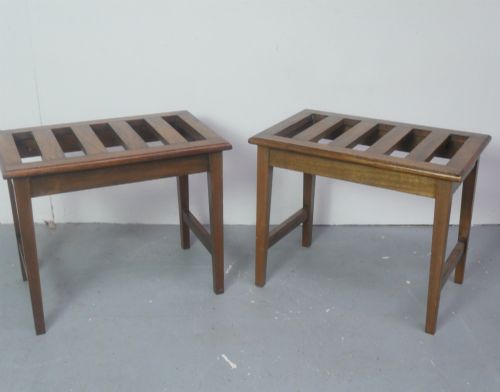
- A low, supportive stand used historically for resting travel bags or trunks. Walnut examples provide sturdy platforms with textile or webbing surfaces.
- Cabriole Leg
- A furniture leg that curves outward and then tapers inward, mimicking animal limbs. It is a defining feature of Queen Anne and related stylistic traditions.
Traditional Walnut Bench: Frequently Asked Questions
Where should I place a walnut bench?
These benches suit entrance halls, bedrooms, or living spaces where additional seating or surface space is required. Their compact footprint allows them to fit narrow corridors easily.
Positioning a bench beneath a window or against a prominent wall highlights the carved walnut frame and textile upholstery.
How do I clean walnut wood?
Dust the timber regularly with a soft, dry cloth to prevent dirt accumulation on the carved surfaces. Avoid harsh chemical polishes that can degrade the historic finish.
Apply a quality beeswax periodically to nourish the walnut grain and maintain a natural lustre.
Can I reupholster these benches?
Many benches feature upholstered pads in linen, velvet, or general fabric that can be updated to suit modern interiors. Traditional upholstery methods use supportive webbing and stuffing beneath the top cover.
Consulting a professional restorer ensures the original wooden frame remains protected during any fabric replacement.
How do I identify Queen Anne style?
Look for characteristic design elements such as cabriole legs, pad feet, and graceful curved profiles on the wooden frame. This aesthetic prioritises comfort and flowing lines over heavy ornamentation.
Walnut pieces from this tradition often display restrained carving that accentuates the natural grain of the timber.