
Traditional Wall Textile
A traditional wall textile brings warmth and history to an interior, offering woven tapestries, embroidered panels and tribal hangings shaped by centuries of craft.
Traditional Wall Textile
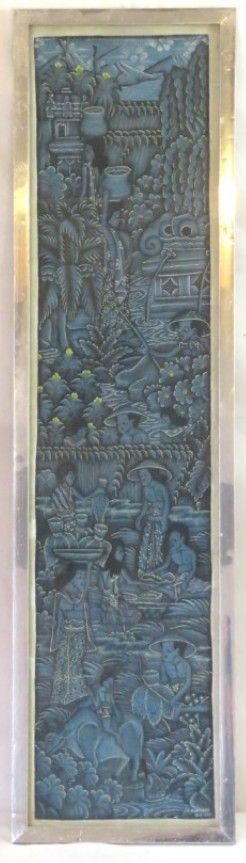
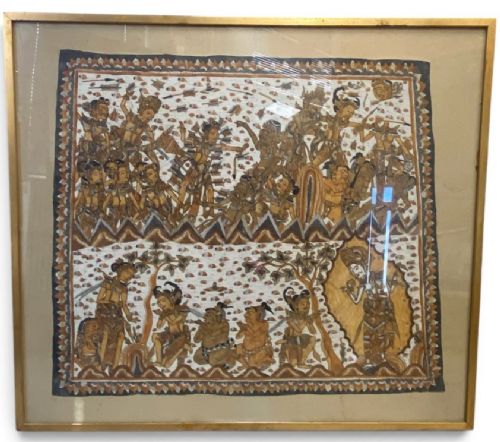
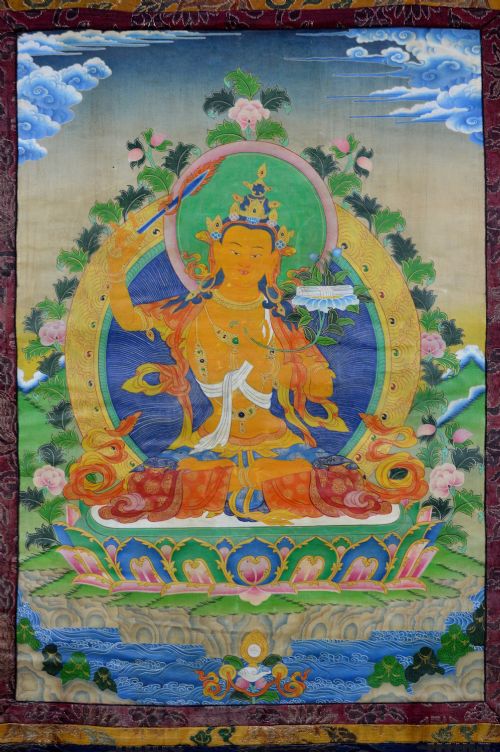
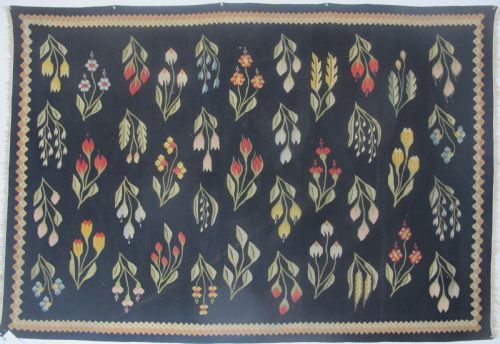
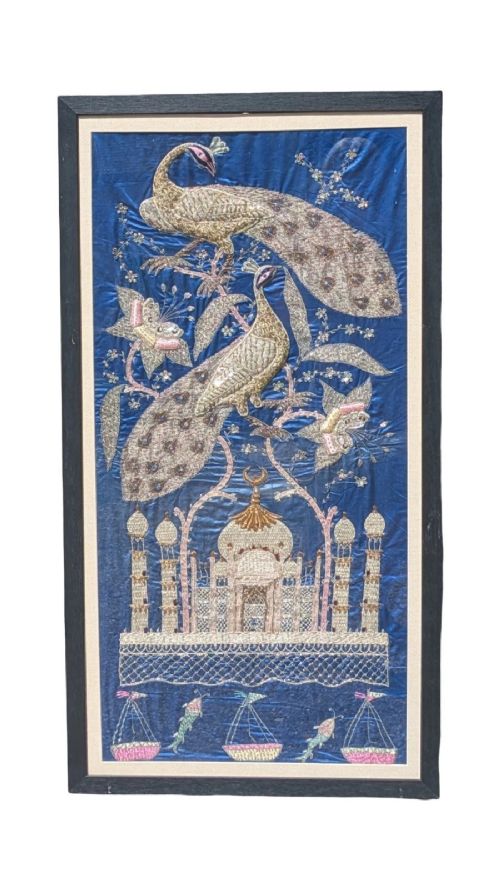
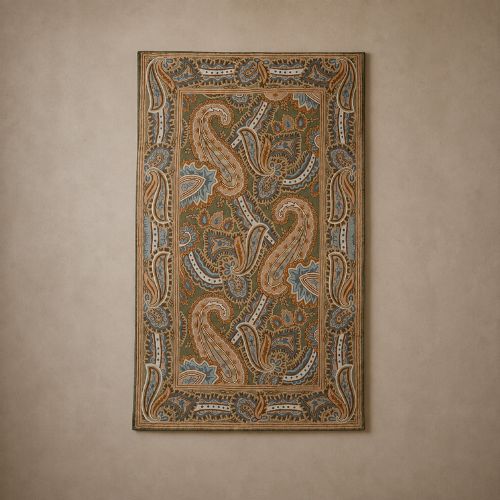
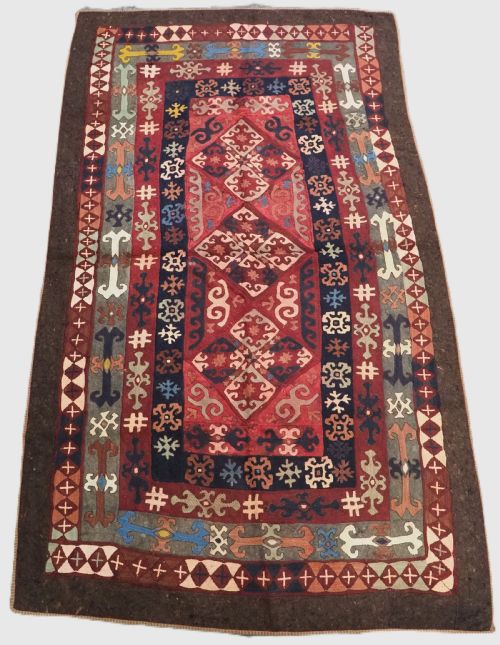
When you search for a traditional wall textile, you encounter a diverse selection of decorative hangings, panels and rugs originating from European, Central Asian and Asian traditions. The pieces span centuries of domestic and ceremonial production, incorporating tribal weavings and formal European tapestries.
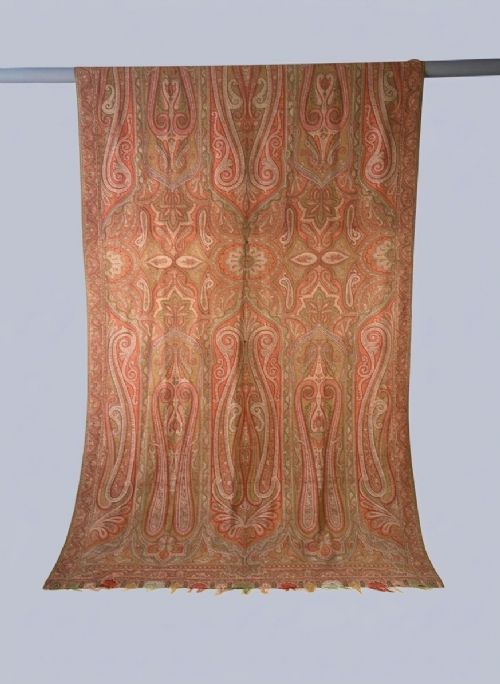
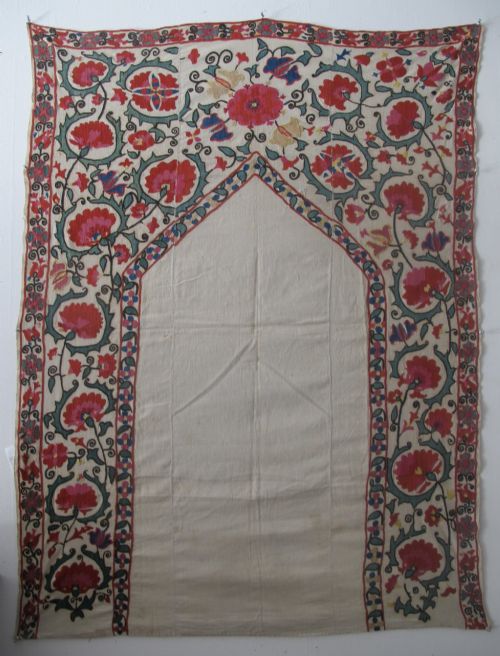
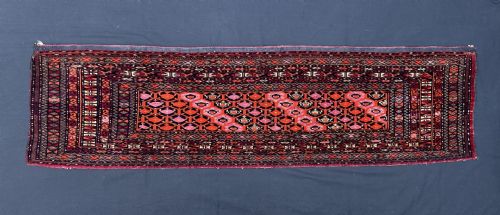
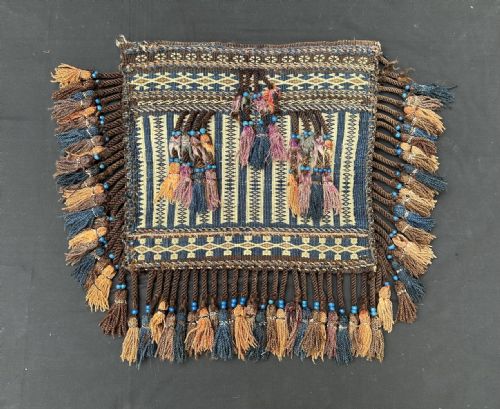
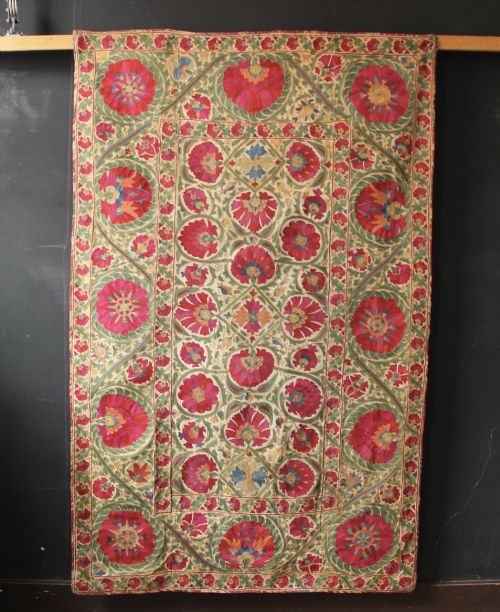
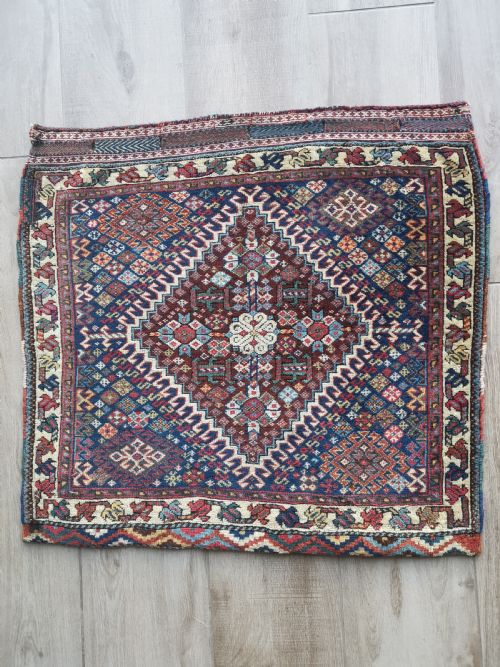
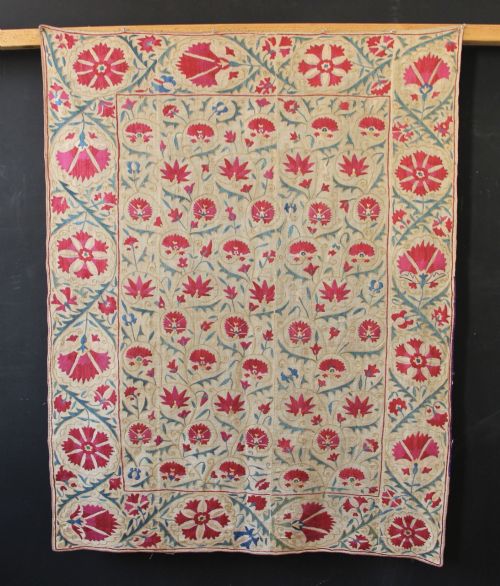
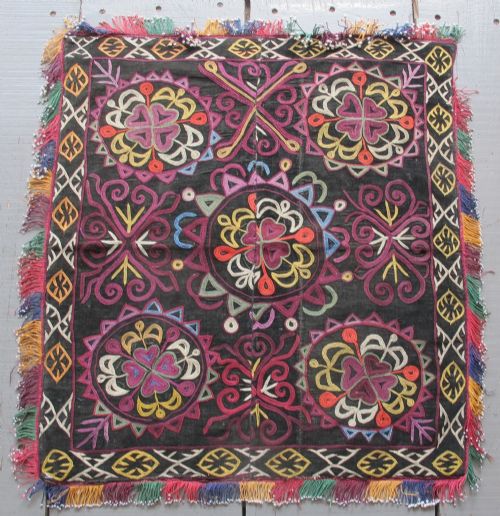
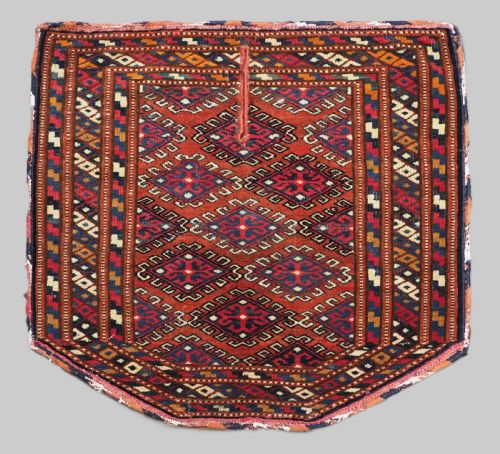
The versions you are most likely to meet on this page include Central Asian suzanis, Turkmen tent bags and tribal bagfaces, alongside European floral tapestries and Scottish wool shawls. These items served functional or decorative roles in their original communities before finding new life as wall art.
Materials and construction methods
The construction relies heavily on natural fibres such as wool, cotton, silk, linen and felt, often worked with natural dyes to achieve rich colour palettes. Artisans employed complex techniques including embroidery, crewelwork, blockprinting and tapestry weaving to build intricate patterns.
Many items incorporate specialised regional formats, such as the silk embroidery characteristic of Uzbek suzanis or the dense wool and sumac weave found in tribal bagfaces and saddle covers. Wooden elements and glass beads occasionally appear as structural supports or decorative accents.
The listings span periods from the sixteenth century through to the 1930s, featuring wool, silk, cotton, linen, felt and natural dyes.
Distinctions in execution and depth
The standard of a piece rests upon the precision of the needlework or weave, the complexity of the design, and the vibrancy of the natural dyes used in its creation. Finer examples display tight, even stitches and carefully balanced proportions that demonstrate exceptional technical skill.
Depth of heritage also separates works, with pieces retaining complete structures, original backs or sophisticated tribal motifs commanding greater appreciation from collectors seeking authenticity.
The Traditional Wall Textile Glossary
- Suzani
- An embroidered tribal textile from Central Asia, traditionally worked in silk or cotton on a cotton or linen ground by brides as part of their dowry.
- Torba
- A small rectangular Turkmen tent bag used for storage, frequently featuring characteristic gul motifs and detailed border work.
- Tapestry
- A form of textile art woven on a vertical loom, historically depicting pictorial scenes or repeating mille-fleurs patterns in wool and silk.
- Kalamkari
- A type of hand-painted or block-printed cotton textile from India, often featuring intricate storytelling or floral panels.
- Sumac
- A flat-weave technique related to tapestry weaving where the pattern-weft threads are wrapped around the warp threads to create a textured surface.
Traditional Wall Textile: Frequently Asked Questions
How do I hang a textile safely?
Hanging textiles requires distributing the weight evenly across the piece to prevent stretching or tearing of delicate historic fibres.
Methods often include sewing a cotton sleeve to the reverse to accommodate a padded rod or utilising specialised mounting systems designed for antique fabrics.
How do I distinguish regional styles?
Distinguishing regional styles involves examining specific motifs, such as the geometric guls on Turkmen bagfaces or the large floral medallions on Uzbek suzanis.
Materials and colour palettes also point to geographic origins, separating Central Asian needlework from European tapestry weaving.
How should I care for historic textiles?
Care involves protecting historic textiles from direct sunlight to prevent fading of natural dyes and keeping them away from excessive moisture.
Gentle vacuuming through a mesh screen can remove surface dust without disturbing fragile wool, silk or cotton threads.