
Traditional Wall Paintings
Traditional wall paintings encompass centuries of framed canvases and panels depicting landscapes, portraits and still lifes that bring historic character to interiors.
Traditional Wall Paintings
When you search for traditional wall paintings, you encounter framed works spanning the seventeenth through to the mid twentieth century. These pieces predominantly take the form of oil paintings on canvas or wood panel, alongside watercolours and silk paintings.
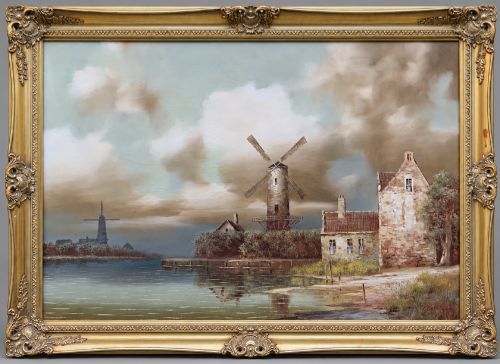
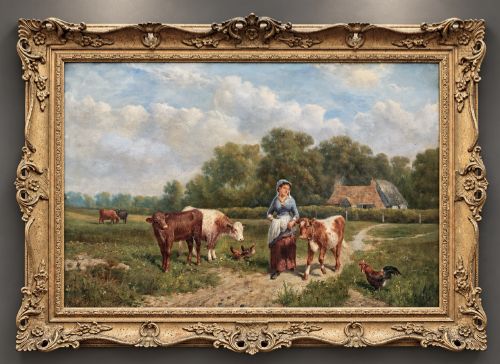
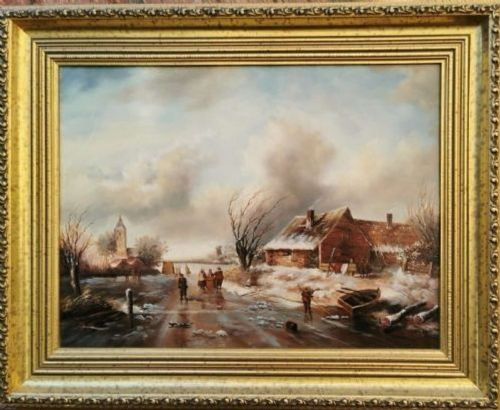
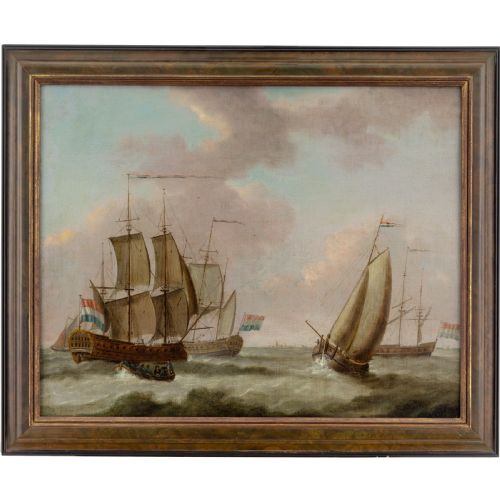
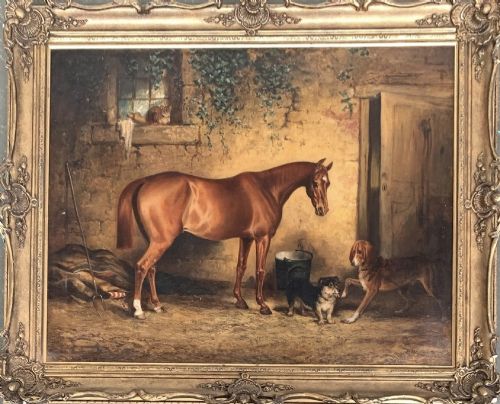
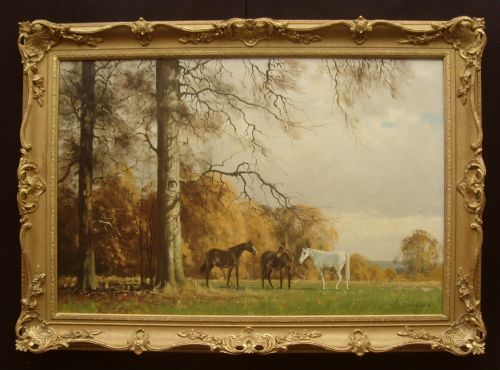
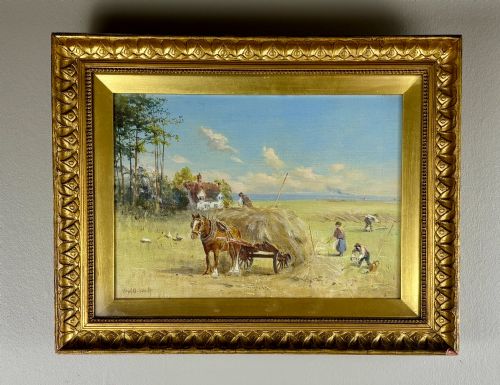
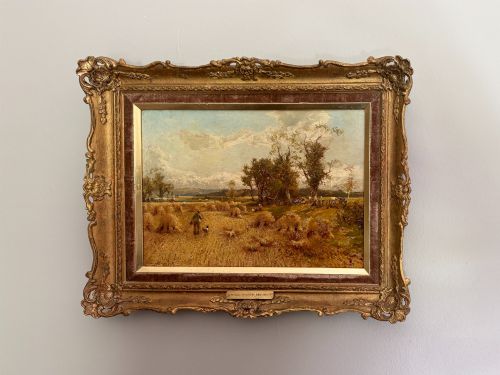
Portraits of notable figures, pastoral landscapes and floral still lifes dominate the selection available here. Works styled after seventeenth century Dutch masters or nineteenth century British realists appear frequently across the listings.
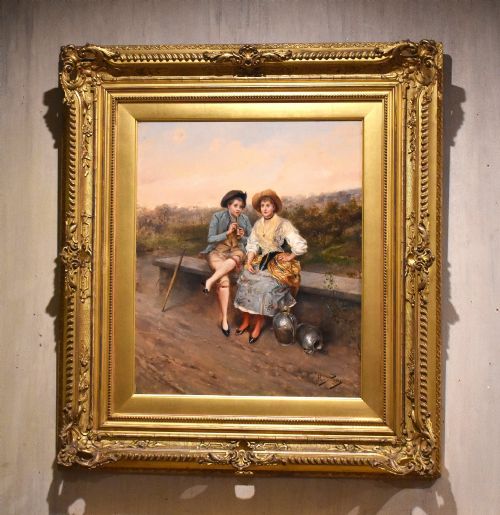
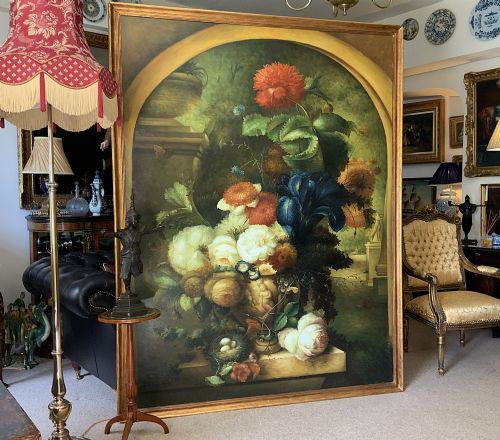
The selection ranges from intimate cabinet pieces to monumental canvases housed in giltwood frames. Each object carries the distinct aesthetic of its period, whether Georgian, Victorian or Edwardian.
How they were made
Artists built these works using oil paint applied to stretched canvas or prepared wooden boards. Ground pigments mixed with drying oils allowed for rich layering and subtle blending, particularly visible in nineteenth century landscapes and portraits.
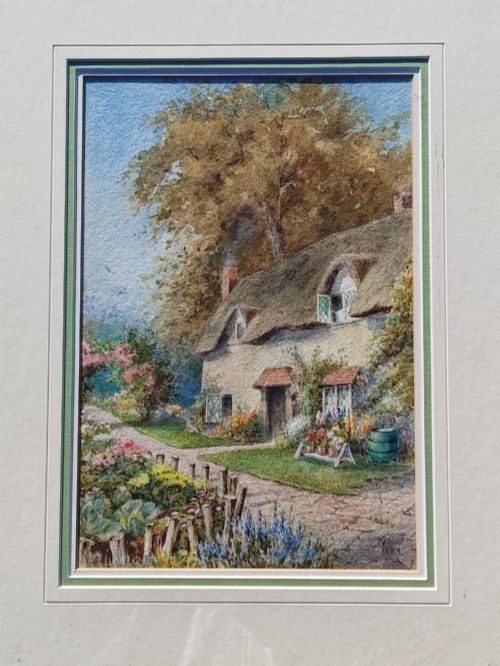
Watercolour paintings on paper capture lighter atmospheric effects, utilised by artists depicting river valleys and coastal harbours. Many pieces retain their original frames constructed from wood and finished with gilt gesso ornament.
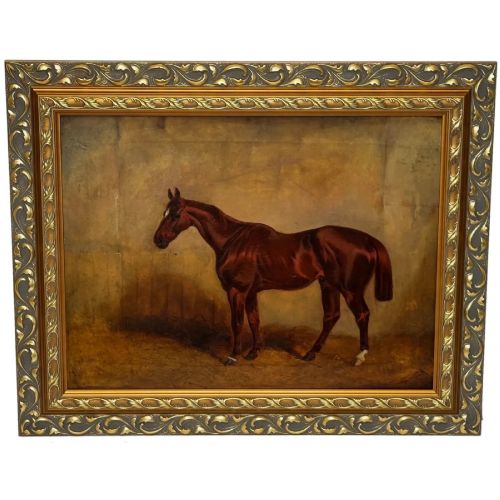
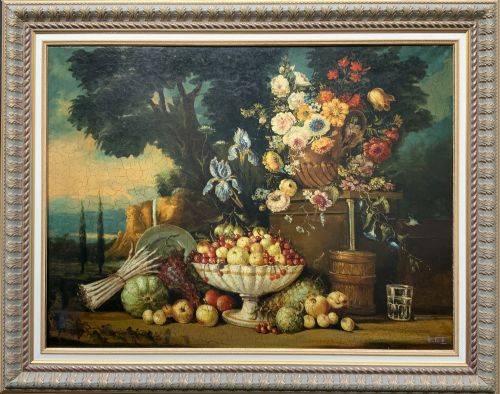
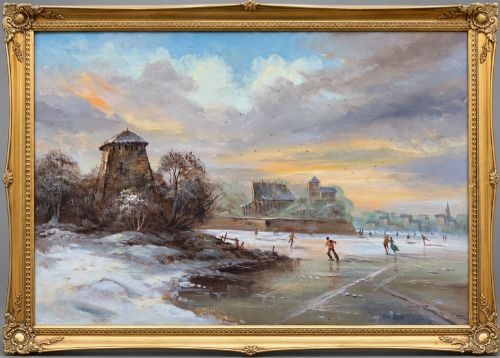
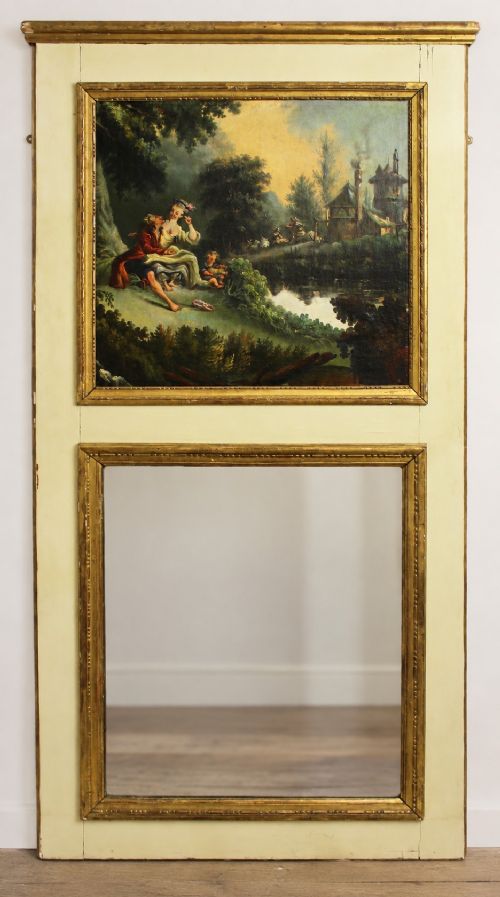
The selection includes portraits of nobility, pastoral landscapes with cattle, and monumental floral still lifes in gilt frames.
What varies in quality
The degree of anatomical precision in portraits and the handling of light in landscapes determine the standing of an individual piece. Finer works display confident brushwork and a sophisticated understanding of depth, whereas simpler decorative pieces rely on more formulaic composition.
The preservation of the original paint surface and the integrity of the supporting canvas or wood panel shape the desirability of the work. Contemporary framing or period giltwood surrounds that complement the art without obscuring it add considerable weight to the presentation.
JOHN HAYLS·Richard Sebastian Bond·William Beattie-Brown·Jozsef Molnar·William H Myers·Tom Campbell·Alfred Young Nutt·GEORGE WILLISON·John Horace Hooper·William McAlpine·Hendrik Willem Schweickhardt·George Houston·William Banks Fortescue
The Traditional Wall Paintings Glossary
- Oil on canvas
- Pigment suspended in a drying oil medium applied to a woven fabric support stretched across a wooden frame. This technique allowed artists to achieve deep tones and subtle gradations of light.
- Still life
- An artwork depicting inanimate subject matter, such as fruit, flowers or game animals. These compositions often demonstrated the painter's skill in rendering texture and reflection.
- Giltwood
- Wood carved and coated with a thin layer of gold leaf or metallic powder. Frames finished in this manner were designed to catch ambient light and enhance the framed artwork.
- Wood panel
- A flat solid piece of timber utilised as a rigid foundation for painting. Panels were particularly common in earlier centuries before canvas became the dominant support.
- Watercolour
- Paint consisting of colourants suspended in a water soluble binder used on paper. It creates translucent washes that capture bright atmospheric conditions.
Traditional Wall Paintings: Frequently Asked Questions
How do I date an oil painting?
Examining the type of canvas, the construction of the stretcher frame and the pigments used provides clues to the creation date. Stylistic elements in clothing and landscape composition also point to specific artistic periods.
Signatures, stamps on the reverse or biographical details of the artist help narrow the timeline further. Comparing the handling of the paint to documented works from known eras confirms the period.
Where should I hang a landscape painting?
Landscapes suit living rooms, dining spaces and hallways where natural light can illuminate the brushwork and colour palette. Placing them at eye level ensures the composition can be comfortably viewed from a seated or standing position.
Avoiding direct sunlight protects the oil or watercolour pigments from fading over time. Pairing the painting with a period frame that matches your interior decor creates a cohesive display.
What is a still life painting?
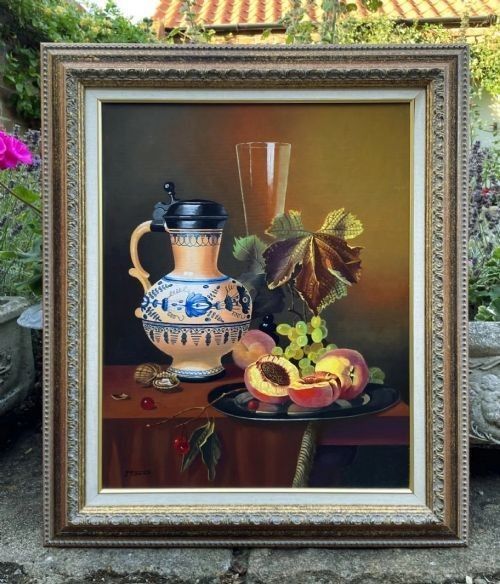
A still life depicts arranged inanimate objects such as flowers, fruit, vessels and game. These works allowed artists to explore light, shadow and texture within a controlled composition.
Popularised by Dutch masters and continued through later centuries, these paintings bring rich colour and classic form to wall displays. They often feature symbolic elements alongside everyday items.
How do I care for antique paintings?
Keep paintings away from damp environments and extreme temperature fluctuations to prevent the canvas from sagging or the wood panel from warping. Gentle dusting with a soft, dry brush maintains the surface without disturbing the paint.
Avoid using chemical cleaners or water on the painted surface or the gilt frame. Professional conservators should handle any structural repairs or deep cleaning.