

Traditional Wall Decor
Traditional wall decor comprises oil paintings, watercolours, wooden panels, and sporting items spanning multiple centuries.
Traditional Wall Decor
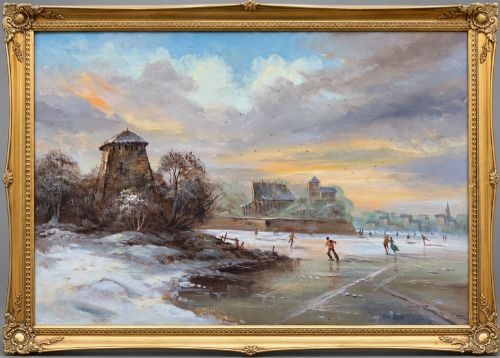
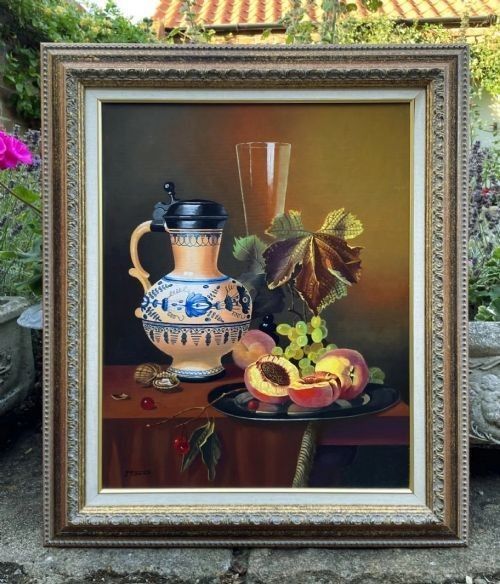
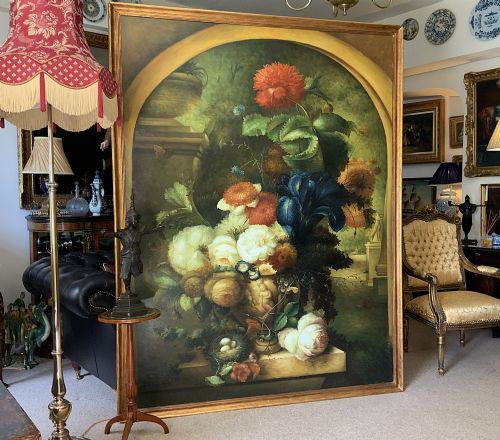
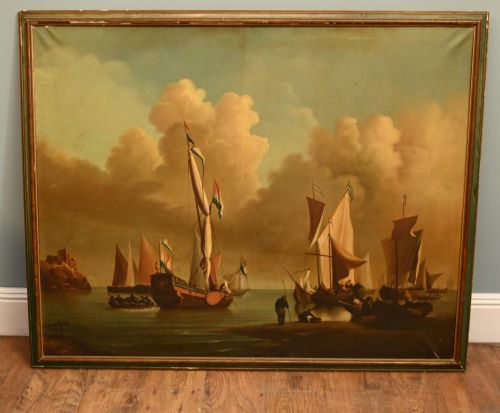
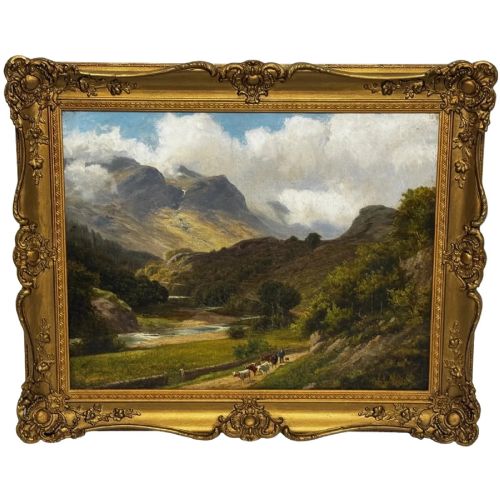
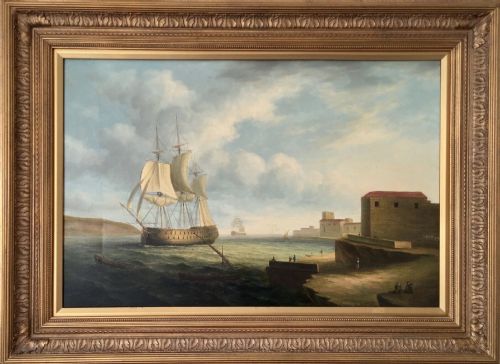
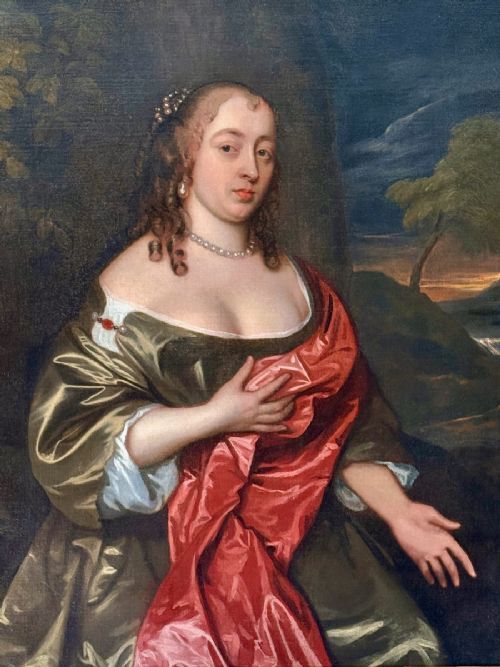
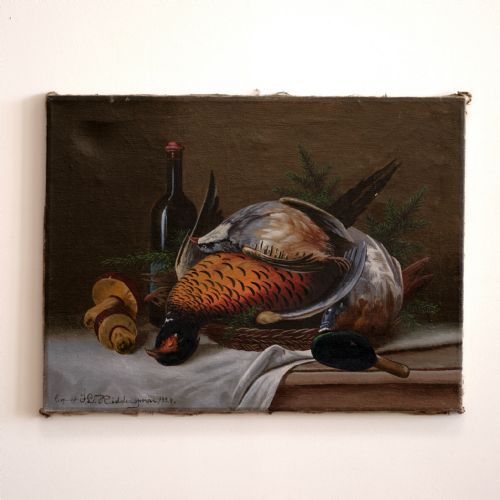
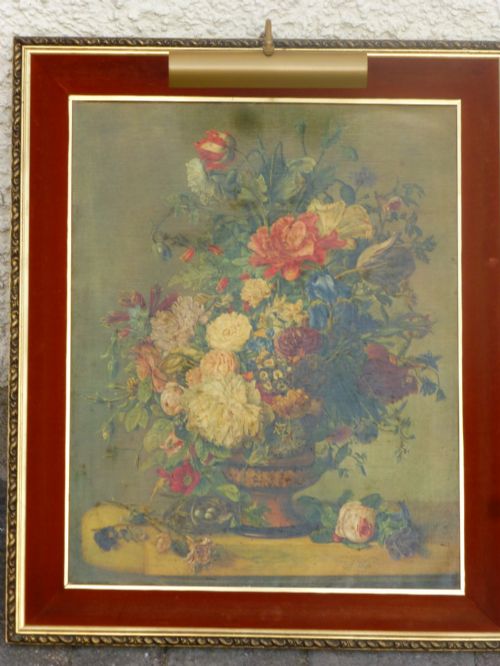
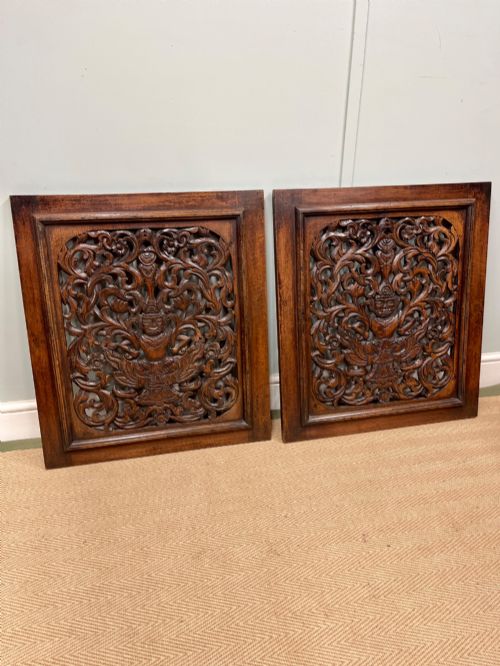
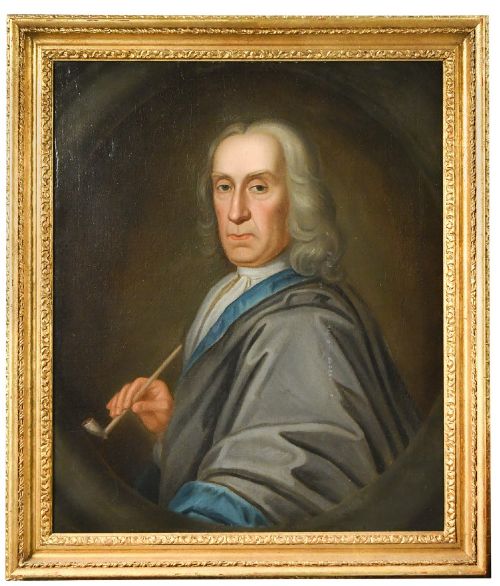
Traditional wall decor encompasses oil paintings, watercolours, framed art, and wooden panels designed for hanging. These items range from seventeenth-century portraits and nineteenth-century landscapes to sporting scenes and floral still lifes.
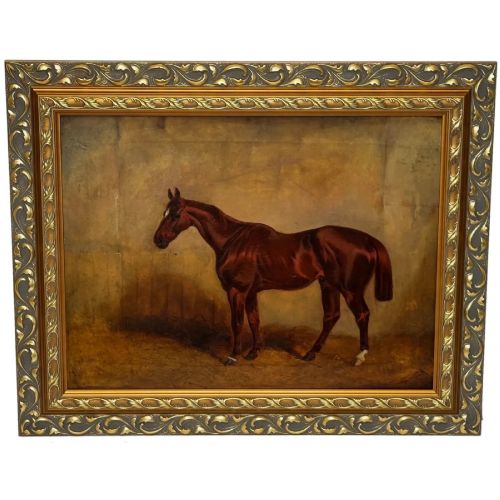
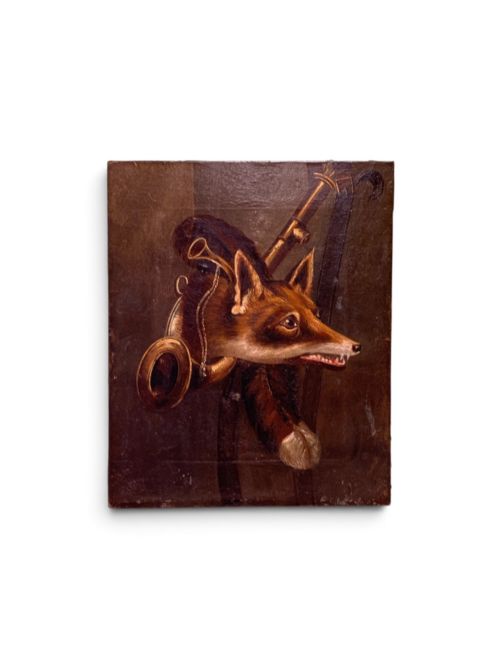
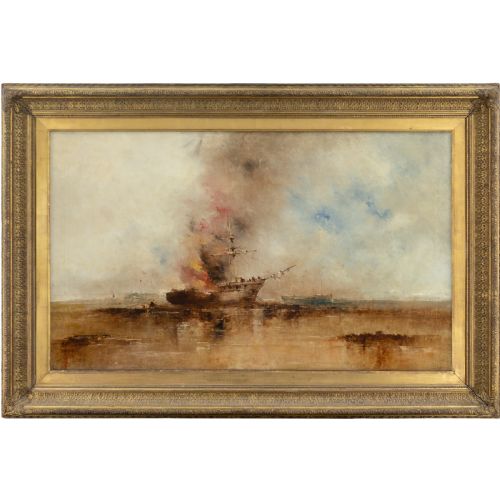
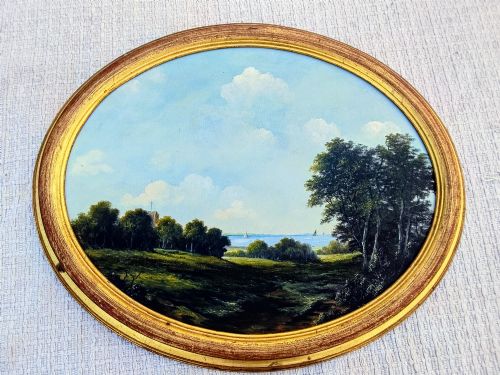
Buyers seeking traditional wall decor most frequently encounter nineteenth-century oil paintings on canvas or panel, alongside Victorian animal studies and Dutch-style marine or landscape canvases.
The category also extends to vernacular items such as antique wooden skis, coaching horns, and hand-painted signs used for interior display.
How traditional wall decor pieces were made
Makers applied oil paint or watercolour onto prepared surfaces of canvas, wood panel, or paper, often securing them within gilded wood frames adorned with gesso mouldings.
Framed works rely on traditional carpentry techniques, whilst sporting equipment and decorative panels utilise shaped wood, leather, copper, and brass components.
Historical items include antique Norwegian wooden skis and bamboo poles built for snowy Nordic treks.
What varies in quality in traditional wall decor
Quality resides in the precision of the brushwork, the anatomical accuracy of human and animal portraits, and the depth achieved in landscapes and marine views.
The integrity of the original support, whether canvas, pine panel, or ash wood, together with the preservation of surface detail and period framing, distinguishes finer examples.
John Hayls·John Sargent Noble·John Frederick Herring Jnr·William Williams
The Traditional Wall Decor Glossary
- Oil on canvas
- Pigments suspended in a drying oil applied to a woven fabric support stretched over a wooden frame. This medium allowed artists to achieve rich colour saturation and subtle tonal gradations.
- Gesso
- A plaster mixture applied to wood surfaces or frames as a smooth base for gilding or paint. It provides a stable ground for decorative relief details.
- Panel painting
- Art executed on a rigid wooden flat surface rather than flexible canvas. Oak, pine, and mahogany panels were frequently utilised before canvas became dominant.
- Sporting art
- Depictions of horses, dogs, hunting scenes, and equestrian pursuits. These works document nineteenth-century rural pastimes and agricultural life.
- Watercolour
- Paint consisting of colour pigments suspended in a water-soluble vehicle, typically applied to paper. It produces transparent washes of delicate light and colour.
Traditional Wall Decor: Frequently Asked Questions
What periods do these wall decorations cover?
The selections span from the seventeenth century through the Georgian and Victorian eras up to the mid-twentieth century.
Most items date from the nineteenth century, reflecting historical painting styles and domestic interior trends of that period.
How do I identify a nineteenth-century oil painting?
Examine the canvas weave, stretcher construction, and the type of pigments used on the reverse or surface.
Nineteenth-century works often feature characteristic Victorian framing, craquelure in the paint layer, and signatures or inscriptions associated with known periods.
Are all these items traditional paintings?
While oil paintings and watercolours form the majority, the category also includes wooden panels, sporting equipment, and coaching horns.
These diverse objects share a domestic decorative function intended for wall display in traditional interiors.
How should I care for antique canvas art?
Keep paintings away from direct sunlight, high humidity, and extreme temperature fluctuations to protect the canvas and paint layers.
Dust surfaces gently with a soft, dry brush and avoid liquid cleaners or chemical solvents on the painted areas.