


Traditional Wall Art
Traditional wall art brings centuries of portraiture, landscape painting and framed prints into a room, offering enduring scenes of human history and the natural world.
Traditional Wall Art
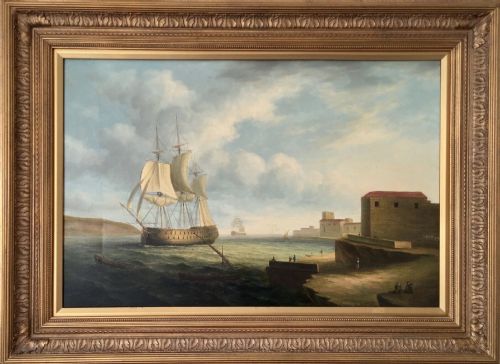
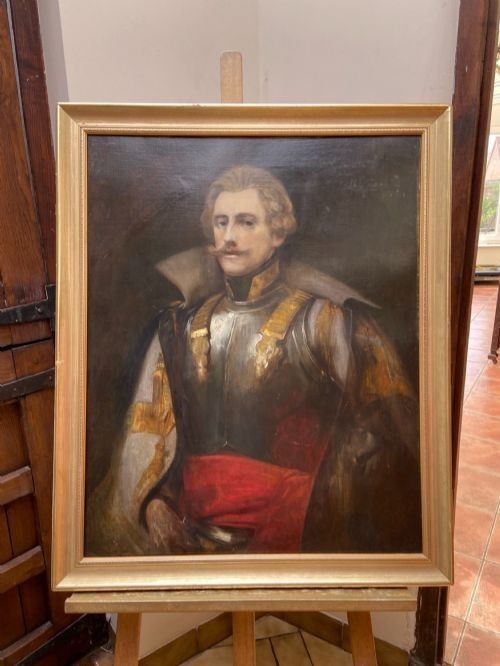
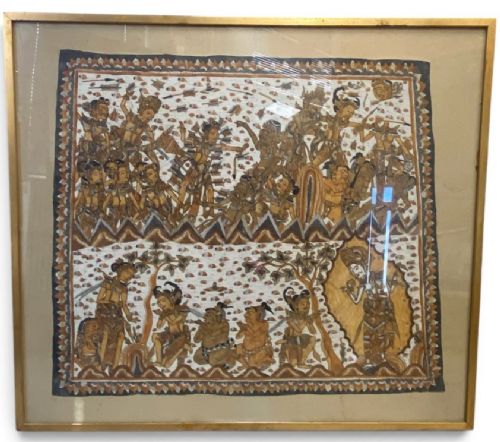
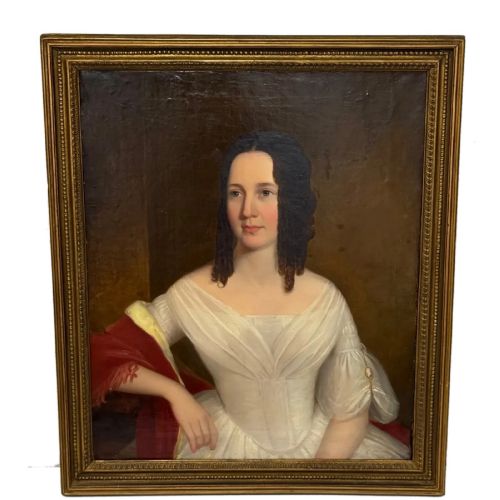
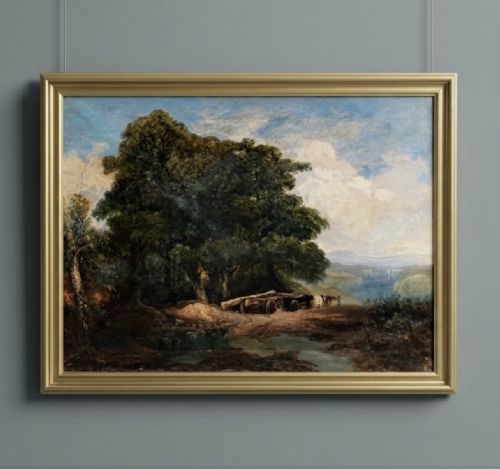
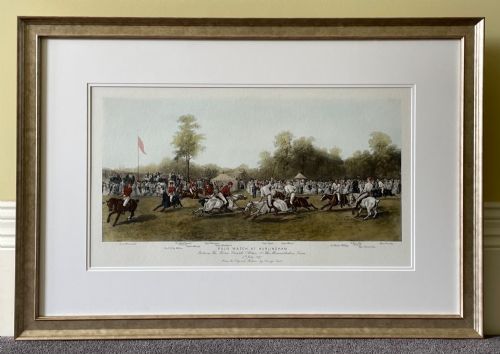
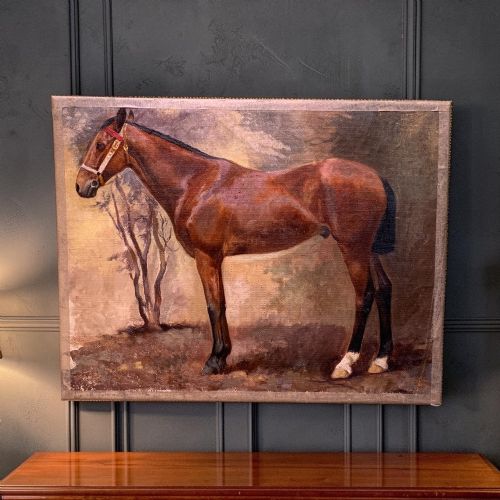
Traditional wall art spans oil paintings, watercolours, mezzotints, woodblock prints and decorative wall hangings produced across the eighteenth, nineteenth and early twentieth centuries. Pieces frequently depict formal portraits, pastoral landscapes, botanical studies and equine scenes rooted in classical realism and Victorian traditions.
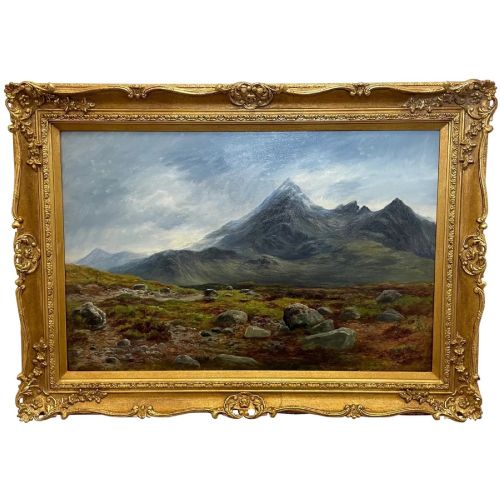
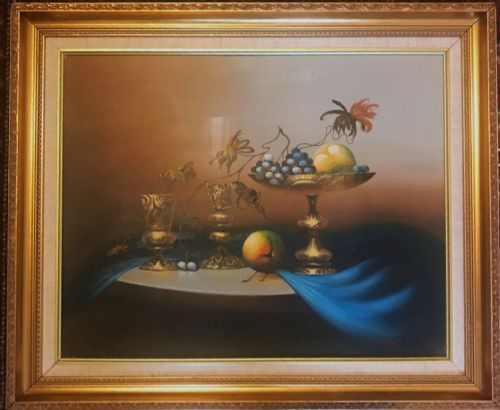
The version most commonly met on this page is the oil painting on canvas or wood panel, originating from nineteenth-century British and European schools. These works often arrive set within their original gilt wood frames, preserving the complete domestic aesthetic of their period.
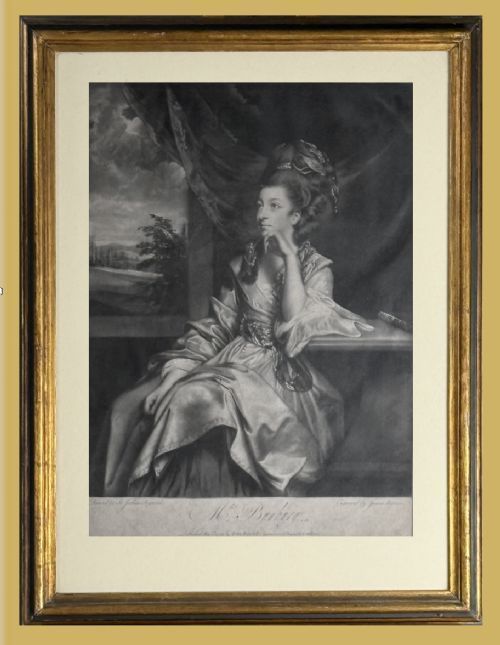
Beyond paintings, the selection extends to detailed mezzotint prints after historical masters and regional watercolours capturing river valleys and highland terrain. Each format offers a distinct window into past decorative tastes and artistic technique.
Materials and construction
Painters applied oil paint and pigment onto prepared canvas, wood panels and paper supports, utilising traditional glazing and layering methods to build depth. Watercolours on paper capture lighter, translucent atmospheric effects, particularly in landscape and botanical subjects.
Frames and structural surrounds combine wood, gesso and gold leaf to create ornate decorative housings. Mezzotints and woodblock prints rely on inked metal plates and carved blocks pressed onto quality paper to multiply detailed pictorial images.
Traditional Wall Art Retail Price Guide 2026
Typical asking prices for traditional wall art among the pieces listed under this phrase on Sellingantiques today, from the lower quarter to the upper quarter. They describe what is for sale here now, not the wider market.
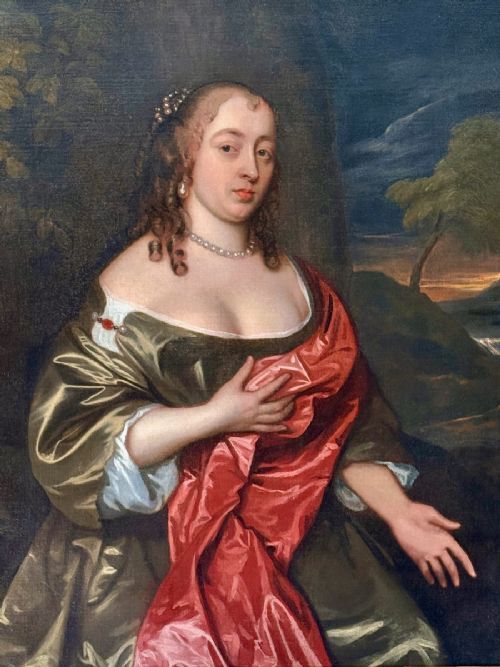
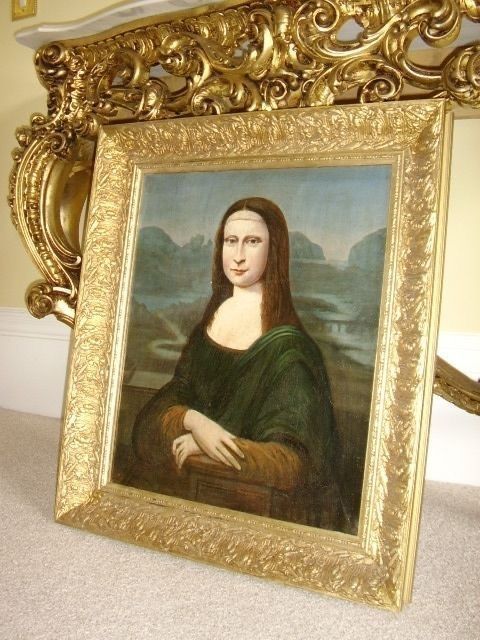
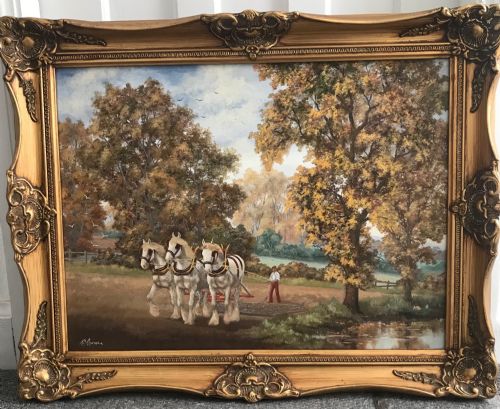
A stoic eighteenth-century noblewoman shares digital space with a sturdy nineteenth-century shire horse ploughing a farmer's field.
Distinctions in quality
Execution and handling separate skilled portraiture and landscape work from mass production, evident in the confident rendering of light, shadow and anatomical detail. Superior pieces demonstrate an assured command of perspective and colour harmony that brings depth to the subject.
Condition of the physical medium and survival of the original frame influence the integrity of a piece. Works retaining undisturbed original surfaces and contemporaneous gilt gesso framing hold greater historical coherence than those altered by later restoration.
John Hayls·Richard Sebastian Bond·William Beattie-Brown·James Watson·Tom Campbell·Alfred Young Nutt·Percy Lancaster·George Willison·John Horace Hooper·William McAlpine·Reginald Arthur Borstel·Hendrik Willem Schweickhardt
The Traditional Wall Art Glossary
- Mezzotint
- A printmaking process where the copper plate is roughened to achieve rich dark tones and subtle tonal gradations. This method was widely used for reproducing oil paintings during the eighteenth century.
- Gesso
- A plaster mixture applied to wood frames as a smooth base for gilding. Artisans carved or moulded intricate decorative patterns into this surface before applying gold leaf.
- Woodblock print
- A technique where an image is carved into a block of wood, inked and transferred onto paper. Japanese examples from the Meiji period utilise this method for vibrant pictorial scenes.
- Wood panel
- A rigid support base utilised by artists before canvas became dominant. These panels provide a stable surface for detailed oil painting.
- Watercolour
- A paint medium consisting of water-soluble pigments applied to paper. It allows for transparent washes that capture delicate atmospheric conditions.
Traditional Wall Art: Frequently Asked Questions
How do I care for antique oil paintings?
Keep paintings away from direct sunlight and sudden temperature shifts to protect the canvas and pigment. Dust the surface gently with a soft, dry brush without applying moisture or chemical cleaners.
Ensure hanging walls remain free from dampness to prevent wood panel warping or mould growth on the reverse. Professional conservators should handle any structural repairs or deep cleaning.
Were these artworks always framed?
Most traditional paintings and prints received custom frames soon after completion to protect the edges and complement the interior decor of the period. Gilt wood and gesso housings were standard for finer oil works.
Matching a painting to its original frame enhances historical authenticity. Over the centuries, some pieces acquired replacement frames that reflect later aesthetic tastes.
What subjects were popular in Victorian landscapes?
Victorian landscape art frequently celebrated rural tranquility, pastoral farming scenes and dramatic highland topography. Artists travelled extensively to capture authentic light and topography across Britain and Europe.
These works often featured figures such as shepherds, ploughmen or cattle to establish a narrative scale within the natural environment. Such scenes satisfied a growing appetite for domestic art celebrating the countryside.
How can I tell a painting is from the nineteenth century?
Examine the stretcher bars, canvas weave and framing materials for clues characteristic of nineteenth-century manufacturing methods. Hand-mixed oil pigments and aged craquelure across the paint surface also indicate significant age.
Signatures, dates and artist biographical records help narrow the timeline. Comparing stylistic conventions with documented works from the same era confirms the period.