


Traditional Upholstered Seating
Traditional upholstered seating brings together period frames and tactile textiles, offering comfort and heritage craftsmanship for the modern room.
Traditional Upholstered Seating
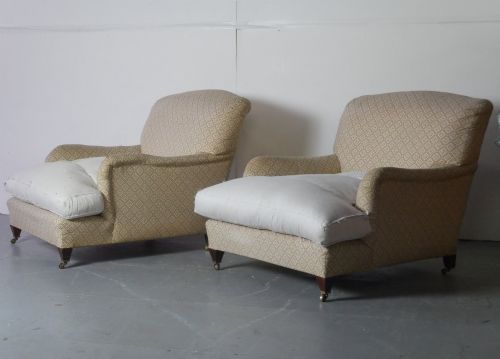
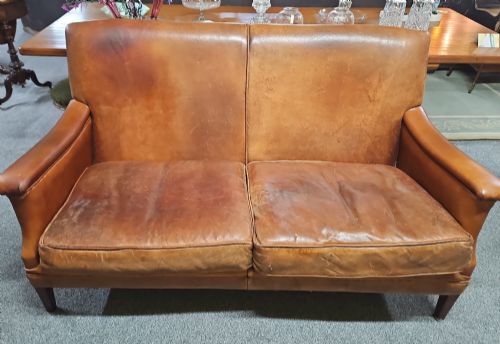
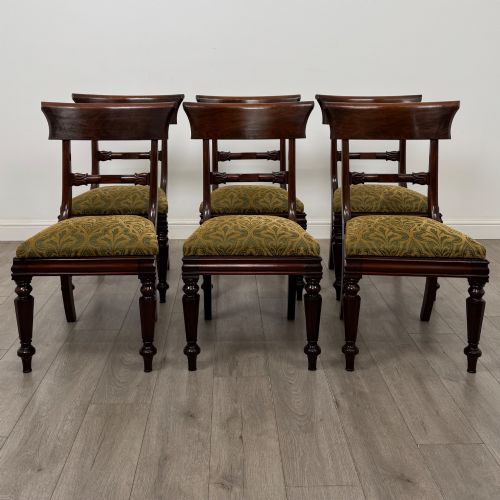
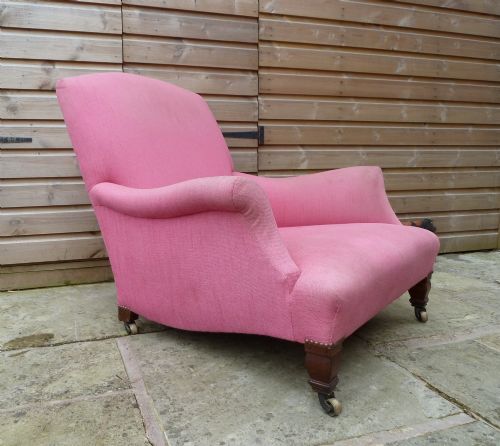
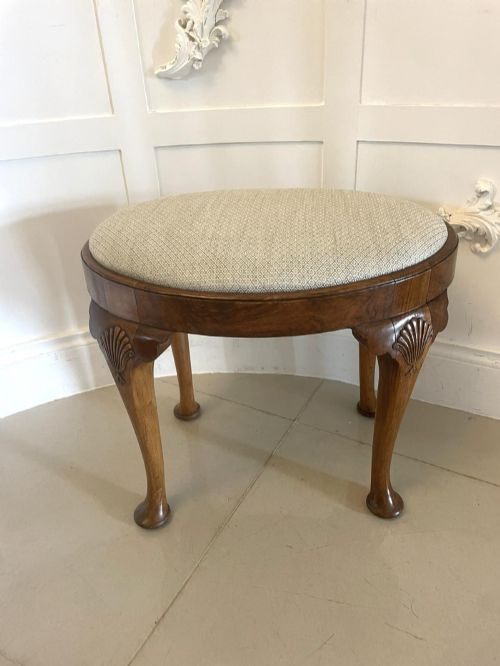
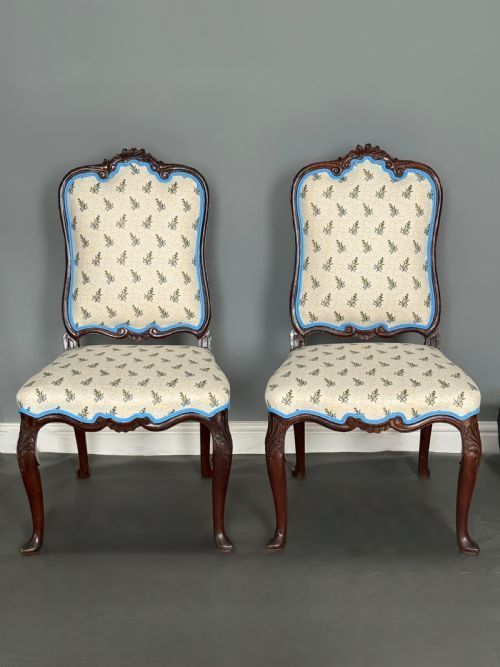
Traditional upholstered seating encompasses a wide range of antique chairs, sofas, and stools originating from the eighteenth century through to the early twentieth century. When exploring traditional upholstered seating, buyers encounter robust dining chairs, deep-seated armchairs, and long buttoned stools designed for drawing rooms and libraries.
Makers and workshops of note, including Howard and Sons, Hampton and Sons, Whytock and Reid, and Charles Tozer, appear among these selections, often paired with contemporary or period textiles like velvet and calico linen.
How They Were Made
Makers built these frames using dense hardwoods like mahogany, walnut, oak, elm, and rosewood, employing traditional joinery such as mortise and tenon to ensure structural longevity. Turning, carving, and shield-back designs demonstrate the cabinetmaker's skill in shaping the exposed wooden elements.
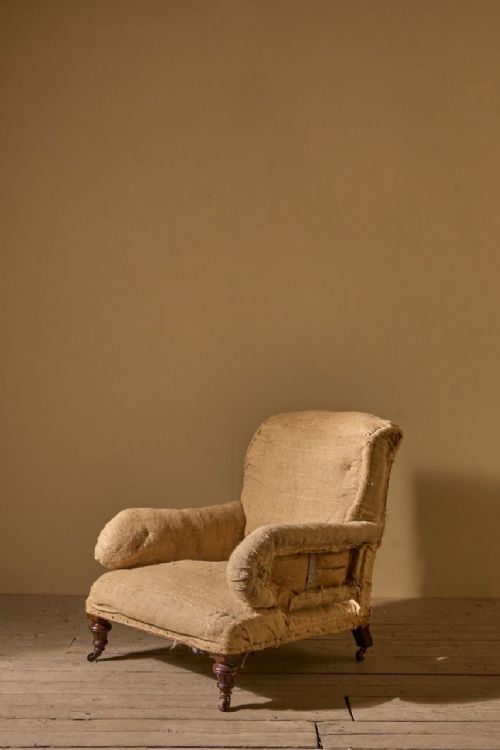
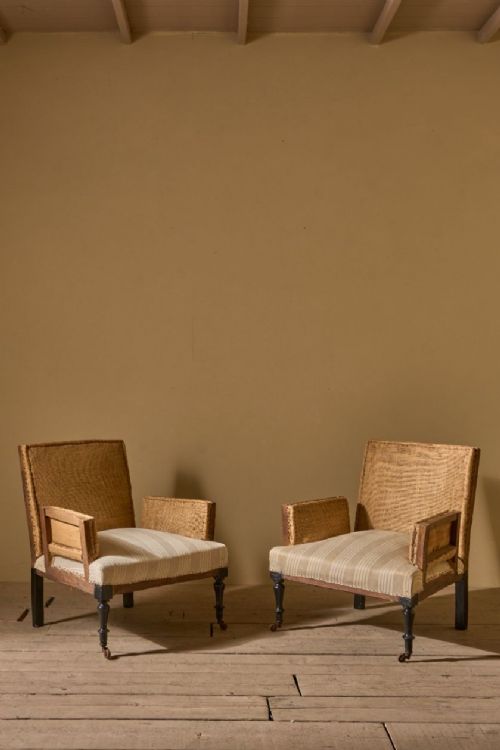
Upholstery techniques involved webbed bases, hand-tied springs where appropriate, and layers of stuffing held in place with hessian and horsehair before the final textile covering was applied. Fabrics such as velvet, split cane, and patterned textiles were then secured with brass tacks or piping.
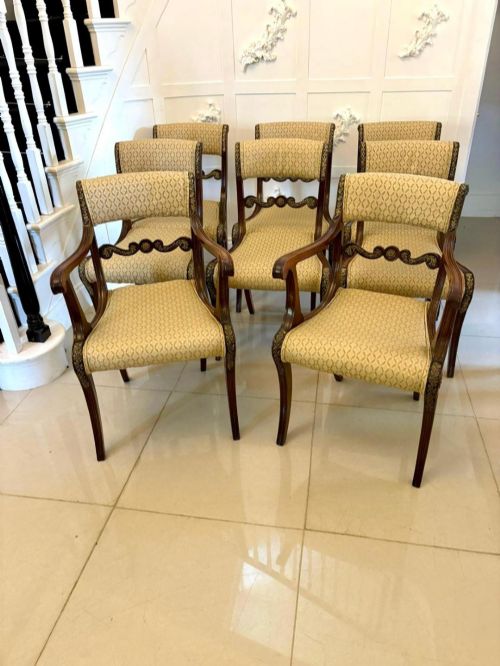
Several sets stretch to twenty pieces, proving that past dining habits involved hosting very large dinner parties indeed.
What Varies in Quality
The distinction between standard examples and superior pieces rests largely on the depth of hand-carving in the wooden frame and the integrity of the underlying timber. Timber selection itself dictates quality, with figured mahogany or rich burr walnut elevating the standing of a chair or stool.
Proportion and scale play significant roles, particularly in large dining sets where uniformity across ten or twelve chairs maintains visual harmony. Furthermore, the fidelity of revival styles to their Georgian or Queen Anne origins marks the distinction between competent workshops and master cabinetmakers.
Howard and Sons·Hampton and Sons·Whytock and Reid·Charles Tozer
The Traditional Upholstered Seating Glossary
- Bergere
- An enclosed upholstered armchair with wooden frames and cane or upholstered sides. This French-inspired form gained popularity in various nineteenth and early twentieth century English interiors.
- Chesterfield
- A large upholstered sofa characterised by deep buttoning and rolled arms of the same height. These substantial pieces provide formal seating in traditional reception rooms.
- Shield Back
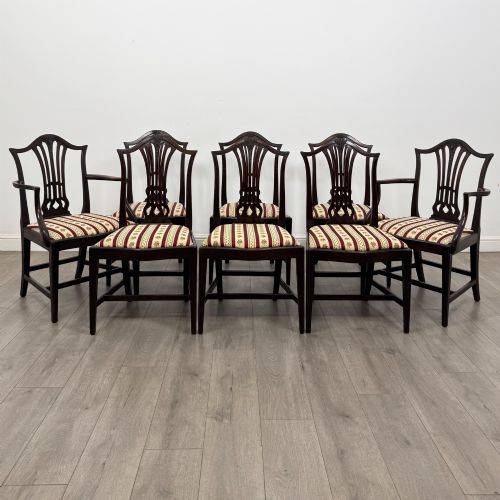
- A chair back shaped in the outline of a heraldic shield, frequently found on eighteenth and nineteenth century dining chairs. Carved wheat ears or drapery often decorate the interior wooden lattice.
- Balloon Back
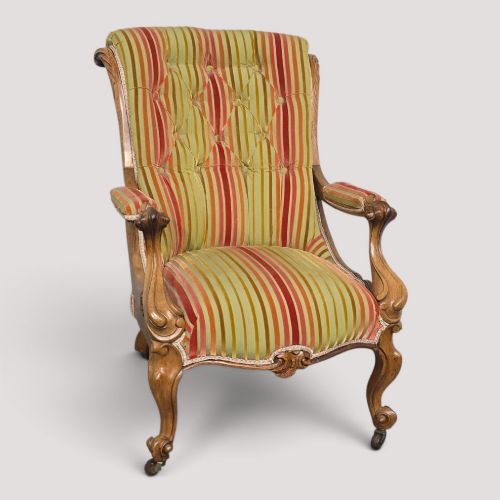
- A rounded, oval-shaped chair back resembling a balloon, typical of Victorian dining and drawing room seating. This design allows for ergonomic support while showcasing the grain of the mahogany or walnut frame.
- Calico
- A plain-woven cotton fabric traditionally used as an inner upholstery lining or base cover beneath decorative textiles. It provides a stable foundation for stuffing and top covers.
Traditional Upholstered Seating: Frequently Asked Questions
How do I clean antique upholstery?
Maintenance depends entirely on the specific textile used on the piece, ranging from heavy velvet to delicate printed cotton. Gentle vacuuming with a soft brush attachment removes surface dust without stressing the underlying horsehair stuffing.
Professional restoration specialists should handle deeper cleaning to avoid water damage or shrinkage to historic fabrics and internal webbing.
Are these chairs suitable for daily dining?
Many nineteenth century dining chairs were built to withstand heavy daily use by using durable timbers like mahogany and oak. Their robust frame construction often makes them well suited for contemporary dining tables.
Buyers should inspect the seat height and frame stability to ensure comfort during extended meals.
What is a country house armchair?
A country house armchair typically denotes a deeply sprung, generously proportioned seat designed for comfort in large domestic spaces. These pieces often feature relaxed proportions and worn upholstery that tell a story of long-term use.
They serve as focal points in studies and drawing rooms due to their inviting depth.
How can I tell a Victorian chair from a Georgian one?
Georgian chairs generally display lighter proportions, simpler lines, and timbers such as mahogany or walnut with restrained carving. Their design philosophy prioritises classical restraint and precise joinery.
Victorian pieces tend to be heavier, with darker finishes, bolder carving, and more elaborate buttoning or balloon-back shapes reflecting industrial-era production methods.