



Traditional Turkmen Woven Textile
A traditional turkmen woven textile brings the geometric harmony and rich red wools of Central Asian tribal life directly into your interior.
Traditional Turkmen Woven Textile
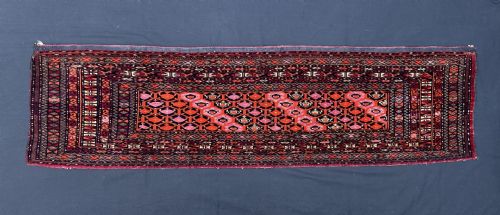
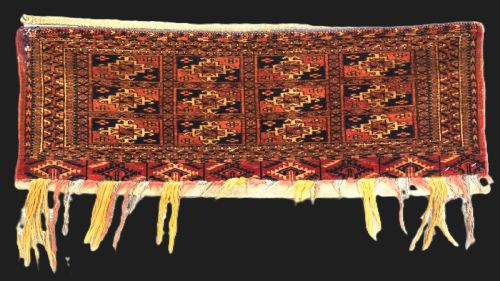
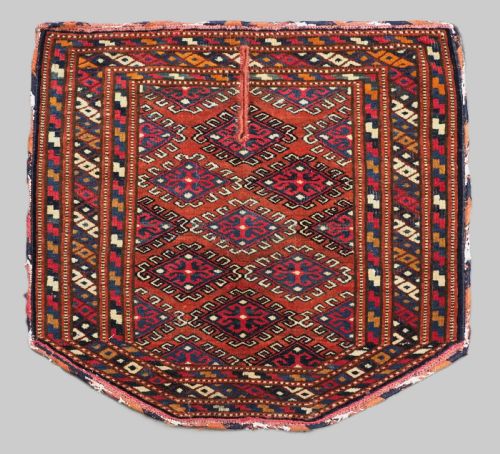
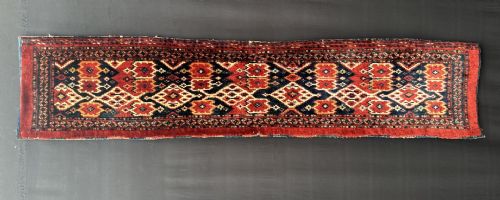
A traditional turkmen woven textile encompasses various utilitarian bags, tent bands, and animal trappings produced by nomadic and tribal groups across Central Asia. Buyers exploring this category frequently encounter domestic items such as torbas, chuvals, and asmalyks created for tribal use throughout the nineteenth and early twentieth centuries. These woven pieces range from complete storage bags with plain weave backs to decorative wall hangings and wedding camel trappings.
Formats vary from small spindle-bags and okbash tent pole covers to large multi-gul chuvals and asmalyk wedding trappings. Each object type served a precise purpose within nomadic encampments, whether for household storage or ceremonial transport during tribal celebrations. The enduring appeal lies in these authentic structures carrying centuries of nomadic heritage.
Materials and Construction
The makers relied primarily on locally sourced wool combined with cotton for structural foundations and subsidiary details. Natural dyes provided the characteristic deep red grounds and contrasting secondary tones seen across the pieces. Artisans utilised durable pile knotting alongside flat-woven techniques to ensure the trappings endured daily nomadic utility.
Weavers constructed storage bags and tent trappings with dense pile surfaces, occasionally incorporating flat-woven backs for practical attachment and storage. The execution of intricate gul motifs required precise knotting densities and careful control of natural dye palettes. This construction method delivered rigid durability alongside striking visual symmetry.
Traditional Turkmen Woven Textile Retail Price Guide 2026
Typical asking prices for traditional turkmen woven textile among the pieces listed under this phrase on Sellingantiques today, from the lower quarter to the upper quarter. They describe what is for sale here now, not the wider market.
Listings feature wool and natural dyes shaped into rugs, wall hangings, and tribal bags spanning the mid nineteenth century to 1920.
Evaluating the Weaving
Quality depends upon the density of the knotting and the precision with which the tribal guls and secondary motifs are resolved. Finer weaves display sharper geometric definition and more complex structural planning within the field. The presence of complete original backs or surviving flat-woven details elevates an example's integrity.
The brilliance and saturation of the natural dyes influence the visual impact of each piece across different tribal groups. Master weavers achieved harmonious colour balances that retain their vibrancy over generations of use. Condition and completeness further distinguish standard utility items from exceptional surviving masterworks.
The Traditional Turkmen Woven Textile Glossary
- Gul
- A primary medallion or octagonal stamp motif repeated across the field of tribal rugs and trappings. These distinct patterns often identify the specific tribe or clan responsible for the weaving.
- Chuval
- A large tent storage bag used by nomadic families for domestic belongings. They frequently feature multiple rows of guls and decorated asmalyk borders.
- Torba
- A smaller storage bag utilised inside the nomadic yurt for household items. These pieces often display refined symmetrical designs and detailed elem panels.
- Asmalyk
- A pentagonal or hexagonal trapping mounted on the flanks of a wedding camel during tribal ceremonies. They represent some of the most decorative textile formats.
Traditional Turkmen Woven Textile: Frequently Asked Questions
How were these bags used originally?
Nomadic families utilised torbas and chuvals inside tents for storing household goods, clothing, and blankets.
Larger trappings like asmalyks served decorative roles during wedding processions and festive tribal camel transport.
How do I display a textile at home?
Smaller torbas and bag faces work effectively mounted as wall art to showcase their intricate geometric wool patterns.
Ensure proper mounting support that distributes weight evenly across the structure without stressing the historical wool foundation.
How do I identify different tribal styles?
Tribal attribution relies on recognising specific structural motifs, primary gul shapes, and characteristic red colour palettes.
For instance, Tekke and Saryk pieces display distinct medallion arrangements compared to Yomut or Ersari formats.