


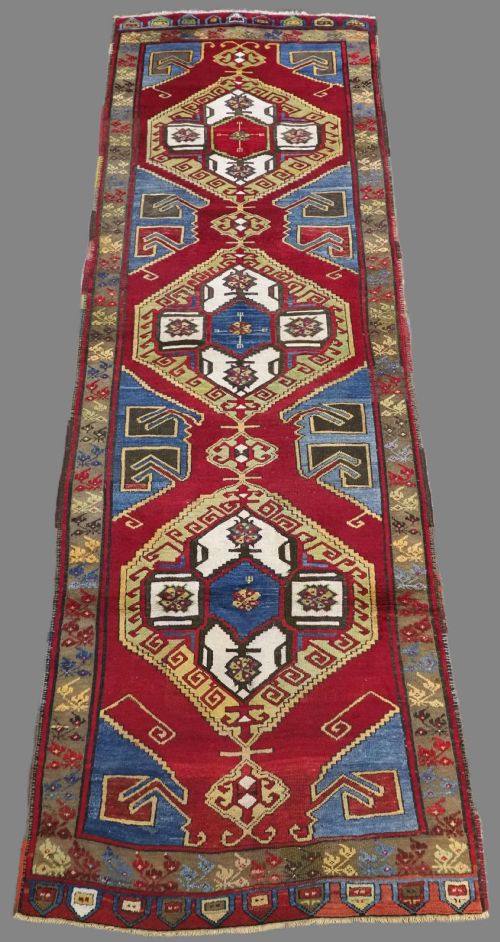


Traditional Turkish Runner
Traditional Turkish runner selections span centuries of Anatolian weaving, bringing geometric motifs and rich wool textures directly to hallway floors.
Traditional Turkish Runner
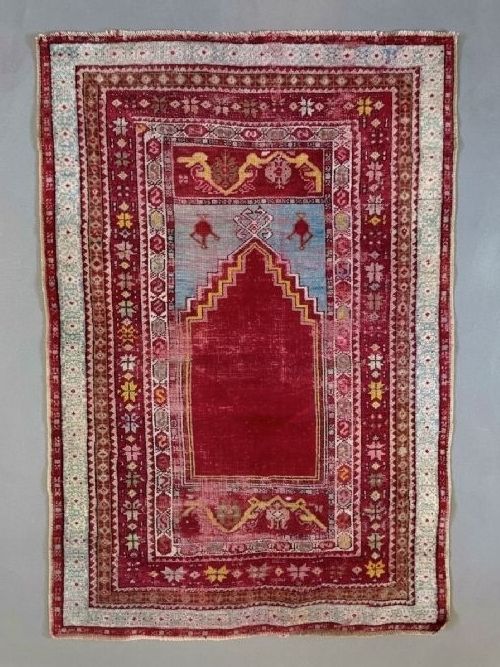
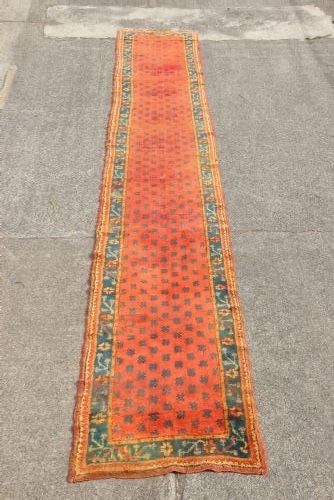
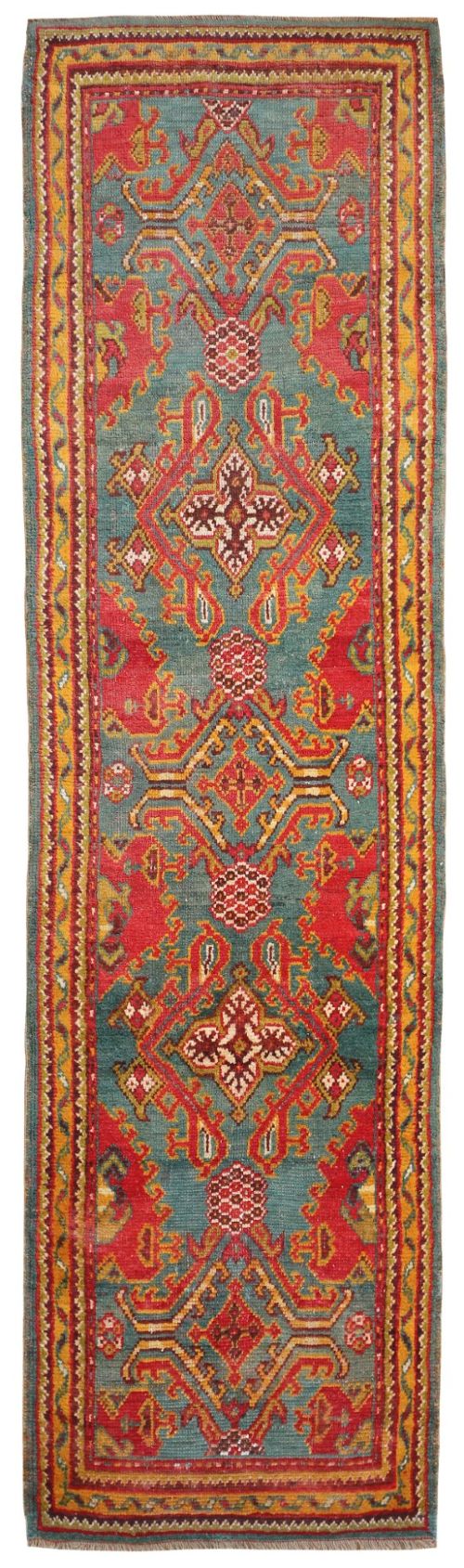
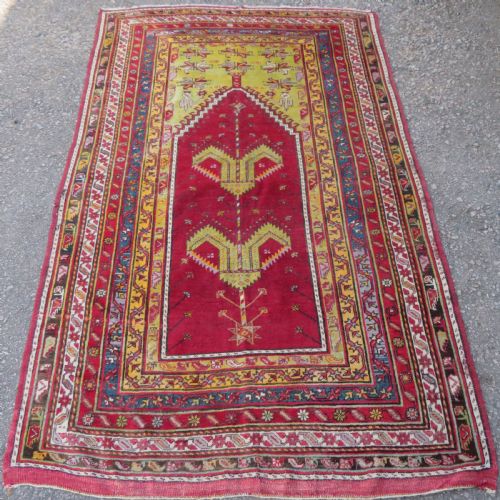
A traditional Turkish runner delivers narrow, elongated formats suited for corridors and passageways, often emerging from Anatolian village workshops and regional weaving centres. These pieces carry centuries of design heritage, ranging from tribal Anatolian geometries to classical Oushak patterns.
Most examples encountered here date from the late nineteenth century through to the early decades of the twentieth century. Village weavers utilised local techniques to produce hard-wearing floor coverings that combined utility with striking visual rhythm.
How they were made
Weavers primarily relied on hand-spun wool, cotton foundation threads, and occasionally silk or angora wool to construct these textiles. Natural dyes imbued the fleece with deep, varied tones that developed a softer patina over decades of use.
Construction methods varied between pile-woven carpets and flat-woven kelims, with individual knots tied by hand across vertical looms. Some regional pieces combined techniques, integrating half-kilim structures with knotted pile sections for varied texture.
Listings feature materials spanning wool, cotton, silk, angora wool, and mercerised cotton across multiple Anatolian weaving traditions.
What varies in quality
Quality rests upon the fineness of the knotting, the integrity of the wool, and the clarity of the dye palette. Tightly packed knots create a denser foundation that resists foot traffic far better than loosely constructed weaves.
The sophistication of the design layout and the balance of the natural dyes separate standard village pieces from exceptional regional masterworks. Crisp geometry and harmonious colour transitions indicate superior craftsmanship from the loom.
Oushak·Kirsehir·Konya Karapinar·Ladik·Yagcibedir
The Traditional Turkish Runner Glossary
- Kilim
- A flat-woven carpet or runner produced without a pile by tightly interweaving warp and weft strands. This technique creates a lightweight, reversible textile with sharp geometric patterns.
- Oushak
- A style originating from a major carpet-producing town in western Anatolia known for softer pastel palettes and large-scale floral motifs. These carpets often feature silk or fine wool elements.
- Prayer rug
- A small format textile featuring a mihrab or niche design intended to indicate the direction of prayer. These pieces frequently display specialised regional iconography.
- Anatolian
- Pertaining to the geographic region forming the Asian portion of Turkey, historically renowned for distinct tribal and village weaving traditions. The term encompasses numerous local design variations.
- Warp
- The vertical threads stretched tightly on the loom that form the structural foundation of the rug. The exposed fringe at either end of a finished runner consists of these extended warp threads.
Traditional Turkish Runner: Frequently Asked Questions
Where should I place a traditional Turkish runner?
These narrow formats suit hallways, corridors, and narrow entryways where linear floor space benefits from concentrated pattern and texture. Their elongated dimensions guide the eye along architectural pathways.
Placing them away from damp zones ensures the natural wool and cotton foundations remain preserved against moisture damage over years of domestic foot traffic.
How do I date a traditional Turkish runner?
Dating relies on assessing the dye palette, wool consistency, structural wear patterns, and regional design motifs recorded across specific decades. Earlier nineteenth-century examples often display vegetable-dyed hues with greater variation.
Comparing knot density and border styles against documented regional weaving traditions helps narrow down the period of production from the late 1800s onward.
Are these runners durable for heavy foot traffic?
Hand-knotted wool construction inherently provides robust resilience against daily wear in residential settings. Tightly packed piles absorb friction while maintaining structural integrity.
Pairing the textile with an appropriate underlay prevents slipping and cushions the foundation fibres against hard subfloors, extending the lifespan of older weaves.