





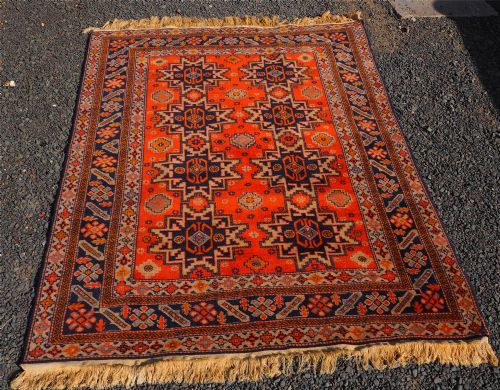
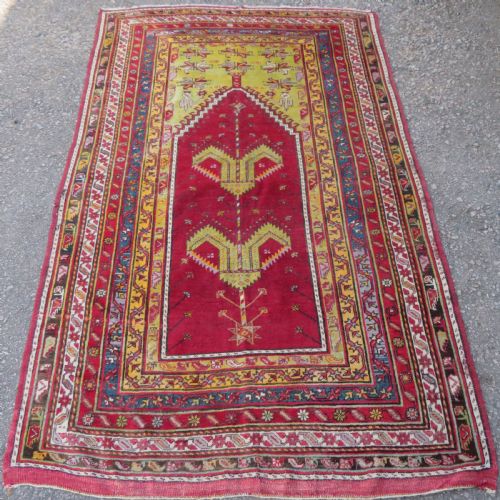
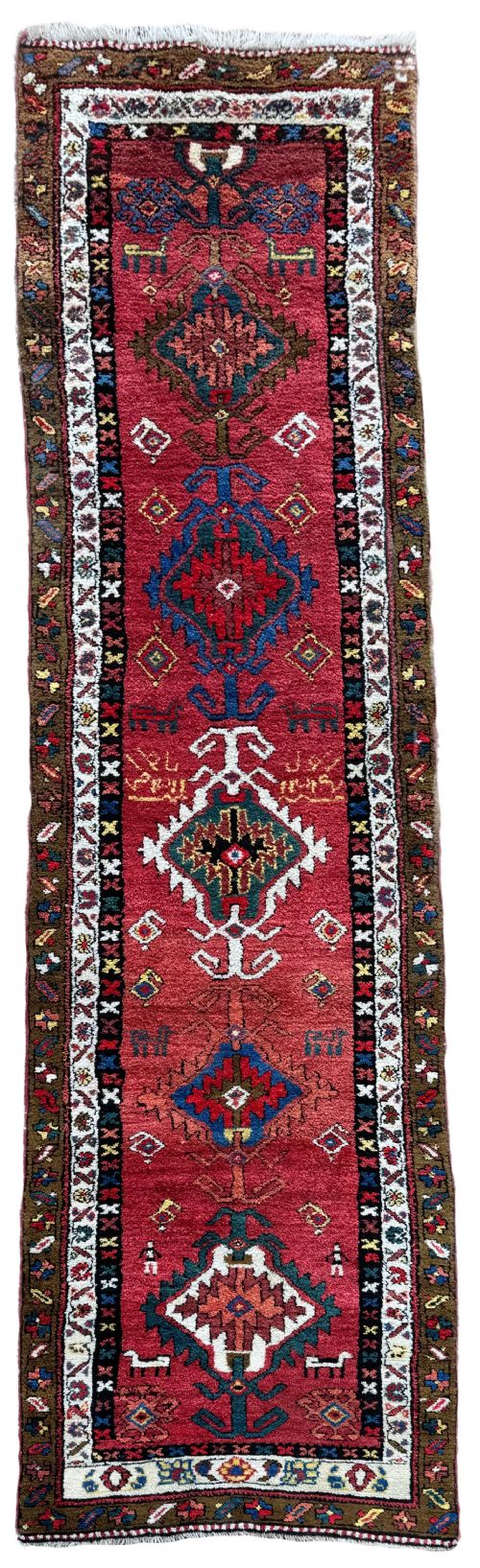
Traditional Tribal Runner Rug
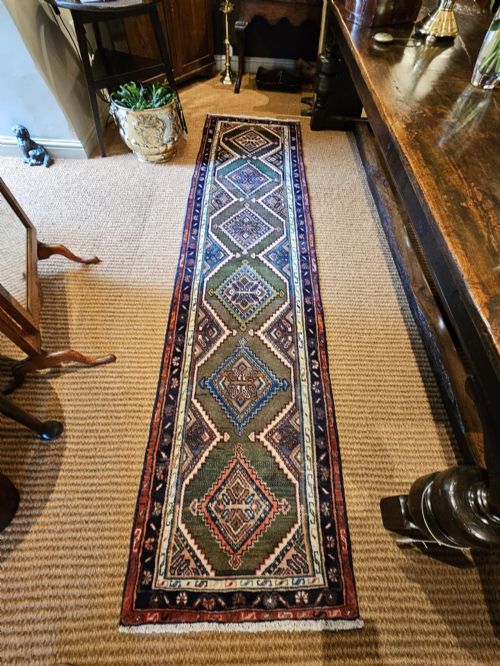
A traditional tribal runner rug brings warmth and geometric rhythm to a long hallway, woven by village and nomadic hands.
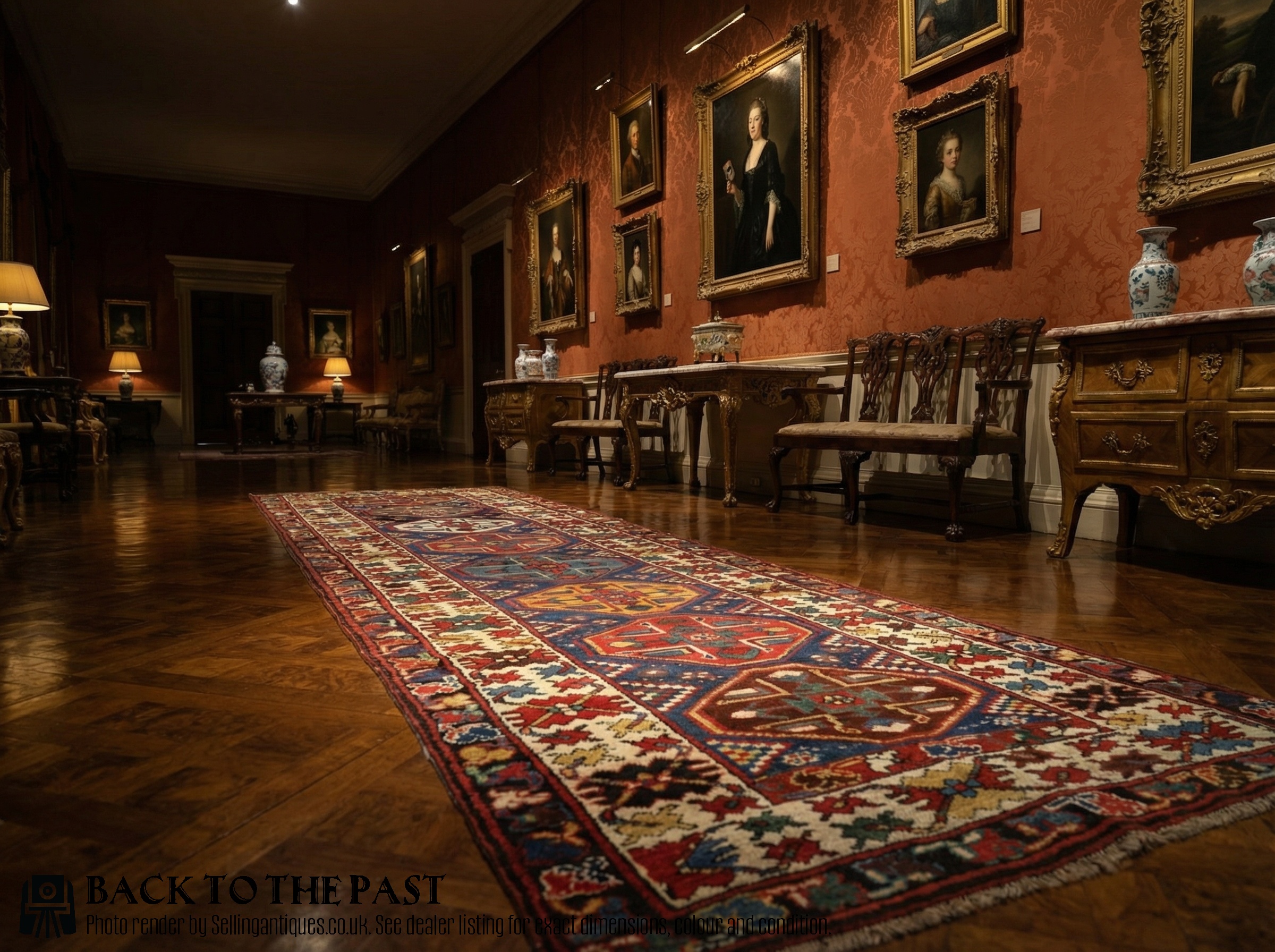
Traditional Tribal Runner Rug
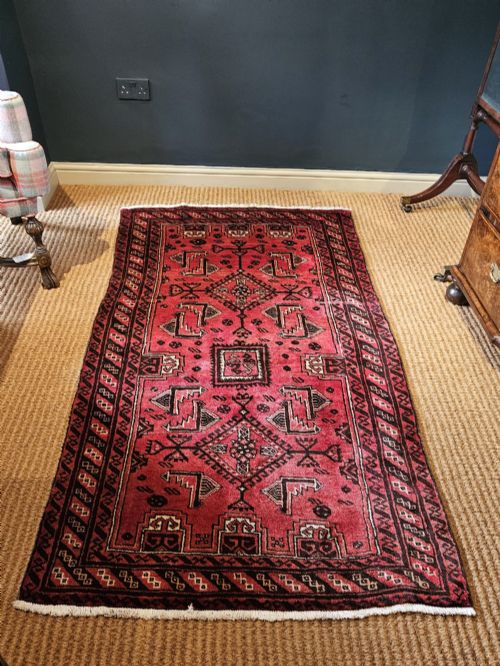
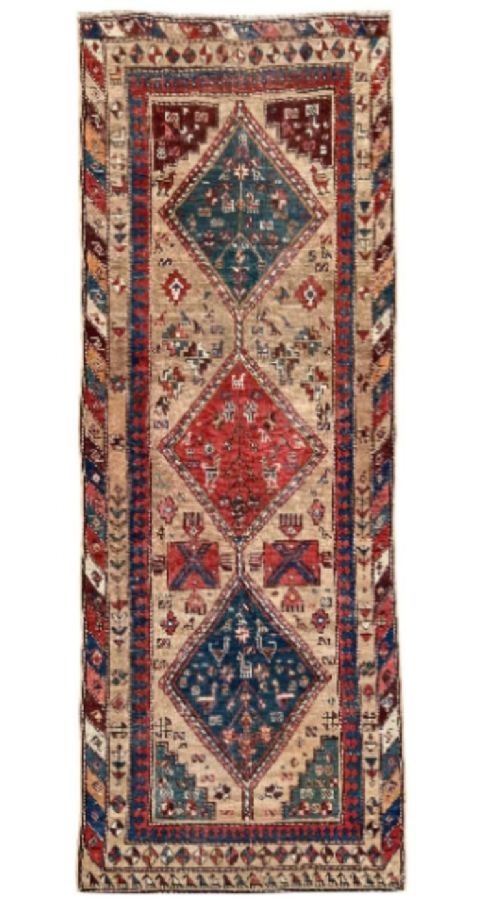
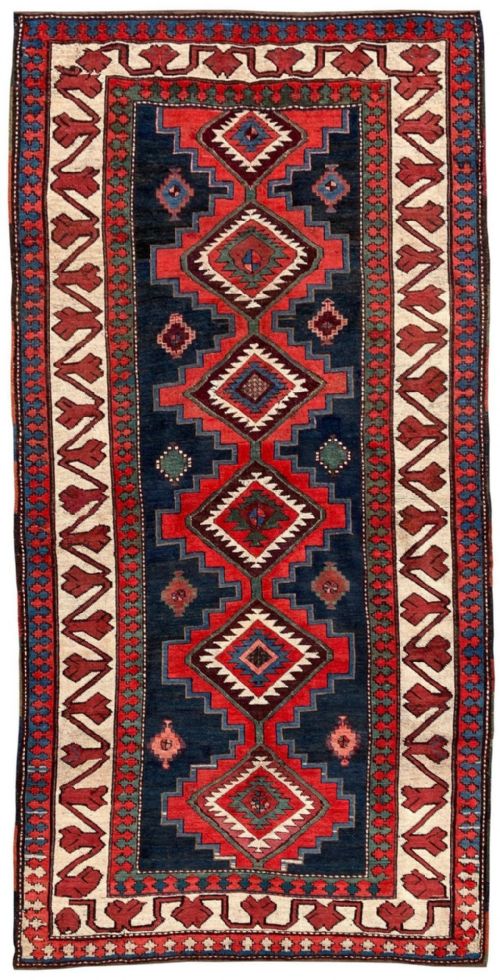
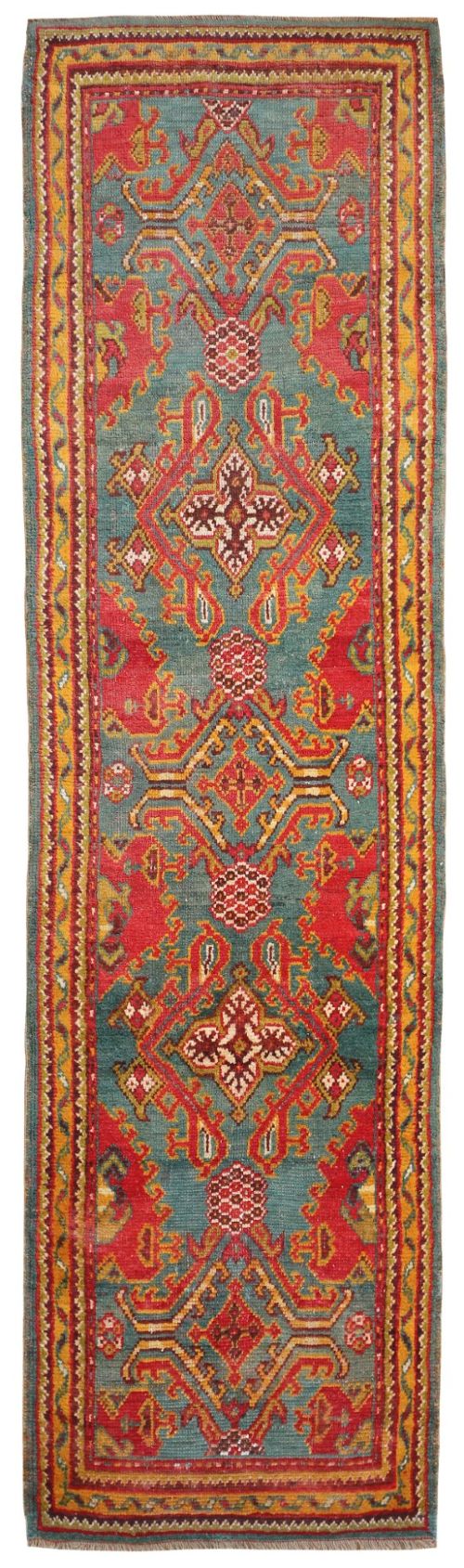
A traditional tribal runner rug is a long, narrow textile designed for corridors, staircases and narrow rooms, combining practical utility with expressive regional patterns. These pieces emerge from nomadic and village traditions across Persia, the Caucasus, Anatolia, and Central Asia, dating from the nineteenth century through the early twentieth century.
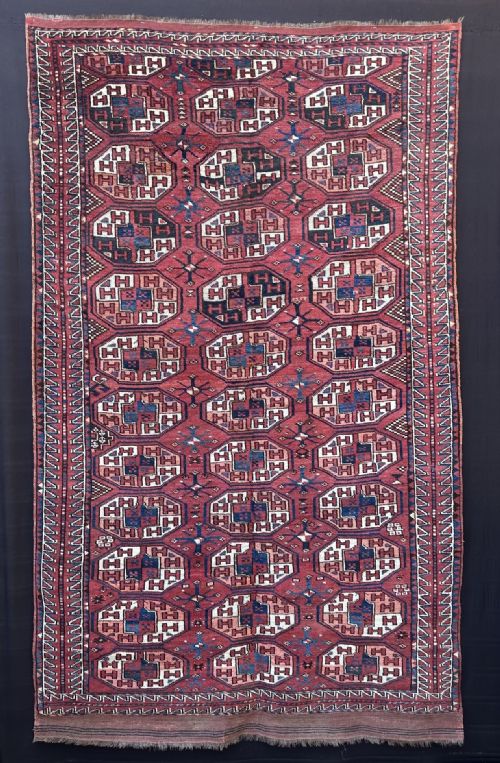
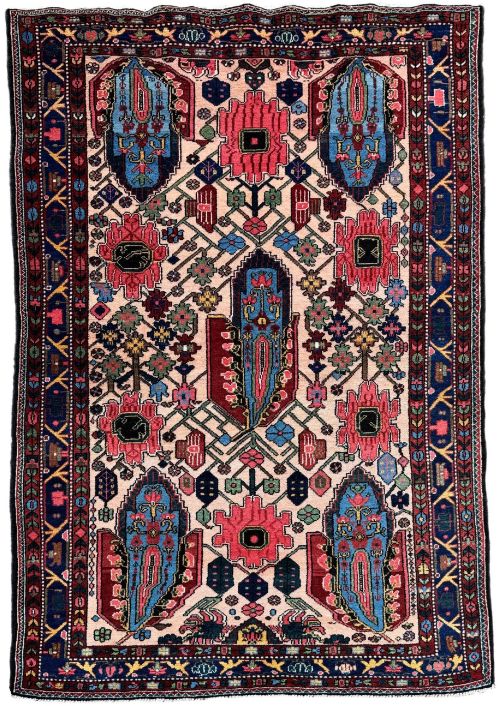
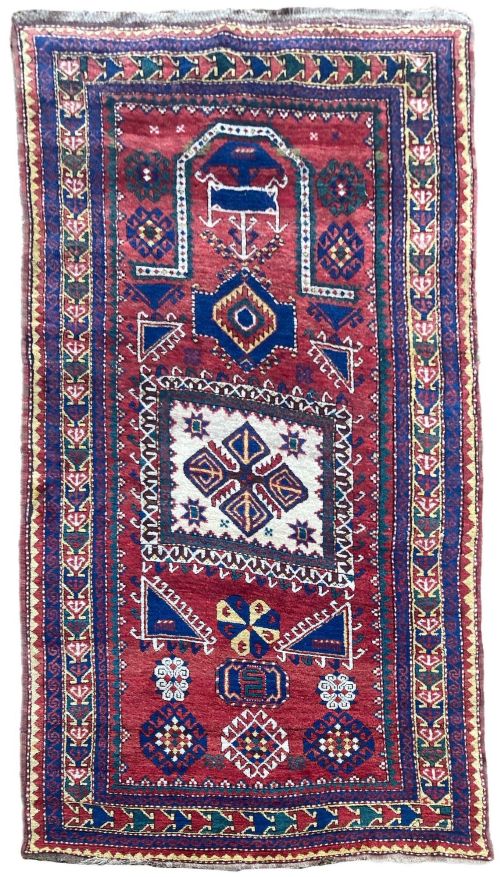
Buyers meet examples featuring characteristic tribal motifs, geometric medallions, and repeating field designs. Formats range from narrow hallway runners to elongated Kurdish and Caucasian pieces woven on flexible looms.
How They Were Made
Weavers constructed these textiles primarily using hand-spun wool and pure wool piled onto sturdy cotton or wool foundations, occasionally incorporating camel hair for natural tone and durability. Natural dye sources provided deep, saturated pigments that mellow gracefully over decades of use.
Nomadic and village workshops employed knotting techniques specific to their region, tying symmetrical or asymmetrical knots by hand. The resulting pile provides a dense, resilient surface suited to heavy foot traffic in domestic spaces.
Listings span periods from the nineteenth century through the 1930s, utilising wool, cotton, and camel hair across Persian, Caucasian, and Anatolian origins.
What Varies in Quality
Quality rests upon the fineness of the weave, the clarity of the geometric drawing, and the integrity of the original wool pile. Tightly packed knots and secure side cordings indicate superior structural construction.
The sophistication of the palette and the complexity of tribal symbols distinguish finer village weaving from standard utility pieces. Balance in the border proportions and precision in the repeat patterns separate regional masterpieces from simpler workshop output.
The Traditional Tribal Runner Rug Glossary
- Pile
- The upright loops or cut ends of yarn that form the soft surface of the rug. It provides the texture and protects the foundational warp and weft threads beneath.
- Warp
- The vertical threads stretched tightly on the loom before weaving begins. The pile knots are tied around these stationary foundation cords.
- Weft
- The horizontal threads passed alternately over and under the warp threads after each row of knots. This locks the pile rows firmly in place.
- Gul
- A medallion or repeating octagonal motif frequently found in Central Asian and Baluch weaving. Each tribe utilised distinct variations of these primary design elements.
Traditional Tribal Runner Rug: Frequently Asked Questions
How do I clean a wool runner?
Regular gentle vacuuming without a rotating brush bar removes surface grit from the wool pile. Professional specialist cleaning is necessary for deep washing to protect the natural dyes.
Water exposure must remain controlled to prevent dye bleed or foundation shrinkage. Allowing the textile to dry flat avoids distortion of the long runner shape.
Where should I place a runner?
Hallways and narrow corridors provide the traditional setting for these elongated formats, protecting timber floors while adding colour. Landings and galley kitchens also accommodate the narrow proportions effectively.
Using an appropriate underlay prevents slipping and cushions the wool against hard flooring. Positioning the runner away from direct, harsh sunlight preserves the natural wool dyes over time.
How do I identify a tribal rug?
Tribal pieces display asymmetrical or stylised geometric motifs rather than rigid court-designed curves. Village and nomadic weavers worked from memory, introducing organic variations into the repeating patterns.
Materials typically include hand-spun wool with slight irregularities in texture and colour. Irregular borders and spontaneous colour changes point directly to nomadic production.
Are these rugs durable for daily use?
Dense wool pile combined with sturdy traditional foundations creates a resilient surface suited to high-traffic areas. The natural lanolin in hand-spun wool resists dirt and repels moisture effectively.
Rotating the runner periodically ensures even wear along the length of the corridor. Proper placement with a quality rug pad prevents friction against the floorboards.