





Traditional Tribal Persian Rug
A traditional tribal persian rug brings centuries of village craftsmanship and geometric designs directly into a hallway or living space.
Traditional Tribal Persian Rug
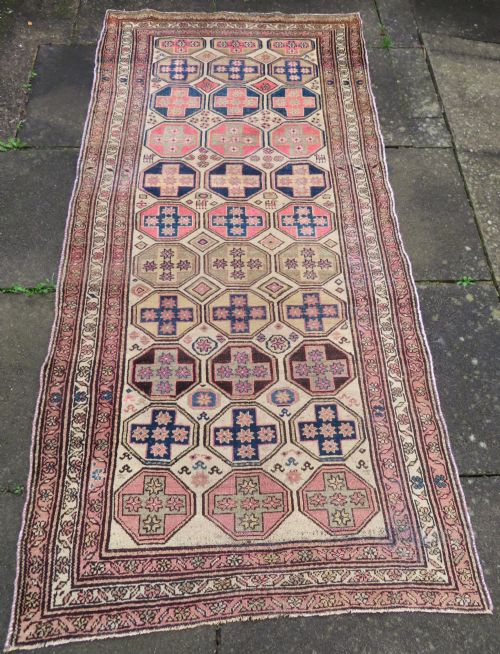
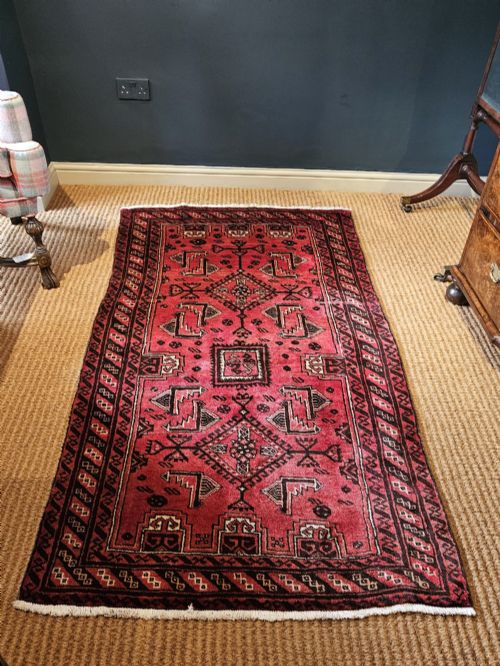
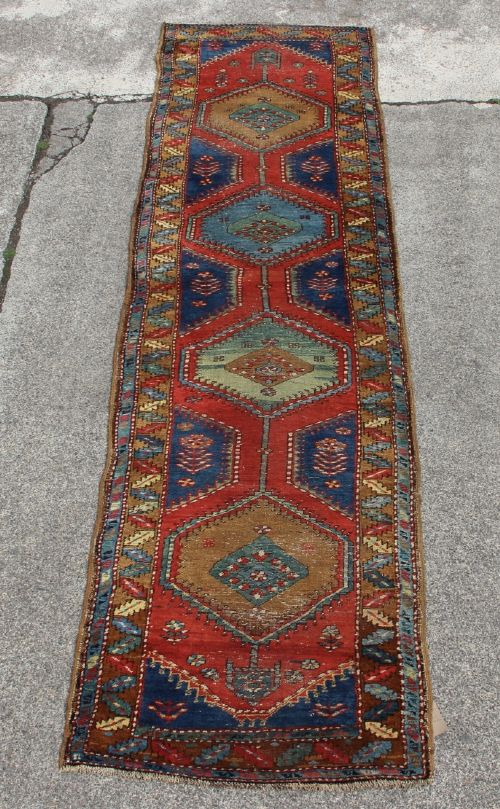
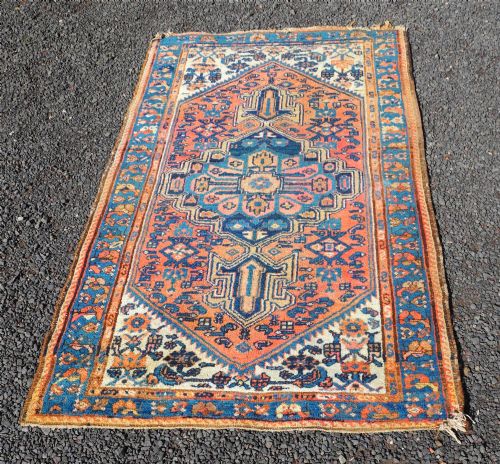
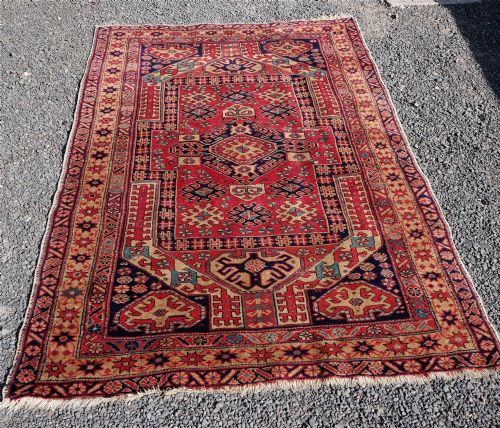
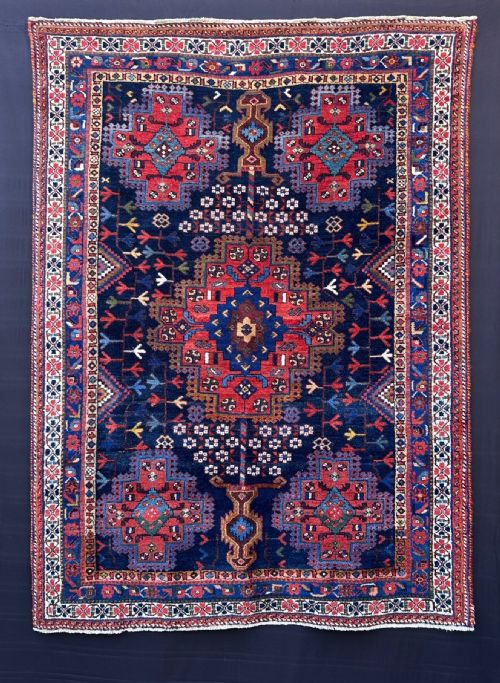
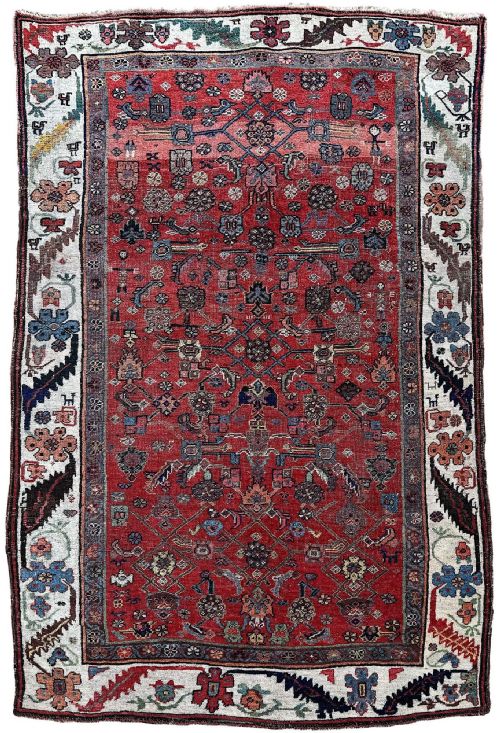
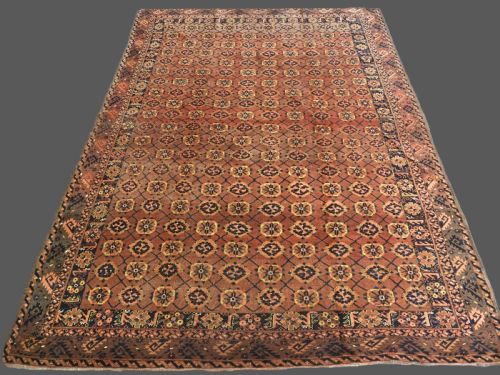
A traditional tribal persian rug encompasses antique village and nomadic weaving traditions originating from various regions across Persia and surrounding areas. Buyers seeking these pieces encounter formats ranging from smaller area rugs and hearth sizes to expansive carpets and long hallway runners.
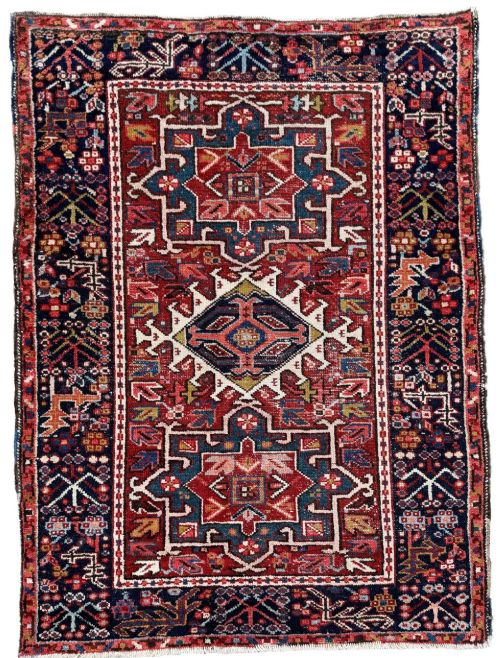
The inventory spans several decades of production, incorporating nineteenth-century pieces alongside examples dated through the early twentieth century. Common stylistic classifications include specific tribal groups and regional hubs such as Bakhtiar, Hamadan, Karaja, Bidjar, and Heriz.
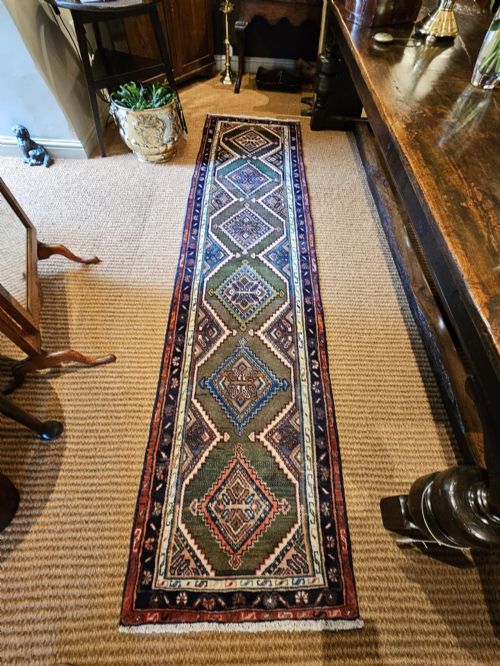
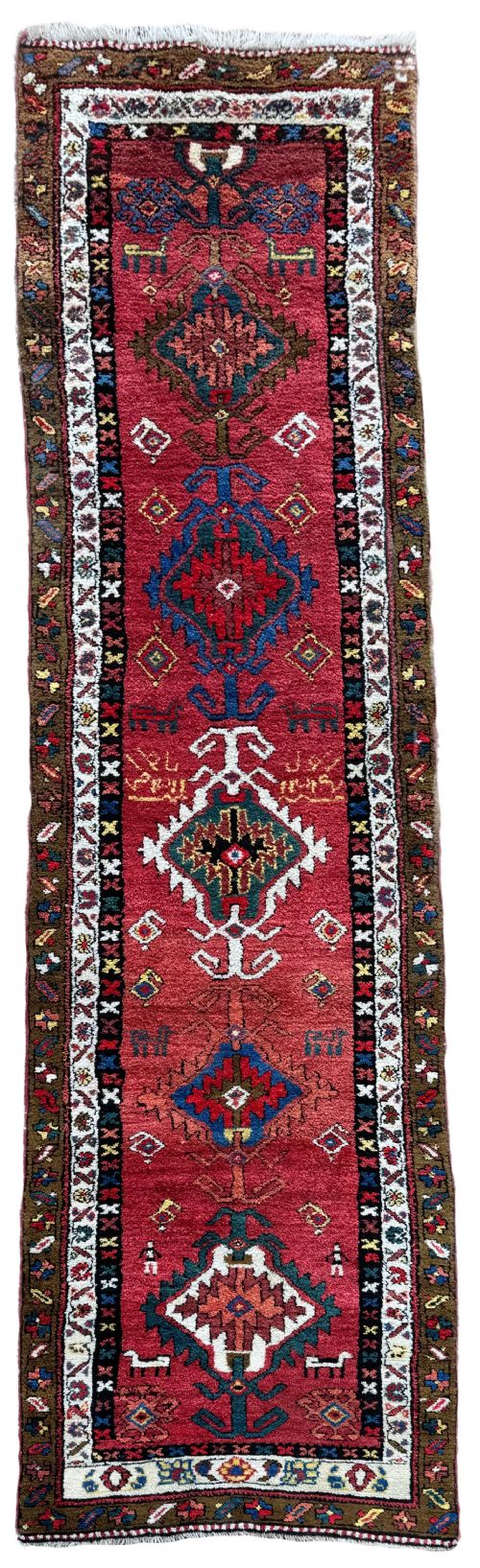
Formats divide naturally between square or rectangular floor coverings and narrow runner rugs designed for corridors. Each piece reflects the distinct aesthetic heritage of the weavers who produced them in village settings.
How they were made
Construction relies heavily on durable wool pile foundation materials combined with cotton or wool warps andwefts. Many examples incorporate natural dyes that yield rich olive greens, warm reds, and deep navy blue backgrounds.
Weavers hand-knotted these floor coverings using traditional village techniques, frequently integrating geometric medallions, lattice patterns, and repeating guls. Camel hair appears in certain regional weaves, adding natural variation to the pile texture and colour palette.
Certain antique runners manage to outlast the floorboards beneath them by several decades.
What varies in quality
Quality in a traditional tribal persian rug rests upon the tightness of the knotting and the integrity of the foundation. Densely packed wool pile contributes to longevity, particularly in pieces intended for high-traffic hallways.
The depth and stability of natural dyes influence visual appeal, with well-preserved colour variations distinguishing superior examples. Structural consistency across the borders and field indicates careful hand-weaving execution.
The Traditional Tribal Persian Rug Glossary
- Runner
- A long, narrow carpet format traditionally utilised in hallways, corridors, and narrow passageways. These pieces measure significantly longer than they are wide.
- Gul
- A repeating medallion or octagonal motif frequently found in tribal and nomadic carpet designs. This pattern often serves to identify specific weaving groups.
- Kelleh
- A large format carpet that is longer than a standard broadloom piece while remaining narrower than a full-size room carpet. These rectangular formats suit specific room proportions.
- Medallion
- A prominent central ornamental design motif placed in the middle of the rug field. This geometric or floral focal point structures the overall composition.
- Kilim
- A flat-woven carpet or rug produced without a pile. These pieces offer a lighter structure and distinct texture compared to knotted wool rugs.
Traditional Tribal Persian Rug: Frequently Asked Questions
Where should I place a runner rug?
Runner rugs suit narrow spaces such as hallways, corridors, and galley kitchens where length matters more than width. Their elongated format bridges rooms while protecting wooden flooring.
Placing a suitable underlay beneath the runner helps keep the rug stable on smooth surfaces. This placement adds warmth and historical character to functional transitional areas in the home.
How do I identify a village rug?
Village rugs typically feature geometric motifs, stylized animal forms, and repeating lattice designs rather than formal court patterns. These compositions reflect the independent aesthetic choices of nomadic and regional weavers.
Materials like hand-spun wool and natural dyes further point toward traditional village production methods. Examining the back of the rug reveals irregularities characteristic of hand-knotted construction.
Are wool rugs durable for daily use?
Wool pile provides natural resilience and elasticity, allowing rugs to withstand regular foot traffic in living areas and hallways. The natural lanolin present in the fibre helps resist everyday dirt and moisture.
Routine care involving gentle vacuuming without a beating brush maintains the pile condition. These traditional textiles handle everyday domestic life successfully when positioned properly.
What is camel hair used for?
Undyed camel hair appears in the pile of specific regional tribal rugs to provide a soft, warm background tone. This natural fibre adds subtle textural variation and durability to the weave.
Weavers utilised this material alongside sheep wool to incorporate natural colour variation without relying on manufactured dyes. Its presence often indicates specific nomadic production traditions.