



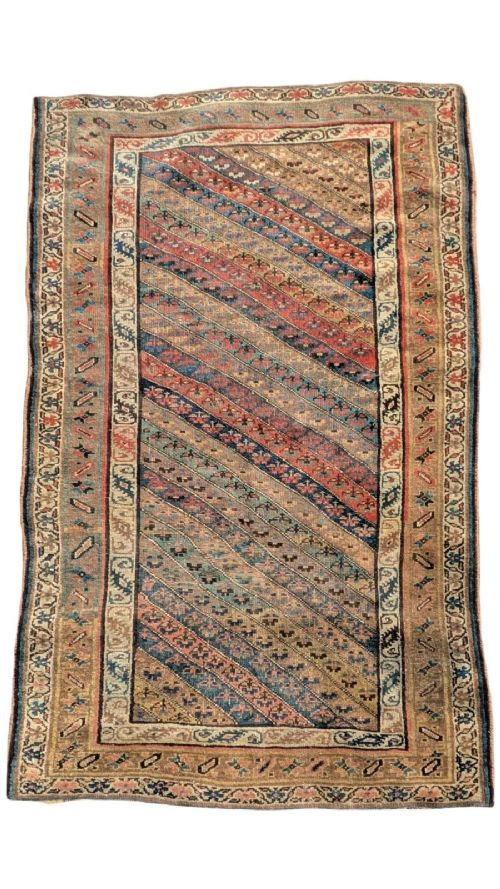
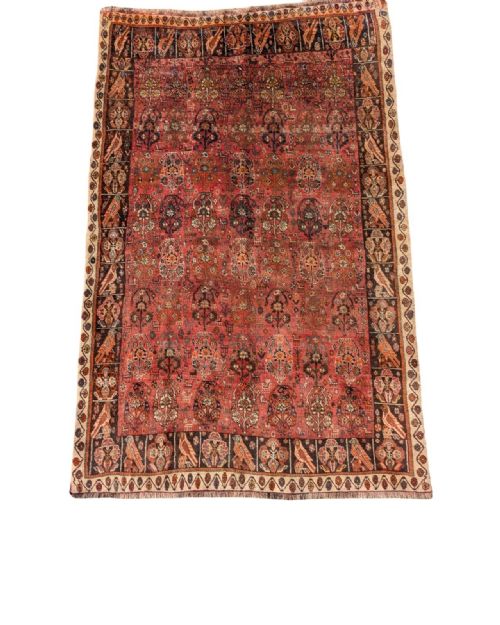
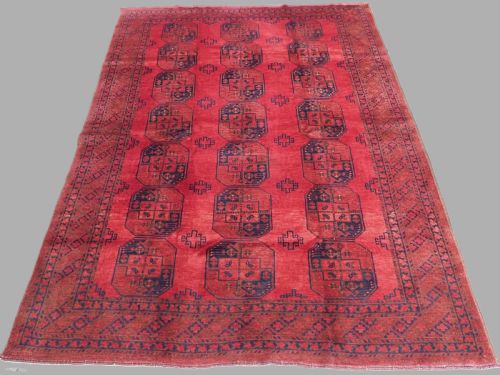
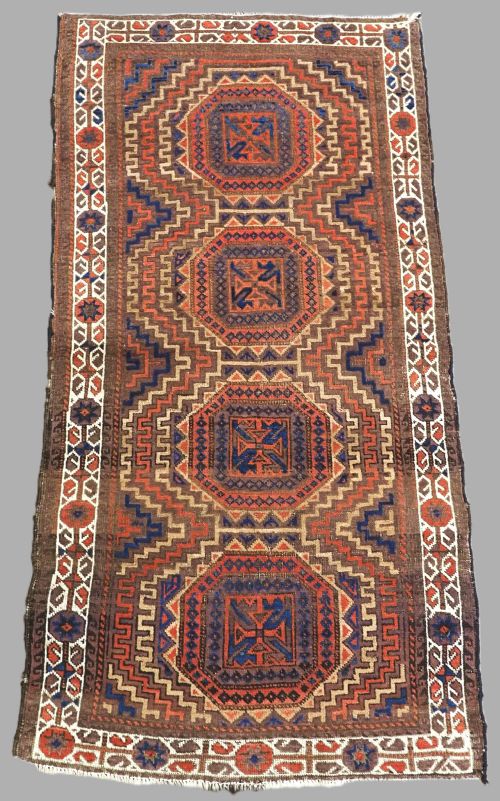
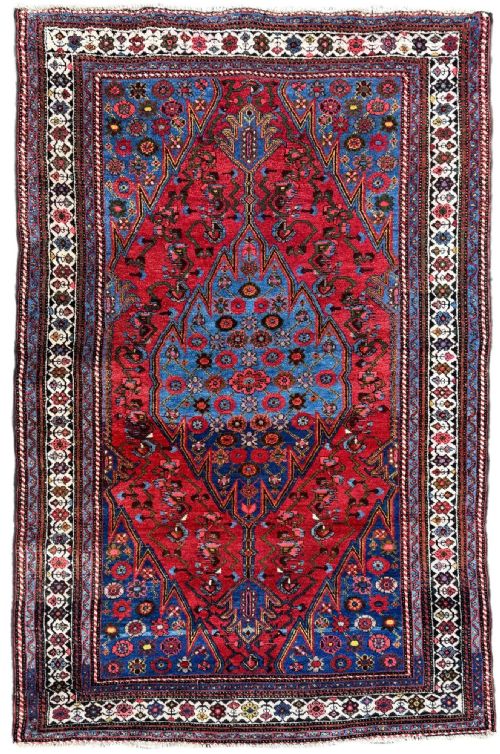
Traditional Tribal Floor Rug
A traditional tribal floor rug brings weight, distinct regional patterns and genuine history straight to your floorboards.
Traditional Tribal Floor Rug
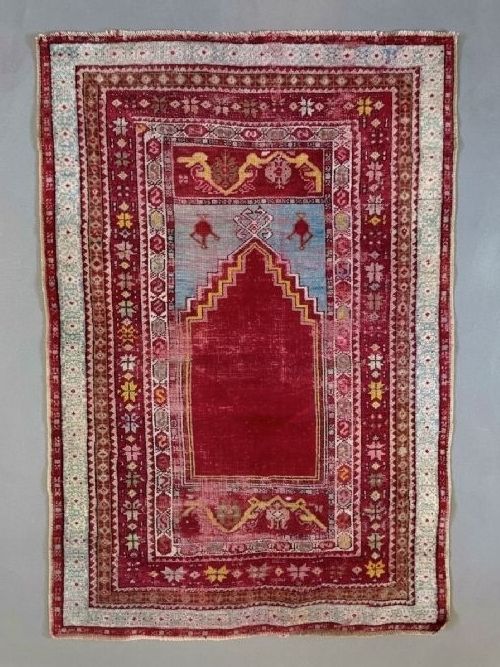
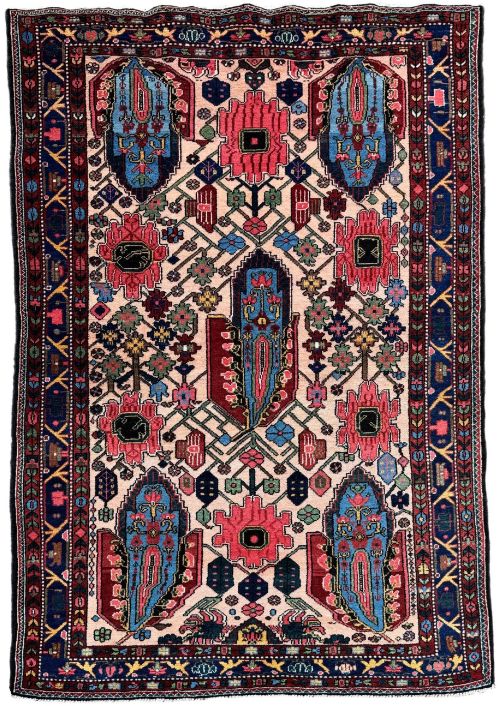
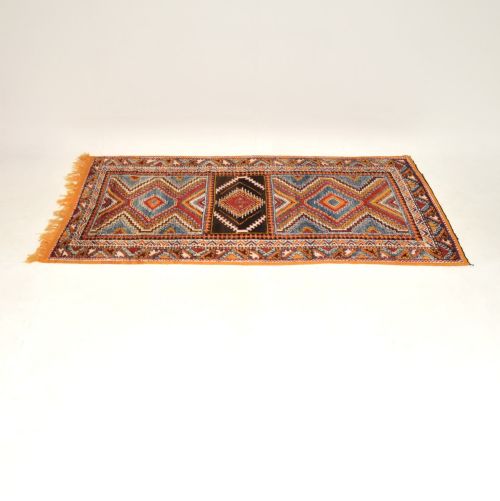
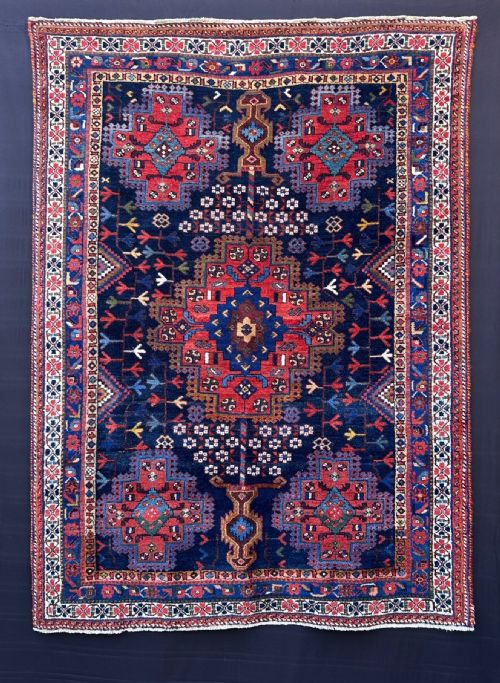
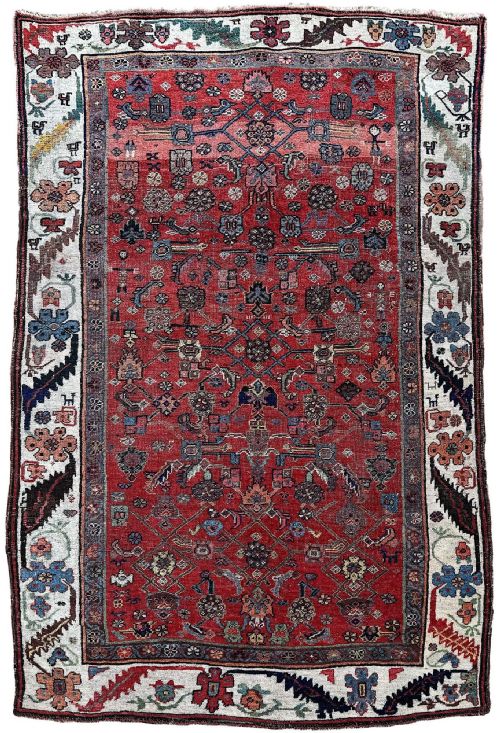
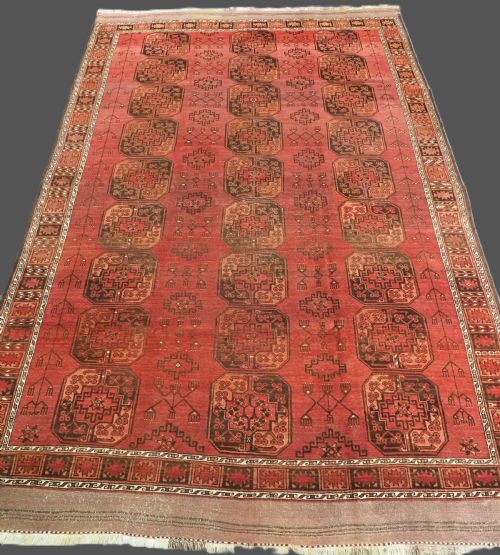
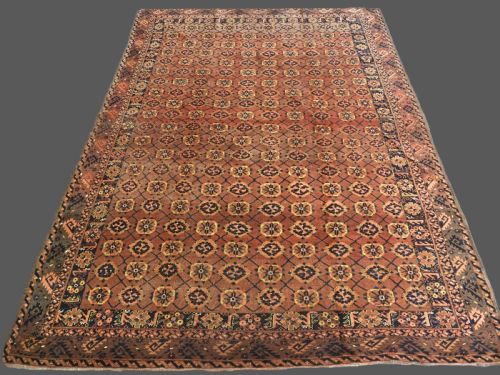
When you search for a traditional tribal floor rug, you encounter floor coverings woven by village, nomadic and confederacy groups across Persia, the Caucasus, Turkmenistan and Turkey. The pieces on this page span from the late nineteenth century into the early decades of the twentieth century, taking forms such as area rugs, long runners and large carpets.
The aesthetic relies heavily on geometric motifs, repeating medallions and traditional village designs rooted in specific regional identities. You will find examples ranging from compact hearth-sized mats to expansive carpets woven for tribal tents and country houses.
How They Were Made
These floor coverings are handwoven using wool foundations and surface piles, frequently supported by cotton elements in later village pieces. Artisans relied upon natural dyes to achieve deep red, navy blue and earthy polychrome palettes that soften gradually with age.
The construction relies on sturdy hand-weaving traditions practiced by specific tribes and village regions, resulting in dense, durable piles meant to withstand daily domestic use.
Some runners are narrow enough to make you wonder if hallways were narrower a century ago.
What Varies in Quality
The distinction between standard village production and finer examples lies in the precision of the knotting, the saturation of the natural dyes and the crispness of the tribal geometry. Superior pieces exhibit exceptional wool quality that retains a rich lustre and supple handle despite decades of service.
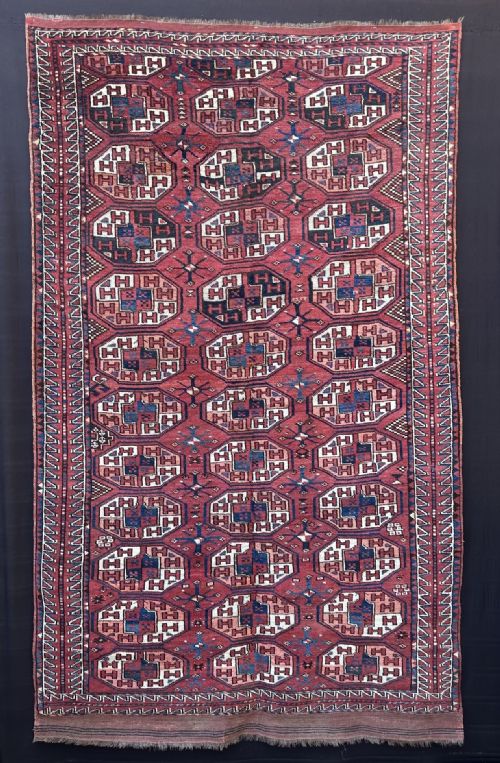
Artistic execution also separates the ordinary from the remarkable, where well-balanced proportions and complex tribal guls demonstrate the weaver's complete mastery of their regional design vocabulary.
The Traditional Tribal Floor Rug Glossary
- Gul
- A repeating medallion or octagonal design motif frequently found in Turkmen and Baluch tribal carpets. It often serves as a primary clan identifier.
- Runner
- A long, narrow carpet format designed specifically for hallways, corridors or narrow rooms. These maintain proportional geometry over an elongated axis.
- Kelleh
- A large format carpet traditionally proportioned as a long rectangle, narrower than a main room carpet but broader than a standard runner.
- Natural Dyes
- Organic colouring agents derived from plants, insects and minerals used before the widespread adoption of synthetic alternatives. They yield complex, harmonious hues that age gracefully.
- Pile
- The cut or uncut vertical loop surface of the rug that forms the soft nap and carries the woven pattern. Its density dictates the durability of the textile.
Traditional Tribal Floor Rug: Frequently Asked Questions
Where were these rugs made?
These textiles originate from nomadic and village workshops across Persia, the Caucasus, Turkmenistan and Anatolia. Each region developed distinct weaving traditions and geometric vocabularies.
Specific areas include South Persia, the Caucasus mountains, and Central Asian tribal territories.
How do I clean a tribal rug?
Maintenance requires gentle vacuuming without the beater bar to protect the wool pile and fringe edges. Professional specialist cleaning is recommended for deep maintenance.
Avoid harsh chemical treatments and excessive moisture to preserve the natural wool fibres and dye integrity.
Can I use these in high traffic areas?
The dense wool construction and sturdy hand-woven foundations make these textiles well-suited for everyday domestic use. Hallway runners and area rugs handle regular foot traffic effectively.
Placing a quality underlay beneath the rug prevents slipping and reduces friction against hard flooring.
How do I identify different tribal designs?
Identification relies on analyzing the specific structural motifs, colour palettes and regional knotting styles characteristic of different tribes and confederacies. Turkmen pieces feature distinct guls, while Caucasian pieces display bold geometry.
Comparing border patterns and secondary motifs helps pinpoint origin provinces like Afshar, Bakhtiar or Kazak.