

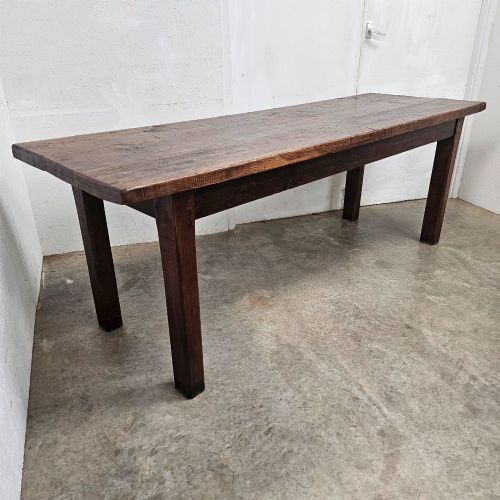


Traditional Tavern Table
A traditional tavern table anchors a room with solid timbers and decades of hard use, offering sturdy footing for dining or gatherings.
Traditional Tavern Table
A traditional tavern table encompasses robust dining tables, pub tables, refectory tables, and cricket tables built for communal use. These pieces trace back across the 17th century, Georgian, Victorian, and Edwardian periods.
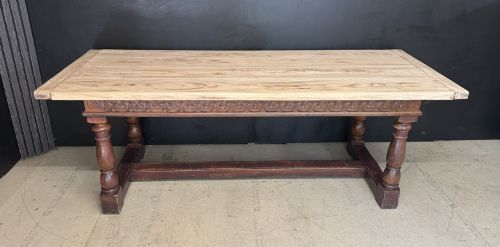
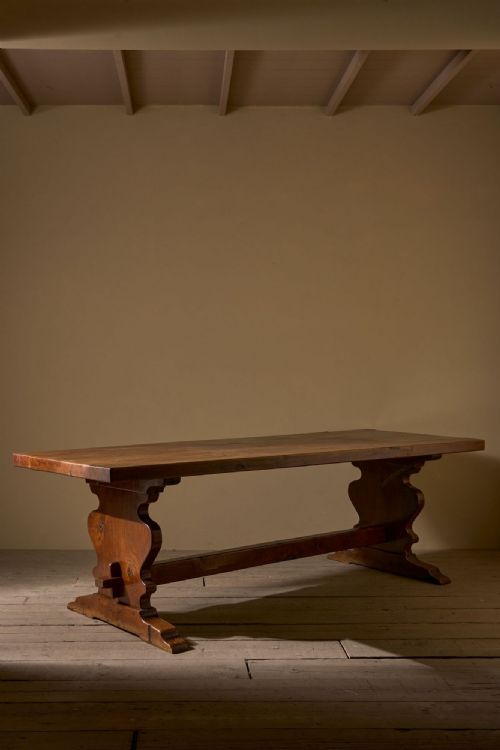
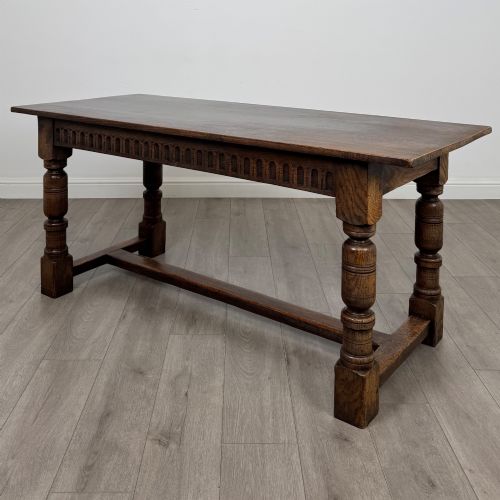
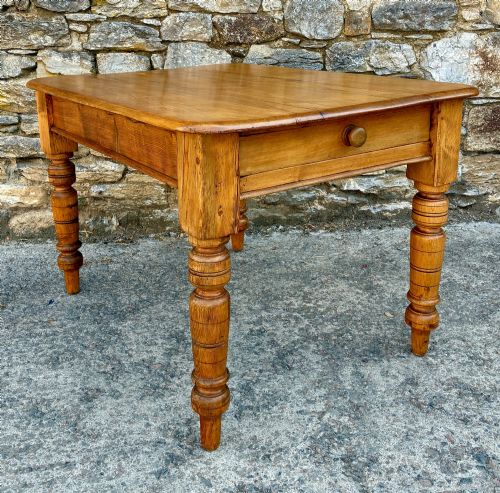
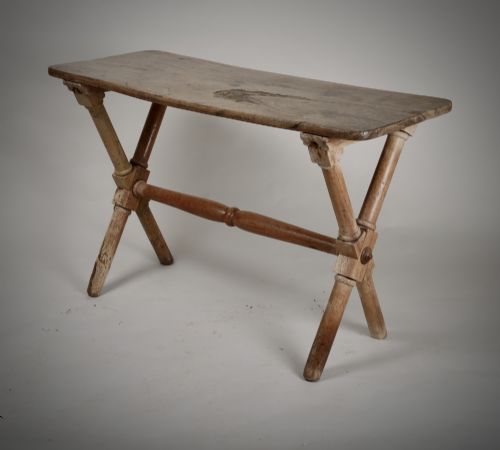
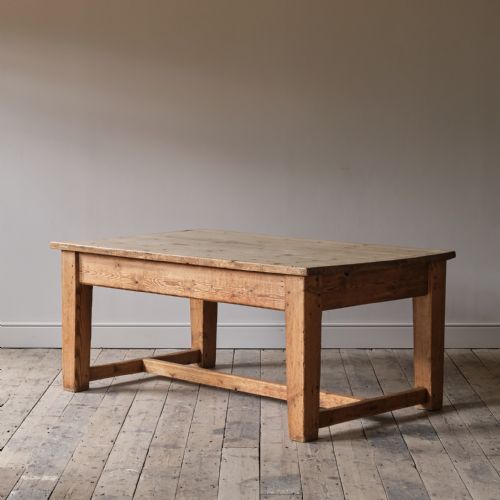
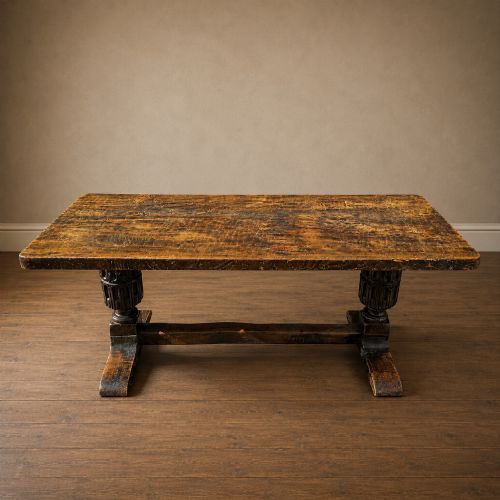
The version most commonly met on this page is the sturdy oak or pine refectory and tavern form, often featuring thick tops and trestle or X-framed bases. They serve readily as kitchen tables, side tables, or long dining surfaces.
How they were made
Construction relies heavily on durable timbers like oak, pine, elm, yew, and mahogany, frequently shaped into thick single plank tops with cleated ends. Makers joined these woods with pegged joints and sturdy trestle frames.
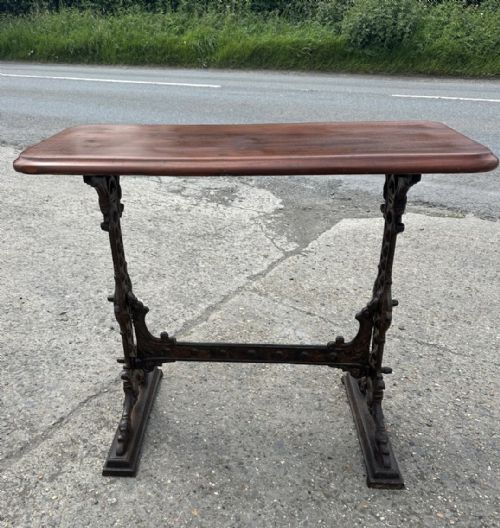
Some examples incorporate cast iron bases, particularly in Victorian pub tables, while others display painted surfaces or stained finishes over the underlying wood.
Traditional Tavern Table Retail Price Guide 2026
Typical asking prices for traditional tavern table among the pieces listed under this phrase on Sellingantiques today, from the lower quarter to the upper quarter. They describe what is for sale here now, not the wider market.
The listings span from the 17th century through the Victorian era to the 1920s, constructed in oak, pine, elm, mahogany, and cast iron.
What varies in quality
Quality rests in the choice of timber and the integrity of the construction, such as single plank elm tops or substantial pollard oak surfaces. Tables retaining original paint, deep patination, and thick framing stand apart from later reproductions.
Proportion and structural balance dictate the finer pieces, where hand-joined timbers and authentic period hardware remain intact through centuries of use.
The Traditional Tavern Table Glossary
- Refectory table
- A long narrow dining table traditionally used in monastic refectories and later adopted for domestic and tavern dining. They often feature trestle bases and long stretchers.
- Cricket table
- A small three-legged occasional table, typically round, originating from the 18th century or earlier. The three legs ensure stability on uneven floors.
- Cleated ends
- Wooden battens fixed across the grain at the ends of a table top to prevent warping. This method allows the timber to expand and contract naturally.
- Patina
- The surface sheen and colour developed over decades of handling, cleaning, and exposure to light. It serves as an indicator of age and genuine wear.
Traditional Tavern Table: Frequently Asked Questions
Where were these tables used?
These tables served in public houses, inns, and large domestic kitchens for dining and social gatherings.
Their robust construction was designed to withstand daily commercial and family use.
How do I care for timber tops?
Maintain the wood by applying natural wax sparingly and avoiding excessive moisture on unsealed surfaces.
Keep them away from direct heat sources to prevent the timber from splitting.
Are these tables suitable for modern dining?
Many examples provide generous length and sturdy footing suited to contemporary dining rooms or kitchens.
Check clearance heights, as older tables often have lower aprons than modern counterparts.
How can I tell the period?
Dating relies on timber selection, tool marks, joinery methods, and the natural wear accumulated on the surfaces.
Earlier pieces from the 17th and 18th centuries show hand-sawn boards and pegged joints distinct from later work.