


Traditional Table Lamps
Traditional table lamps bring historic metalwork, brass columns and polished timber to a room, offering warm illumination and timeless character.
Traditional Table Lamps
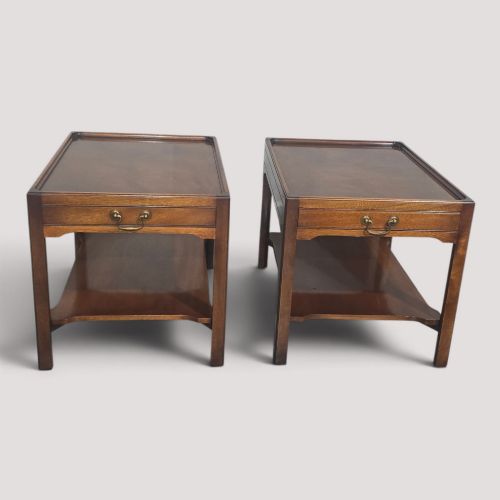
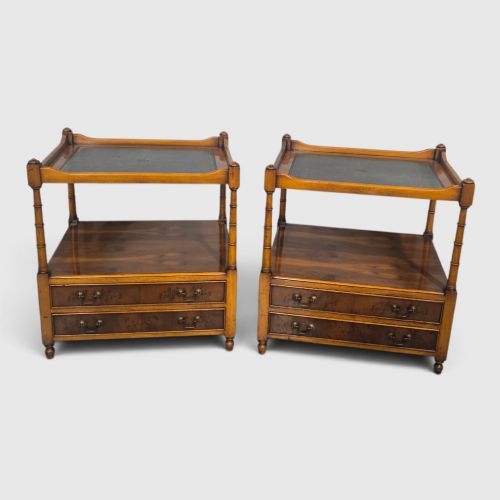
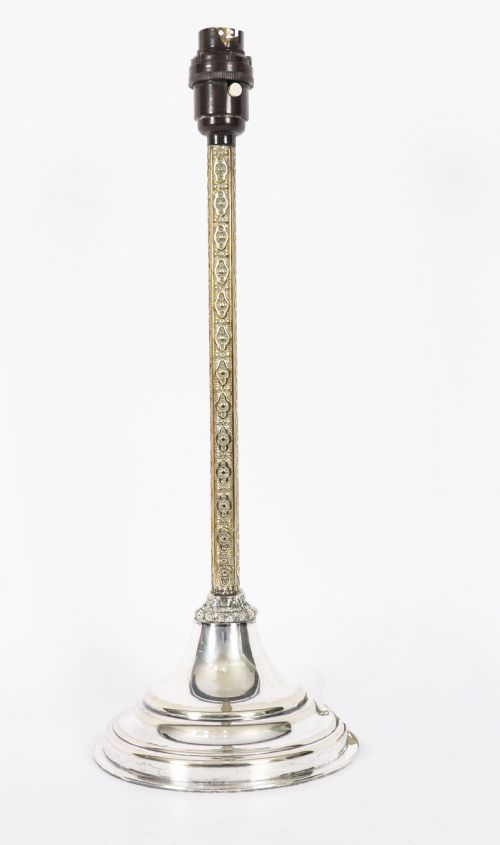
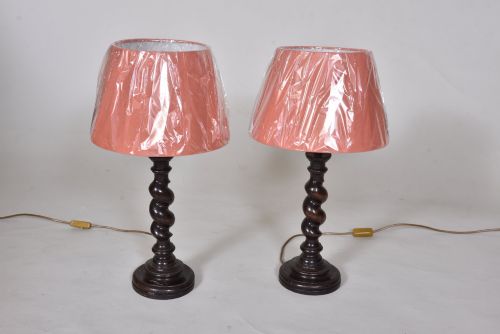
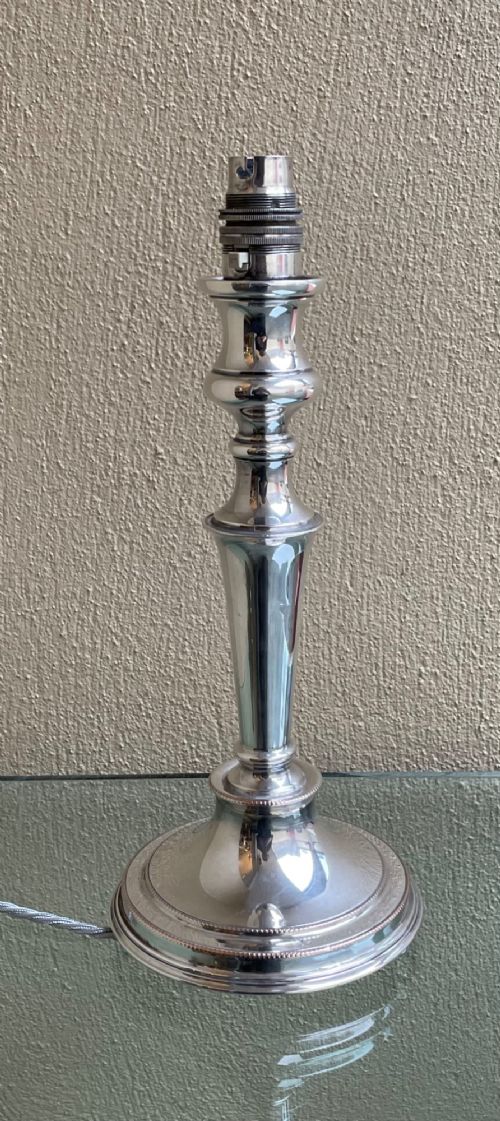
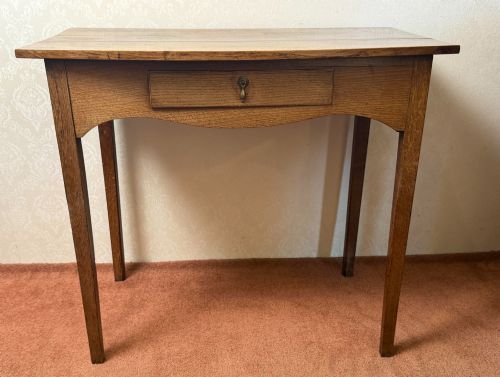
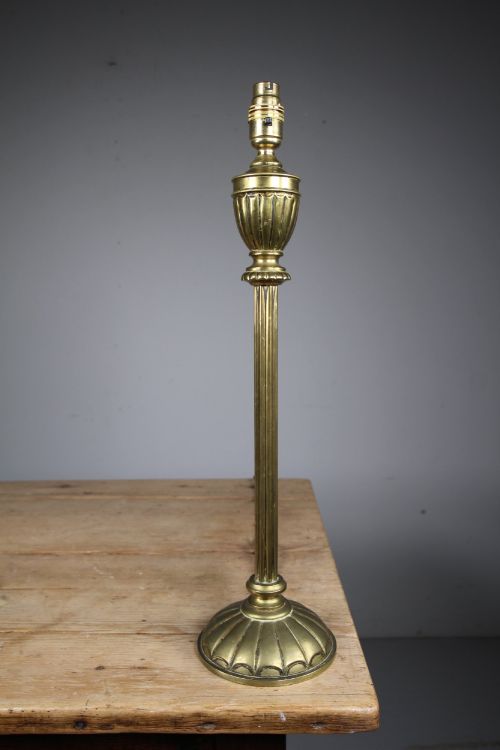
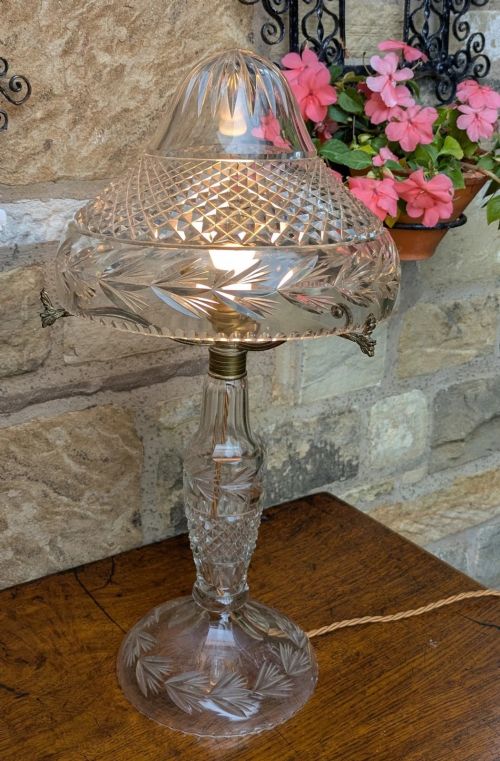
Traditional table lamps encompass various historic lighting pieces, ranging from brass columns to metal desk reading lights and glass designs. These fittings frequently appear alongside small timber occasional tables, wine tables and lamp tables in the listings.
Originating largely from British and European workshops, these items serve both functional and decorative roles in traditional interiors. The selection combines genuine antique lighting fixtures with surfaces designed specifically to support them.
Materials and construction methods
Makers utilised solid brass, silver plate, bronze and cut crystal for the lamp bodies, frequently mounting metal standards onto marble or timber bases. Joinery on the associated tables relies on traditional methods involving mahogany, oak, walnut and yew.
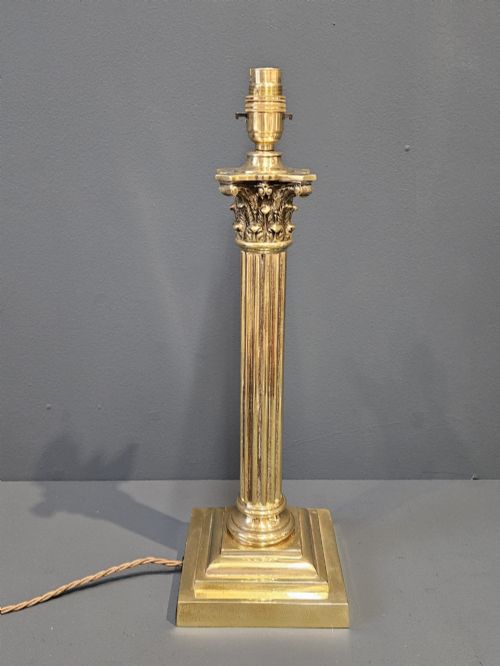
Surface treatments include parcel gilding, polished wood finishes and specialised green toleware coatings. Metal components often feature cast detailing, such as Corinthian capitals or hexagonal baluster forms.
Some nineteenth-century homeowners repurposed heavy brass candlesticks into electric lamps by running wires straight through the candle sockets.
Distinctions in craftsmanship
Quality reveals itself in the crispness of metal casting on brass capitals and the weight of the base materials used. Superior examples display substantial solid brass or heavy silver plating rather than thin surface layers.
Timber companion pieces demonstrate quality through the selection of figured mahogany, golden oak or burr walnut veneers. Refined proportions, stable tripod legs and precise joinery separate superior occasional tables from simpler utility pieces.
Mappin And Webb
The Traditional Table Lamps Glossary
- Corinthian column
- A classical architectural column form featuring ornate acanthus leaf decoration on the capital, frequently adapted for brass lamp bases. This style remains a staple of Victorian and Edwardian lighting design.
- Wine table
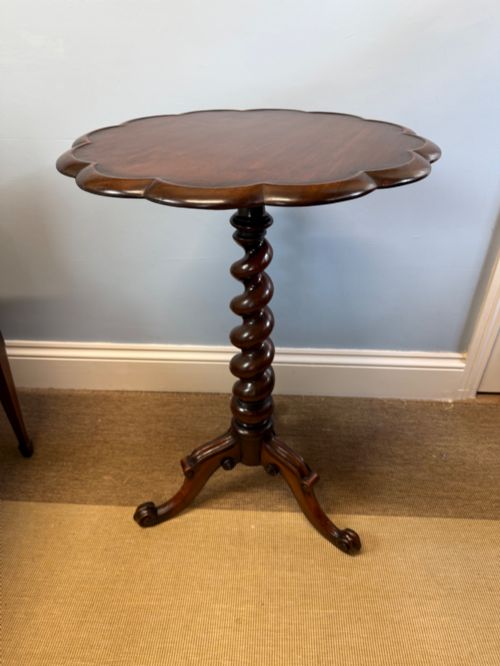
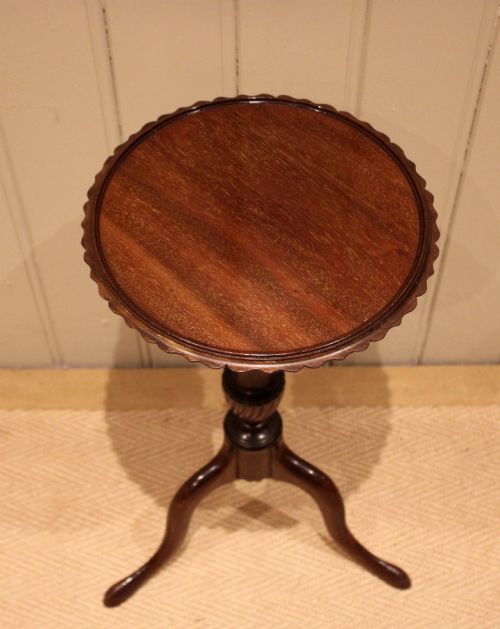
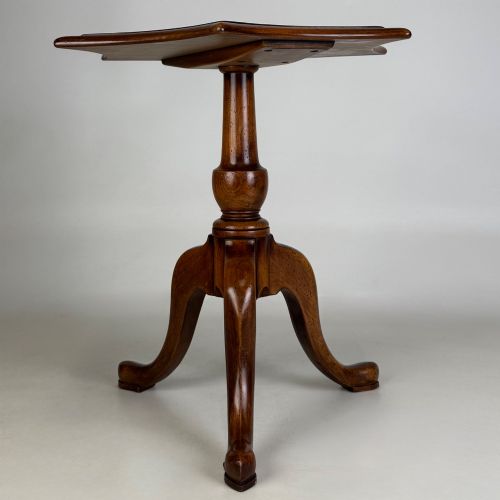
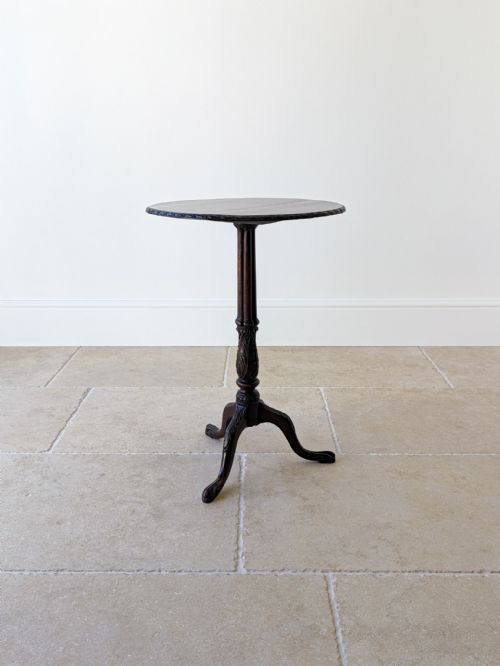
- A small occasional table with a circular timber top supported by a central pillar and tripod legs, originally designed to hold glasses and bottles. These compact surfaces frequently serve as lamp stands.
- Toleware
- Painted or lacquered metalware, typically tin or steel, often finished in deep green or dark tones with gilt highlights. It appears on classic bouillotte desk lamps.
- Spider leg
- A descriptor for furniture featuring exceptionally slender, delicate legs connected by thin stretchers, commonly found on eighteenth-century and revival tripod tables.
- Parcel gilt
- A decorative technique where specific portions of an object, such as silver-plated brass, receive a thin application of gold leaf or gilt finish to highlight details.
Traditional Table Lamps: Frequently Asked Questions
How do I date an antique brass lamp?
Dating relies on manufacturing techniques, wiring access, and stylistic details such as the proportions of the column and base. Victorian examples often feature heavy cast brass with distinct patination.
Later Edwardian and early twentieth-century pieces may incorporate different switch types and lighter gauge metals. Comparing the construction to known dated pieces in the archive clarifies the period.
Where should I place a wine table lamp?
Wine tables provide a compact footprint, making them suitable for corners, beside armchairs, or in spaces lacking surface area. Their small tops accommodate slender candlestick or column lamps.
Ensure the combined height of the table and lamp positions the light source at a comfortable level for reading or ambient glow.
Are these lamps safe to use today?
Many older lamps require rewiring to meet current electrical standards. Listings often note whether a piece has been rewired or retains historic fittings.
Buyers should have antique lighting inspected and installed by a qualified electrician before daily use.
What woods were used for lamp tables?
Makers utilised mahogany, oak, walnut, yew and pine depending on the period and regional workshop traditions. Mahogany and walnut often feature in refined nineteenth-century and Edwardian pieces.
Oak and pine appear frequently in earlier vernacular furniture and country revival pieces.