


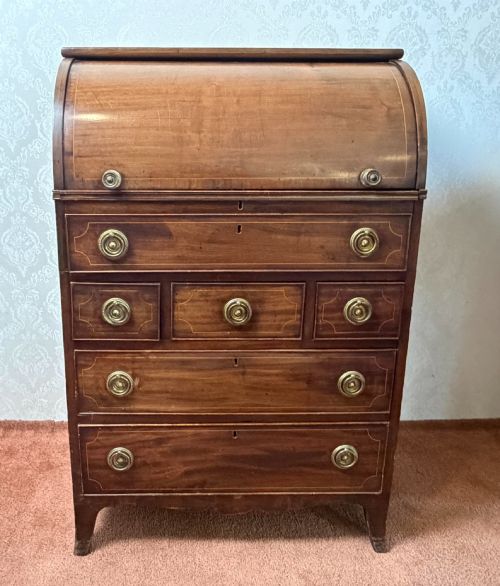
Traditional Study Table
A traditional study table provides a solid, organised foundation for correspondence and writing, spanning formats from compact writing tables to large pedestal desks.
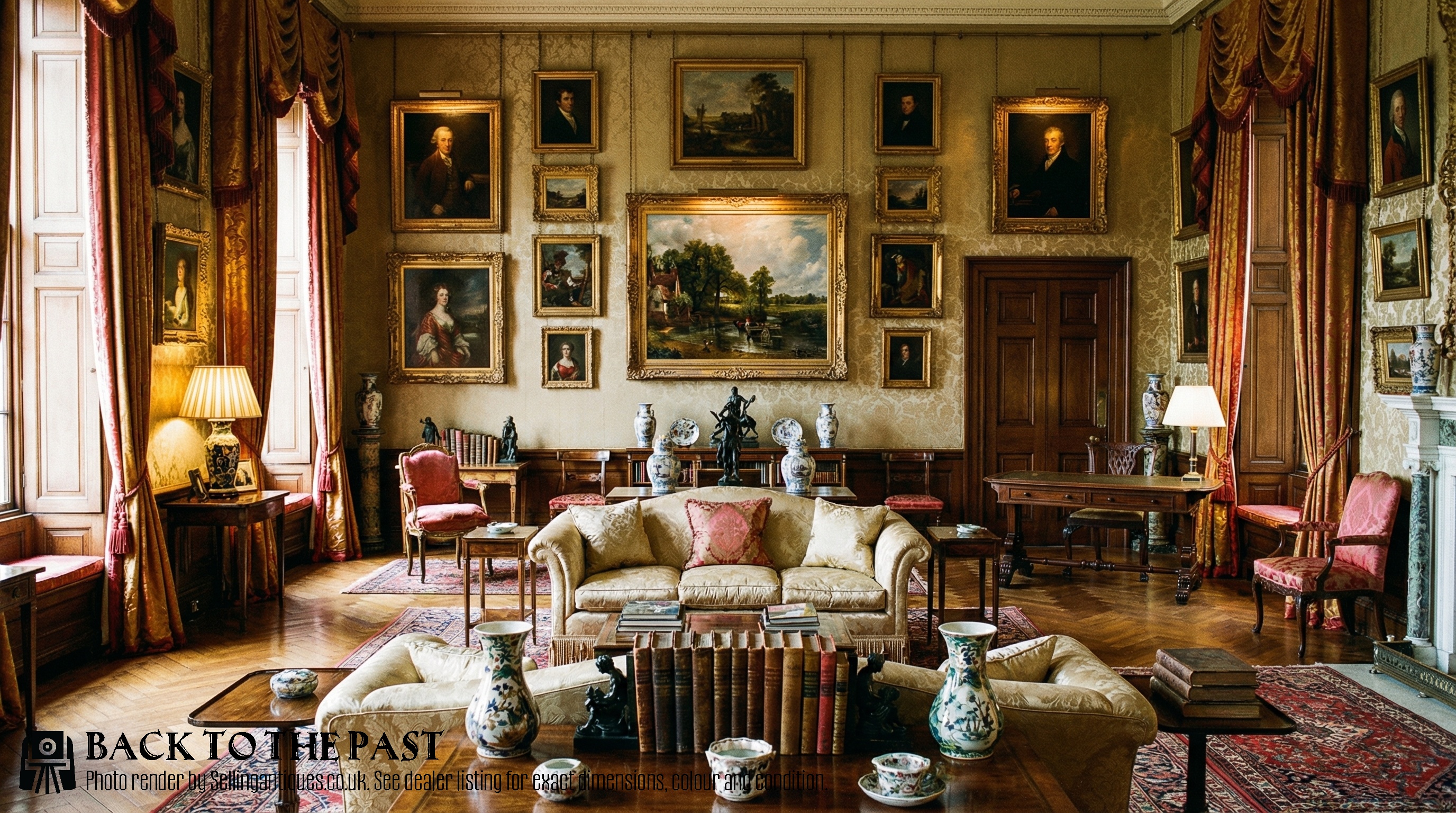
Traditional Study Table
A traditional study table encompasses a variety of writing furniture designed for libraries, studies, and offices across the nineteenth and early twentieth centuries. Pieces originating from the Victorian and Edwardian eras dominate this selection, alongside items reflecting Georgian and Queen Anne revivals.
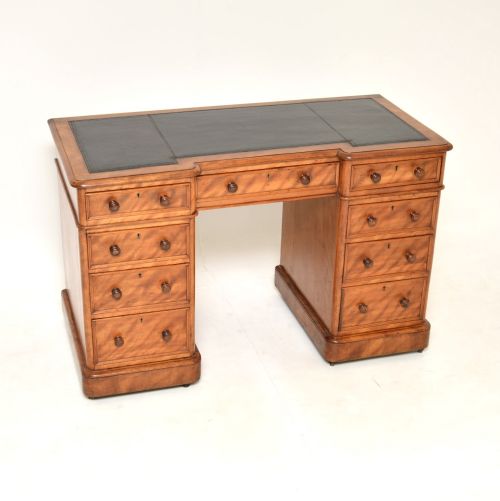
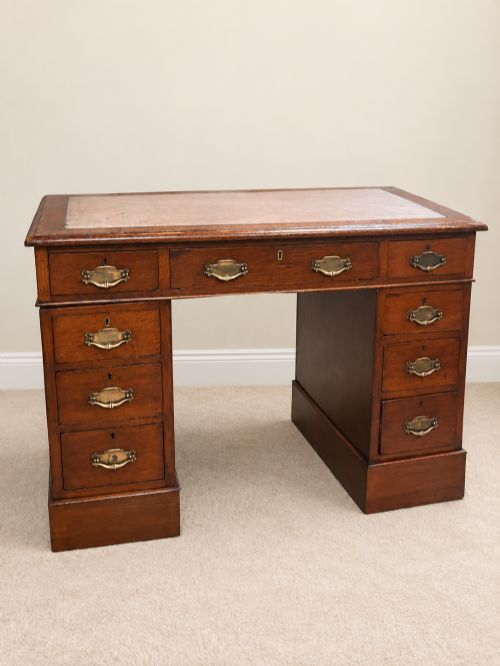
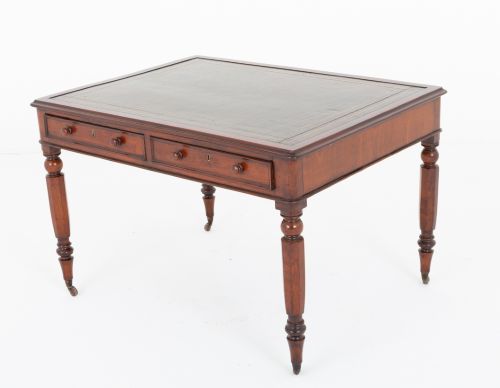
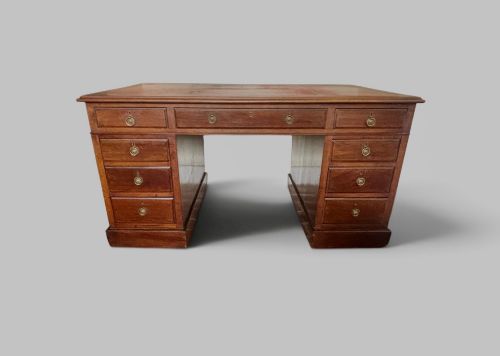
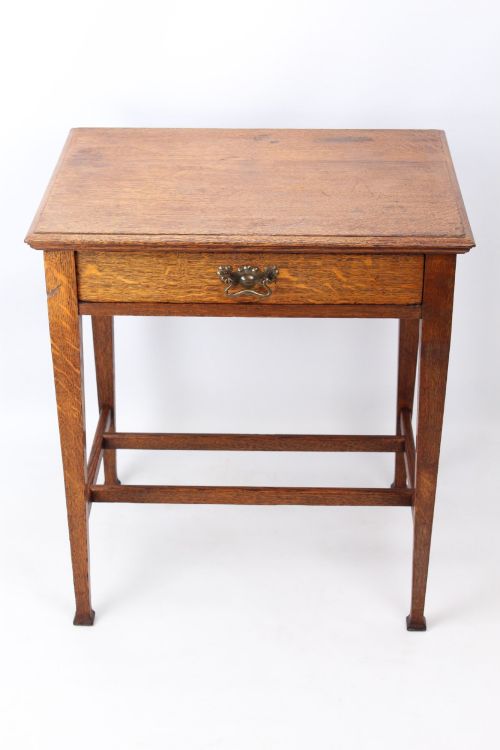
Buyers encounter multiple distinct configurations within this category, including pedestal desks, partners desks, kneehole desks, and simpler writing tables. Oak and mahogany are the predominant timbers, frequently paired with inset leather writing surfaces and brass hardware.
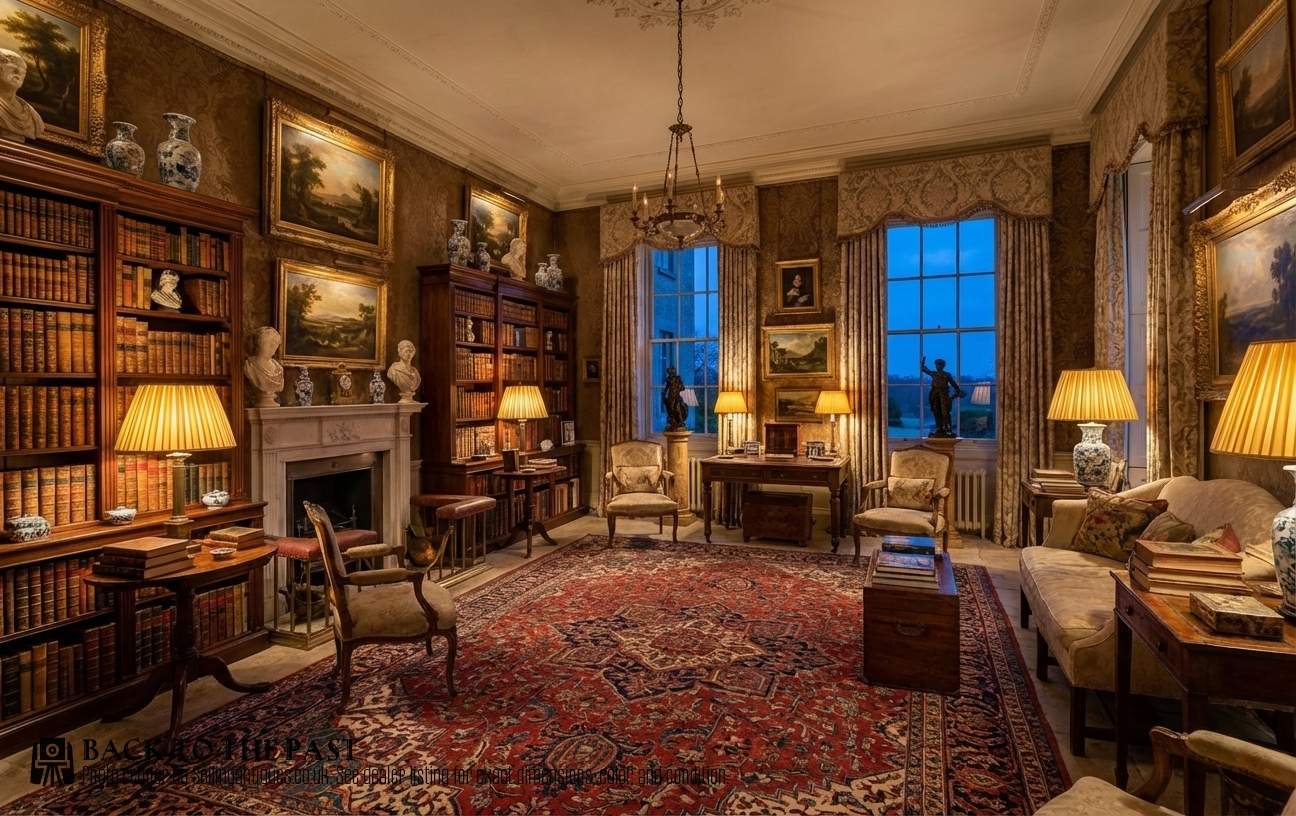
Materials and construction
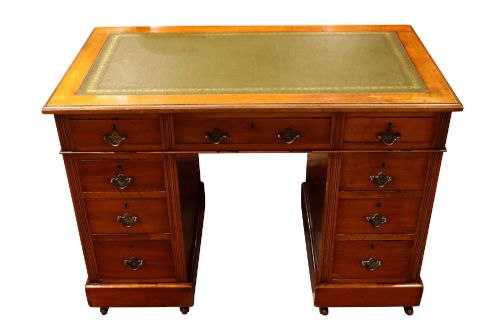
Cabinetmakers utilised dense hardwoods such as mahogany, oak, walnut, and burr walnut to construct the primary carcase and drawers of each desk. Surfaces intended for writing were frequently inset with panels of tooled leather to provide a suitable texture for pen and paper.
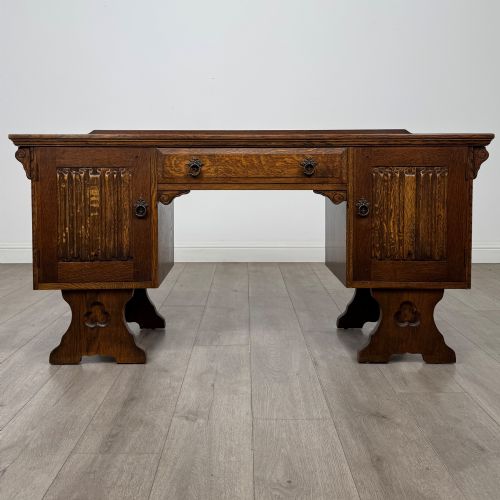
Metal components, particularly brass, appear in the form of drawer pulls, handles, and occasional desk lamps. Joinery techniques varied from revival styles featuring carved linenfold details to simpler Arts and Crafts constructions.
Traditional Study Table Retail Price Guide 2026
Typical asking prices for traditional study table among the pieces listed under this phrase on Sellingantiques today, from the lower quarter to the upper quarter. They describe what is for sale here now, not the wider market.
Several desks come equipped with wages compartments, originally designed for distributing cash to factory workers.
Judging execution
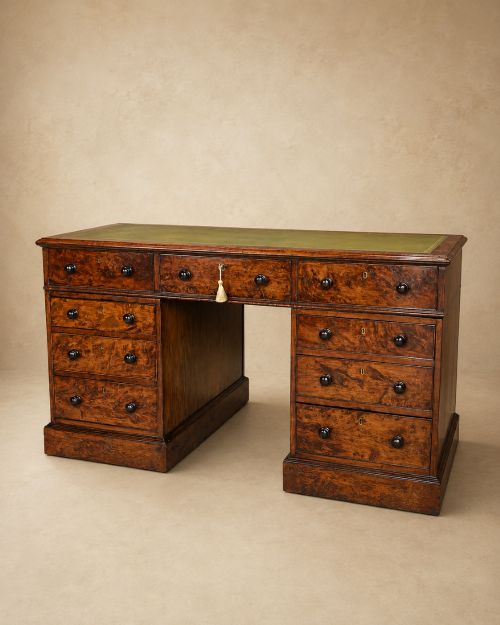
The distinction between standard utility furniture and superior pieces lies in the selection of timber veneers, such as burr walnut or figured mahogany, and the precision of the joinery. Tables featuring original handles, intact leather surfaces, and balanced proportions demonstrate a higher standard of original craftsmanship.
The integration of secondary woods within drawer linings and the presence of makers' marks or attribution to known workshops elevate the standing of a desk. Construction solidity, particularly in large partners desks and multi-drawer pedestals, dictates the longevity and daily usability of the piece.
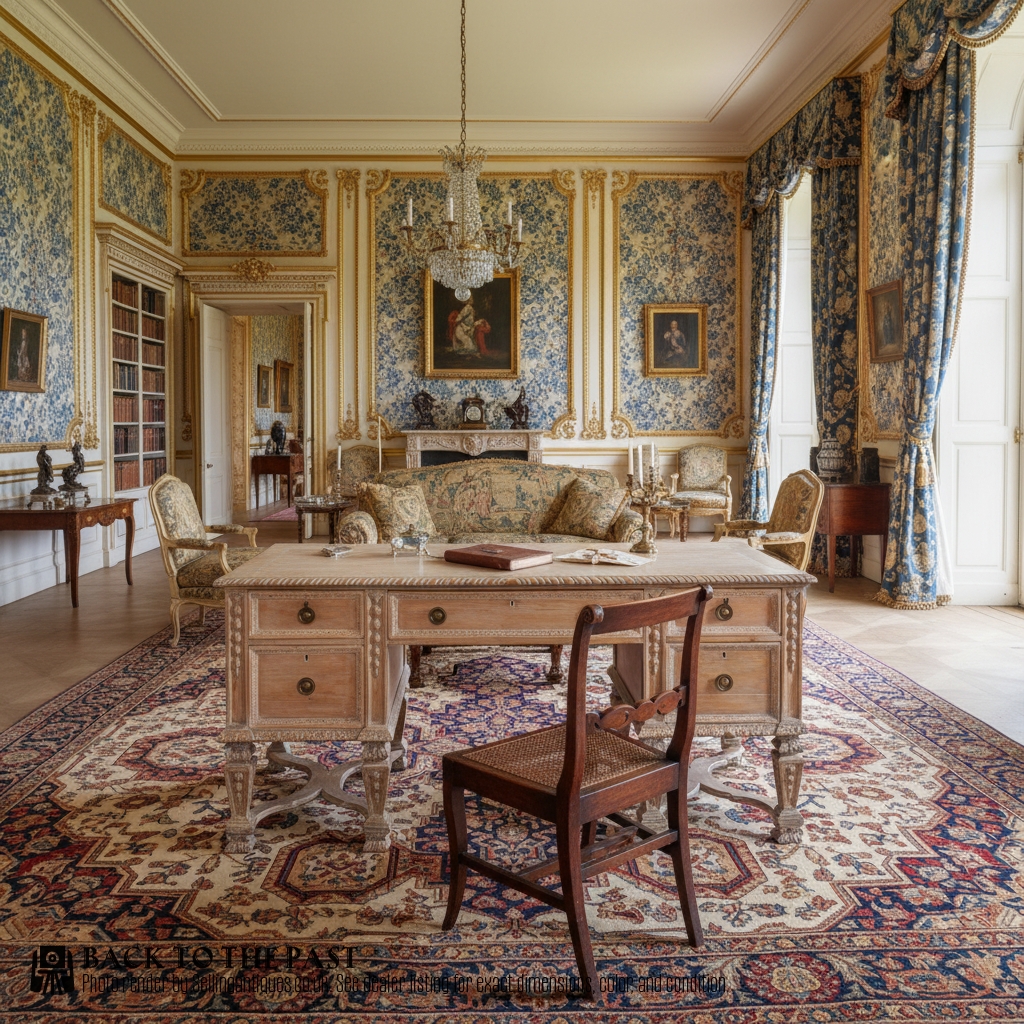
Trollope & sons·Gillows
The Traditional Study Table Glossary
- Pedestal desk
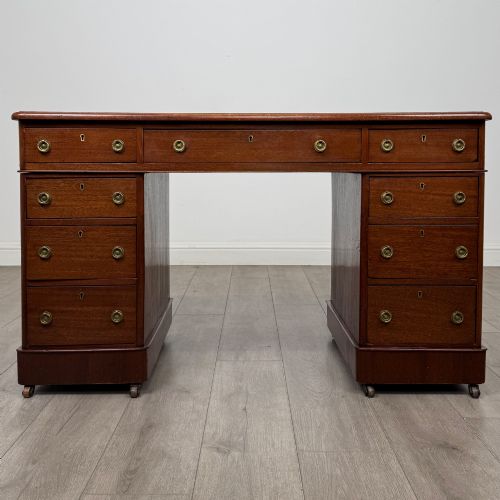
- A heavy freestanding desk comprising two supporting pedestals of drawers beneath a main writing surface. These often feature cupboards or banks of drawers on both sides.
- Partners desk
- A large double-sided desk designed for two people to work opposite one another. These typically incorporate drawers and cupboards duplicated on both long sides.
- Kneehole desk
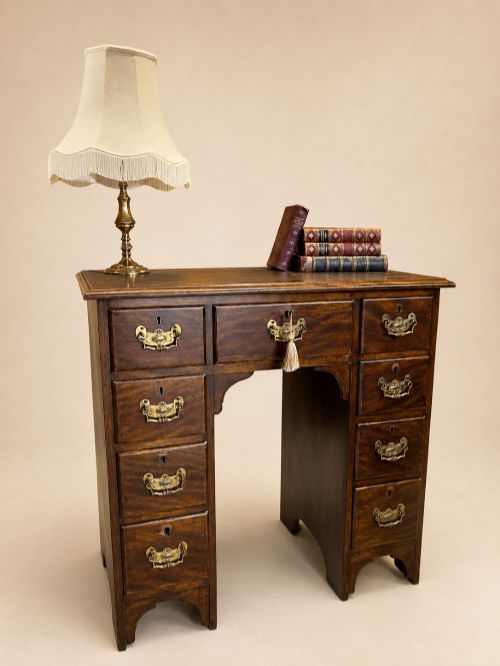
- A compact desk featuring a central recessed space for the user's legs, flanked by smaller pedestals of drawers. This form allows for a smaller footprint than a standard pedestal desk.
- Tambour
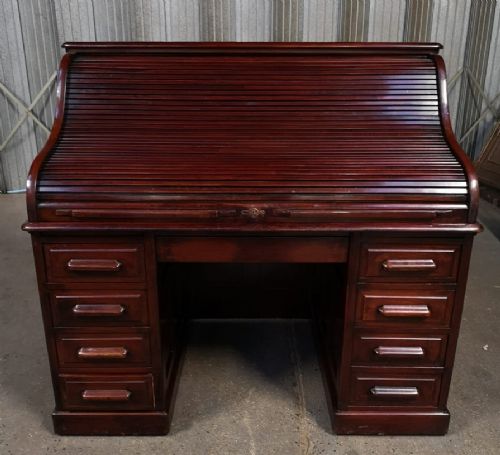
- A flexible shutter formed of narrow strips of wood glued to canvas, allowing a desk top to slide open and closed. This mechanism conceals pigeonholes and small compartments.
- Linenfold
- A style of wood carving that imitates folded parchment or linen, frequently seen on panels of Edwardian and Arts and Crafts oak furniture.
Traditional Study Table: Frequently Asked Questions
What is a partners desk?
A partners desk is a large double-sided workspace built to accommodate two people sitting opposite each other. These tables feature drawers and cupboards accessible from both sides.
They originated to allow business partners or professionals to share a single large writing surface in a library or study.
How do I care for leather desk tops?
Leather desk tops require occasional cleaning with a damp cloth and treatment with appropriate leather balms to prevent cracking. Avoiding direct sunlight helps preserve the colour and suppleness of the hide.
Most traditional study tables feature leather inserts that benefit from gentle maintenance rather than harsh chemical cleaning.
What is the difference between a writing table and a pedestal desk?
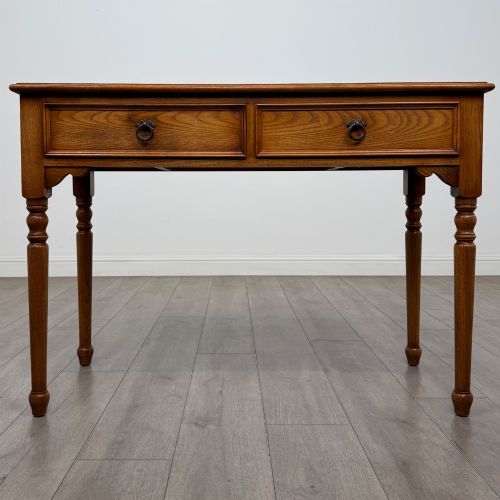
A writing table generally stands on four legs without banks of supporting drawers beneath the top. Pedestal desks incorporate two solid columns of drawers that support the writing surface.
Writing tables offer a lighter appearance suitable for sitting rooms, whereas pedestal desks provide substantial storage for documents.