






Traditional Striking Clock
A traditional striking clock brings mechanical timekeeping into a room with the deliberate cadence of bells and gongs.
Traditional Striking Clock
A traditional striking clock encompasses floor-standing longcase pieces, wall-hanging dials, and smaller mantel or bracket formats built across the eighteenth, nineteenth, and early twentieth centuries. These timepieces are designed to sound the hour or quarters automatically, utilising mechanical movements powered by weights or springs.
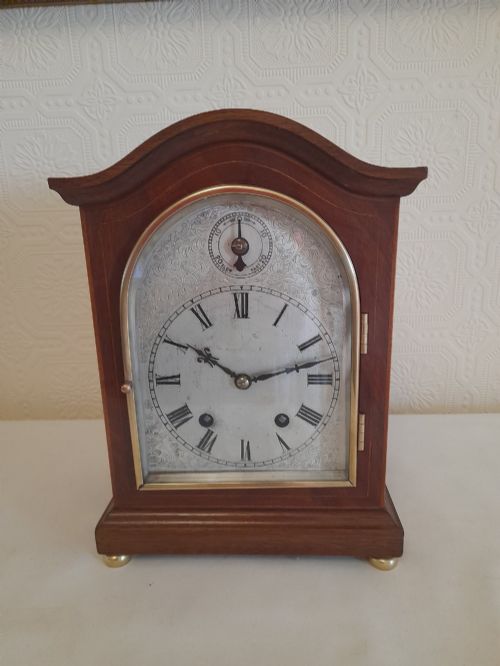
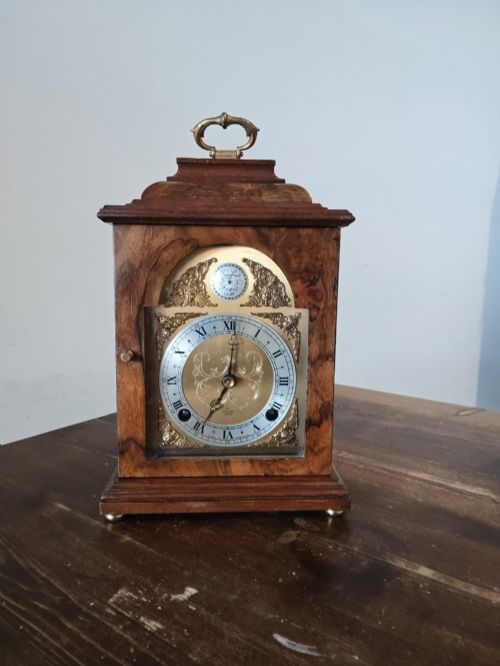
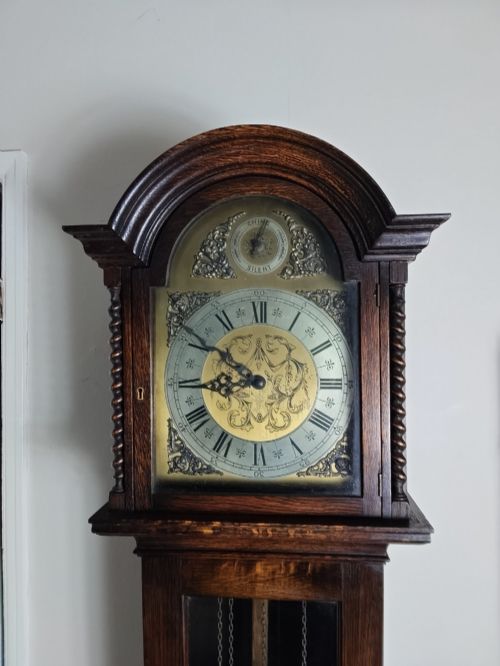
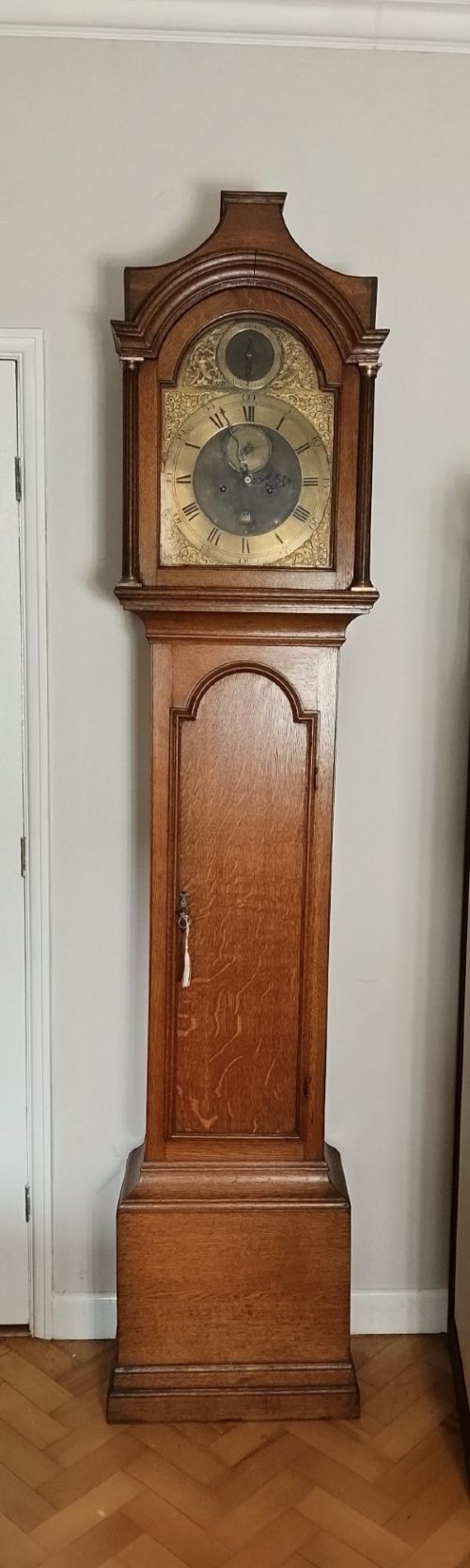
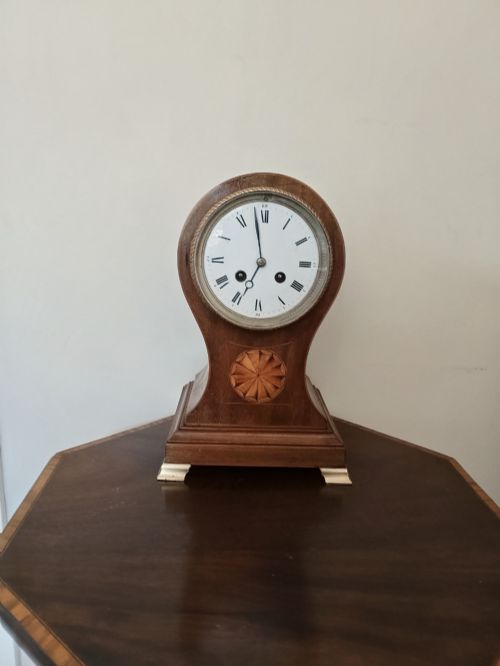
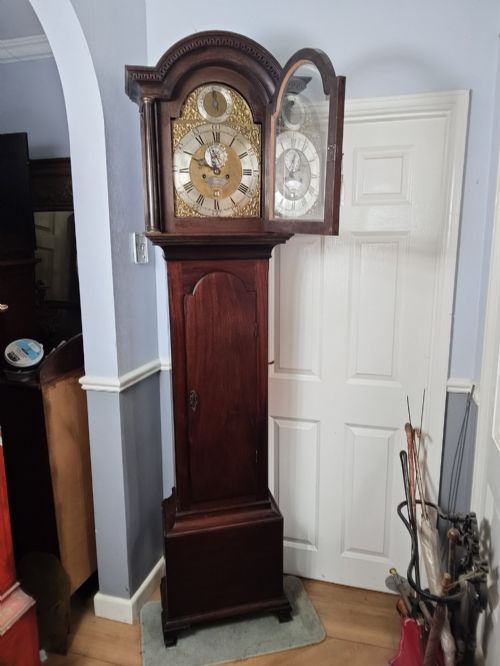
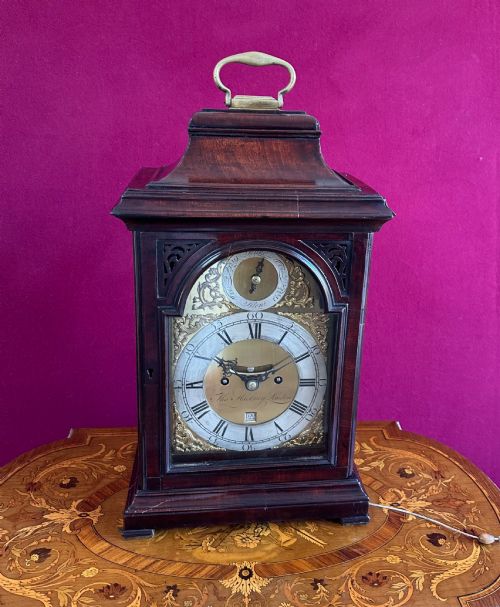
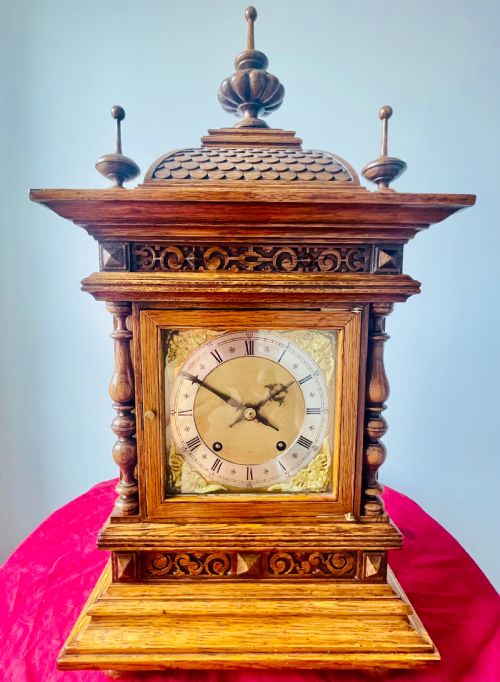
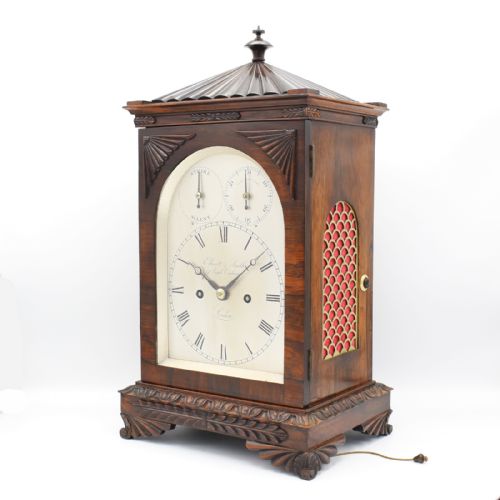
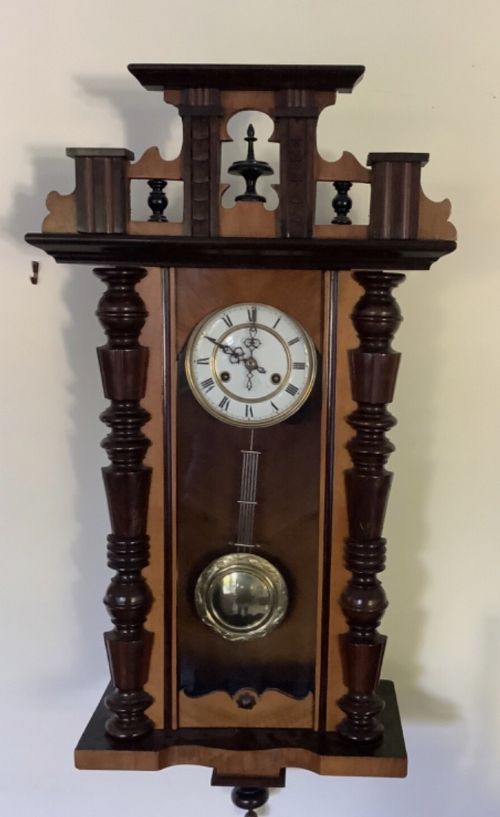
The versions most commonly met on this page are mahogany and walnut bracket clocks alongside oak longcase grandfathers, spanning periods from the Georgian era through to the Victorian and Edwardian decades. Table clocks and drop-dial wall regulators also appear frequently, reflecting British, French, and German workshop origins.
Materials and construction
Cases are constructed from timbers such as mahogany, walnut, oak, and rosewood, frequently enhanced with brass bezels, silvered dials, and glass panels. Movement plates, wheels, and striking bells are formed from brass and steel, often housing fusee or spring-driven mechanisms.
Dial faces feature painted enamel, brass chapter rings, or brass spandrels, while wall and longcase variants integrate hanging pendulums and lead weights to regulate the time and drive the audible strike.
Traditional Striking Clock Retail Price Guide 2026
Typical asking prices for traditional striking clock among the pieces listed under this phrase on Sellingantiques today, from the lower quarter to the upper quarter. They describe what is for sale here now, not the wider market.
Some bracket clocks come equipped with pull-repeat cords to let sleepy owners check the hour in total darkness.
Distinctions in standard and execution
The hierarchy of quality rests on the precision of the movement and the architectural refinement of the case. Master-level bracket and longcase clocks employ complex fusee or quarter-striking systems housed in finely figured timber with meticulous brass inlay, whereas standard pieces rely on simpler spring or German movements.
A high-standard example exhibits crisp engraving on the backplate, substantial brass castings, and untouched original dial signatures, separating workshop masterworks from later volume production.
George Wadham·Mappin & Webb·Barwise·Ellicott & Smith·Henry Weedon·John Witherston·Johann Baptist Beha·John Taylor·Chater & Son·Robert Higgs·Winterhalder & Hofmeier·DeLa Salle And Christie
The Traditional Striking Clock Glossary
- Fusee
- A conical pulley used in better mechanical clocks to maintain an even pull on the movement as the mainspring unwinds.
- Bracket clock
- A portable table clock originally designed to sit on a wall bracket, typically featuring a handle and a striking mechanism.
- Longcase clock
- A tall pendulum clock housed in a wooden case resting on the floor, frequently termed a grandfather clock.
- Verge movement
- An early form of clock escapement using a vertical rod with pallets that engage with a crown wheel.
- Strike silent
- A mechanical feature allowing the user to silence the hourly bell or gong without stopping the clock's timekeeping.
Traditional Striking Clock: Frequently Asked Questions
How do I wind a traditional striking clock?
Most mechanical striking clocks require a key inserted into the dial holes to wind the springs or pull the hanging weights upward. Care must be taken not to overwind the movement.
Striking trains usually have their own dedicated winding arbour separate from the timekeeping train, meaning both must be tended for the clock to function fully.
Why does my clock strike the wrong hour?
The striking train can occasionally fall out of sync with the hands if the minute hand is moved backwards past the hour or if the clock has been transported.
Allowing the striking mechanism to complete its cycle without interruption or gently advancing the minute hand through the hours usually realigns the count.
Where should I place a longcase clock?
Longcase clocks need a stable, dry interior wall away from direct sunlight, central heating vents, and heavy vibrations from floorboards.
A firm vertical surface ensures the pendulum swings evenly and the escapement maintains an accurate beat.
How do I tell a fusee movement apart?
A fusee movement incorporates a distinctive conical drum connected to the spring barrel by a fine brass chain or cord, visible when inspecting the interior.
This mechanism counteracts the diminishing force of the uncoiling mainspring to deliver consistent power to the gear train.