


Traditional Standing Lamp
These traditional standing lamp designs bring period illumination and timber character to a room, offering adjustable brass height and carved wood columns.
Traditional Standing Lamp
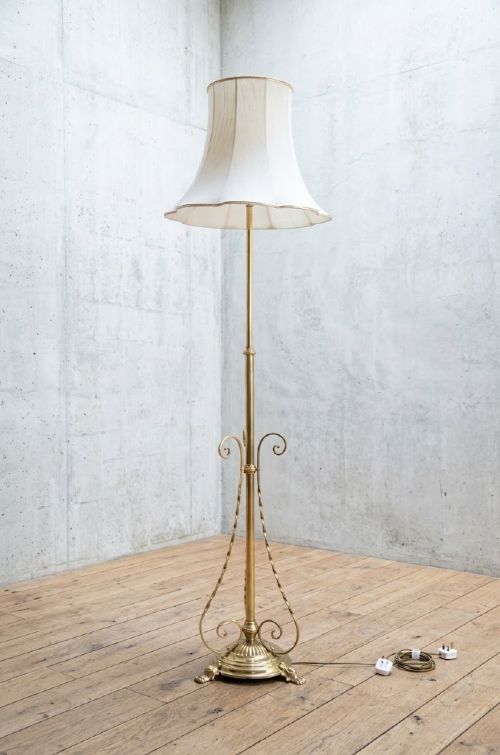
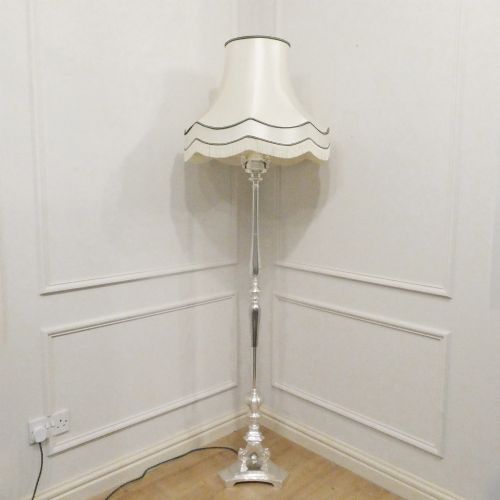
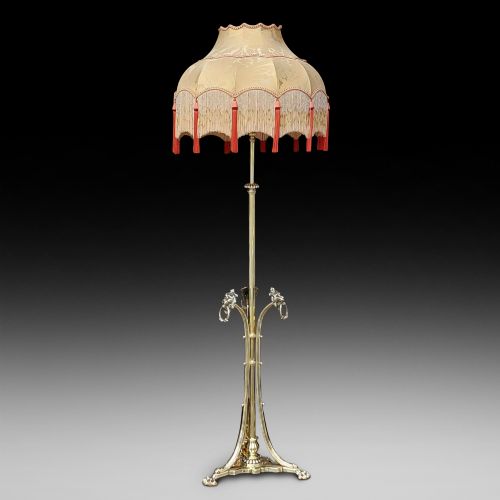
A traditional standing lamp provides floor-standing illumination, appearing frequently in brass and oak forms across Victorian, Edwardian, and early twentieth-century periods. These fittings often incorporate adjustable height mechanisms, shifting between oil-burning origins and electrified standards.
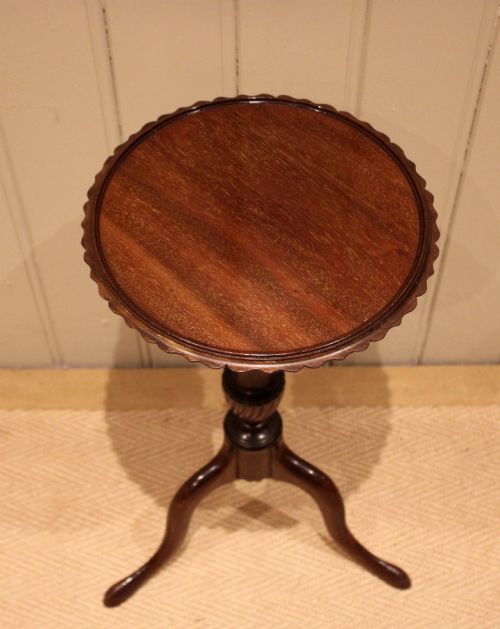
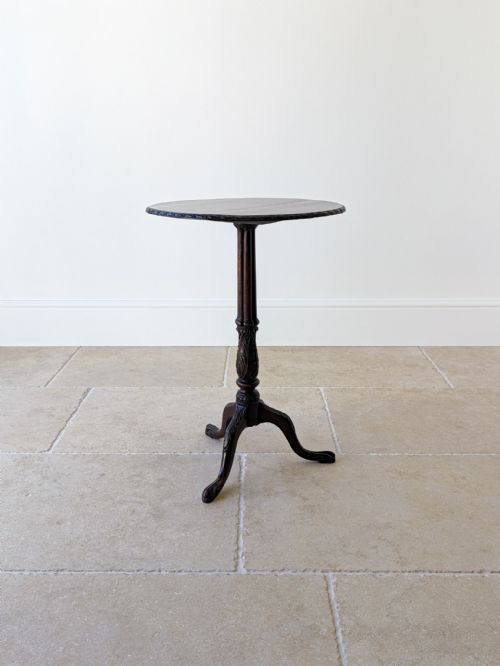
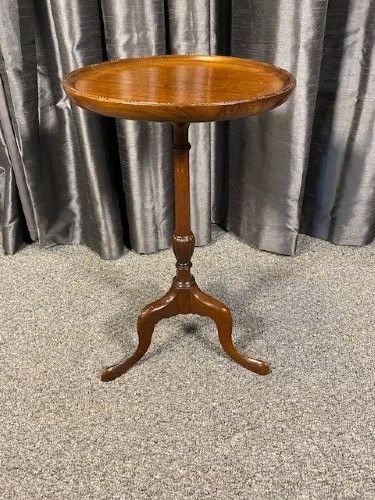
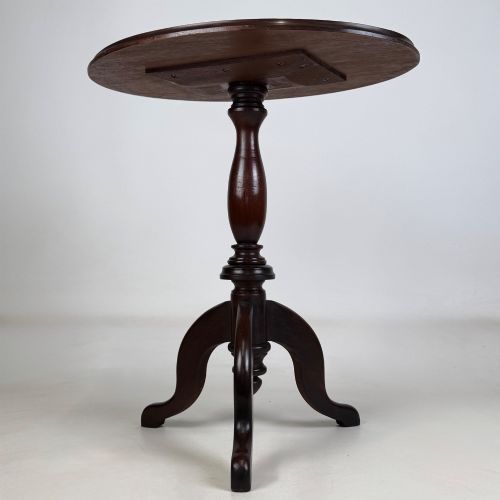
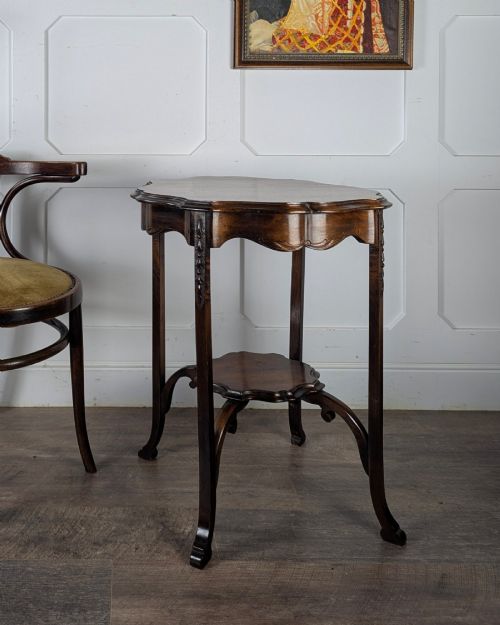
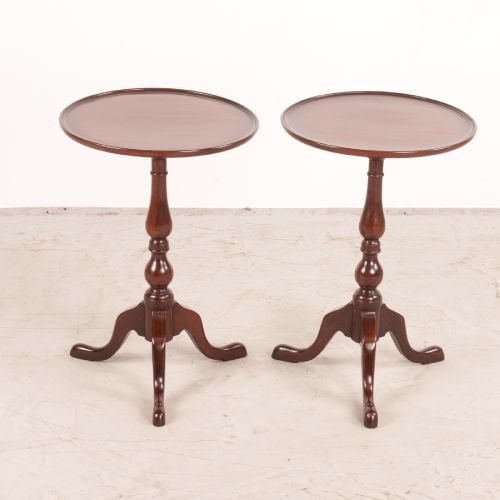
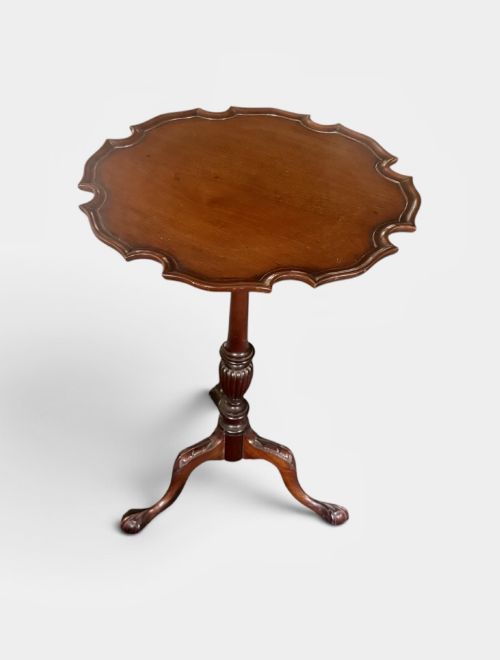
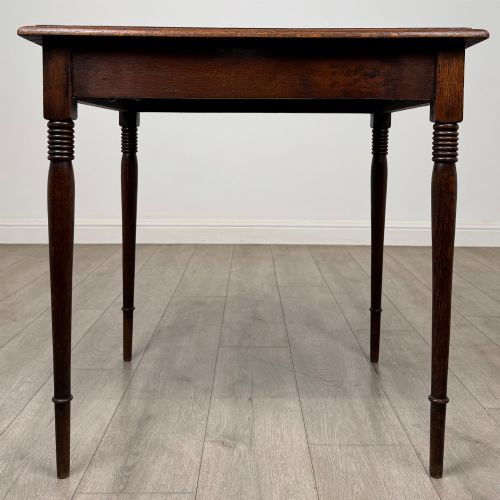
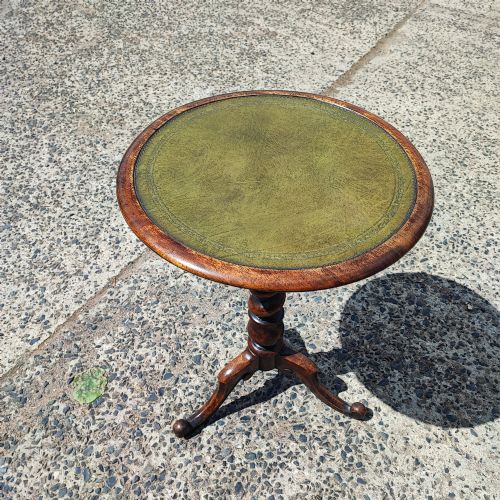
The selection combines upright floor lamps with companion occasional tables, such as mahogany wine tables and walnut side tables. These wooden pieces share domestic spaces with the tall metal lighting standards.
Origins stretch from nineteenth-century workshops into the 1930s, encompassing Arts and Crafts, Neoclassical, and Chinoiserie stylistic revivals. Brass and timber dominate the physical presence of these household objects.
How traditional standing lamp items were constructed
Constructed primarily from cast brass, silver plate, and hardwoods including mahogany, oak, and walnut, these lamps and tables utilise traditional joinery and turning techniques. Metal standards employ weighted bases to support tall vertical shafts, sometimes featuring screw-key height adjustments.
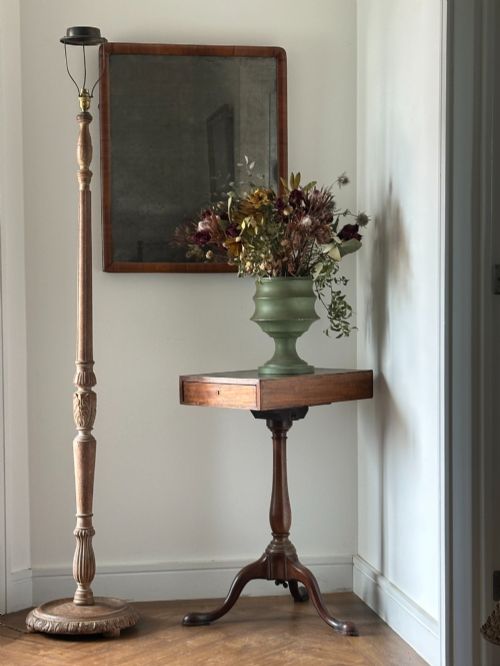
Wooden components display hand-turned barley twist columns, carved tripod legs, and decorative lacquer work. Surface finishes range from polished mahogany to limed oak and black lacquer Chinoiserie decoration.
Listings feature materials such as brass, fabric, mahogany, oak, walnut, metal, lacquer, and silver plate across Victorian, Edwardian, and Georgian styles.
What varies in quality among traditional standing lamp examples
Quality differentiates through the weight of the metal castings and the selection of timber grain, where heavier brass standards and figured mahogany or oak command greater presence. Precision in the adjustable height mechanisms and the crispness of hand-carved details signal superior execution.
Integrity of construction in the tripod bases and pedestal columns dictates structural stability, separating robust domestic pieces from lighter alternatives. Surface decoration, from japanned lacquer to patinated brass, reflects the original tier of manufacture.
The Traditional Standing Lamp Glossary
- Standard Lamp
- A tall floor-standing lighting fixture designed to illuminate a room from standing height. These objects frequently incorporate heavy metal bases and adjustable stems.
- Wine Table
- A small occasional table with a circular top supported on a pillar and tripod legs. These compact pieces often accompany seating arrangements in period interiors.
- Barley Twist
- A spiral turning technique applied to wooden columns and pedestals. This decorative form creates diagonal ridges running down the length of the furniture leg.
- Tripod Table
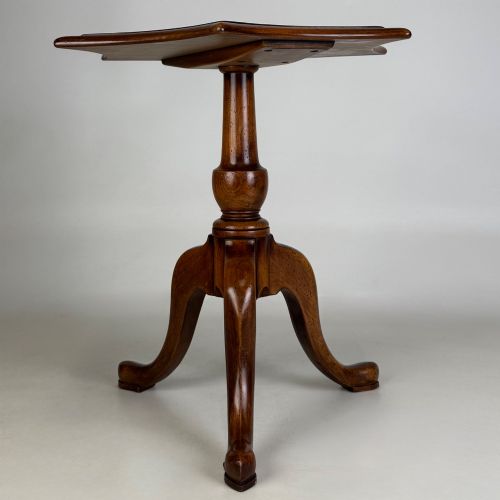
- A small table supported by three legs radiating from a central pillar. This construction ensures stability on uneven domestic flooring.
- Chinoiserie
- European decorative style imitating Chinese artistic traditions, often featuring black lacquer and painted gilt motifs. This finish appears on specific standing lamp and furniture surfaces.
Traditional Standing Lamp: Frequently Asked Questions
How do I adjust the height on an old brass standard lamp?
Many Victorian and Edwardian brass floor lamps utilise a sliding inner tube secured by a thumbscrew or collar near the top of the shaft. Loosening this mechanism allows the upper stem to move vertically before tightening to hold the desired position.
Care should be taken to support the weight of the fitting while adjusting the height to prevent sudden drops or stress on the internal wiring and threads.
Where should I place a traditional standing lamp in a room?
These lamps function effectively beside armchairs or reading desks, providing targeted downward illumination from a raised position. Their slender vertical profiles allow them to occupy corners or spaces between furniture without crowding the floor area.
Pairing a standard lamp with a matching mahogany or oak wine table creates a cohesive functional grouping within a traditional interior layout.
How do I care for polished brass and wood columns?
Polished brass benefits from occasional gentle dusting and minimal interference with natural patination, avoiding harsh chemical cleaners that strip aged surfaces. Timber elements require standard maintenance with appropriate furniture wax to preserve the finish of mahogany, oak, or walnut.
Keeping these pieces away from direct heat sources prevents the wood from drying and protects older lacquer or polish work from cracking.
What distinguishes Arts and Crafts standard lamps from Victorian designs?
Arts and Crafts lighting generally emphasises honest construction, hand-hammered patinated brass surfaces, and plain oak or copper materials without excessive ornamentation. Victorian examples frequently display more elaborate cast decoration, classical revival motifs, or intricate barley twist woodwork.
The simpler geometric lines of the Arts and Crafts movement contrast with the decorative variety seen across the broader Victorian period.