

Traditional Spindle Armchair
These traditional spindle armchair designs bring enduring vernacular charm into a room, offering sturdy seating shaped by centuries of rural craftsmanship.
Traditional Spindle Armchair
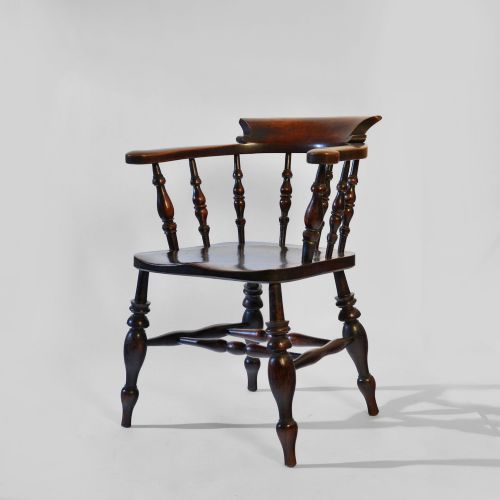
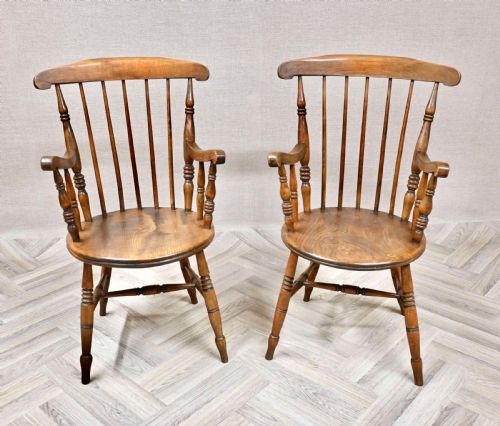
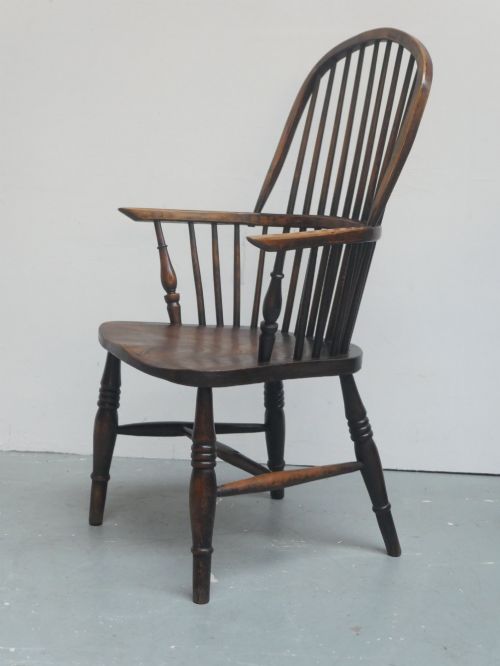
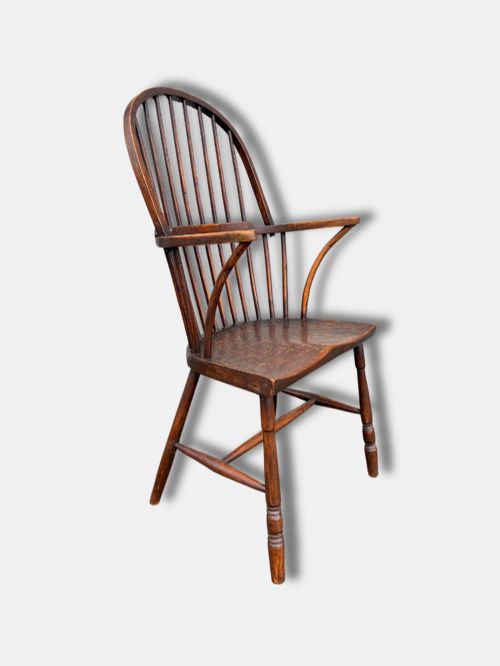
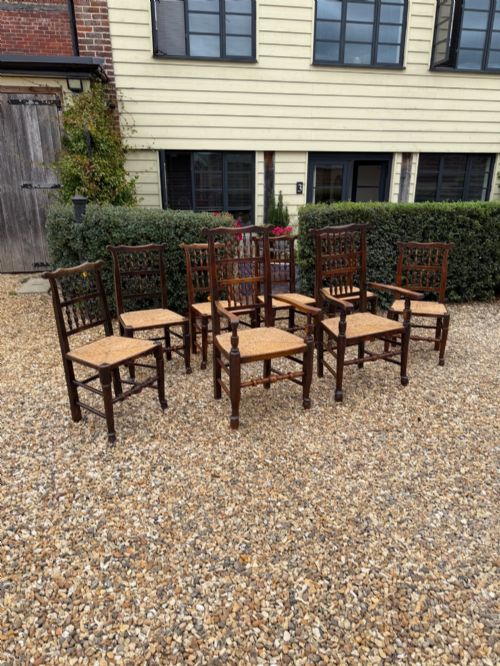
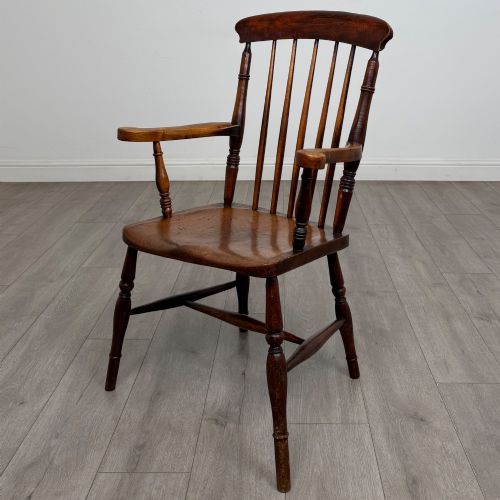
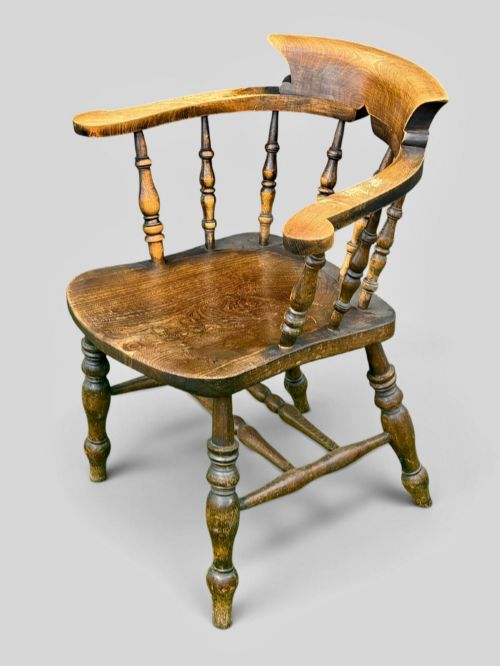
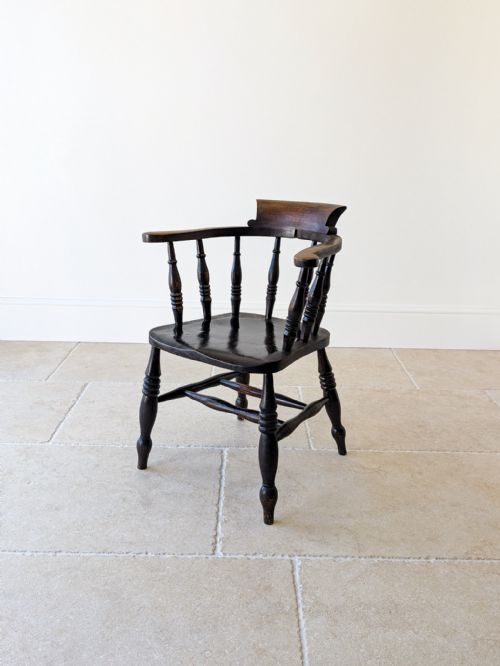
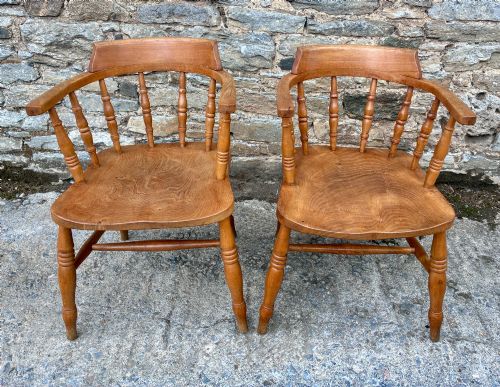
A traditional spindle armchair draws on vernacular forms like the Windsor, the captain's chair, and the smoker's bow, built for everyday utility in country houses, farmhouses, and offices.
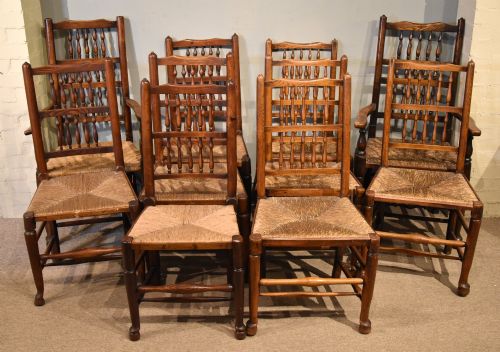
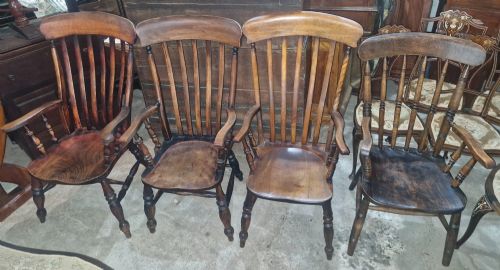
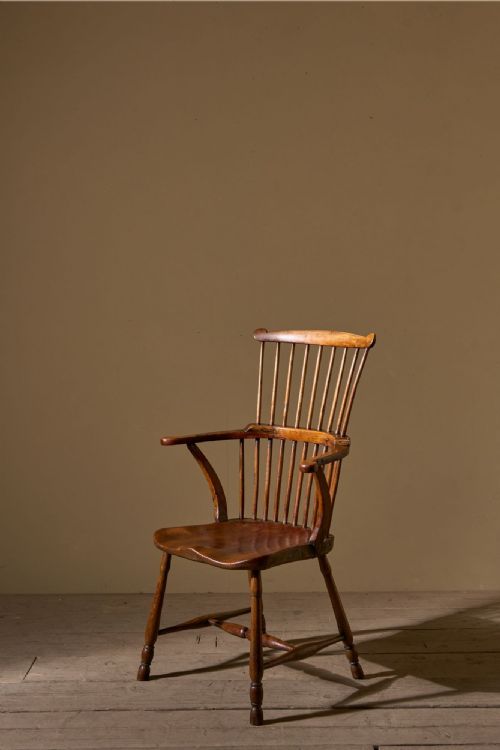
The most frequent examples seen here date from the nineteenth century and the Victorian era, alongside eighteenth-century comb-backs and hooped variations.
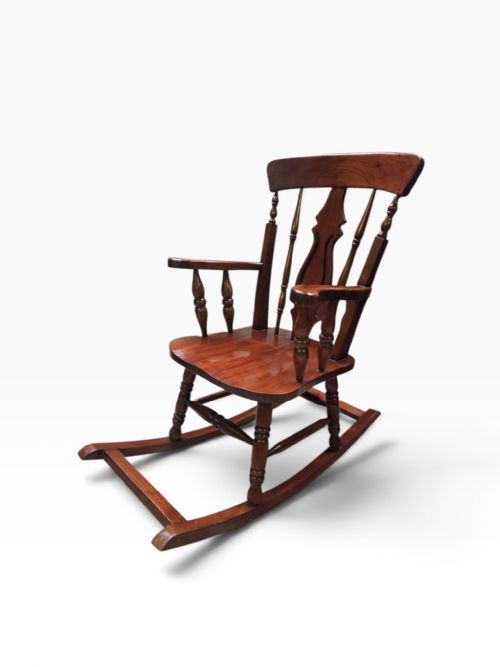
Makers shaped these seating options for varied domestic roles, ranging from fireside rocking chairs to office desk seats and kitchen armchairs.
Materials and construction methods
Craftsmen utilised native timbers such as elm, ash, beech, and yew, often pairing a solid elm seat with ash or beech spindles and bendings.
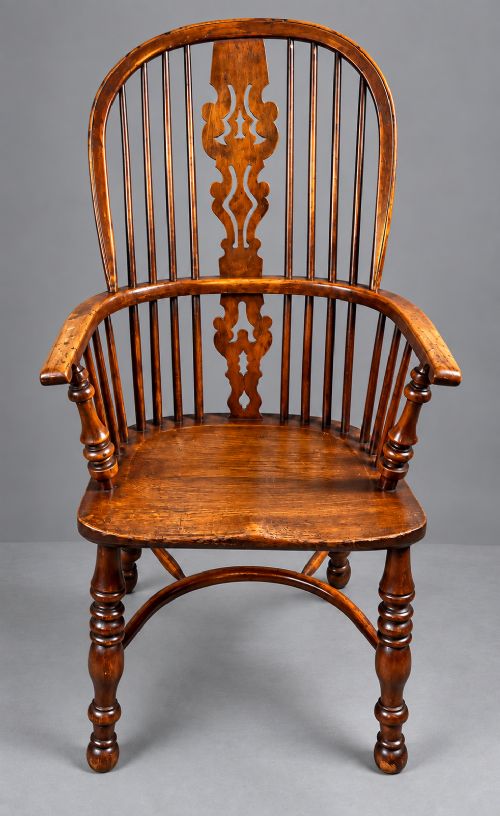
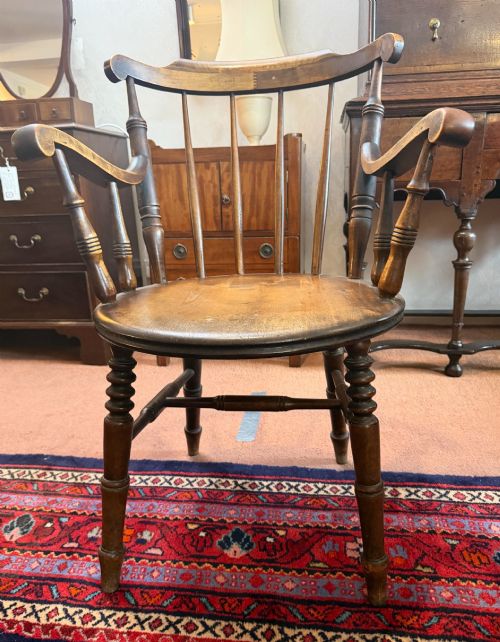
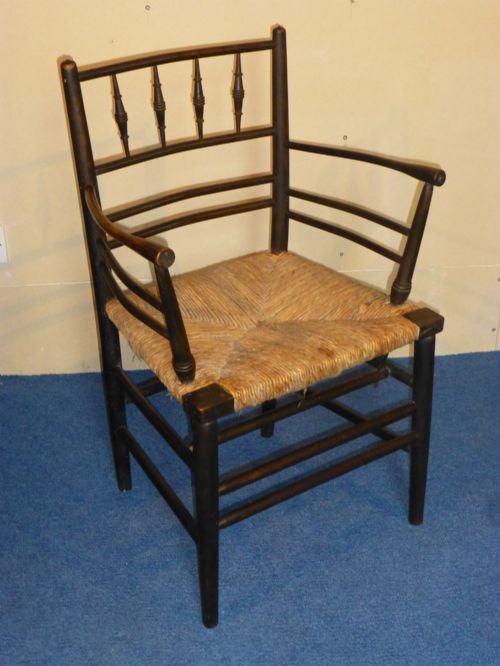
Construction relied on traditional turning and steam-bending techniques to shape hoop backs, crinoline stretchers, and bobbin frames without metal fasteners.
Traditional Spindle Armchair Retail Price Guide 2026
Typical asking prices for traditional spindle armchair among the pieces listed under this phrase on Sellingantiques today, from the lower quarter to the upper quarter. They describe what is for sale here now, not the wider market.
Regional variations include Scottish, West Country, and Lancashire forms alongside Windsor and rocking chair styles.
Standards of craftsmanship
Quality rests upon the selection of timber, visible in the grain of a solid elm seat and the matching of ash or beech spindles.
Distinction arises from the crispness of the turning on arm supports and stretchers, alongside the balanced integrity of the overall frame.
Gabbitass of Worksop·Morris and Co·Philip Webb·J Spencer
The Traditional Spindle Armchair Glossary
- Windsor chair
- A wooden chair featuring a solid carved seat into which the legs and back spindles are directly wedged.
- Smoker's bow
- A low-backed Windsor variant, also known as a captain's chair, featuring a continuous curved arm rail.
- Crinoline stretcher
- An arched underframe connecting the legs of a Windsor chair to provide structural rigidity.
- Comb back
- A Windsor chair design where the vertical spindles extend upward to support a horizontal headrest.
Traditional Spindle Armchair: Frequently Asked Questions
What defines a traditional spindle armchair?
These chairs combine a solid wooden seat with turned vertical spindles forming the backrest and arm supports.
They originate from English vernacular woodworking traditions focused on practical comfort and sturdy construction.
Where were these chairs used historically?
Country houses, farmhouses, and offices utilised these versatile armchairs for daily seating, writing, and fireside relaxation.
Kitchens and studies often housed robust variations like the smoker's bow or the Windsor.
How should I live with an antique wooden armchair?
Place the chair away from direct heat sources and sudden temperature shifts to protect the timber and joints.
Regular dusting and occasional application of appropriate wax help maintain the surface patina over time.
How do I identify eighteenth century examples?
Early pieces often display higher comb backs, distinctive regional turning details, and heavier patination on the elm and ash.
Construction methods typically show hand-carved saddle seats and traditional wedged joinery characteristic of the period.