
Traditional Sofa Table
A traditional sofa table brings heritage warmth to a room, offering adaptable surfaces through hinged leaves or slender proportions suited to placement near seating.
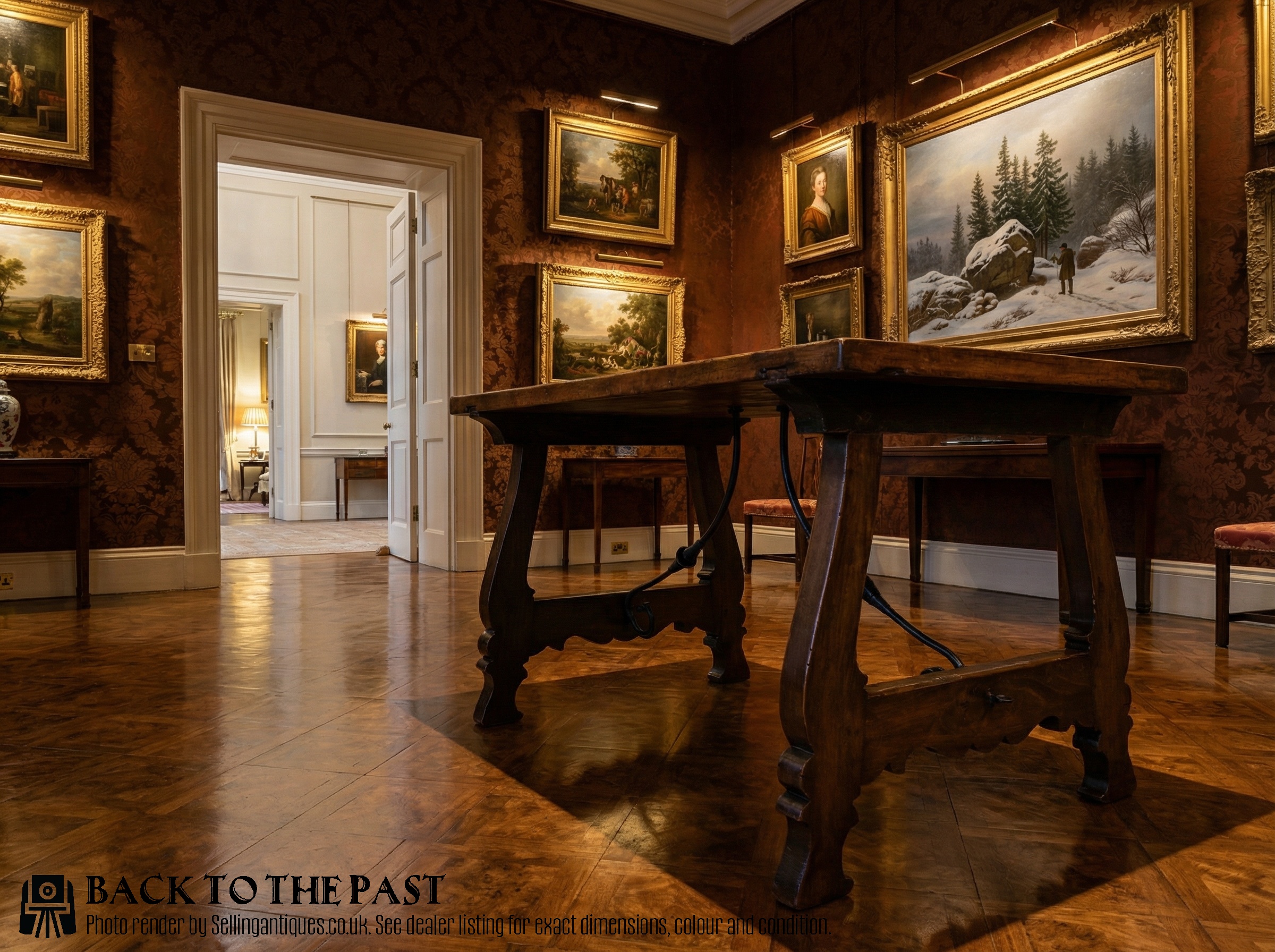
Traditional Sofa Table
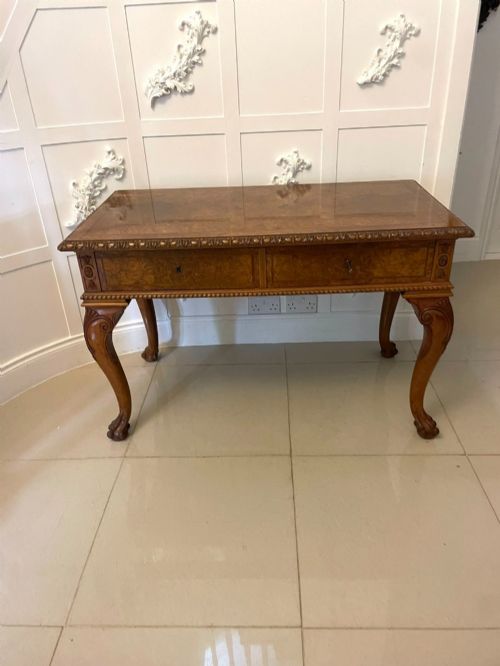
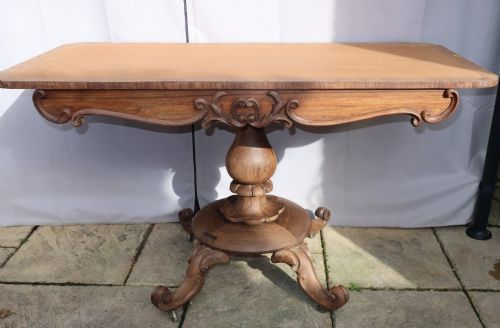
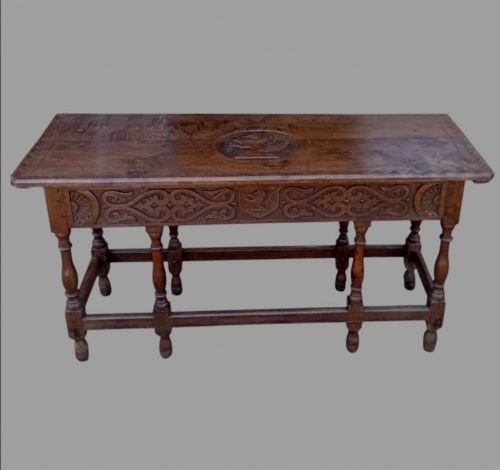
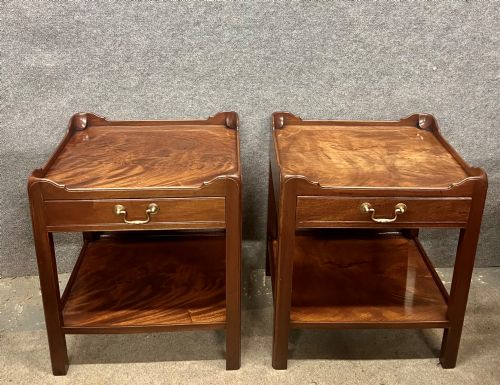
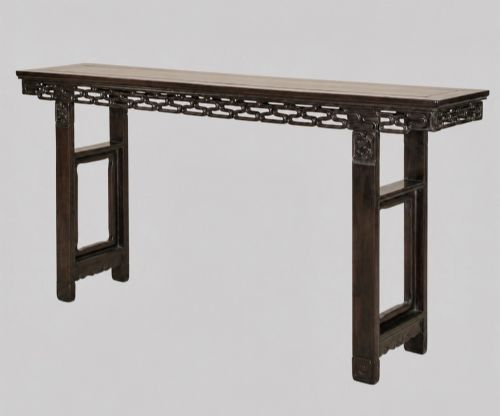
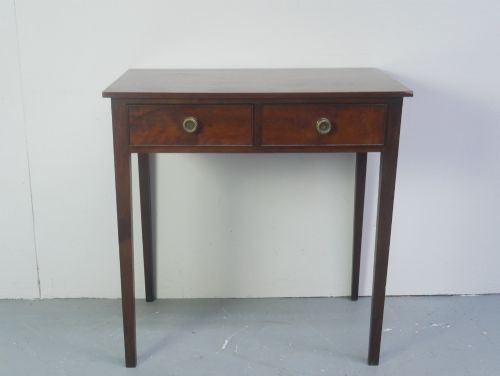
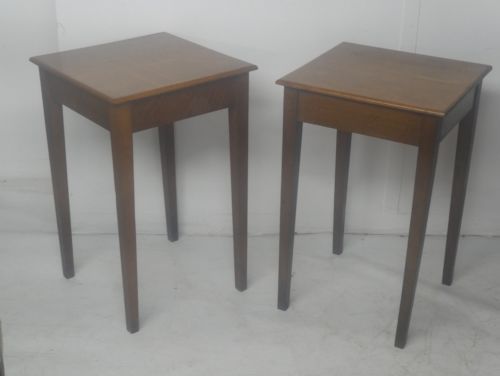
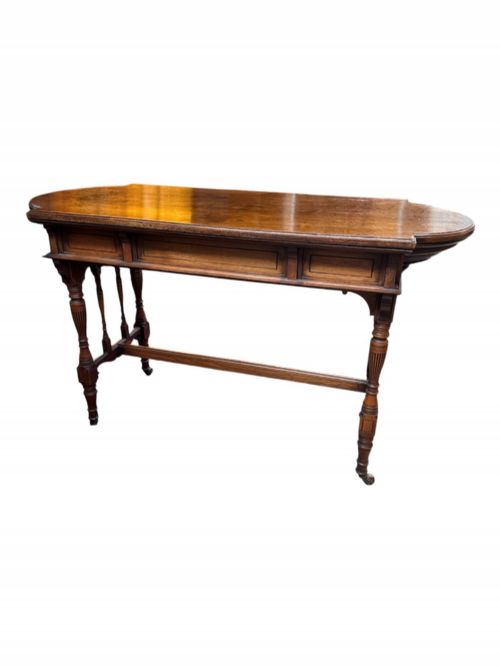
A traditional sofa table encompasses various forms designed for placement beside or behind seating, spanning side tables, console tables, Pembroke tables, and drop-leaf designs. When searching for a traditional sofa table, buyers encounter diverse pieces originating from the eighteenth, nineteenth, and early twentieth centuries.
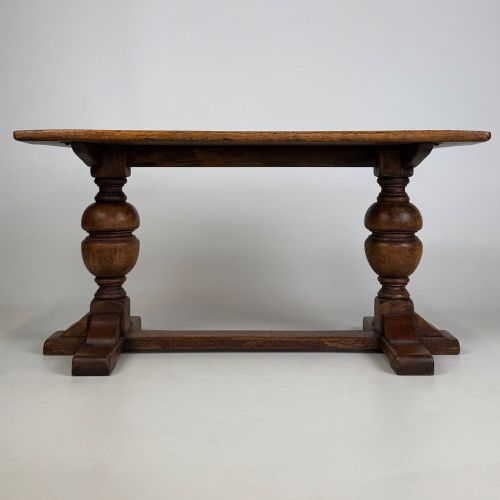
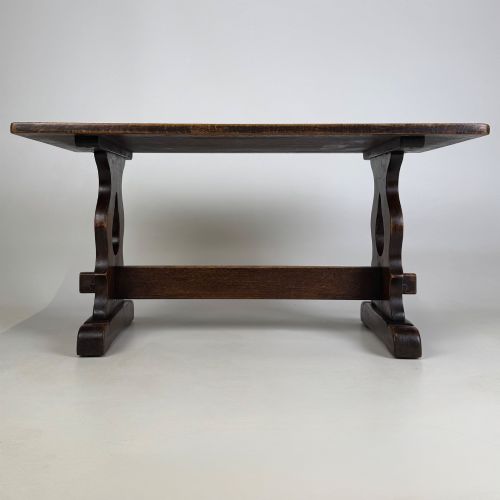
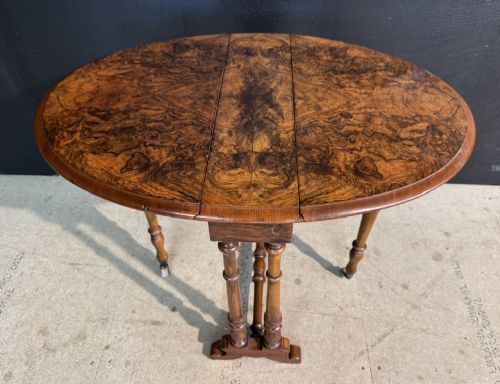
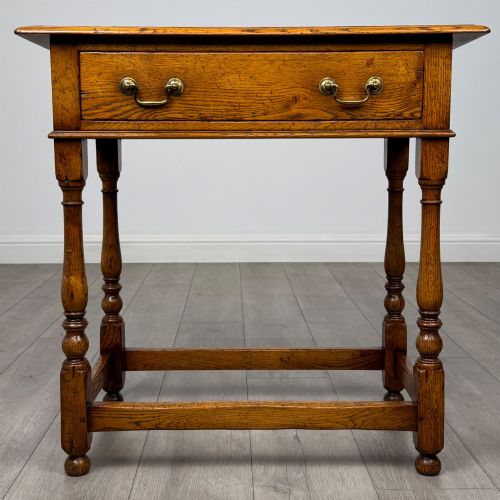
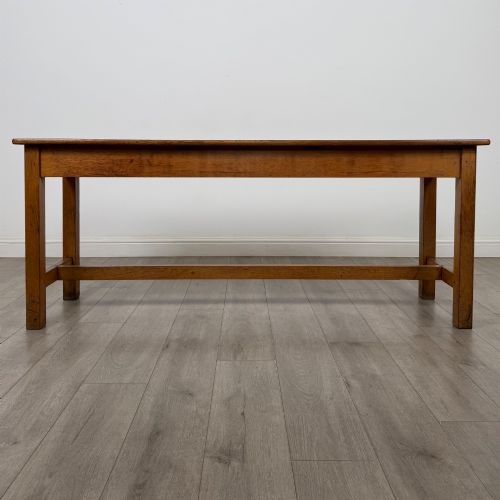
The selection ranges from Victorian mahogany drop-leaf examples and Edwardian oak coffee tables to Georgian style pieces and burr walnut consoles. These tables often feature functional surfaces, drawers, or drop leaves that reflect the domestic requirements of their respective periods.
Materials and construction
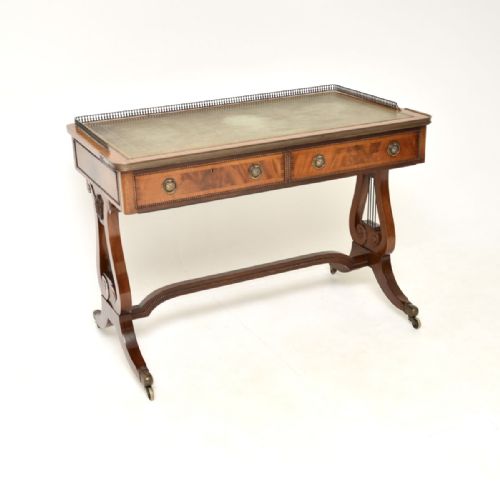
Cabinet makers utilised a rich palette of timbers including mahogany, walnut, burr walnut, oak, elm, cherrywood, hardwood, and pine, frequently pairing them with brass castors, handles, or leather inset writing surfaces. Construction methods relied on solid timber framing, drop leaves supported by swing brackets, and carved or turned leg supports.
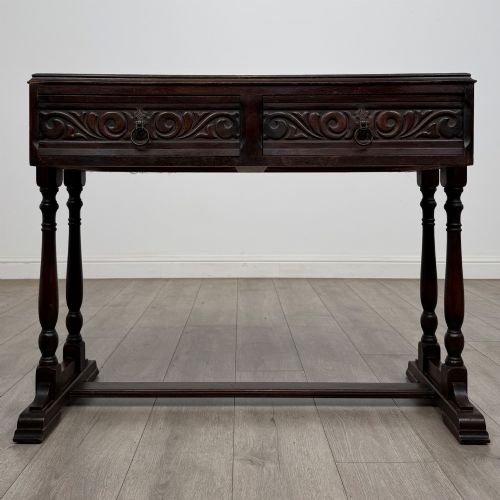
Surface treatments varied from plain polished wood to carved ornamentation, inlaid details, painted finishes, and bobbin turnings. These techniques ensured both durability and decorative appeal across diverse stylistic revivals.
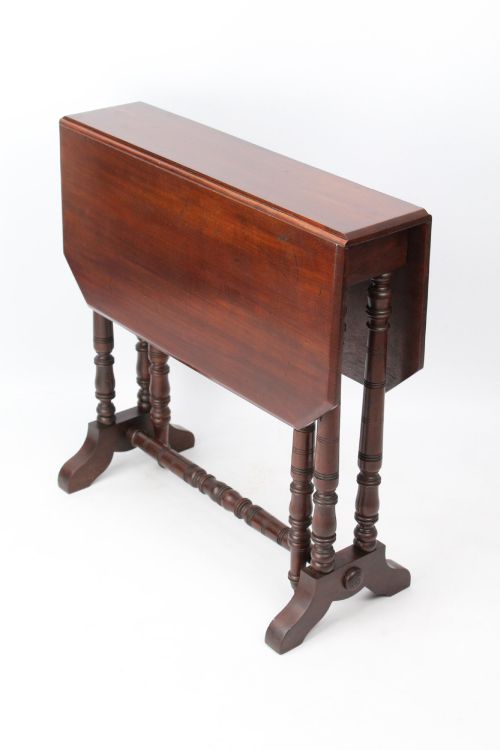
The inventory includes diverse table forms such as Pembroke tables, Sutherland tables, console tables, and library desks.
Distinctions in quality
Quality in these tables is determined by the selection of figured timbers, such as burr walnut or dense mahogany, and the crispness of hand-carved details or inlay. Superior examples display refined proportions, well-fitted drawers, and high-grade secondary woods that maintain structural integrity over centuries.
The sophistication of the joinery and the harmonious integration of functional elements like drop leaves or leather writing inserts separate standard utility furniture from pieces of superior cabinet-making pedigree.
The Traditional Sofa Table Glossary
- Pembroke table
- A small table featuring hinged drop leaves on two opposing sides, typically fitted with a drawer. This form originated in the eighteenth century and suited versatile domestic use.
- Sutherland table
- A narrow table with exceptionally slender drop leaves supported by swinging gate legs. It folds flat for compact storage when not in use.
- Console table
- A table designed to stand flat against a wall, frequently supported by decorative brackets or legs. It often functions as a hall or serving surface.
- Drop leaf
- A hinged section of a table top that can be raised to extend the surface area or lowered when space is restricted. It relies on pivoting wooden or metal supports.
- Bobbin turning
- A form of lathe-turned furniture leg characterised by a sequence of rounded spheres resembling spools or bobbins. This decorative woodwork is common on seventeenth-century revival and Victorian pieces.
Traditional Sofa Table: Frequently Asked Questions
What is a traditional sofa table used for?
These tables provide convenient surface space next to seating or along walls, holding lamps, books, or decorative items.
Many examples include drawers or drop leaves that allow the surface area to expand when extra space is required.
How do I identify a Victorian sofa table?
Victorian examples frequently utilise dense mahogany or walnut, sometimes featuring carved details, inlaid motifs, or bobbin-turned legs.
Construction from this era often incorporates sturdy drop-leaf mechanisms and traditional drawer joinery typical of the nineteenth century.
Where should I place a sofa table?
A sofa table sits comfortably directly behind the back of a freestanding sofa or along an empty hallway wall.
Their slender proportions also make them suitable for use as compact side desks or lamp tables in living rooms.
What is the difference between an Edwardian and a Victorian table?
Victorian tables generally favour heavier timbers like dark mahogany and walnut alongside elaborate carvings or turned supports.
Edwardian pieces often present lighter tones in golden oak or incorporate simpler, cleaner lines reflecting early twentieth-century domestic trends.