

Traditional Sofa Side Tables
Traditional sofa side tables bring functional elegance to a room, offering compact surfaces for lamps, books, and daily use.
Traditional Sofa Side Tables
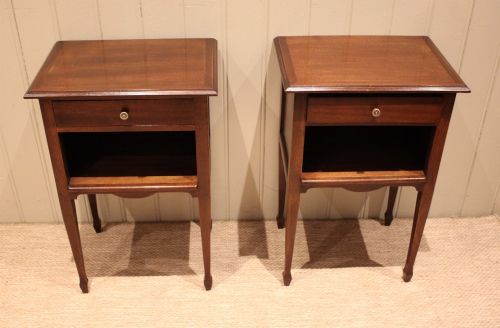
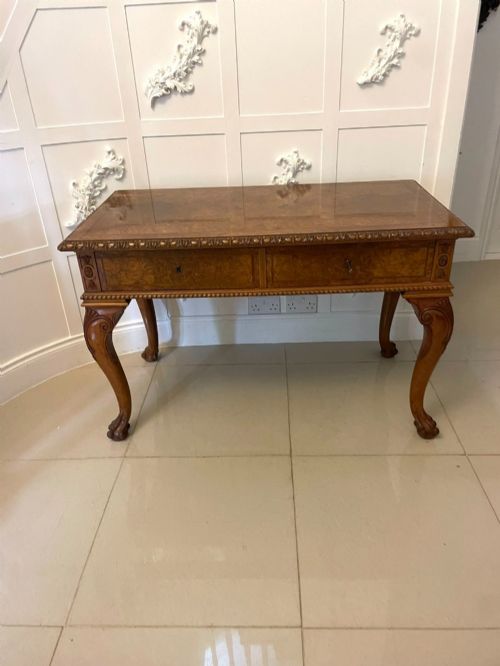
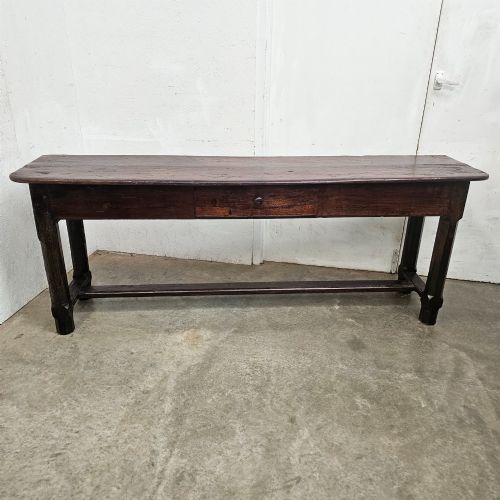
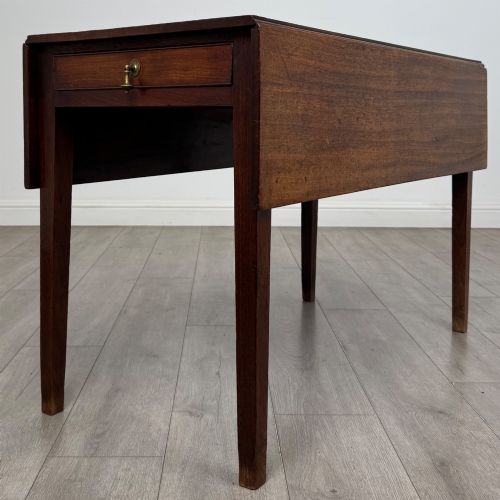
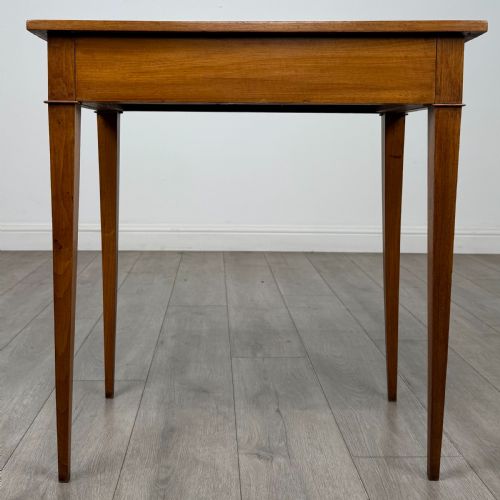
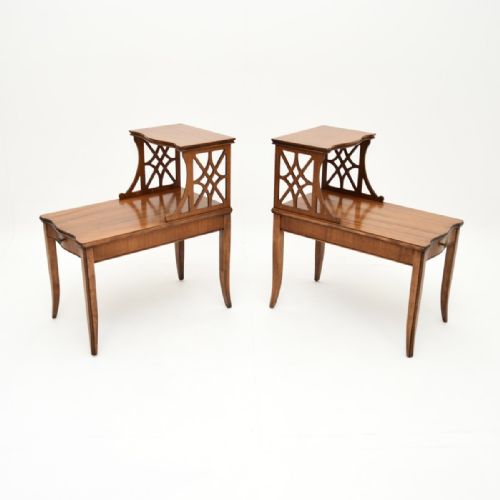
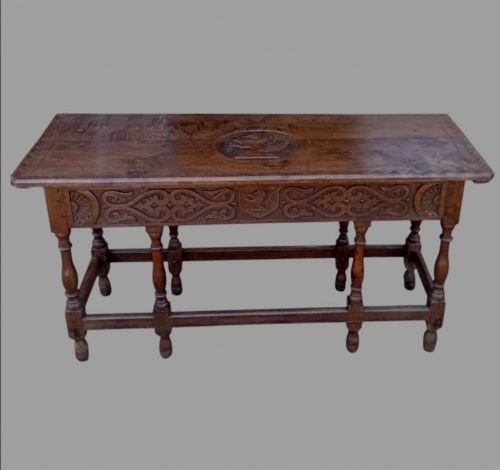
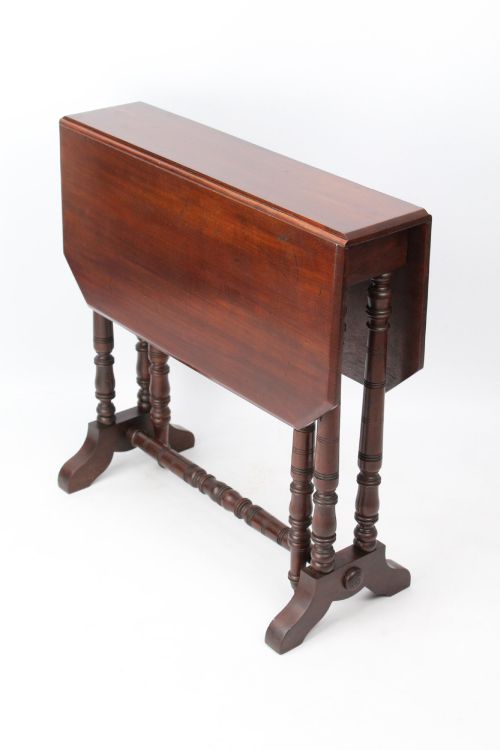
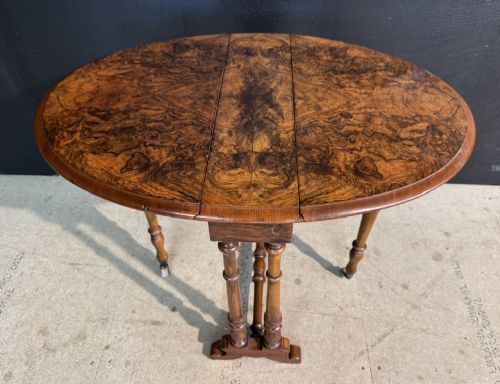
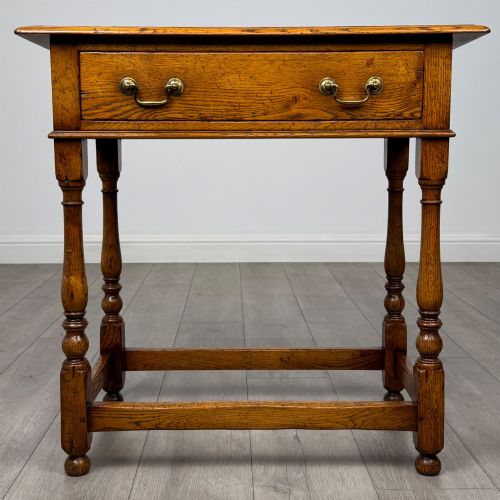
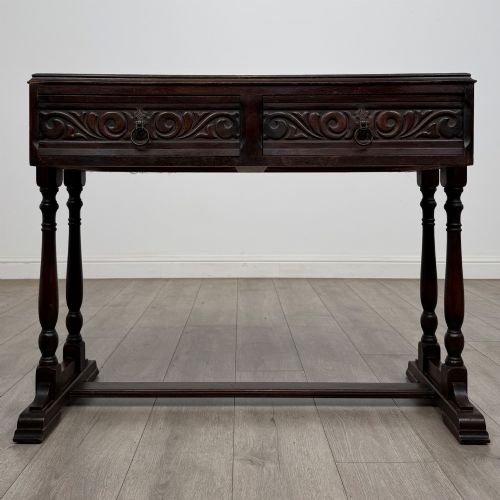
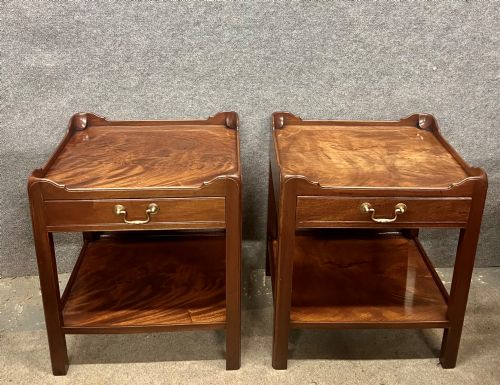
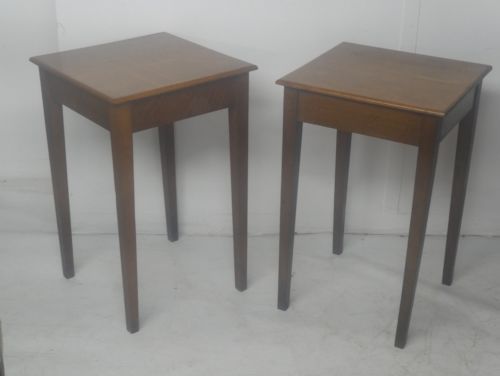
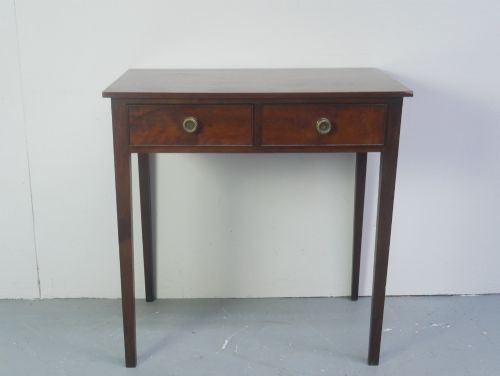
Traditional sofa side tables encompass a wide variety of compact surfaces designed to sit beside seating or against walls, including sutherland tables, Pembroke tables, console tables, and lamp tables. These pieces date across the eighteenth, nineteenth, and early twentieth centuries, reflecting changing domestic habits and interior layouts.
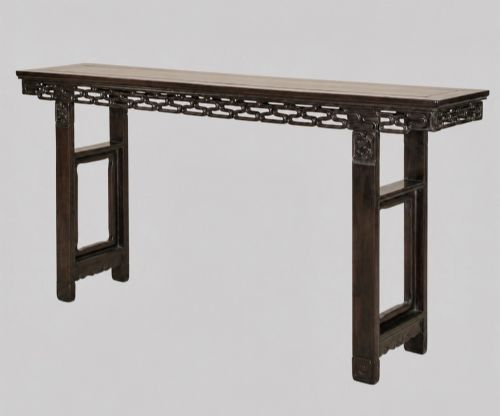
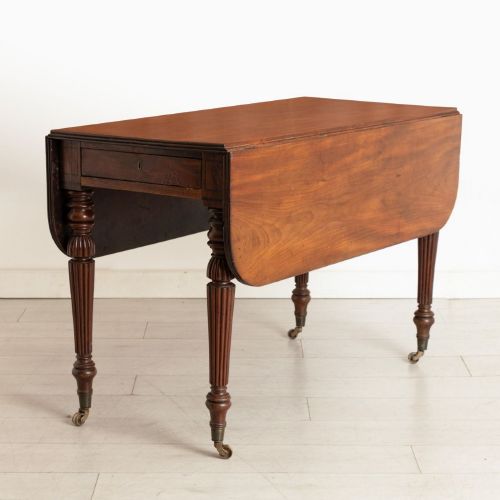
Mahogany and oak predominate among the selections, alongside walnut, burr walnut, elm, pine, and exotic hardwoods from Chinese workshops. Forms range from drop-leaf and gateleg designs to fixed console tables and altar tables.
Victorian and Edwardian iterations, together with Georgian style revivals from the nineteen-thirties, are the versions most frequently encountered by buyers browsing this page.
How they were made
Cabinetmakers utilised solid timbers and selected veneers such as burr walnut and mahogany, applying traditional joinery methods including mortise and tenon frames and dove-tailed drawer construction. Turned legs, carved details, and drop-leaf mechanisms required precise manual carpentry.
Secondary timbers provide structural support beneath primary display surfaces, while brass hinges, castors, and handles finish moving parts. Surface treatments range from polished wax on European hardwoods to traditional lacquer and oil finishes on Chinese elm and hardwood tables.
Traditional Sofa Side Tables Retail Price Guide 2026
Typical asking prices for traditional sofa side tables among the pieces listed under this phrase on Sellingantiques today, from the lower quarter to the upper quarter. They describe what is for sale here now, not the wider market.
Miniature sutherland tables offer all the folding cleverness of full-sized furniture scaled down for dollhouses or cabinet displays.
What varies in quality
The selection of timber grain largely dictates visual appeal, with figured burr walnut and rich flame mahogany commanding greater interest than plain utility woods. Depth of carving, particularly on Jacobean revival oak and Chinese altar tables, indicates the artisan's skill.
Proportion and structural integrity separate standard utility items from finer examples, especially in drop-leaf and sutherland tables where folding hinges and gatelegs must operate smoothly without sagging.
The Traditional Sofa Side Tables Glossary
- Sutherland table
- A narrow drop-leaf table with exceptionally small leaves and slender gatelegs designed to fold flat when not in use.
- Pembroke table
- A small rectangular table featuring two hinged flaps on opposite sides that can be raised to extend the surface area.
- Console table
- A table designed to stand flat against a wall, frequently supported by wall brackets or front legs.
- Gateleg table
- A table with legs hinged to swing outward and support folding drop leaves.
- Altar table
- A traditional Chinese form characterised by an elongated rectangular top and raised flange ends.
Traditional Sofa Side Tables: Frequently Asked Questions
Where should I place a sofa side table?
These tables fit neatly beside armchairs and sofas to hold reading lamps, cups, and small decorative items.
They also function effectively as compact hallway consoles or bedside stands.
How do I identify a Victorian piece?
Victorian furniture often utilises solid mahogany or walnut with turned bobbin legs, rich carved details, or deep polish.
Construction methods from this era typically involve heavier timbers and robust internal framing.
Are drop-leaf tables practical for small spaces?
Drop-leaf and sutherland tables expand when extra surface area is required and fold away tightly against a wall or sofa.
This adaptability makes them ideal for rooms with restricted floor space.
What is the difference between an altar table and a console table?
Altar tables originate from Chinese woodworking traditions, featuring distinctive proportions and timber types like elm and hardwood.
European console tables generally follow classical revival styles in oak, mahogany, or walnut.