

Traditional Small Persian Rug
When you search for a traditional small persian rug, you are looking at handwoven floor coverings originating from nineteenth and early twentieth-century village and tribal workshops.
Traditional Small Persian Rug
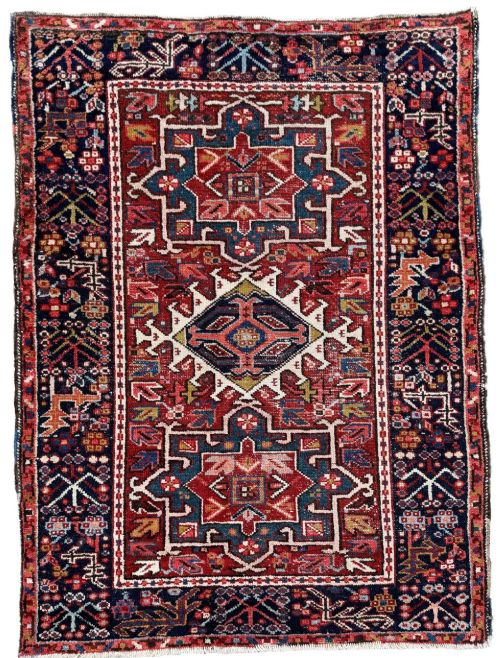
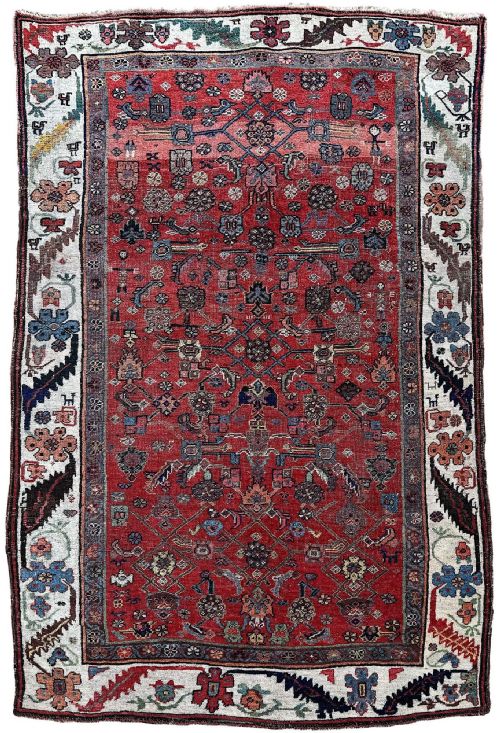
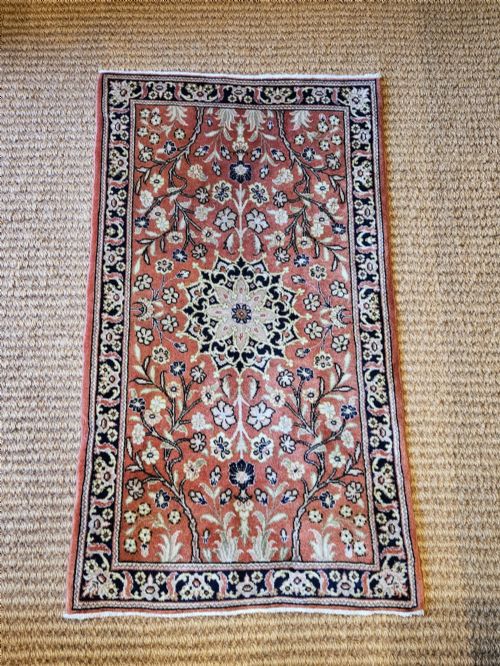
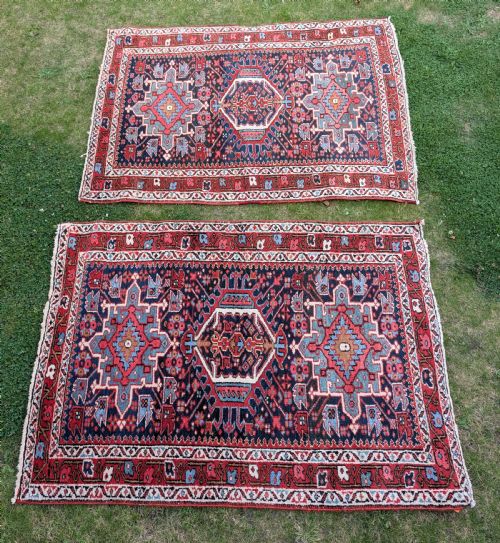
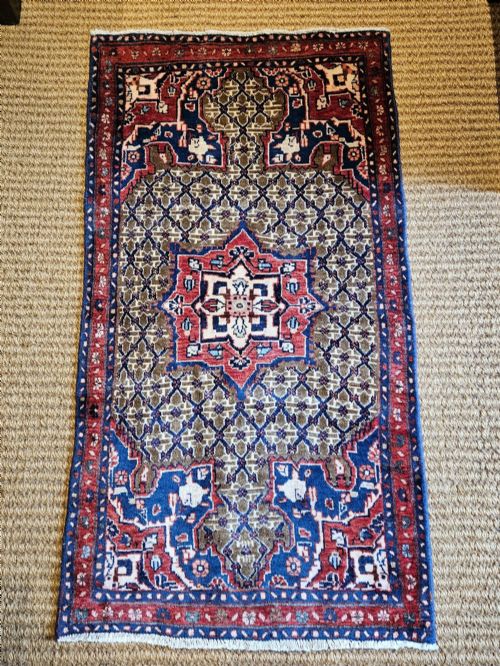
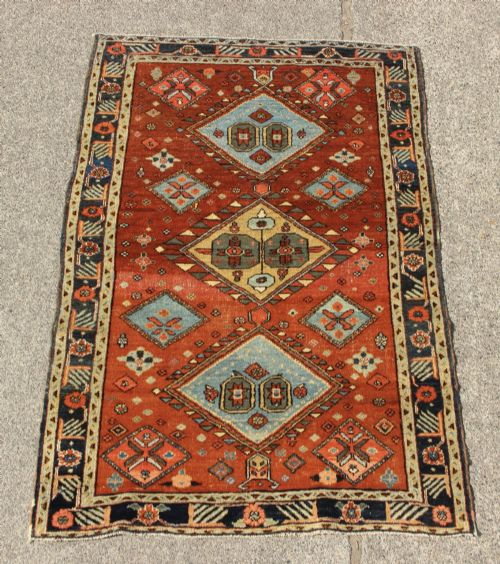
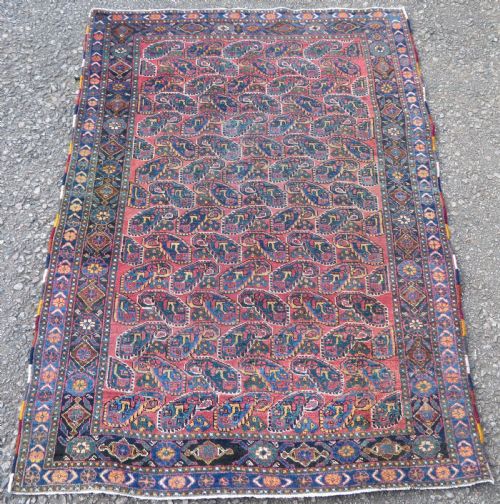
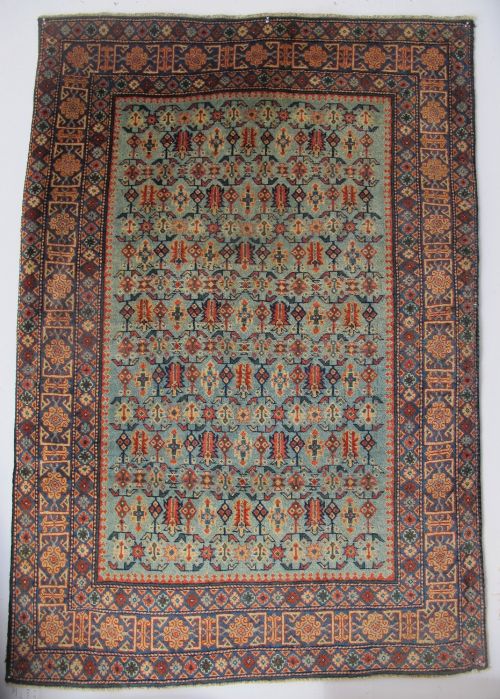
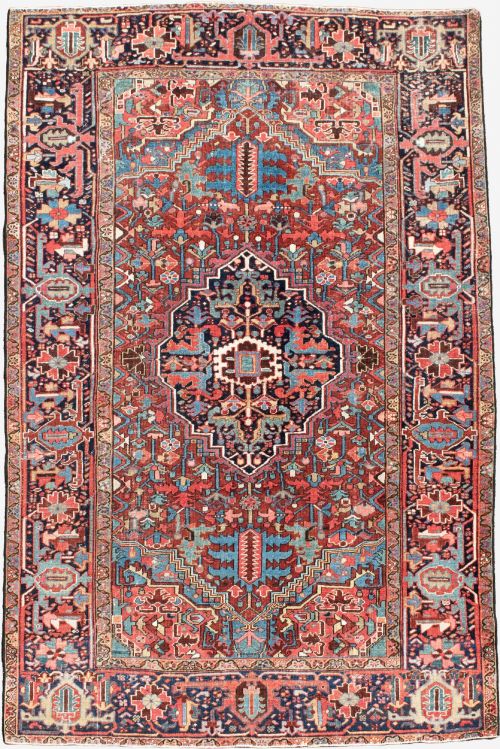
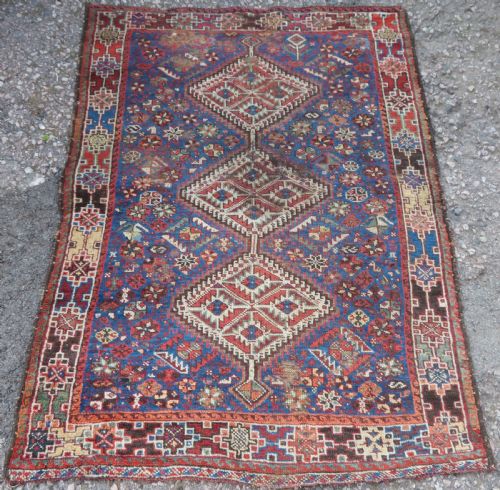
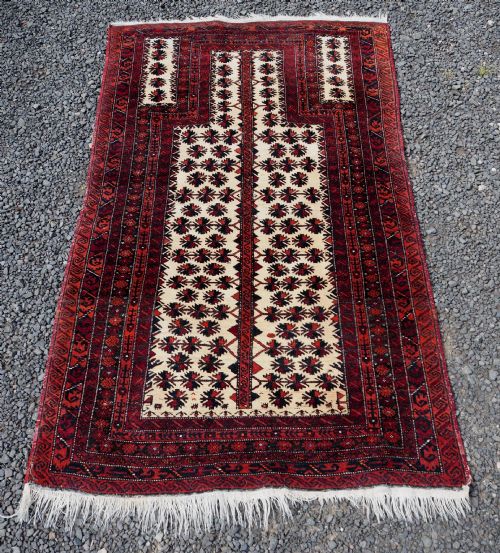
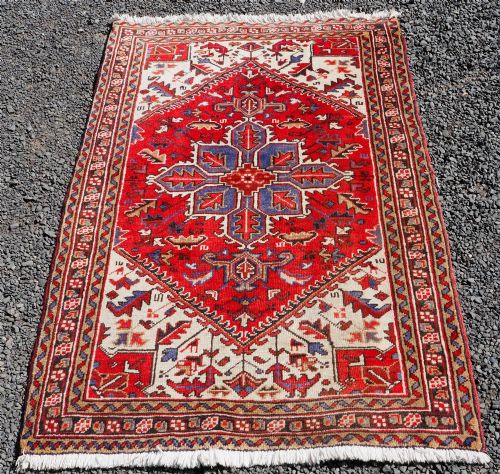
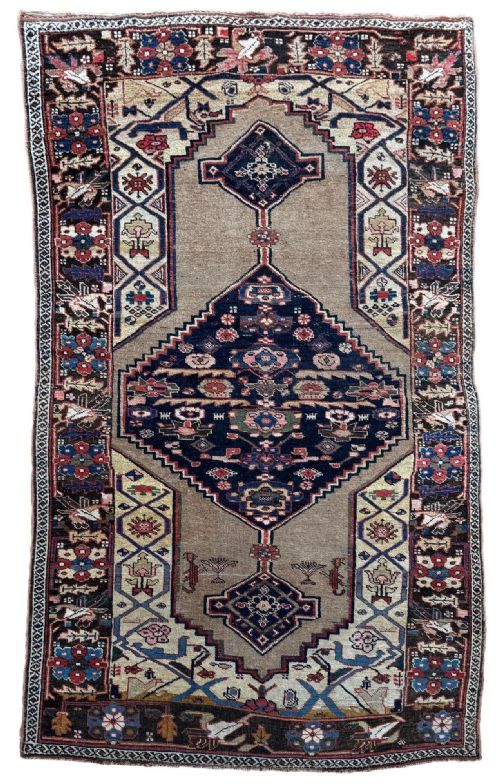
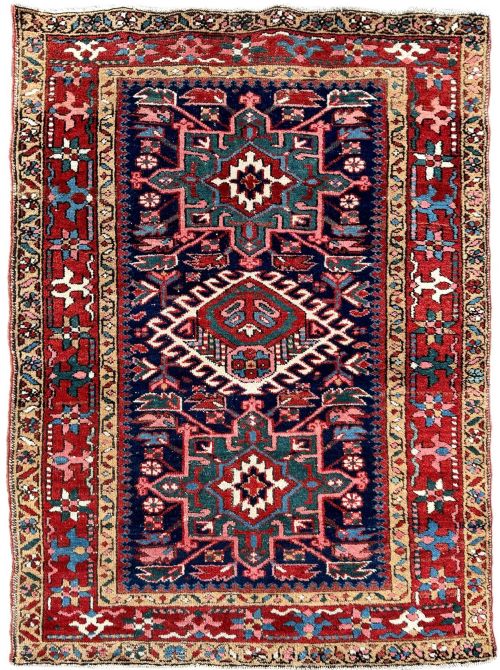
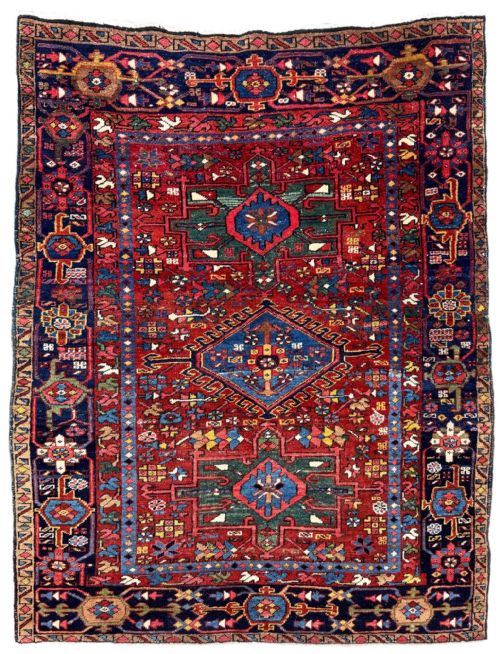
A traditional small persian rug covers compact floor areas, hearths and prayer spaces, appearing in forms such as area rugs, runners and small carpets. The pieces seen here emerge from villages and tribal regions including Heriz, Bidjar, Karaja, Afshar and Hamadan, spanning the nineteenth century through the early decades of the twentieth century.
Most examples measure under two metres in length, utilising formats designed for domestic rooms rather than grand halls. Village weavers typically construct these items on upright looms using geometric motifs or medallion designs passed down through generations.
How they were made
The construction relies predominantly on hand-spun wool pile knotted onto cotton warp foundations, occasionally incorporating natural dyes that yield rich, variable tones. Weavers use asymmetric or symmetric knots tied firmly by hand, creating dense foundations that withstand centuries of daily use.
Materials such as silk and natural dyes appear in specific regional outputs, while the foundational structure often employs a sturdy cotton warp to maintain stability across the rug.
Small nomadic bags known as chantehs appear among the inventory, offering tiny glimpses of full-scale tribal weaving.
What varies in quality
Knot density, structural tightness and the purity of the wool separate standard village pieces from finer workshop productions. Tightly packed knots allow intricate geometric or floral designs to hold their definition sharply across the surface.
The depth and harmony of the dyework dictate visual success, where natural dyes create subtle abrash and varied colour saturation rather than flat, uniform shades.
Heriz weavers·Bidjar workshops·Afshar tribes
The Traditional Small Persian Rug Glossary
- Warp
- The vertical threads stretched lengthwise on a loom that support the entire knotted pile structure.
- Abrash
- Natural variations in colour shading caused by different dye batches or changes in wool lots during weaving.
- Prayer Rug
- A smaller format rug featuring a mihrab or niche design, traditionally used for individual prayer.
- Medallion
- A central ornamental design motif placed in the middle of the field.
- Chanteh
- A small tribal bag or pouch woven in similar techniques to larger rugs.
Traditional Small Persian Rug: Frequently Asked Questions
Where were traditional small persian rugs made?
These pieces originate from various villages, towns and nomadic tribal regions across Persia, including Heriz, Bidjar, Karaja, Hamadan and Afshar territories. Each district developed distinct regional patterns, palette choices and weaving structures.
Local weavers utilised materials sourced from their immediate surroundings, applying traditional geometric and floral motifs that identify the provenance of each rug.
How do I care for an antique wool rug?
Regular gentle vacuuming without a rotating brush roll prevents dust accumulation within the wool pile. Professional cleaning suited to antique textiles ensures the natural dyes and wool foundations remain protected over time.
Keeping the rug away from prolonged direct sunlight preserves the original tones of the natural dyes used by the weavers.
What is the difference between village and tribal rugs?
Tribal rugs are woven by nomadic or semi-nomadic groups on portable horizontal looms, often featuring memory-based geometric designs and bold, improvised layouts. Village rugs are typically produced in settled communities on fixed vertical looms, yielding more structured and symmetrical patterns.
Both categories share hand-spun wool materials and traditional dying methods characteristic of early twentieth and nineteenth-century production.
How can I tell the age of a persian rug?
Age is determined by evaluating the materials, such as hand-spun wool and natural dyes, alongside structural wear patterns and knot construction techniques. Pieces dating from the nineteenth and early twentieth centuries display distinct fading and structural characteristics associated with traditional hand-craft methods.
Regional styles also shift across decades, helping narrow down the period of manufacture when compared against known historical examples.