


Traditional Side Chair Pair
A traditional side chair pair offers balanced seating and symmetry, bringing matched historic character to dining rooms and hallways.
Traditional Side Chair Pair
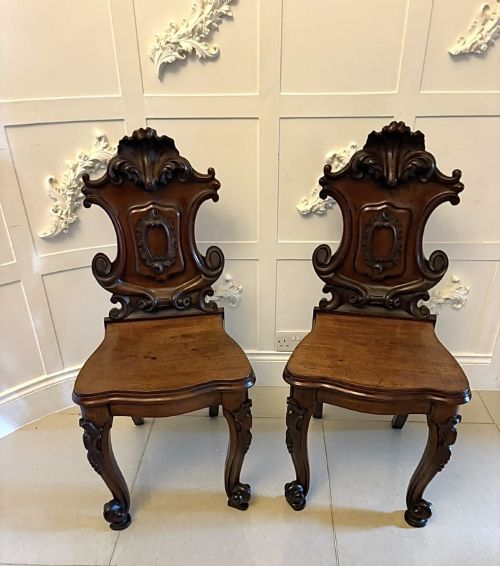
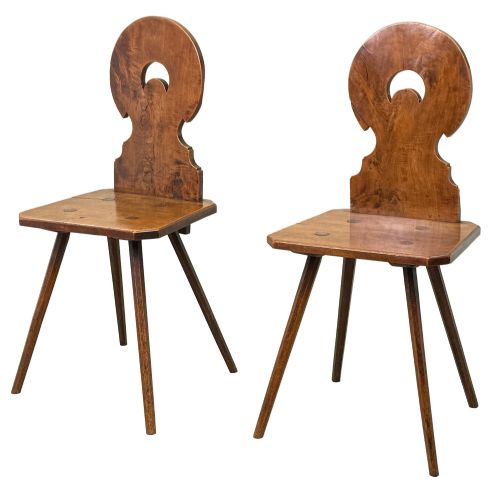
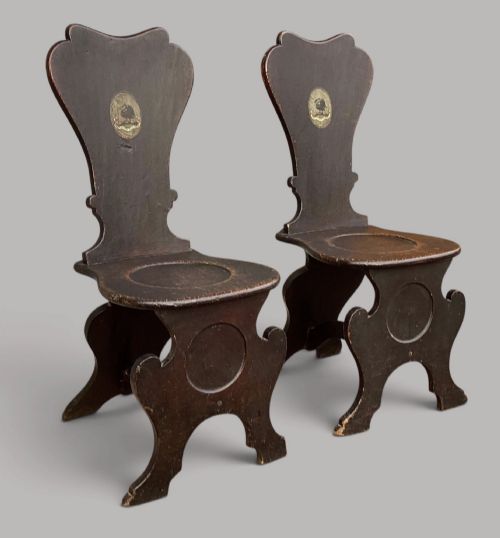
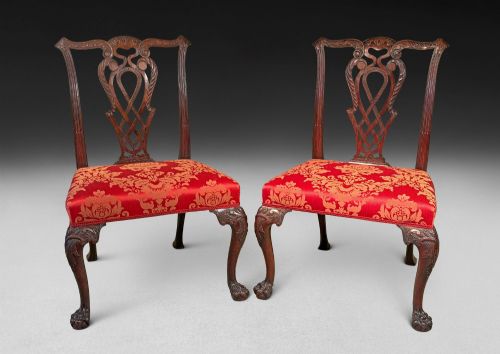
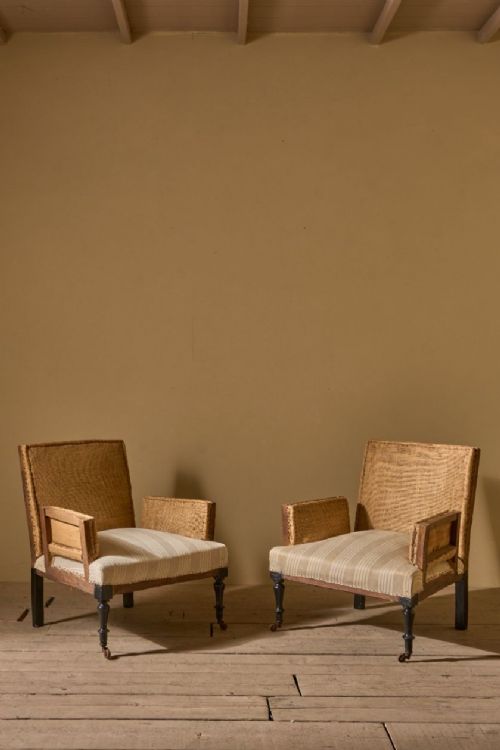
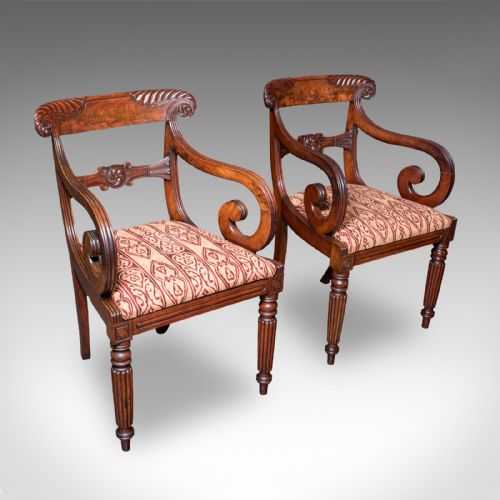
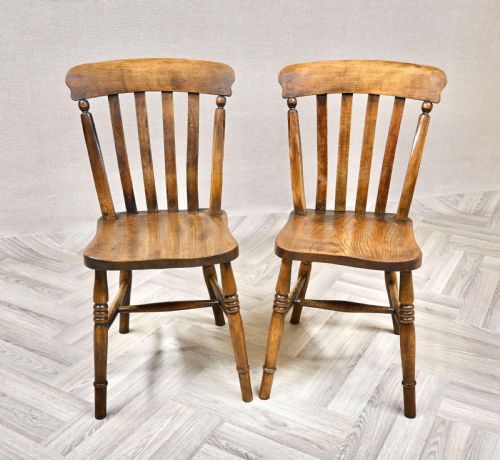
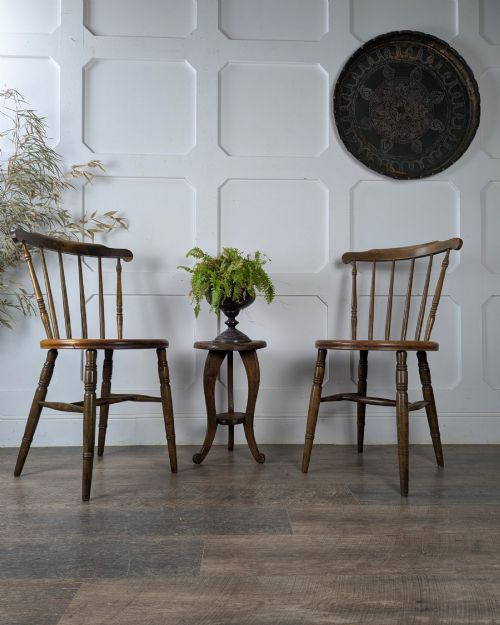
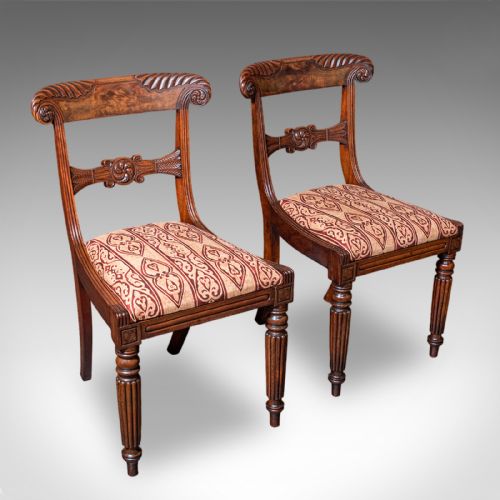
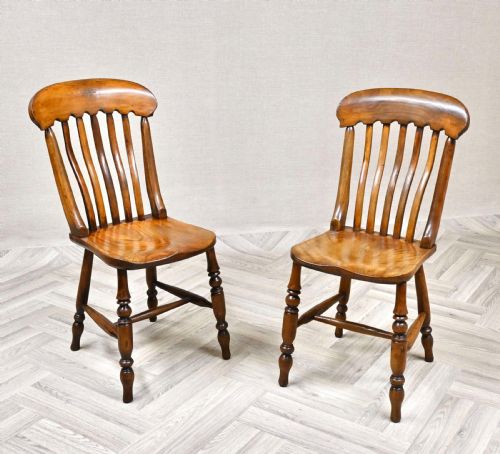
A traditional side chair pair consists of two matching seats designed for dining spaces, hallways, and reception rooms without the armrests typical of armchairs. These pairs span centuries of design, with particular representation from the 18th century, Victorian era, and Regency period.
Materials and construction
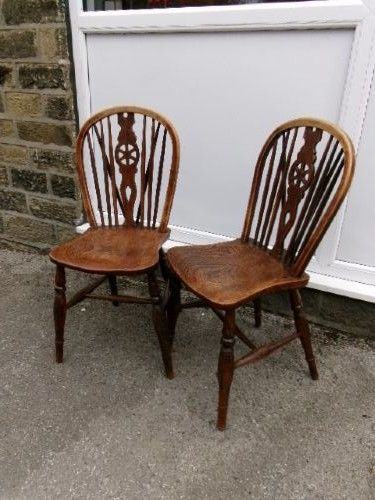
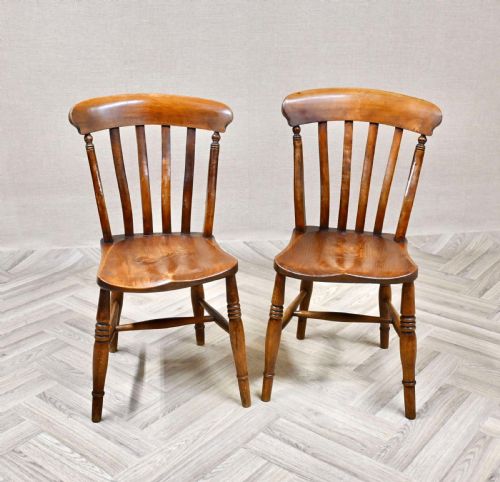
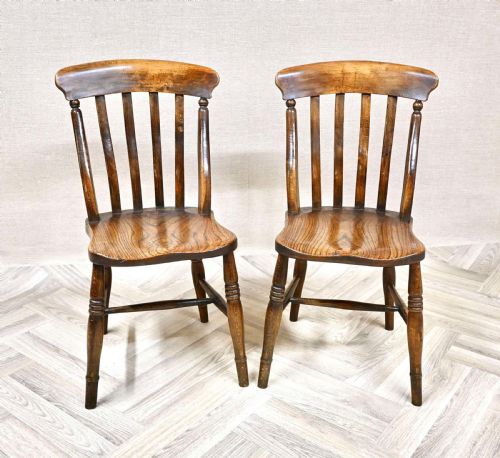
Cabinet makers and country joiners utilised timber such as mahogany, oak, elm, walnut, and beech, selecting woods for strength and grain pattern. Construction methods include traditional joinery like bobbin turning, intricate hand carving, and steam bending for spindle-backed Windsor designs.
Upholstered versions incorporate materials like leather and specialist fabric, while specific pieces feature brass details or cane work. The physical build ranges from heavy hardwood frames to lighter country kitchen seating designed for daily utility.
Traditional Side Chair Pair Retail Price Guide 2026
Typical asking prices for traditional side chair pair among the pieces listed under this phrase on Sellingantiques today, from the lower quarter to the upper quarter. They describe what is for sale here now, not the wider market.
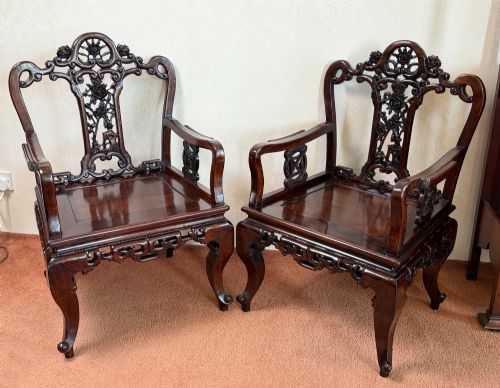
Several pairs include gossip chairs and concave concubine seats designed for Victorian and Chinese domestic comfort.
Distinctions in quality
Quality in a traditional side chair pair is evident in the crispness of hand carving, the selection of figured timbers like Cuban mahogany or walnut, and the integrity of the original joinery. Finer pairs demonstrate careful proportion and balanced timber matching across both seats.
The distinction between utilitarian kitchen seating and formal reception chairs lies in the refinement of the turning, the depth of the carving, and whether secondary woods were used discreetly to support primary show timbers.
Charles Tozer
The Traditional Side Chair Pair Glossary
- Windsor chair
- A wooden chair built with a heavy solid timber seat into which the legs and back spindles are separately inserted. They often feature lathbacks or wheelbacks.
- Hall chair
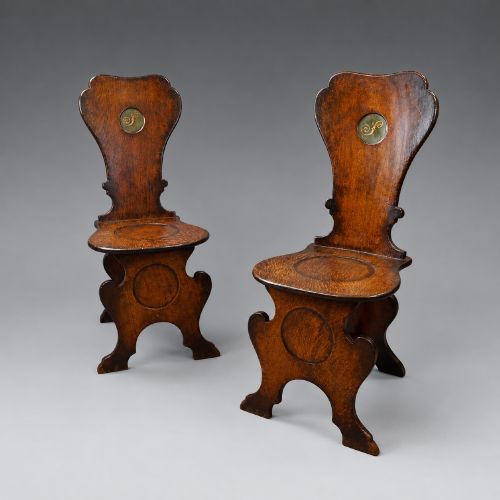
- A rigid wooden seat traditionally placed in entrance halls, frequently featuring carved backs and solid timber seats without upholstery.
- Bobbin turned
- A form of woodturning where the lathe creates a series of rounded, spool-like shapes along the length of a chair leg or stretcher.
- Sgabello
- A Renaissance-style chair type featuring a solid back and board-like legs, often used in hallways.
- Chinese Chippendale
- A style of 18th-century furniture design incorporating intricate fretwork and lattice patterns inspired by Chinese motifs.
Traditional Side Chair Pair: Frequently Asked Questions
What is a traditional side chair pair used for?
These pairs provide balanced seating arrangements in dining rooms, bedrooms, and entrance halls where symmetry matters.
Historically, they served as functional seating for guests and family members in formal and domestic interiors alike.
How do I tell an 18th-century chair from a Victorian one?
Eighteenth-century examples often display simpler, structural lines or restrained carving in dense timbers like oak and mahogany. Victorian pieces frequently lean into revival styles with heavier ornamentation and varied upholstery.
Examining the construction joints and timber ageing helps clarify the period of manufacture.
Are these chairs comfortable for daily dining?
Many wooden side chairs and Windsor designs offer supportive upright seating well suited for long meals. Upholstered versions with leather or fabric pads provide softer cushioning.
Consider the seat height and back angle to ensure comfort matches your dining table.
Can I mix these pairs with modern furniture?
A matched historic pair introduces texture and warmth, anchoring a contemporary room with traditional craftsmanship. Their timber tones complement both minimalist and eclectic modern schemes.
Placing them as accent seats or around a plain dining table highlights their distinct form.