



Traditional Shirvan Rug
These traditional shirvan rug pieces are Caucasian woven textiles offering geometric patterns and hand-spun wool that anchor a room with distinct regional character.
Traditional Shirvan Rug
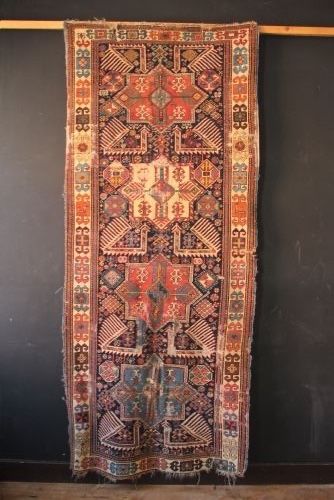
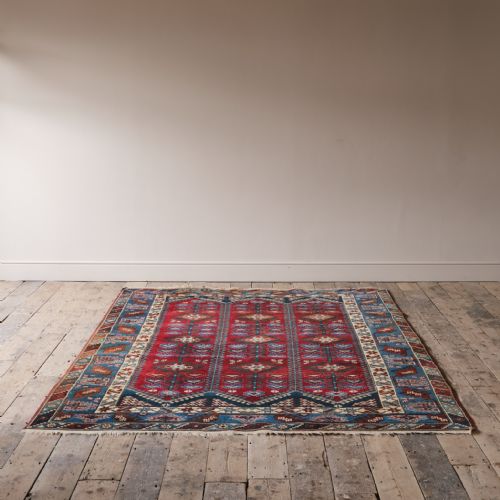
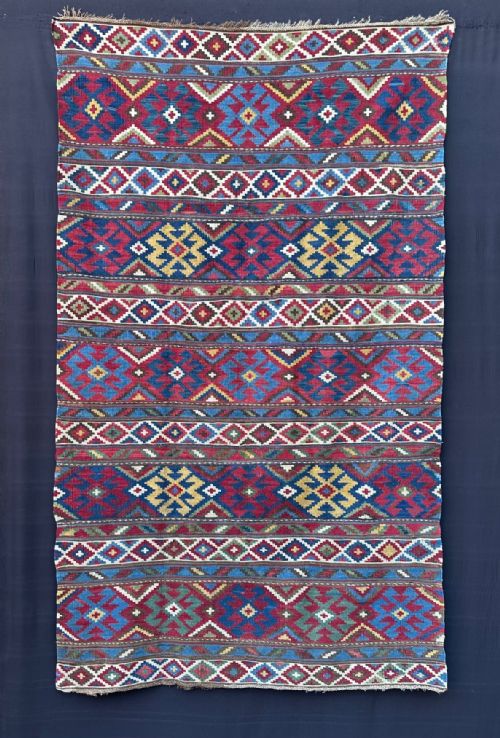
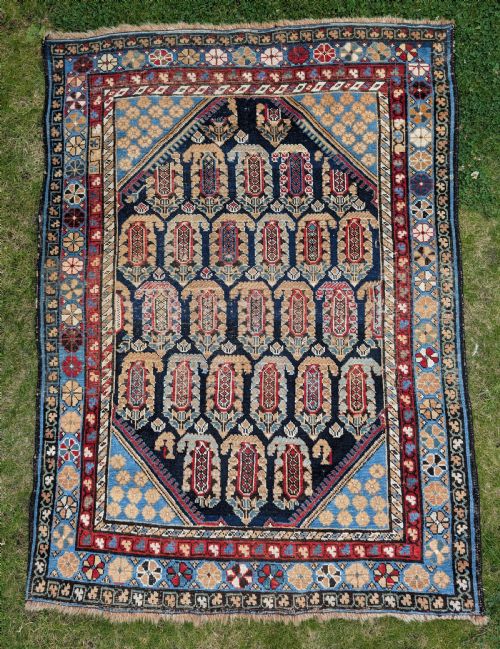
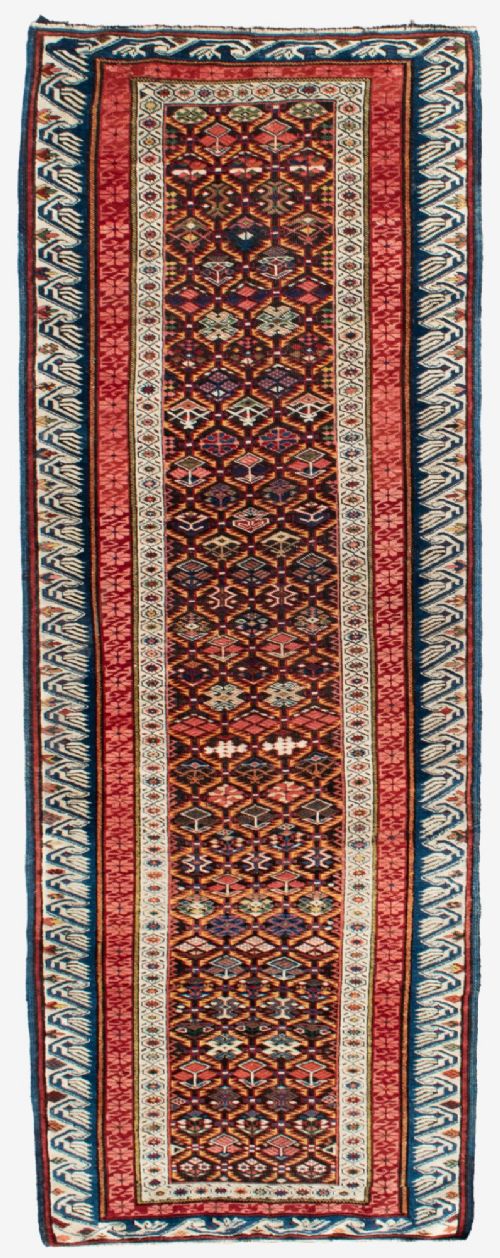
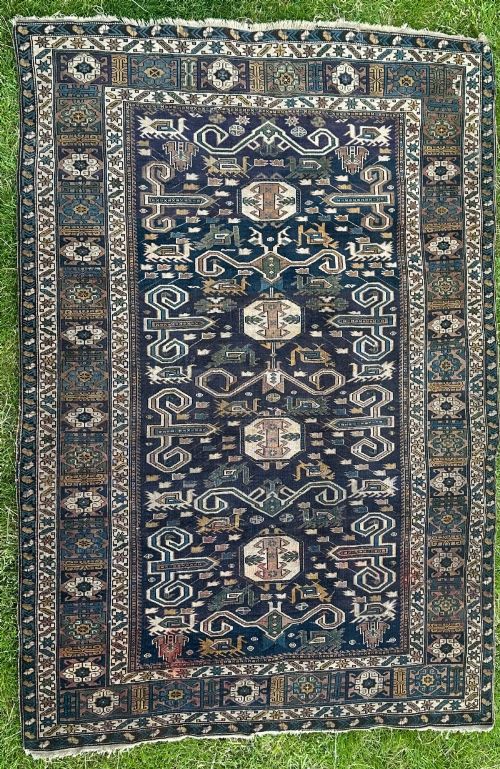
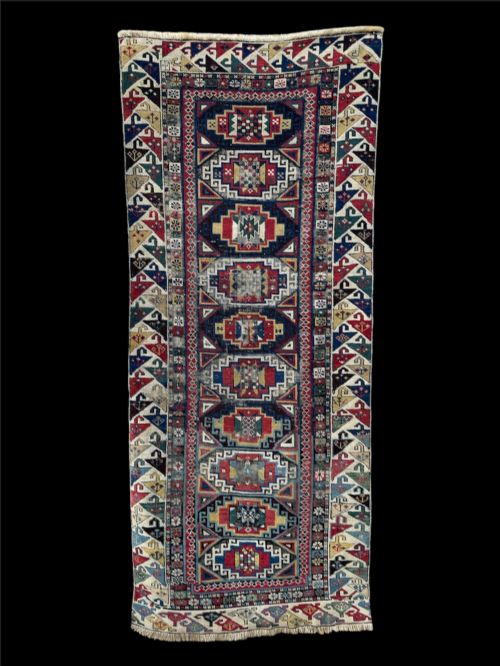
A traditional shirvan rug originates from the Eastern Caucasus region, spanning periods from the Victorian era and the late nineteenth century through to the early twentieth century. Buyers encounter these pieces in various floor-covering formats, including standard rugs, long runners, prayer rugs, and flat-woven kilims.
Designs incorporate distinct regional motifs such as floral lattices, star and lattice patterns, gymyl medallions, and bird rug imagery. Colour palettes often feature striking blue grounds and soft faded tones on wool foundations.
Materials and construction methods
Weavers utilised natural materials, constructing these textiles primarily from wool and hand-spun wool combined with cotton foundations. This pairing of traditional fibre types provides the characteristic pile and durable structure inherent to Caucasian weaving traditions.
Production techniques range from knotted pile carpets to fine flat-woven kilims and saddle bags. The regional workshops and nomadic weavers employed hand-knotting methods that produced tight structures suited to long-term domestic use.
Traditional Shirvan Rug Retail Price Guide 2026
Typical asking prices for traditional shirvan rug among the pieces listed under this phrase on Sellingantiques today, from the lower quarter to the upper quarter. They describe what is for sale here now, not the wider market.
Current selections span nineteenth-century Victorian pieces to early twentieth-century examples, incorporating cotton foundations alongside standard and hand-spun wool.
Elements that distinguish better examples
Quality rests in the crispness of the geometric drawing, the complexity of the design layout, and the condition of the weave. Pieces featuring well-preserved blue grounds or intricate lattice work hold particular distinction among regional weaving.
The integrity of the hand-spun wool pile and the survival of the original edges and ends dictate the grade of preservation. Finer knot density and clarity in regional motifs separate standard room coverings from more desirable collectable formats.
The Traditional Shirvan Rug Glossary
- Prayer rug
- A textile featuring a mihrab or niche design intended for devotional use. These pieces often incorporate specific architectural framing within the borders.
- Kilim
- A flat-woven carpet or rug produced without a pile. These items rely on interlocking weft threads to form crisp geometric patterns.
- Runner
- A long, narrow carpet format designed for corridors or hallways. Such pieces display repeating medallions or linear field arrangements.
- Caucasian
- Pertaining to the region between the Black Sea and the Caspian Sea where distinct tribal weaving traditions developed. This descriptor groups various local styles under a shared geographic origin.
- Hand-spun wool
- Yarn spun by hand rather than by industrial machinery. This material retains natural lanolin and accepts traditional dye variations unevenly, creating subtle tonal depth.
Traditional Shirvan Rug: Frequently Asked Questions
How do I identify a Shirvan rug?
Look for crisp geometric motifs, floral lattices, and specific regional medallions characteristic of Eastern Caucasus production. The use of hand-spun wool and traditional colour palettes further assists identification.
Compare the knotting structure and secondary motifs with known regional types like Seichur or Kuba. Surviving examples typically date from the nineteenth or early twentieth century.
Where were these rugs made?
These textiles originate from the Shirvan region situated in the Eastern Caucasus. Weavers in local towns and nomadic camps produced them for domestic use and trade.
The geographic positioning between major trade routes influenced the design vocabulary, blending Persian tribal elements with distinct Caucasian structures.
Are these rugs suitable for hallways?
Many pieces exist in narrow runner formats specifically proportioned for corridors and hallways. Their durable wool construction withstands moderate foot traffic when placed correctly.
Utilising a proper underlay helps protect the historic cotton and wool foundation from premature wear on hard flooring.
How should I care for my rug?
Vacuum gently with the suction attachment, avoiding rotating brush heads that can catch hand-spun wool pile. Professional cleaning suited to antique textiles preserves the natural fibres.
Keep the textile out of direct sunlight to prevent fading of natural dyes, and periodically rotate the placement to ensure even wear.