

Traditional Scottish Art
Traditional Scottish art gathers together oil paintings, pottery and textiles from the nineteenth and early twentieth centuries.
Traditional Scottish Art
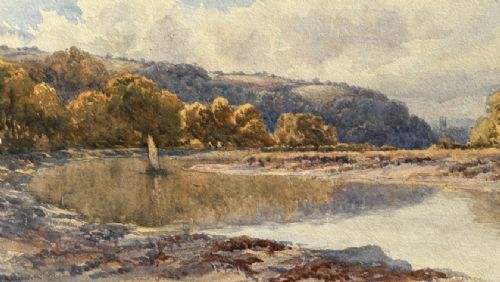
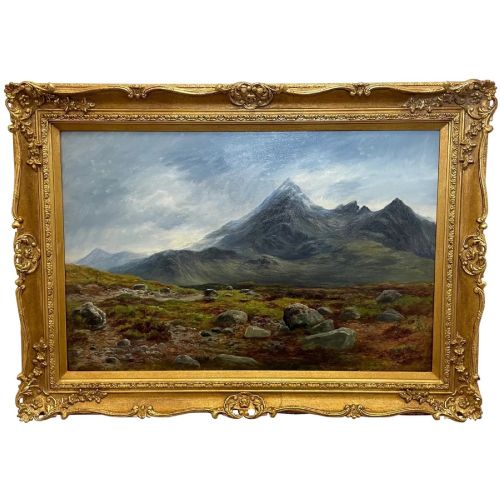
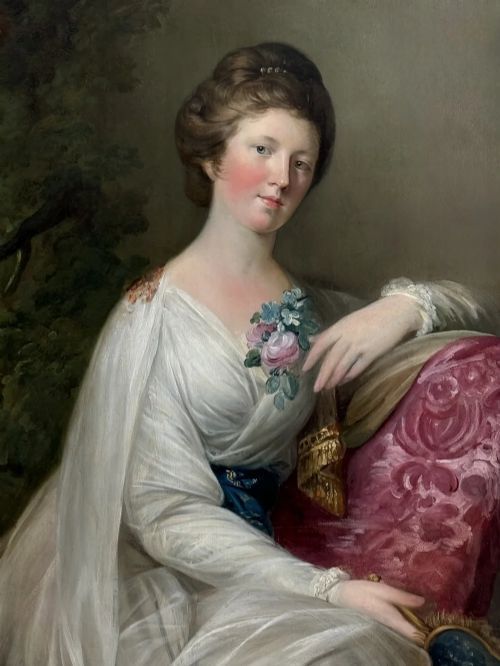
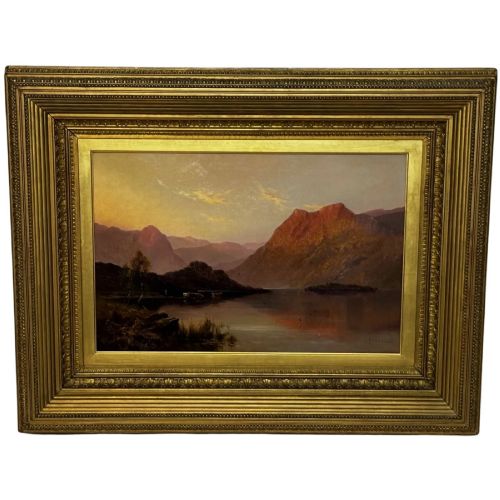
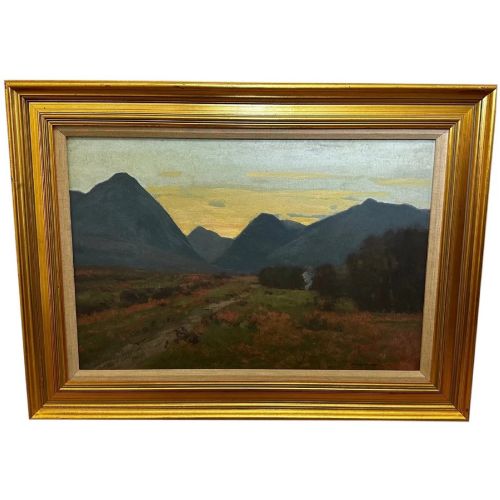
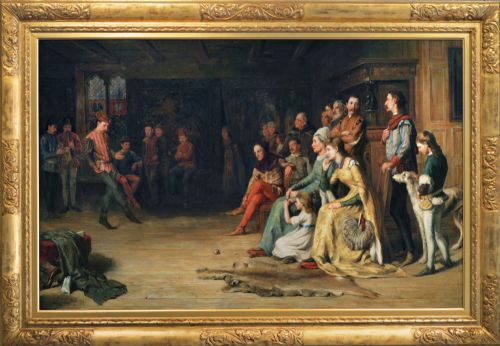
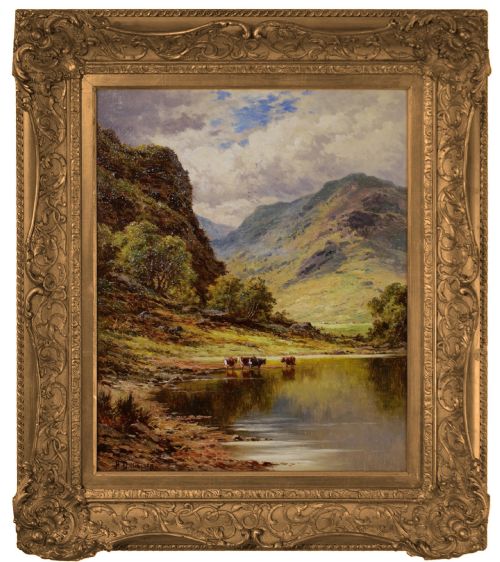
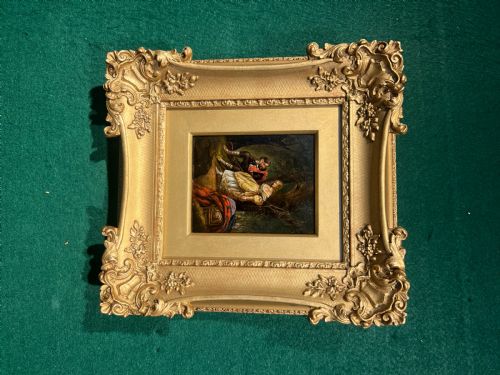
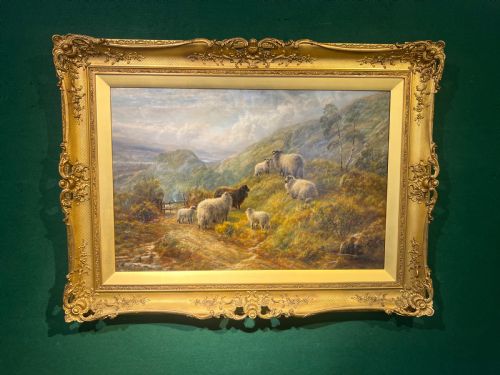
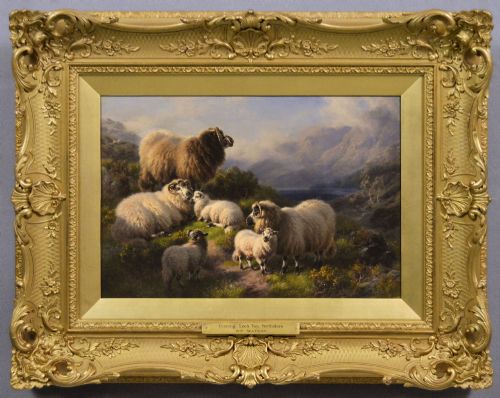
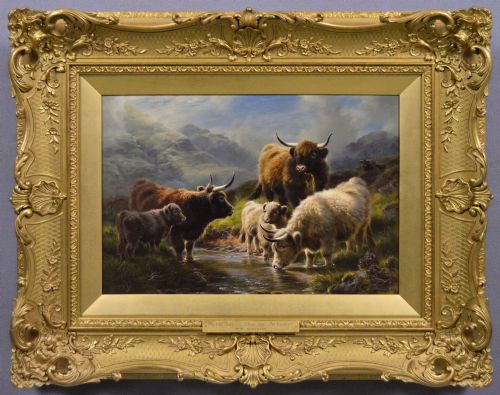
Traditional Scottish art centres on nineteenth- and early-twentieth-century oil paintings capturing Highland landscapes, cattle and figures. These canvases range from intimate panels to large works framed in giltwood and gesso.
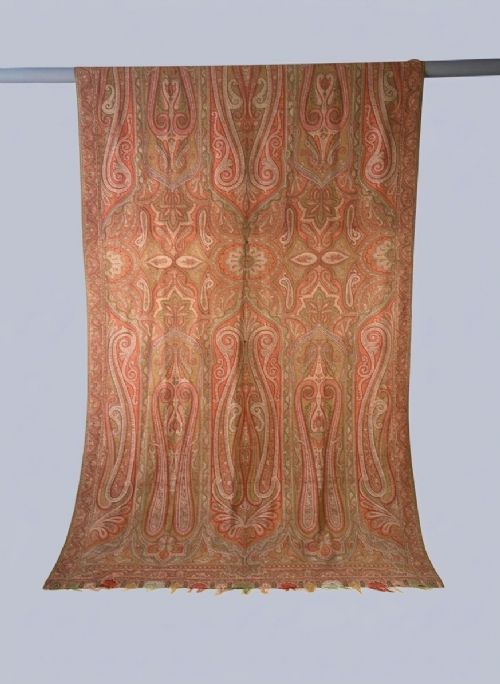
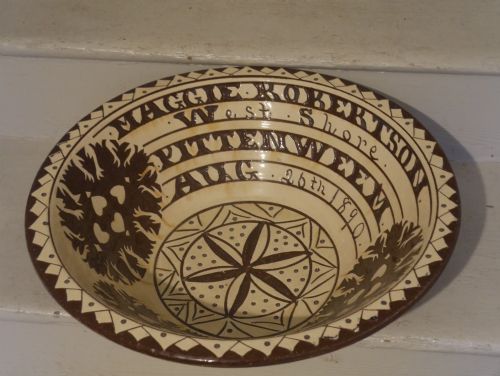
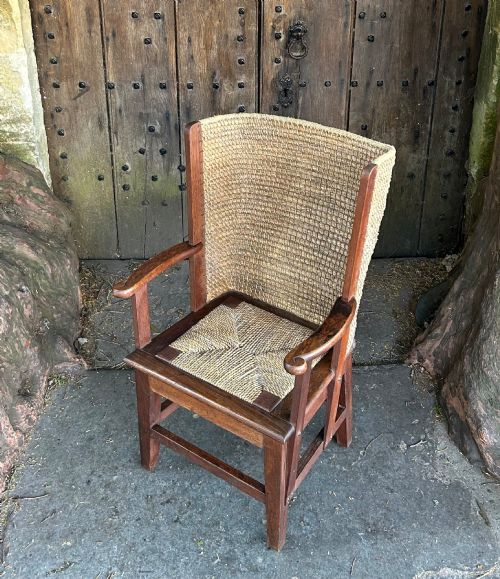
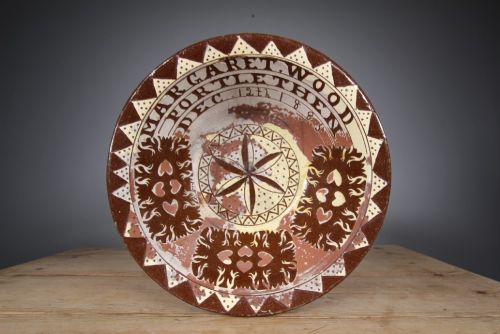
Beyond paintings, the phrase encompasses vernacular items such as oak Orkney chairs, slipware dairy bowls from Seaton pottery, and Paisley wool shawls. Each piece reflects the material culture and domestic life of Scotland across the Victorian and Edwardian eras.
The regional schools and individual artists active during this period form the core of what collectors encounter. Landscapes featuring lochs, glens and sheep dominate the pictorial works available.
Materials and construction
Painters utilised oil paint on canvas and wood panels, often applying thick brushwork to render Highland weather and texture. Frames were constructed from wood and finished with intricate gesso and giltwood mouldings.
Pottery items like dairy bowls were thrown in clay and finished with traditional slip glazes, while textiles relied on fine wool woven into patterned shawls. Furniture such as Orkney chairs combined native wood frames with hand-woven straw backs.
Listings feature nineteen-century oil on canvas paintings, oak furniture, and pottery from Seaton.
Markers of quality
Quality rests upon the handling of light and atmosphere in the painted landscapes, alongside the reputation of the recording artist. Works by established Royal Scottish Academicians display superior draftsmanship and command greater attention.
In utilitarian objects and textiles, condition and structural integrity dictate worth. Intact straw work on chairs and unblemished glaze on slipware separate everyday utility items from finer surviving examples.
William Beattie Brown·Tom Campbell·George Willison·Alfred Fontville de Breanski·George Houston·Henry H Parker·Robert Watson·William Watson Jnr·Charles Leslie·William Watt Milne·Alexander Wellwood Rattray·Everett Watson Mellor·Archibald Kay·Henry Robinson Hall·Frank Hider·William Grant Murray·John A Houston·John Douglas Perrett
The Traditional Scottish Art Glossary
- Gesso
- A plaster mix used on wooden frames to create decorative relief before gilding. It provides a smooth base for gold leaf applications on Victorian frames.
- Slipware
- Pottery decorated with liquid clay before firing. This technique produced robust domestic vessels such as dairy bowls.
- Quaich
- A traditional Scottish two-handled drinking vessel. These shallow bowls appear in silver and wood for ceremonial toasts.
- Impressionism
- A style focused on light and movement rather than precise detail. Scottish practitioners applied these looser brushstrokes to Highland scenery.
- Vernacular
- Everyday objects made by local craftspeople for practical use. Examples include Orkney chairs and regional pottery.
Traditional Scottish Art: Frequently Asked Questions
What periods do these pieces date from?
The inventory spans the Georgian, Victorian and Edwardian eras, with most items produced during the nineteenth and early twentieth centuries.
Dates extend from the late eighteenth century up to the 1930s, capturing distinct stylistic shifts in Scottish craftsmanship.
Are the oil paintings signed?
Many of the canvases and wood panels bear signatures or initials from listed artists associated with the Scottish school. Documentation on the reverse often provides further provenance.
Unsigned works typically attribute to regional schools or anonymous makers working within the same aesthetic traditions.
How should I care for oil paintings?
Keep canvases away from direct sunlight and steady humidity levels to prevent the oil paint and canvas from cracking. Dust frames gently with a dry, soft brush.
Avoid using liquid cleaners on both the painted surface and the giltwood frames to preserve the original finish.
What is an Orkney chair?
An Orkney chair is a distinctive piece of vernacular seating featuring a high straw back woven onto a wooden frame. They were designed to keep crofters protected from draughts in stone cottages.
Full-sized oak variants utilise traditional woodworking joints alongside native oat straw binding.
Where were Seaton pottery bowls made?
Seaton pottery was produced in Scotland, creating utilitarian vessels like dairy bowls finished with slipware glazes. These pieces served practical domestic functions in rural kitchens.
Surviving examples often feature inscribed dates and substantial earthenware bodies.