


Traditional Rustic Rocker
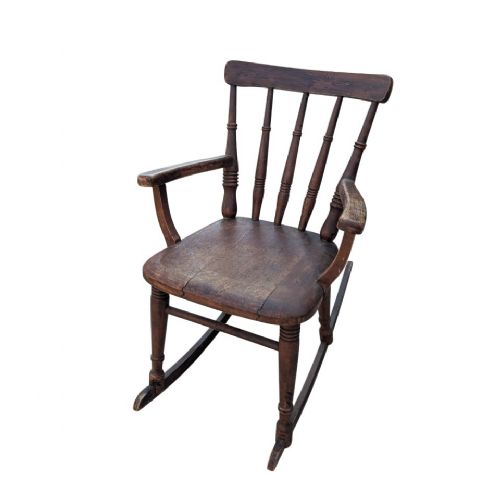
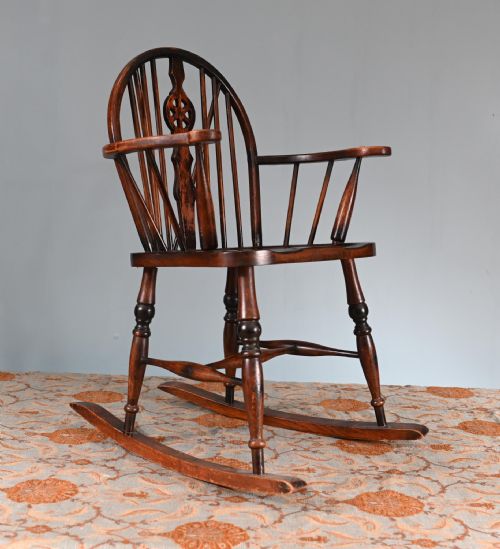
These traditional rustic rocker pieces are vernacular seating built for comfort, and you want one for the honest charm they bring to a room.
Traditional Rustic Rocker
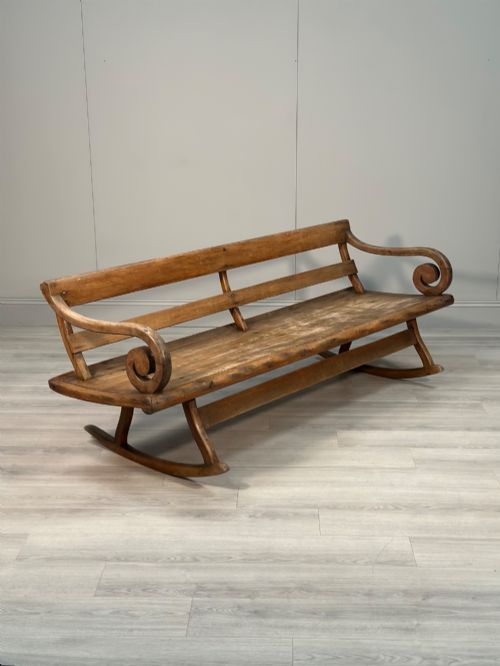
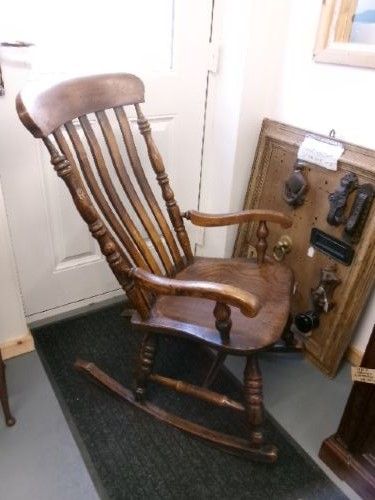
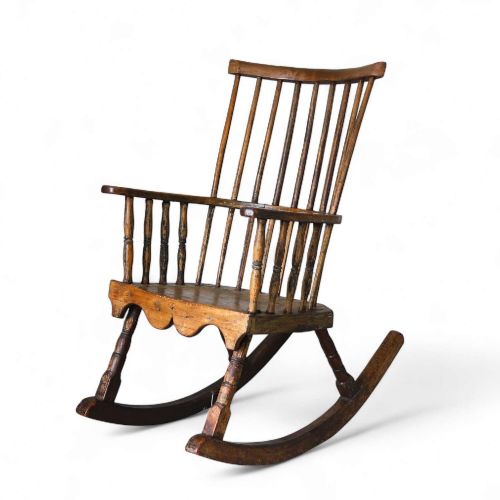
When you search for a traditional rustic rocker, you encounter heavy-framed chairs and cradles shaped by country makers from the eighteenth century to the twentieth century. These pieces encompass Windsor forms, ladder backs, comb-backs, and rocking settles originating from English, Scottish, American, and Scandinavian traditions.
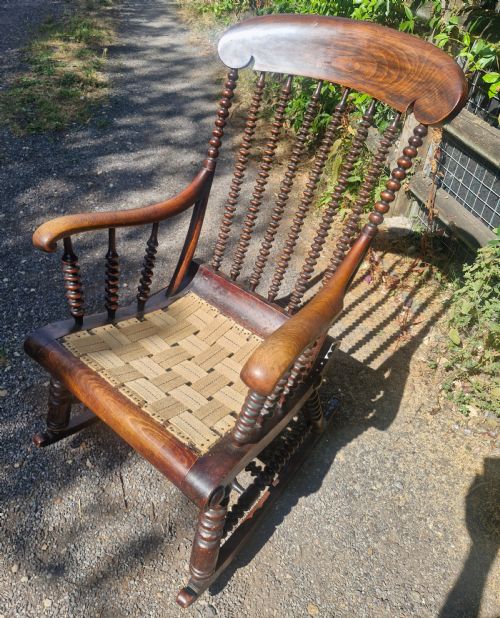
You are most likely to meet nineteenth-century examples on this page, particularly Windsor armchairs and spindle-backed or bobbin-framed rocking chairs. These domestic items range from adult armchairs to child-sized rocking chairs and panelled pine cradles.
Woods and construction methods
Makers relied on local native timbers such as oak, elm, beech, ash, pine, and sycamore to build these sturdy frames. Individual components were often turned on a pole lathe or shaped by hand to fit traditional vernacular designs.
Seats and frames incorporate woven sea grass or rush for seating surfaces, alongside solid wood panels. Surfaces occasionally show traces of early paint or ebonised finishes applied over the bare timber.
Listings feature periods spanning from the eighteenth century through the Victorian era into the nineteen-thirties, using woods like oak, elm, beech, and pine.
Differences in construction and finish
Quality depends on the integrity of the joints and the balance of the rocking mechanism. Chairs retaining their original turned spindles and uncompromised wooden rockers show greater structural honesty.
The choice of timber and the subtlety of the turning define the better examples. Pieces with nicely figured elm seats or clean ash comb-backs represent a higher standard of vernacular carpentry.
The Traditional Rustic Rocker Glossary
- Comb-back
- A Windsor chair variation where the top rail resembles the teeth of a comb, supported by vertical spindles rising from the arm bow. This design provides robust back support.
- Bobbin framed
- Furniture construction featuring turned segments resembling spools or bobbins along the uprights and stretchers. It was popular in nineteenth-century vernacular seating.
- Vernacular
- Objects built by local craftsmen following regional traditions rather than high-style academic designs. These pieces prioritise utility and local materials.
- Rocking settle
- A high-backed wooden bench mounted on rockers, designed to shield occupants from drafts near an open hearth. They offer generous seating capacity.
- Spindle back
- A chair back constructed from numerous thin, turned vertical wooden rods. This method creates a light yet strong framework.
Traditional Rustic Rocker: Frequently Asked Questions
How do I date a rustic rocker?
Dating relies on observing tool marks, timber shrinkage, and construction methods characteristic of specific periods like the Regency or Victorian eras. Examining the wear on the rocker base also indicates age.
Changes in turning styles and assembly techniques help narrow down the decade of manufacture. Comparing joinery to known regional patterns provides further context.
Were these rockers used outdoors?
These pieces were primarily built for domestic interior use in farmhouses, cottages, and country houses. Their sturdy construction suited heavy daily family life.
Placing them outdoors exposes the timber and rush to dampness, which damages the wood and woven seats. They belong inside living spaces.
How should I care for an elm seat?
Elm is prone to splitting if subjected to rapid changes in humidity or dry central heating. Maintain a stable indoor climate to preserve the wood.
Apply occasional appropriate wax polish to nourish the grain and protect the surface. Avoid excessive moisture during cleaning.