

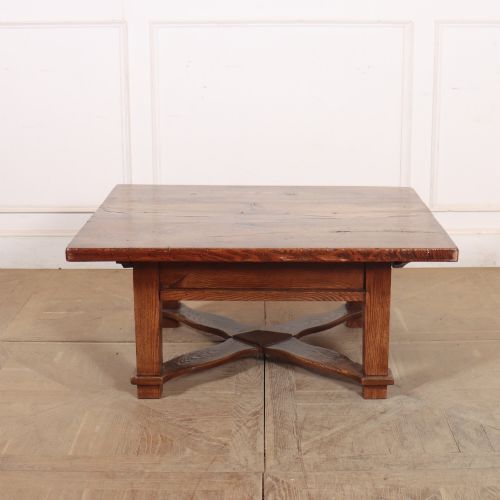


Traditional Rustic Coffee Table
A traditional rustic coffee table brings honest timber and utility into a modern room, offering low surfaces shaped by generations of practical use.
Traditional Rustic Coffee Table
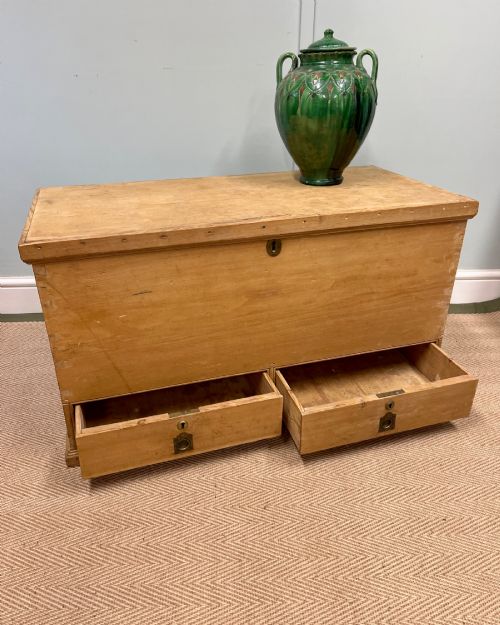
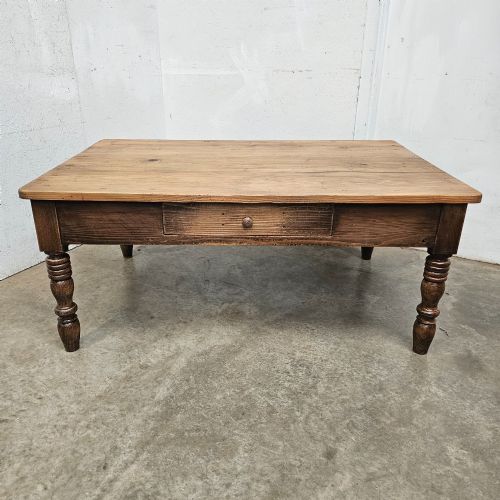
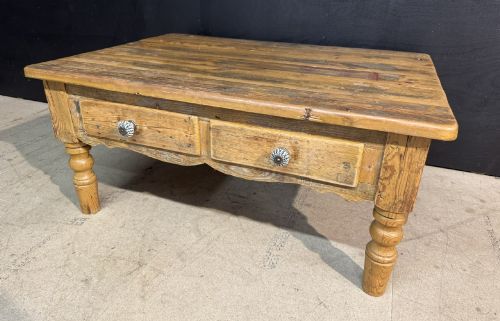
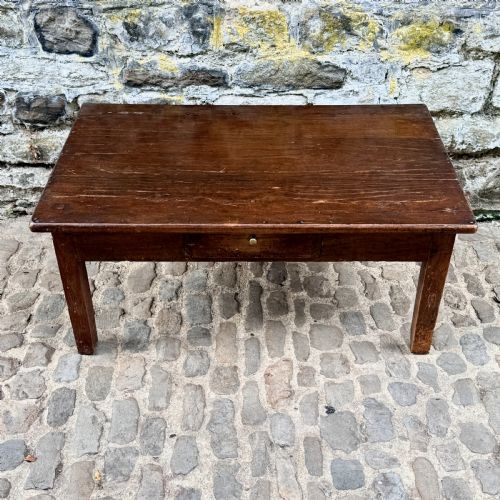
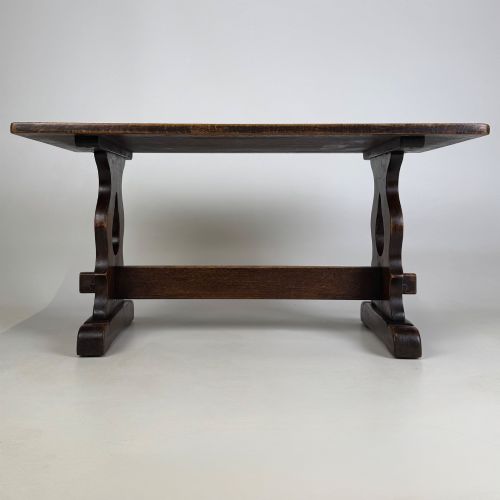
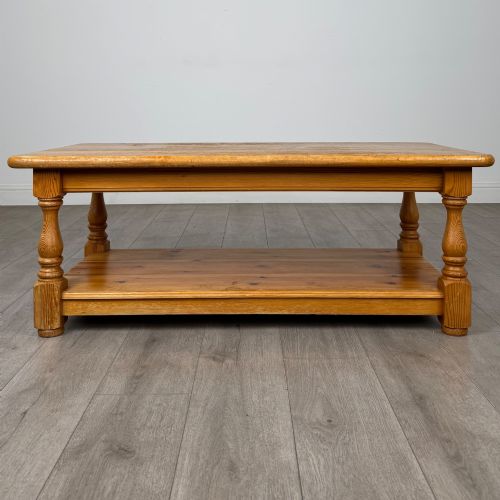
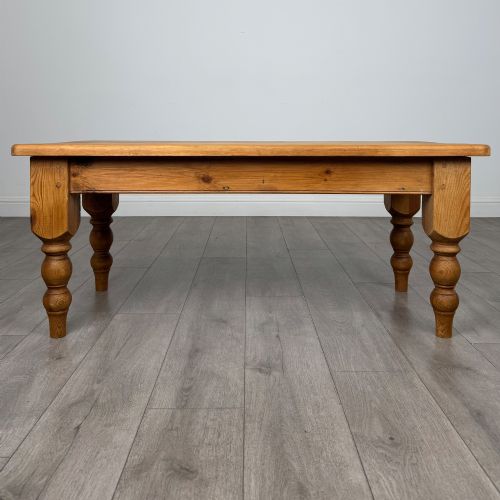
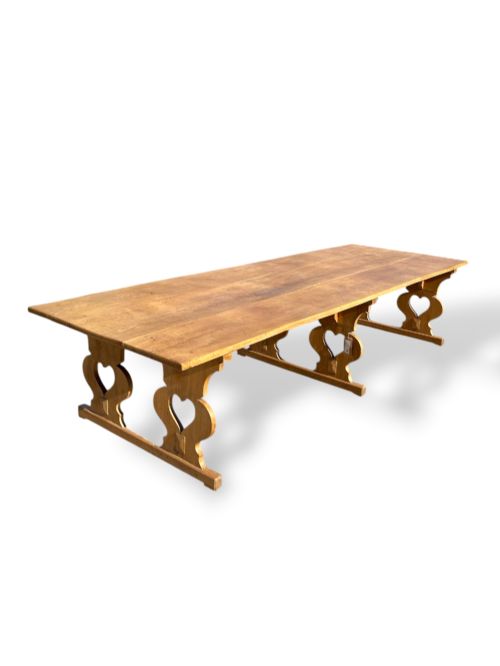
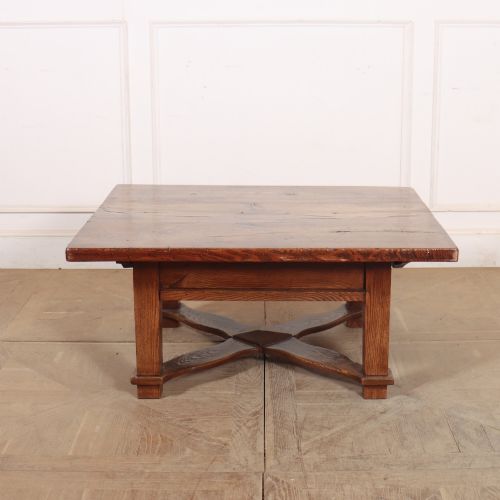
A traditional rustic coffee table encompasses low timber tables drawn from 18th century, 19th century, and Edwardian periods, utilising forms originally built for entirely different domestic tasks. Buyers seeking this phrase encounter sturdy low tables adapted from farmhouse benches, blanket chests, dough bins, and work tables rather than formal parlour pieces.
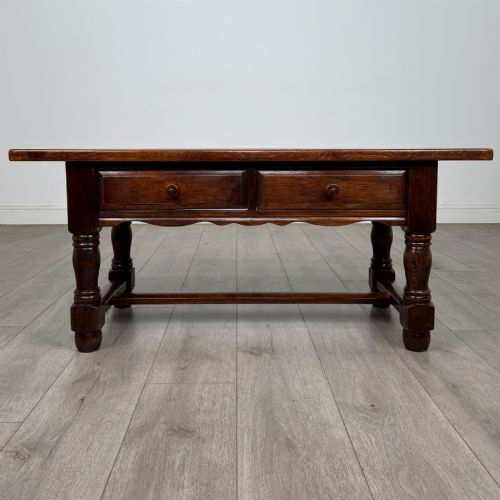
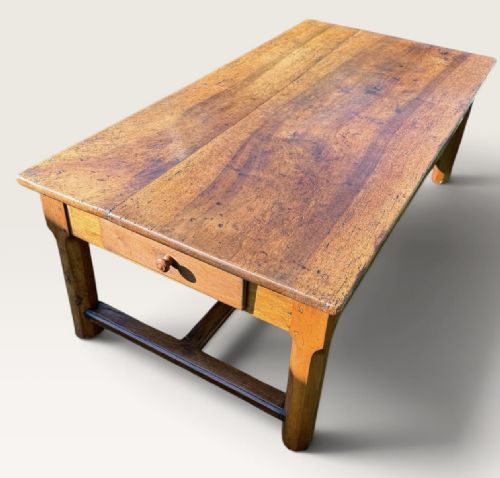
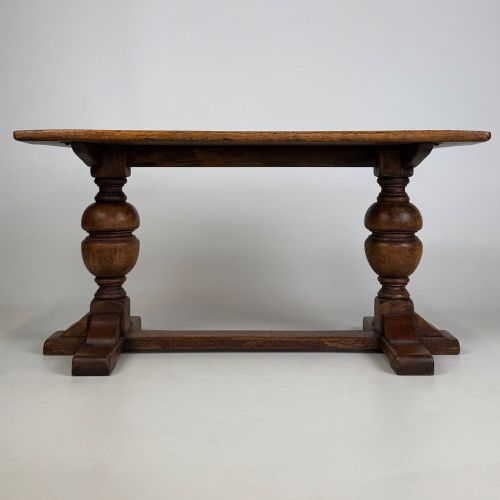
The inventory on this page draws heavily from English, French, Austrian, and Asian origins, showing regional preferences in timber and leg construction. Oak and pine appear frequently alongside elm, walnut, and fruitwood, shaped into plank tops, turned legs, and gateleg frames that suit contemporary living rooms.
Many listings present low tables derived from utilitarian items like dough proving boxes, pig benches, and side tables, bringing historic character into domestic spaces. These pieces combine straightforward joinery with the rich patina accumulated through decades of handling.
How they were made
Joinery relied on traditional methods including pegged mortise and tenon joints, dovetails for drawers, and sturdy turned legs affixed to thick table tops. Surfaces were left plain or treated with simple wax finishes, allowing the natural grain and daily wear to define the texture.
Several listings trace their ancestry back to humble dough bins and pig benches, proving that great furniture starts in the kitchen.
What varies in quality
Quality rests in the integrity of the timber and the honesty of the conversion from its original domestic function. Tables retaining their original plank tops and uncompromised structural frames show greater fidelity to their period origins.
The depth of the patina and the harmony of the proportions separate superior examples from heavier, less balanced adaptations. Subtle details like hand-turned legs and period ironwork elevate pieces beyond simple utilitarian conversions.
The Traditional Rustic Coffee Table Glossary
- Gate leg
- A table with hinged flaps supported by swing legs that pull out to hold the leaves. This design allows the surface to expand when needed and fold flat against a wall.
- Dough bin
- A deep wooden box with a lid, historically used for kneading and rising bread dough before baking. Many survive converted into low coffee tables with hinged access.
- Cricket table
- A small, lightweight table typically featuring three splayed legs and a circular top. Originating in English cottages, the design provided stability on uneven stone floors.
- Plank top
- A table surface constructed from wide boards joined edge to edge. This construction method showcases the natural grain and knot patterns of the timber.
Traditional Rustic Coffee Table: Frequently Asked Questions
What defines a traditional rustic coffee table?
These tables are identified by their solid wood construction, simple joinery, and origins in utilitarian furniture like work benches, low side tables, and converted chests. They prioritise honest materials and historical character over ornate decoration.
Most examples utilise oak, pine, elm, or fruitwood, bearing the marks and patination of decades of domestic service.
How do I style a rustic coffee table?
Pair these low tables with neutral upholstery and contemporary seating to let the aged timber and natural grain provide a visual anchor in the room. Their earthy tones and simple lines complement both minimalist and traditional interiors.
Keep surface styling understated with ceramic bowls, stacks of books, or simple trays to preserve the utility of the wooden top.
Are these tables made from reclaimed wood?
The pieces listed are period antiques originating from the 18th, 19th, and early 20th centuries rather than modern items built from reclaimed timber. Their weathered appearance and rustic appeal are the genuine result of age and domestic use.
Each table carries authentic historical wear, including surface marks, minor dents, and mellowed patination accumulated over generations.
How do I tell different periods apart?
Earlier 18th century pieces often feature heavy oak construction with pegged joints and darker patination, reflecting strict utilitarian design. 19th century and Edwardian examples introduce lighter pine, fruitwood, and elm, sometimes featuring turned legs or simpler farmhouse proportions.
Examining the underside joinery, tool marks, and hardware helps distinguish older vernacular pieces from later revival styles.