

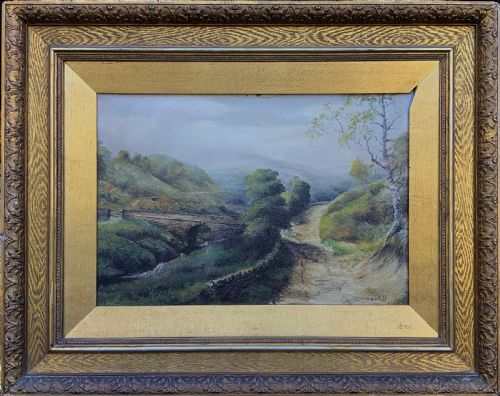

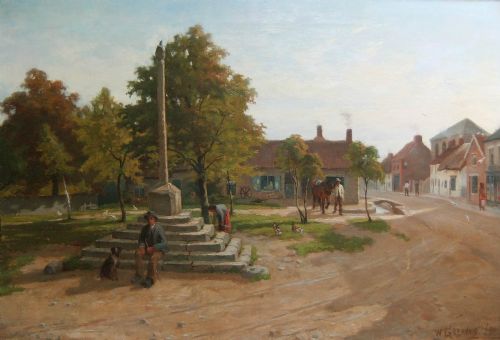
Traditional Rural Oil Art
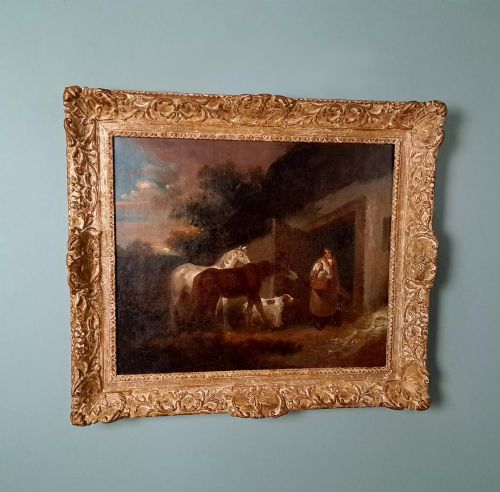
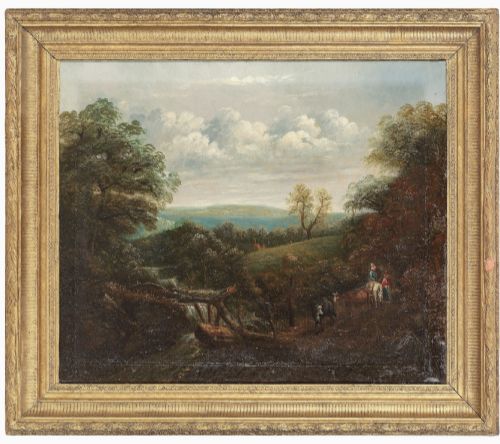
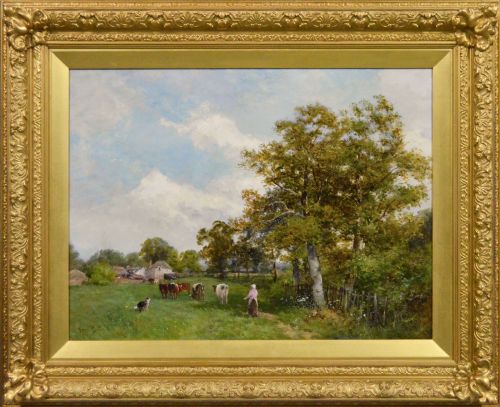
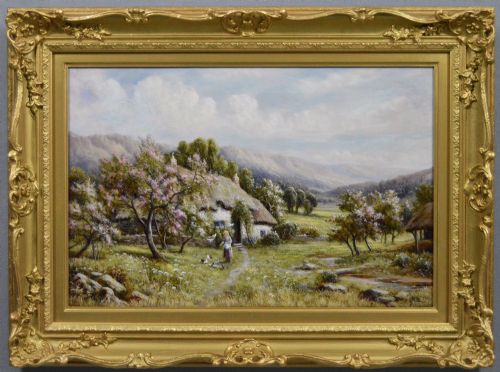
Traditional rural oil art captures pastoral life and country scenes, bringing historical landscapes and agricultural views into a room.
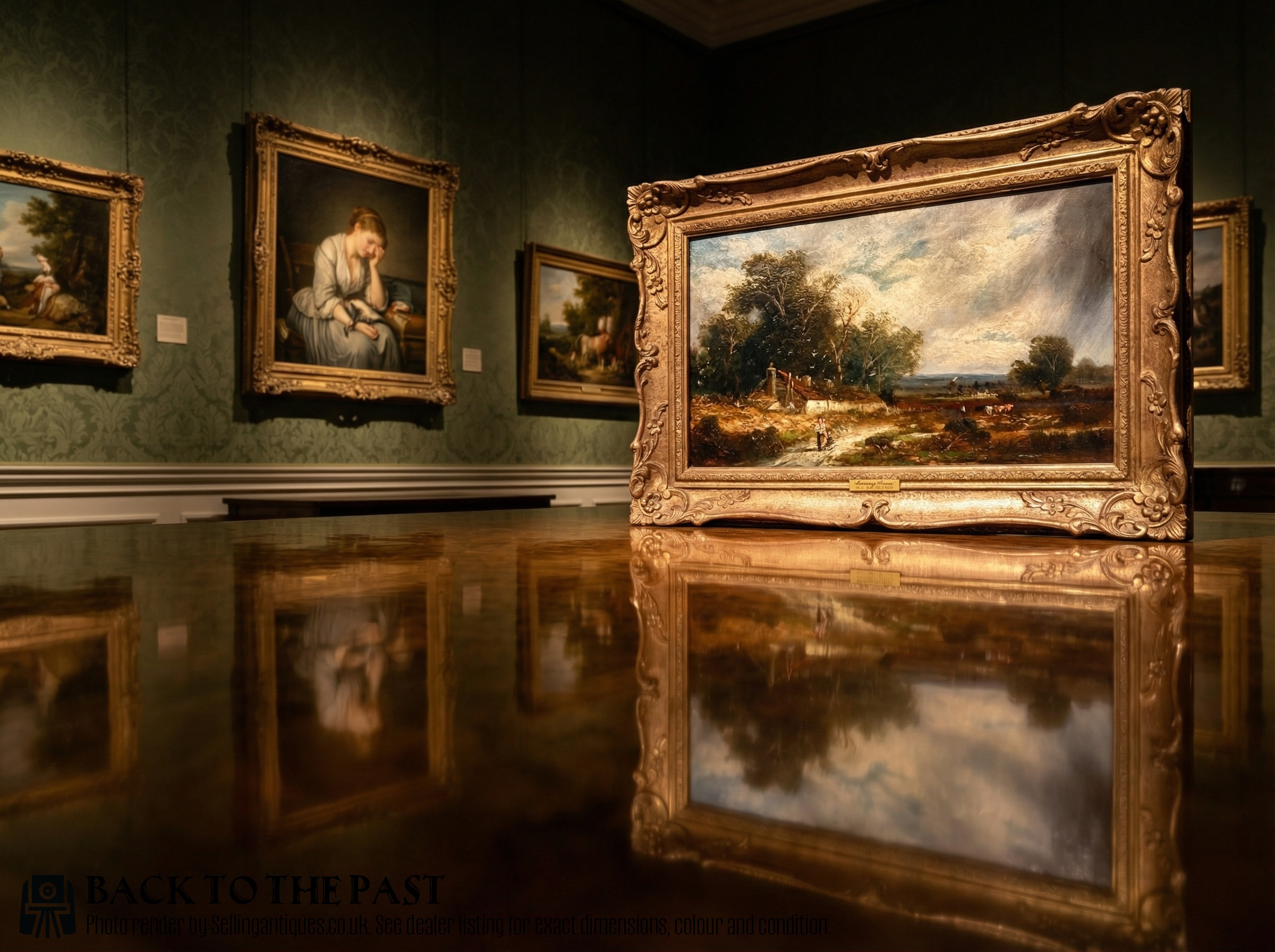
Traditional Rural Oil Art
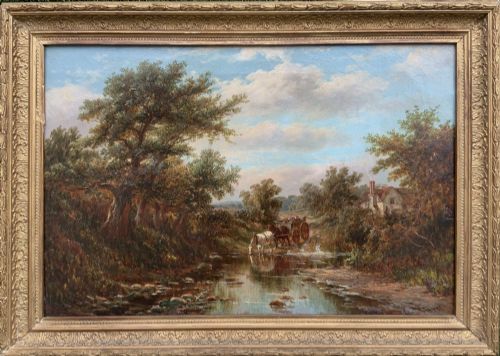
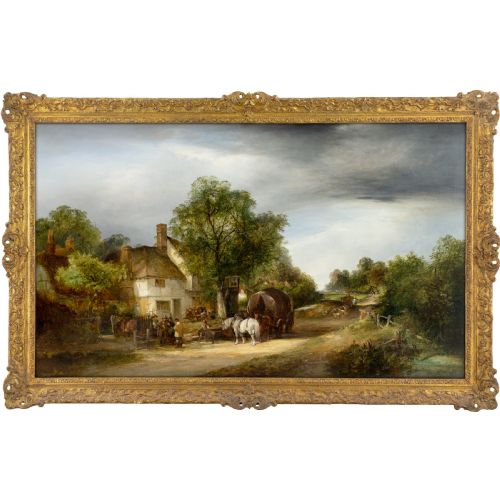
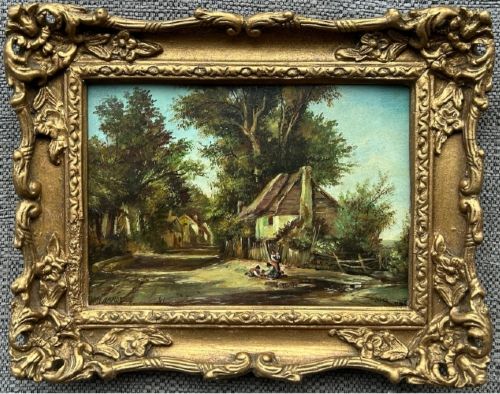
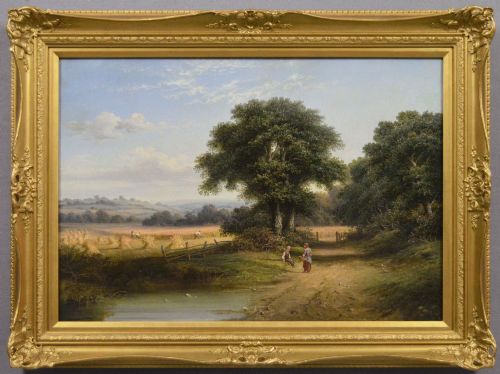
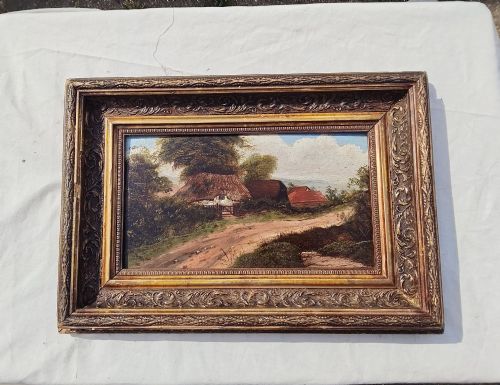
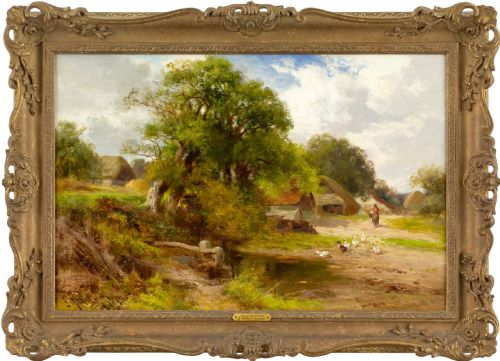
Traditional rural oil art encompasses painted views of countryside paths, thatched cottages, livestock, and agricultural workers set within natural surroundings. These works document nineteenth and early twentieth-century rural life through the brush of regional and continental schools.
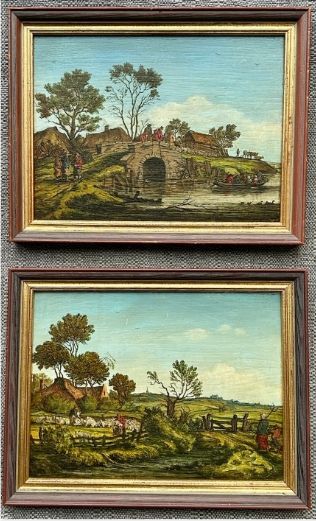
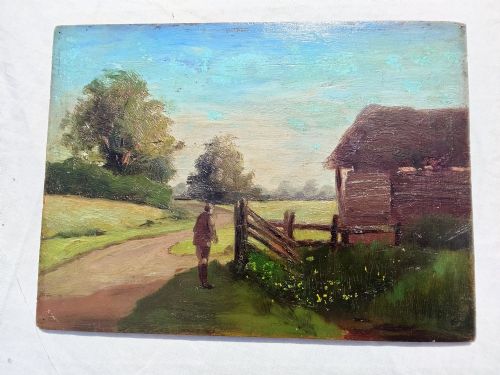
Buyers frequently encounter landscapes featuring horses, sheep, and cattle alongside rivers, harvest fields, and village settlements. The selection includes works executed on canvas, wood panels, wooden boards, and card, spanning the Victorian era through the mid-twentieth century.
Examples range from intimate cottage scenes by uncredited British school artists to signed compositions by named painters of the period. Each piece reflects the topography and rural occupations of its specific geographical context.
Materials and methods
Pigments mixed with oil binder are applied to stretched canvas, wooden panels, or card to build up the image. Painters utilise traditional grounds to prepare the support before working up the landscape or portrait composition.
Surviving works are frequently housed in period frames constructed from wood and embellished with gesso and gilt finishes. The combination of oil paint and supportive wooden or textile bases has allowed these rural subjects to endure across centuries.
Listings feature oil paintings on canvas, wood panels, and boards from the nineteenth and twentieth centuries.
Factors of quality
The standard of a piece rests upon the artist's handling of light, depth, and atmospheric perspective within the rural landscape. Finer works display confident brushwork and accurate anatomical rendering in animal and human figures.
Condition of the pigment layer and the originality of the frame contribute significantly to the standing of the work. Attribution to a recorded painter or distinct regional school adds documentary weight to the physical object.
George Graham·William Howard Hardy·William Joseph Shayer·David Bates·Robert John Hammond·Walter Heath Williams·John Horace Hooper·William Greaves·Sydney Yates Johnson·Owen Bowen·William Henry Mander·Thomas Sidney Cooper·Herbert Royle·Reginald Grange Brundrit·James Kyd·Henry John Yeend King·William Sydney Cooper·Samuel Joseph Clark·Henry John Boddington·M. C. Hider·Willem Anton Alexander Knip·Johannes Philippus Galjaard
The Traditional Rural Oil Art Glossary
- Oil on Canvas
- Pigment suspended in a drying oil applied to a woven fabric support. This combination provides flexibility and a textured surface for brushwork.
- Gesso
- A plaster mix applied to wood panels or frames to create a smooth surface for gilding or painting. It provides a stable base for decorative framing.
- British Impressionism
- A painting style focusing on light and everyday subjects created by British artists influenced by continental movements. Works in this manner often capture outdoor rural lighting conditions.
- Genre Painting
- Depictions of everyday life involving human subjects within domestic or rural settings. These scenes often record agricultural labour or village gatherings.
Traditional Rural Oil Art: Frequently Asked Questions
What subjects appear in these paintings?
The compositions record rural scenes including agricultural fields, cottages, rivers, and farm animals such as sheep and cattle. Figures engaged in farming, fishing, and travelling along country tracks also feature prominently.
These depictions reflect nineteenth and early twentieth-century country life across Britain and Europe. Artists focused on recording the rural topography and daily routines of agrarian communities.
How do I identify the period of a painting?
Dating relies on stylistic markers, framing techniques, and the material support such as canvas, panel, or card. Many works carry signatures, dates, or historical attribution notes on the reverse.
Victorian and Edwardian pieces often display specific landscape conventions and framing styles characteristic of their decade of creation. Examining the stretcher bars and backing materials provides further clues to age.
Where were these rural scenes painted?
The artworks depict countryside locations across Britain and continental Europe, including Yorkshire, Kent, Sussex, and various river valleys. Regional schools often specialised in the local topography of their immediate surroundings.
Artists travelled to rural parishes to sketch and paint landscapes directly from nature or in studio settings based on field studies. Specific place names frequently appear in the titles or signatures recorded on the works.
How should I hang oil art?
Paintings on canvas and wood require placement away from direct sunlight and excessive humidity fluctuations. Stable wall conditions protect both the oil pigment and the wooden support structure from warping or fading.
Displaying the piece in its original gilt or wood frame maintains the historical context of the artwork. Adequate wall space allows the composition to be viewed clearly without physical obstruction.