



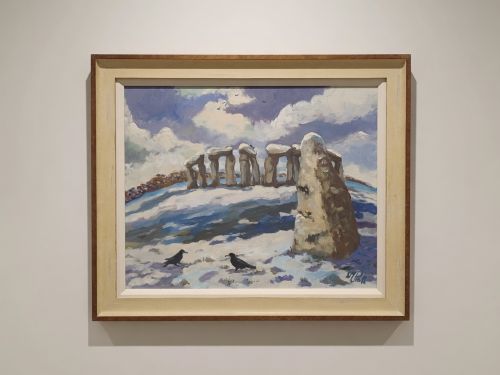
British Countryside Oil Art
British countryside oil art captures rural life, rolling hills and river valleys through centuries of painting tradition.
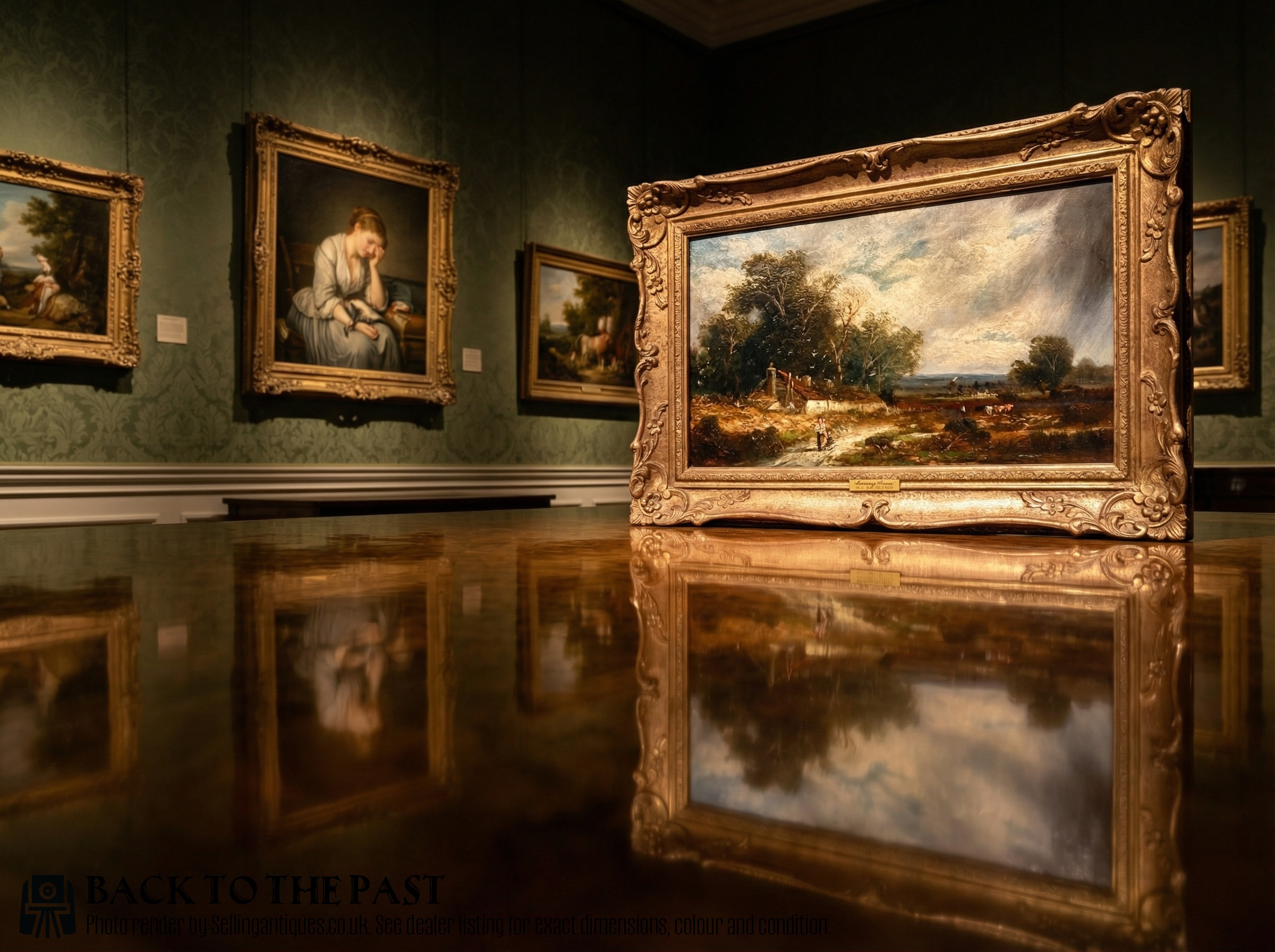
British Countryside Oil Art
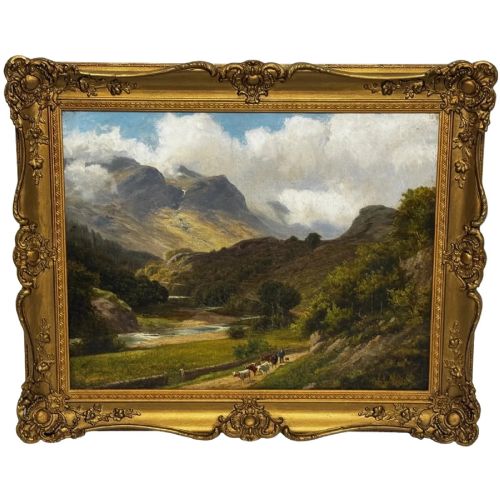
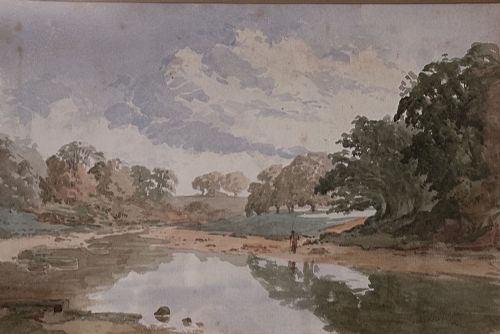
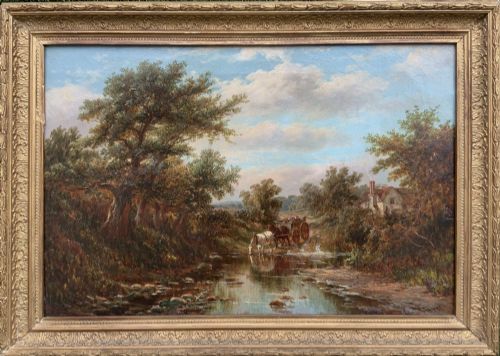
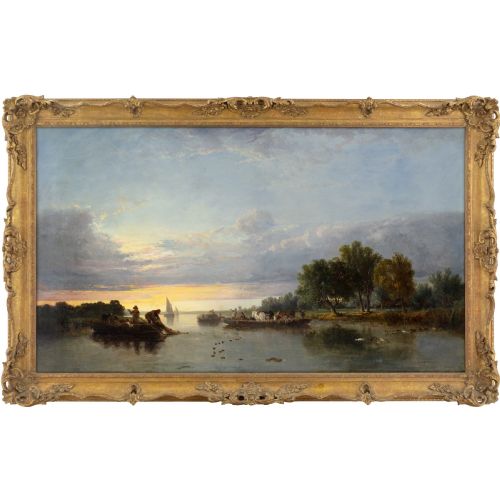
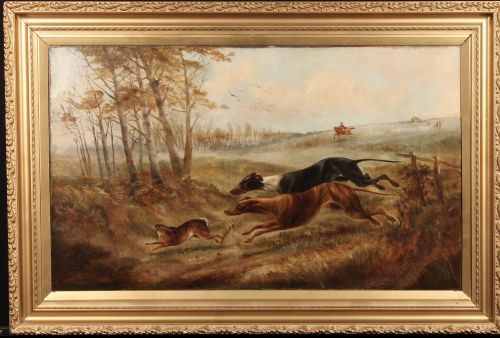
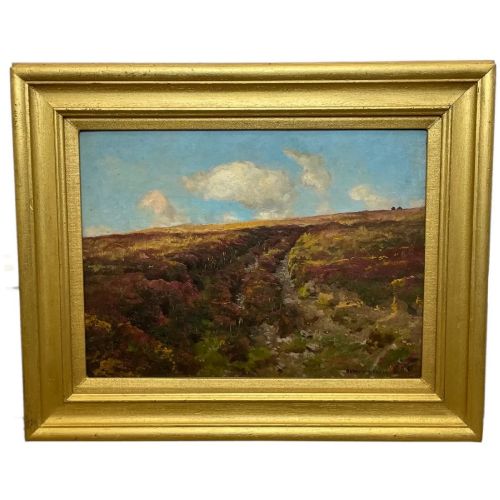
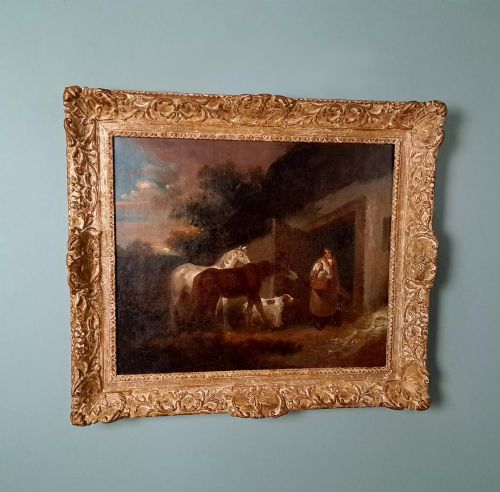
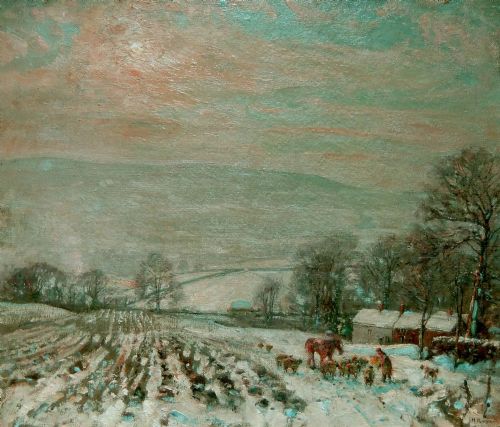
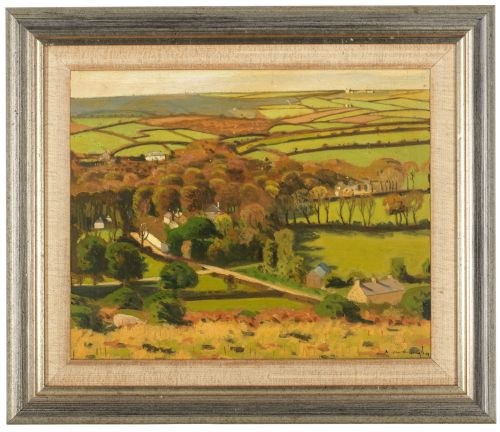
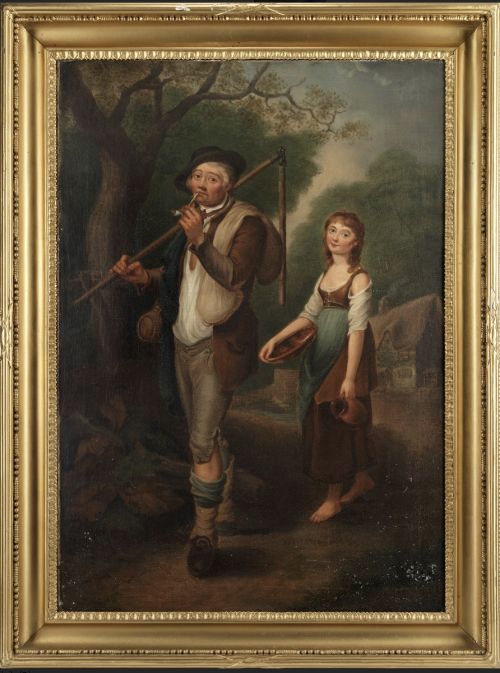
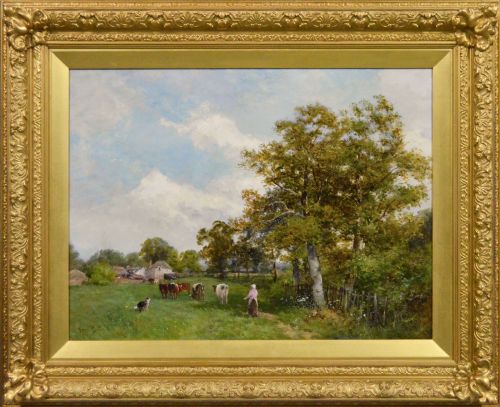
British countryside oil art encompasses paintings that depict pastoral scenes, river landscapes, rural cottages and agricultural life across the British Isles. When exploring this selection, buyers frequently encounter 19th-century works alongside early 20th-century pieces reflecting movements such as British Impressionism and Victorian Pastoral.
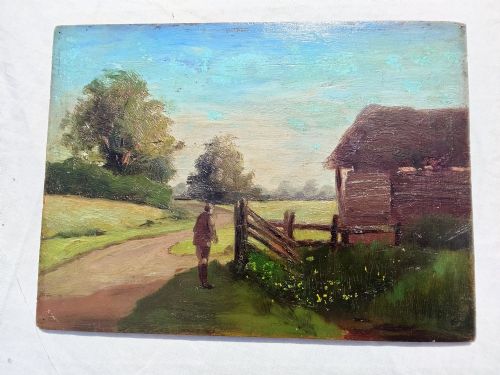
The subjects range from figures herding cattle and sheep in Yorkshire and Devon to river views in Wales and Cornwall. Canvases and wooden boards display both framed original compositions and intimate studies by named artists and the English School.
How they were made
Artists applied oil paint using traditional brushes and impasto techniques onto stretched canvas or prepared wooden panels. The physical substance of the oil medium allowed painters to build rich surface textures and capture shifting atmospheric light across rural topography.
Gilt frames often enclose these works, providing a traditional boundary that complements the depth of the painted surface. Panels of wood and woven canvas serve as the primary foundational supports recorded across the collection.
Several canvases feature remarkably stubborn sheep lingering stubbornly in Wharfedale.
What varies in quality
Quality separates through the artist's command of light, shadow and composition in capturing natural British environments. Stronger works demonstrate a confident handling of pigment that brings immediacy to foliage, water and weather conditions.
The sensitivity of the brushwork and the structural integrity of the painted surface distinguish masterly examples from standard output. Provenance and secure attribution to recorded artists further elevate the standing of individual pieces.
Richard Sebastian Bond·William H Myers·George Graham·Frederick Marriott·Arthur Wardle·William Joseph Shayer Senior·Herbert Royle·Robert Morson Hughes·David Bates·Lucy Pratt·Eric Brown·Richard Redgrave·Ernest Higgins Rigg·Peter Newcombe·Vernon DeBeauvoir Ward·Florence Adelina Hess·John Horace Hooper·Hubert Wellington·Owen Bowen·Joseph Edward Hennah·Charles Walter Simpson·Helen Layfield Bradley·William Henry Mander·John Sanderson Wells·Reginald Grange Brundrit
The British Countryside Oil Art Glossary
- Canvas
- A heavy woven fabric stretched across a wooden frame to serve as a painting surface. It provides a resilient ground for traditional oil applications.
- Impasto
- A technique where oil paint is laid thickly on the surface, standing out from the canvas. This method creates a tangible sense of texture and depth.
- Oil on Panel
- A painting executed directly onto a prepared wooden board rather than fabric. Panels offer a rigid and durable support favoured in many period works.
- English School
- A classification for works produced by artists trained or working within England without a formal overarching movement. It groups diverse hands under a shared regional tradition.
- Victorian Pastoral
- A genre focusing on idealized rural life, agricultural scenes and serene countryside vistas. These paintings celebrate the quiet rhythm of the 19th-century countryside.
British Countryside Oil Art: Frequently Asked Questions
What is british countryside oil art?
British countryside oil art consists of painted canvas and panel works depicting rural landscapes, agricultural scenes and natural views across Britain. These works record changing fashions in landscape painting from the Victorian era onward.
Created by both named painters and members of the English School, the works reflect deep artistic engagement with regional topography. They preserve historic views of rivers, hills and coastal settlements.
How should I care for an oil painting?
Oil paintings require stable indoor environments away from direct sunlight and excessive humidity. Regular gentle dusting of the canvas and frame helps maintain the surface.
Avoid hanging pieces above active heat sources or in damp rooms. Professional conservators should handle any deep cleaning or structural repairs to the canvas.
How do I identify the period of a painting?
Dating relies on examining the stretcher frames, canvas type, pigment characteristics and artistic style. Victorian pieces often lean towards narrative detail, while later 20th-century works show broader impressionistic handling.
Signatures, dates inscribed on the reverse and framing styles offer additional clues. Comparing brushwork against documented examples by known artists secures accurate dating.
Where were these rural scenes usually painted?
Artists worked across diverse British regions including Yorkshire, Cornwall, Wales, the Lake District and the Home Counties. Many painters travelled out from urban centres to capture specific local topography.
Locations ranged from wild coastal cliffs to quiet riverbanks and working farms. These sites provided the shifting light and seasonal variations essential to landscape painting.