



Traditional Red Runner Rug
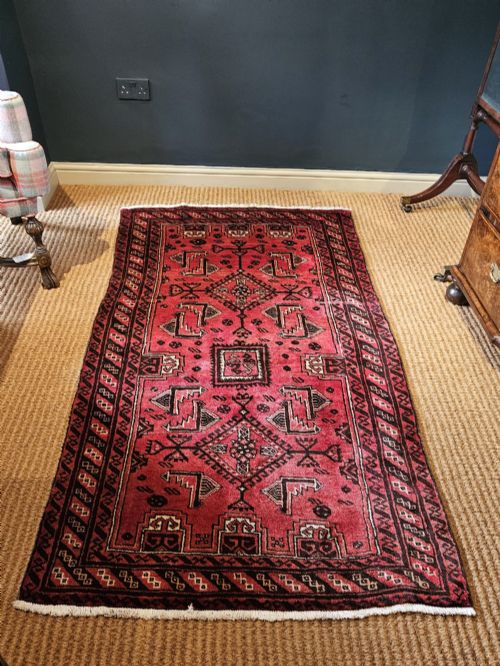
A traditional red runner rug brings warmth and linear rhythm to a long hallway or narrow space.
Traditional Red Runner Rug
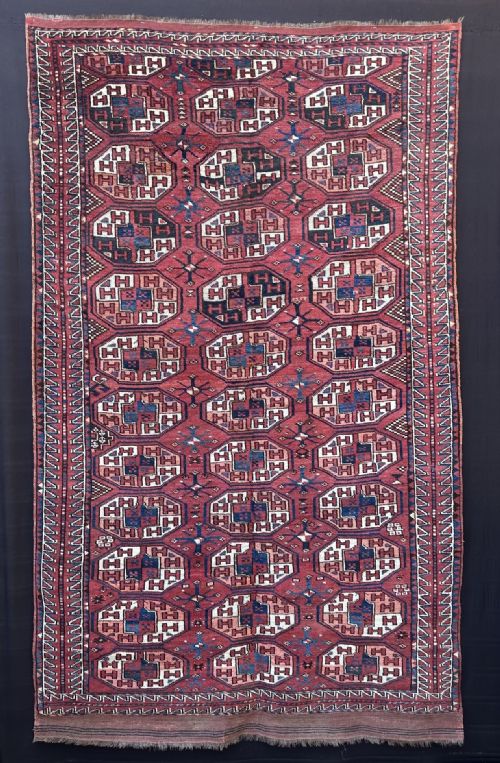
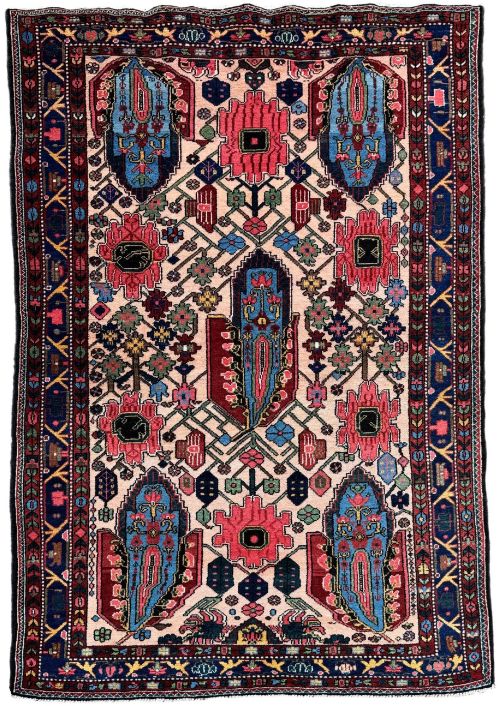
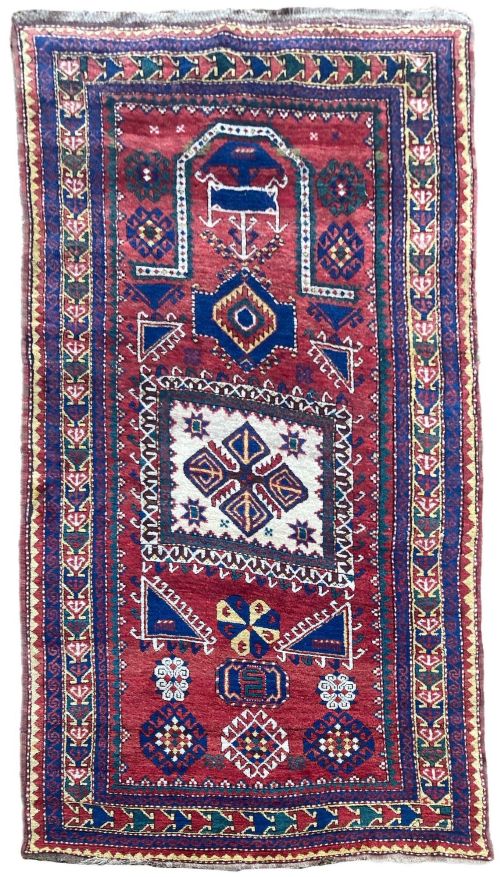
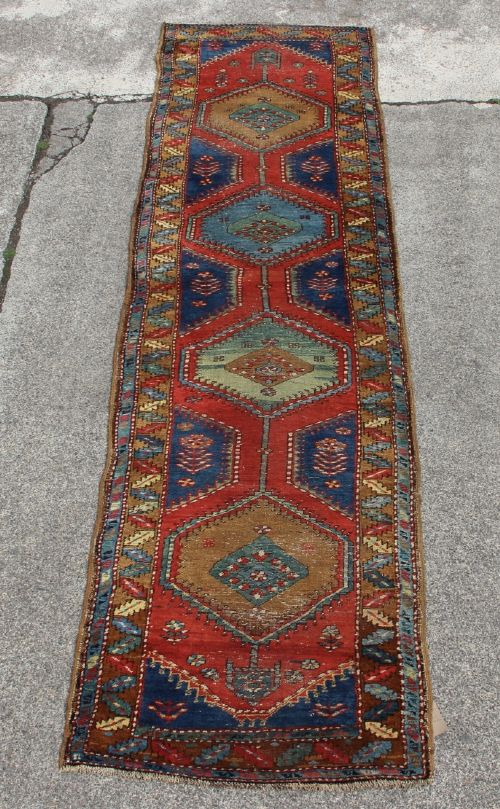
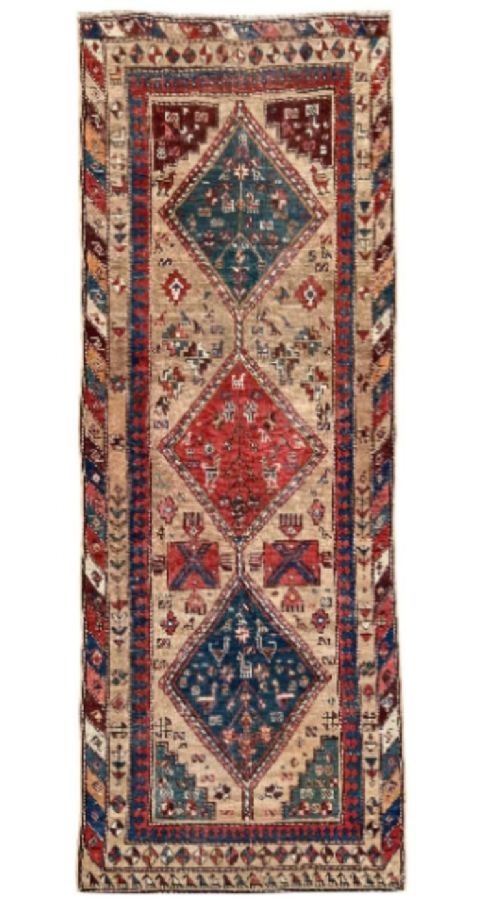
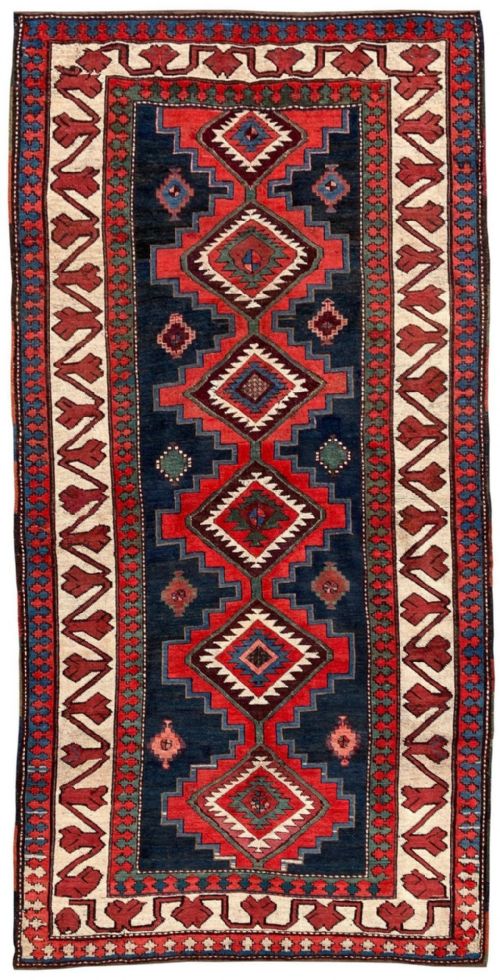
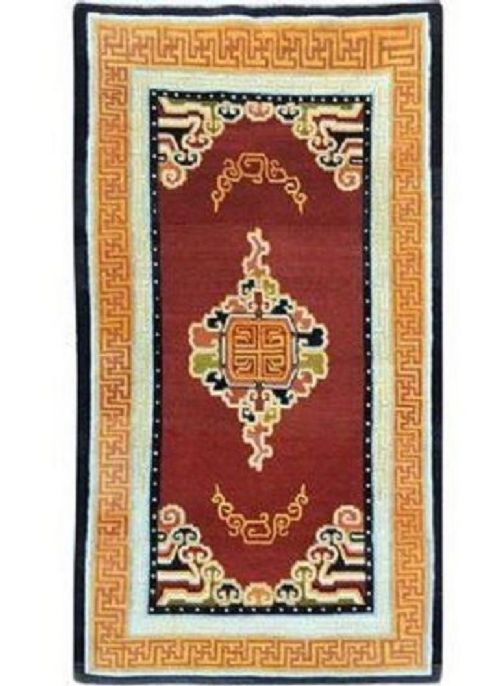
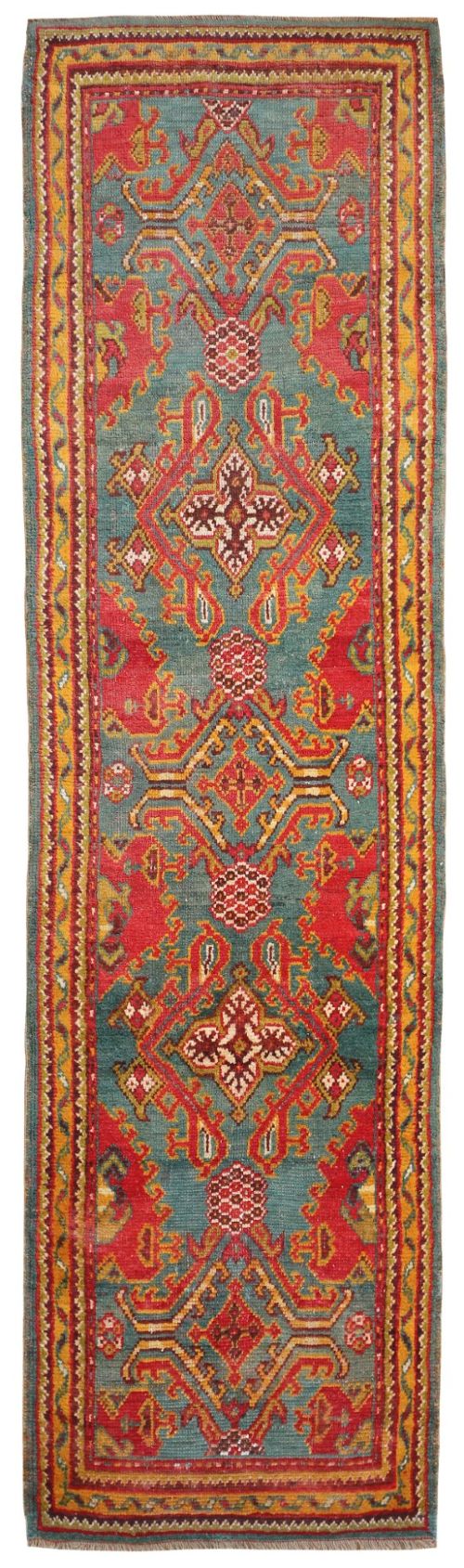
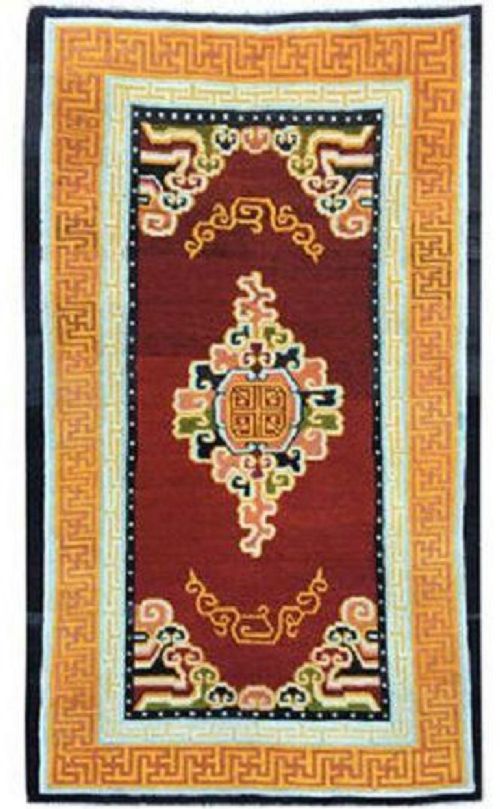
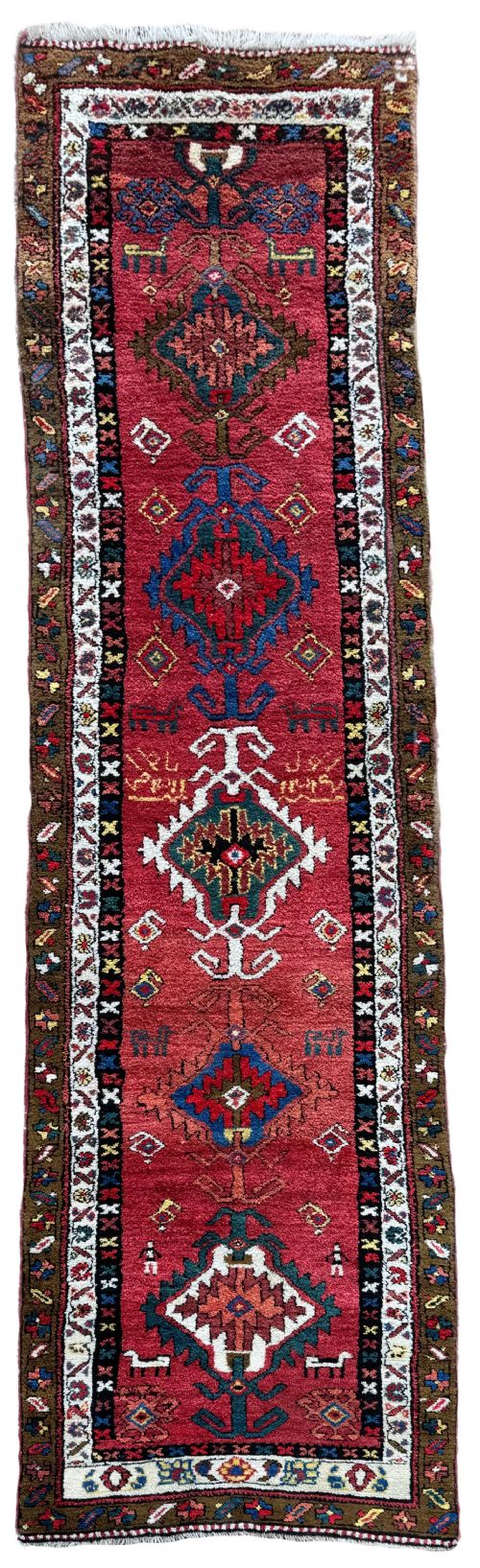
A traditional red runner rug is a long, narrow floor covering designed for corridors, landings and hallways. The selection includes pieces originating from Persian, Caucasian, Anatolian, and Turkmen weaving traditions.
Makers in these categories utilised distinctive tribal and village motifs, spanning geometric medallions to intricate floral fields dominated by madder red and crimson tones. Pieces originate from periods running from the nineteenth century into the twentieth century.
The format is suited to high-traffic domestic corridors where length and durability are paramount. Buyers encounter various regional weaves, including Kazak, Heriz, Hamadan, and Baluch examples.
Materials and construction
These floor coverings employ natural wool for the pile, offering resilience underfoot in busy domestic settings. Cotton is frequently utilised for the foundational warp and weft threads, providing structural stability.
Weavers knotted the wool pile by hand onto the cotton or wool foundation, employing symmetrical or asymmetrical knot densities depending on the regional workshop or tribal tradition. Natural dyes derived from plants and minerals created the deep red and rust colour palettes seen across the inventory.
Several runners measure over three metres in length, originally woven to span the grand hallways of nineteenth-century homes.
Assessing quality
Quality in these textiles rests upon the density of the knotting and the crispness of the geometric or floral design execution. Finer examples display intricate precision in the border patterns and greater complexity in the central medallions.
The integrity of the wool pile and the survival of the original flatwoven or braided ends dictate the condition grade. Tighter spinning of the wool fibres yields a surface that resists wear over decades of domestic use.
The Traditional Red Runner Rug Glossary
- Runner
- A long, narrow carpet format specifically proportioned for corridors, hallways, and staircases.
- Mihrab
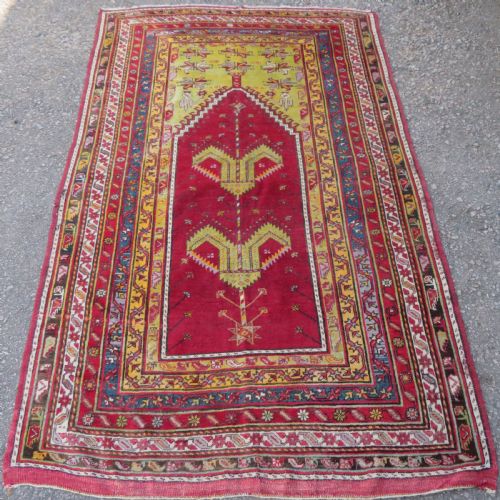
- A niche design motif found in prayer rugs, often indicating the direction of prayer.
- Warp
- The vertical threads stretched tightly on the loom that form the structural foundation of the textile.
- Weft
- The horizontal threads passed through the warp threads to secure the rows of knots in place.
- Madder
- A natural plant dye utilised to produce deep red and rust hues in traditional textile production.
Traditional Red Runner Rug: Frequently Asked Questions
Where should I place a runner rug?
These narrow formats suit hallways, corridors, entryways, and narrow landing spaces where linear floor coverage is required.
They protect high-traffic wooden flooring while adding colour and pattern to transitional areas of a home.
How do I care for an old wool rug?
Regular gentle vacuuming without a rotating brush bar helps remove grit from the wool pile without damaging the foundation.
Professional specialist cleaning is recommended when deep dirt accumulates in older natural fibre textiles.
What periods do these pieces date from?
The available inventory spans from the nineteenth century through to the early decades of the twentieth century.
Examples include items woven during the Victorian era up to vintage pieces from the 1930s.
Are these runners made of natural materials?
The pile is composed of pure wool, while the underlying structural threads typically consist of cotton or wool.
Natural dyes were traditionally employed to achieve the characteristic red, rust, and polychrome tones.