


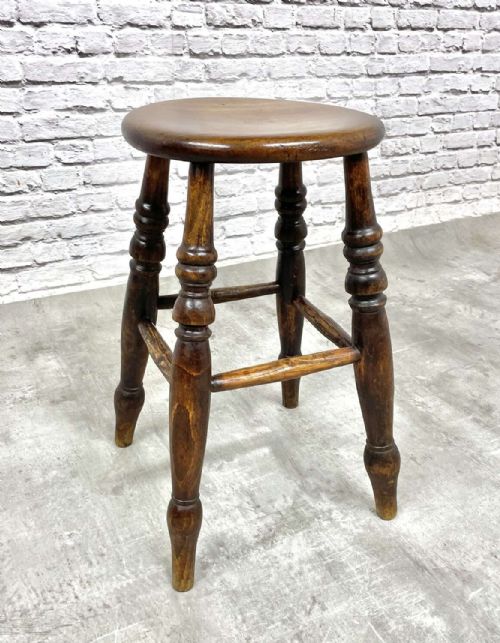
Traditional Pub Stool
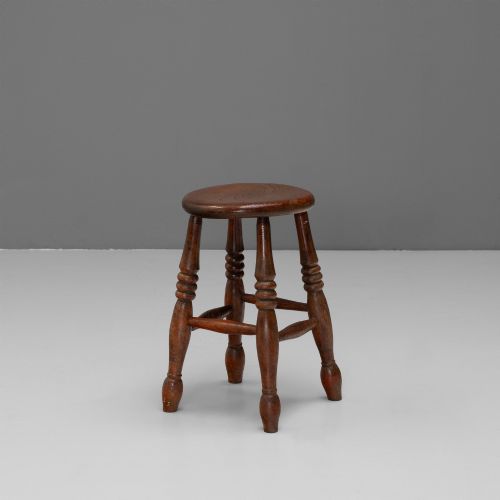
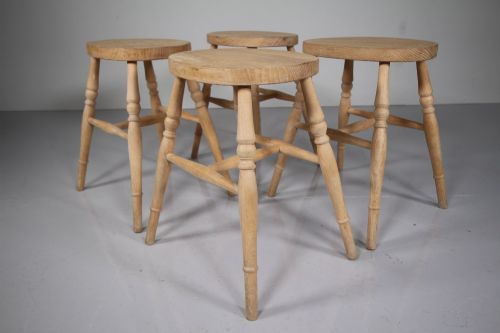
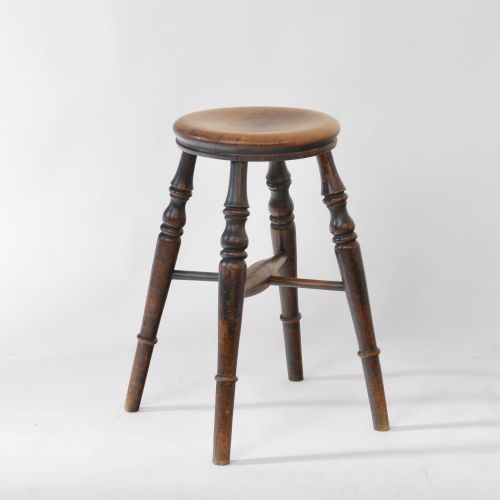
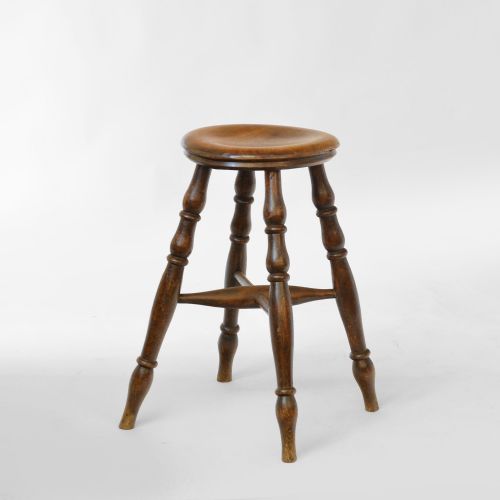
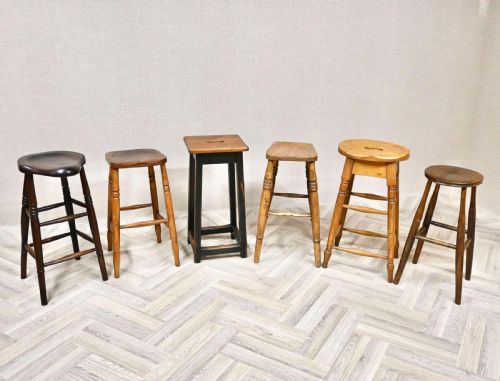
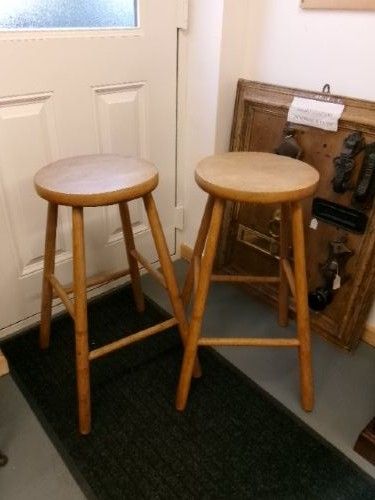
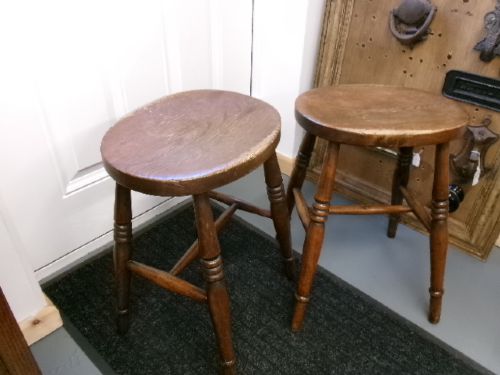
These traditional pub stool examples combine sturdy domestic timbers with honest joinery, offering practical seating shaped by centuries of tavern and alehouse use.
Traditional Pub Stool
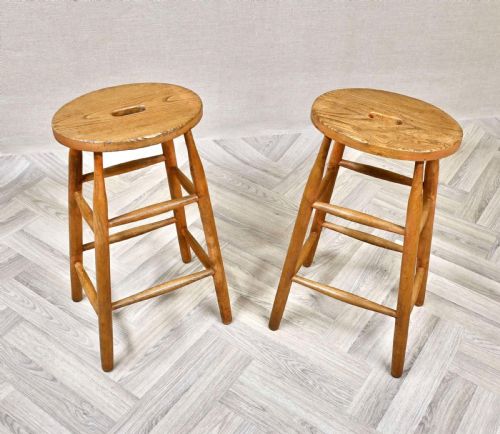
A traditional pub stool serves as a robust seating option drawn from centuries of tavern, inn, and domestic service. Buyers searching for a traditional pub stool encounter forms ranging from low tavern seats to tall bar variants.
The selections span the nineteenth century through the Edwardian era and into the 1930s and 1940s. Styles encompass Victorian Country, Rustic Farmhouse, Edwardian Country, and European Bistro aesthetics.
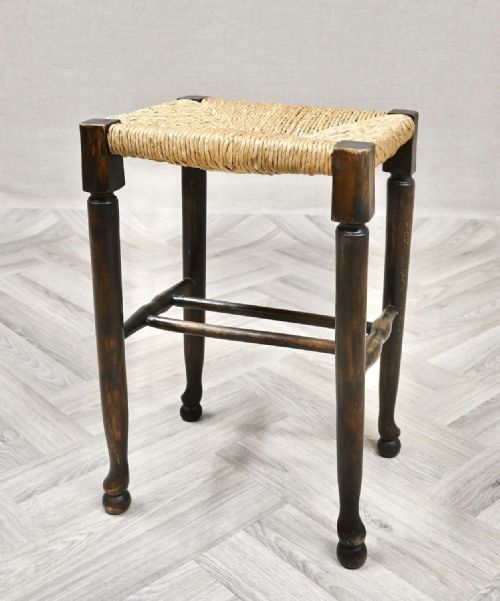
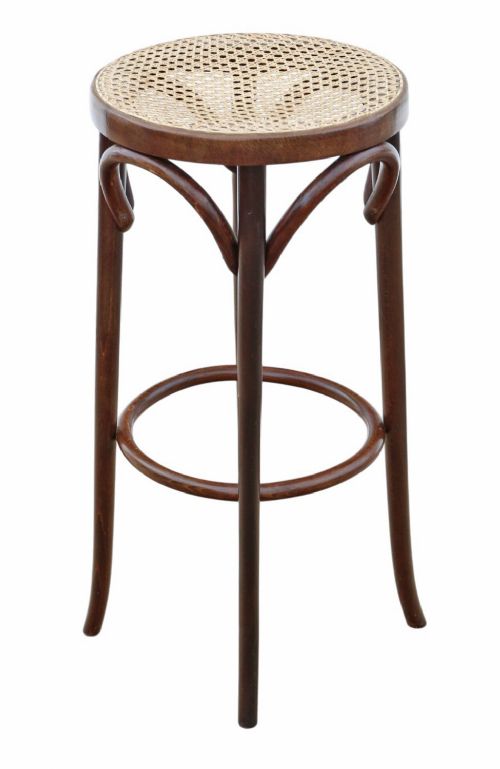
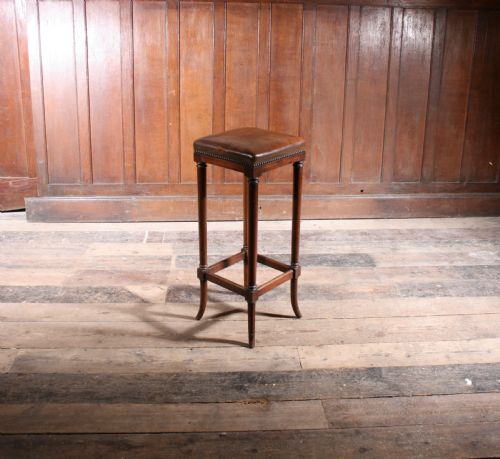
Objects include bar stools, dining stools, and tall rush seat or bentwood high designs. Many pieces reflect utilitarian origins such as alehouse use, mill work, or clerk seating.
Construction and materials
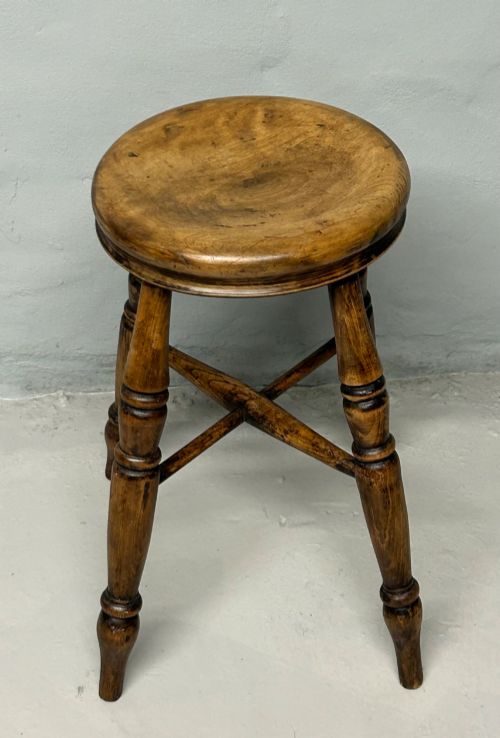
Construction relies upon solid hardwoods including elm, oak, beech, sycamore, ash, and pine. Sycamore and elm frequently provide durable, dished seats capable of withstanding heavy daily use.
Turning techniques shape beech components for legs and stretchers, while bentwood methods form curved frames. Joinery methods prioritise mechanical strength, utilising pegged joints and robust framing to support constant movement.
Distinctions in quality
Quality rests upon the selection of timber and the integrity of the original joints. Dense hardwoods like oak, elm, and sycamore provide superior structural longevity compared to softer woods.
Proportion and turning detail distinguish standard utility items from finer workshop output. Well-balanced frames with clean lathe work and original dished tops retain greater integrity.
The Traditional Pub Stool Glossary
- Dished top
- A seat surface hollowed into a shallow concave shape for comfort. This shaping is frequently found on solid elm and sycamore tavern tops.
- Bentwood
- Wood softened by steam and bent into curved structural forms. This technique creates the arched profiles seen in high tall stools.
- Rush seat
- A seating surface woven from dried marsh rushes. This traditional method provides a textured, supportive platform on tall frames.
- Turned beech
- Timber shaped on a lathe to form cylindrical legs and stretchers. Beech provides the tight grain necessary for crisp, detailed turning.
Traditional Pub Stool: Frequently Asked Questions
Where were traditional pub stool designs used?
These stools served patrons in public houses, alehouses, and taverns across Britain. They also furnished workshops, mills, and farmhouse tables where sturdy seating was required.
The height of each stool determined its placement, from low tavern seats to tall bar and clerk variants designed for elevated work surfaces.
How do I identify a 19th-century stool?
Nineteenth-century examples show hand-turned components and traditional joinery methods dictated by workshop production rather than mass manufacture. Tool marks and timber shrinkage offer clear indicators of age.
Woods like sycamore, elm, and beech display patination developed through decades of handling and use in commercial environments.
Can I use tall bar stools daily?
These stools were built for heavy commercial and industrial service, making them inherently suited to modern domestic use. Their robust hardwood frames handle regular sitting without losing structural stability.
Checking the rigidity of the leg stretchers ensures the piece remains safe for daily placement around kitchen islands or high tables.
What timber is best for durability?
Elm, oak, and sycamore provide exceptional resistance to splitting and wear on seating surfaces. Beech offers reliable strength for turned legs and supporting stretchers.
Selecting a stool with dense hardwood construction ensures the piece withstands the friction of daily movement and weight.