


Traditional Portraiture Art
Traditional portraiture art captures the likeness and character of individuals across past centuries through painted canvas, panel, and print.
Traditional Portraiture Art
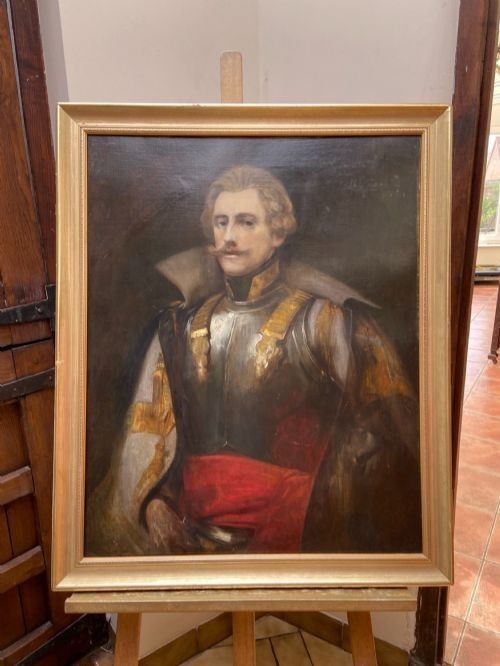
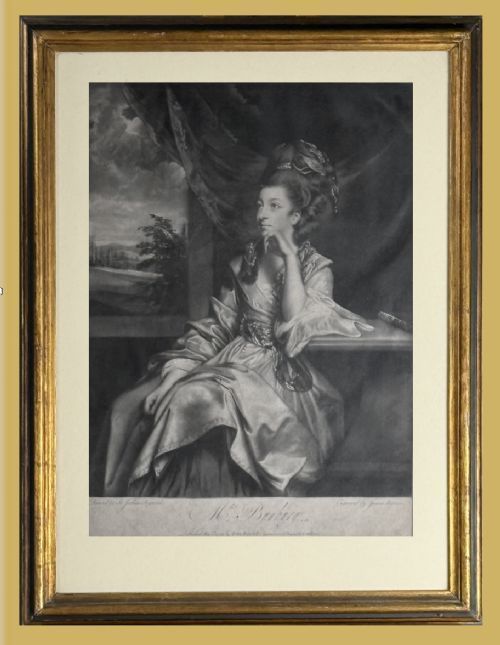
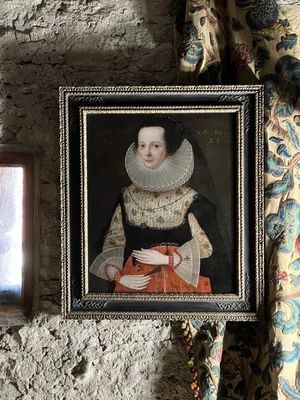
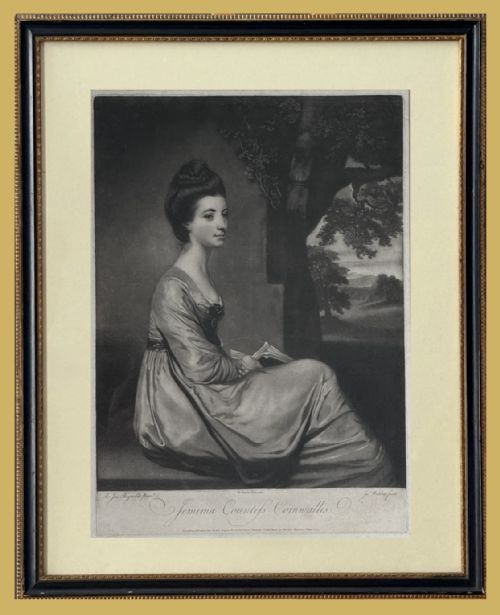
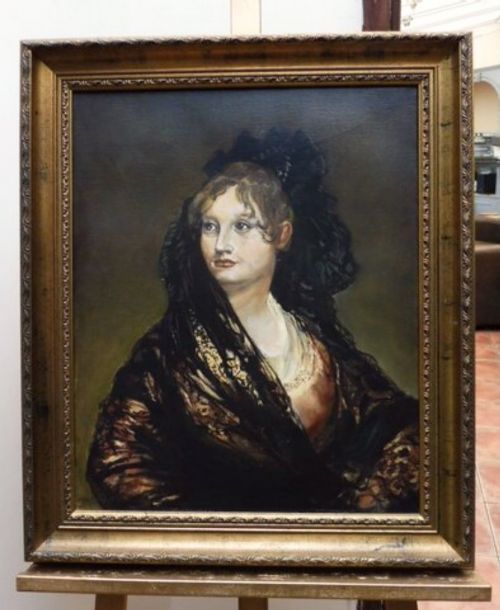
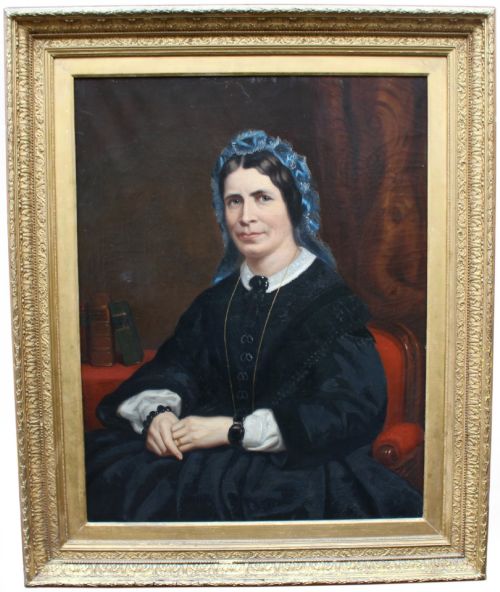
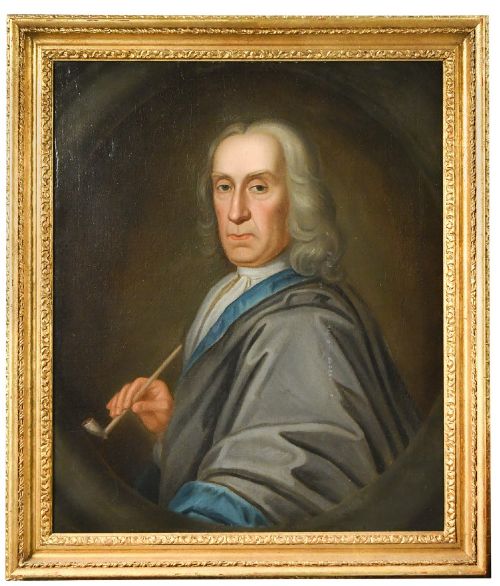
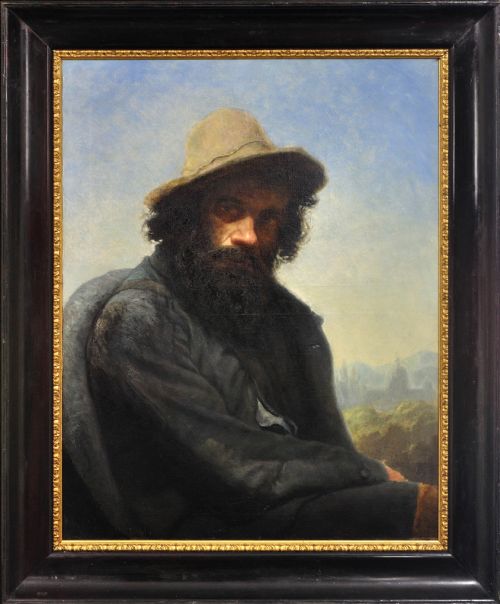
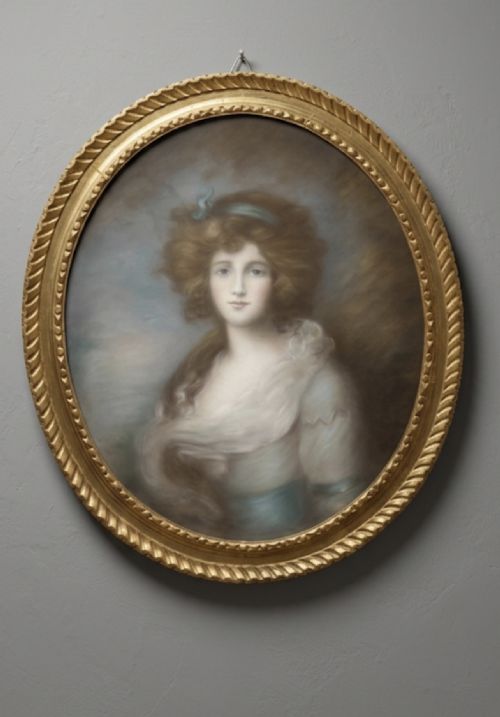
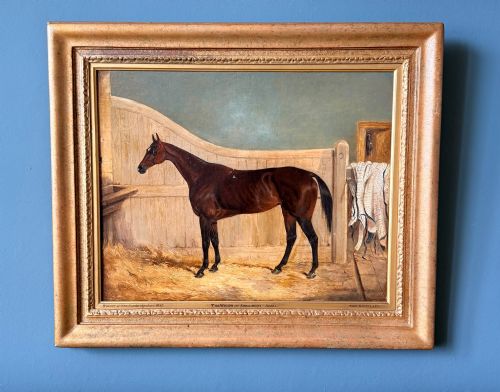
Traditional portraiture art encompasses painted, printed, and drawn likenesses of people, military officers, nobility, and animals originating from the seventeenth century onward. Buyers exploring this category encounter oil paintings on canvas and board, mezzotints, watercolours, and pastels spanning Georgian, Victorian, and later periods.
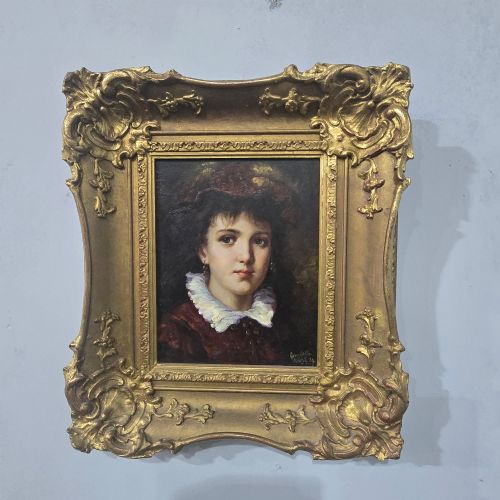
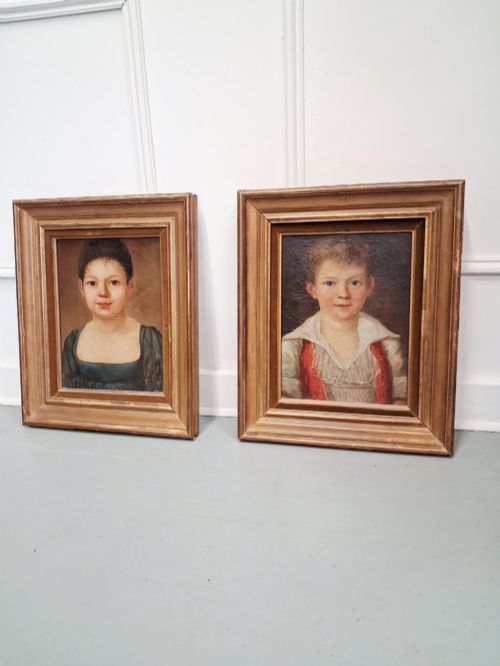
The works available reflect diverse subjects ranging from formal court dress to informal child studies, sporting horses, and domestic pets. English, European, and Chinese schools contribute to the range of historical likenesses found within these listings.
Materials and methods
Artists relied primarily on oil paint applied to canvas or wood panels, alongside pastel on paper and printed mezzotint techniques. Canvases were stretched across wooden frames and frequently housed within elaborate giltwood or gold leaf frames.
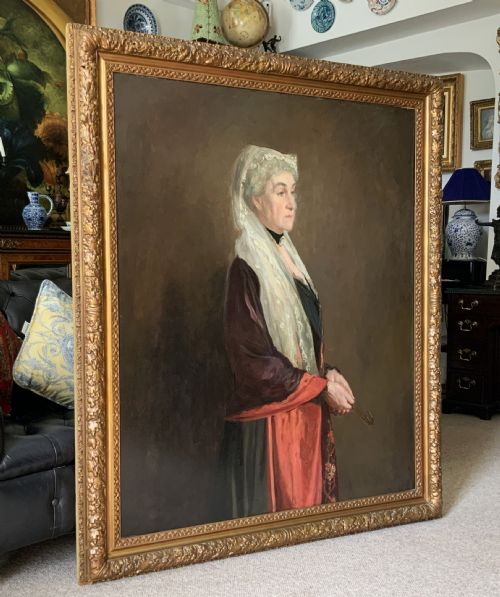
Pigments were worked with brushes to build layered compositions capturing fabrics, lace, and facial expressions. Engravers utilised copper plates to produce detailed mezzotint portrait prints after established painters.
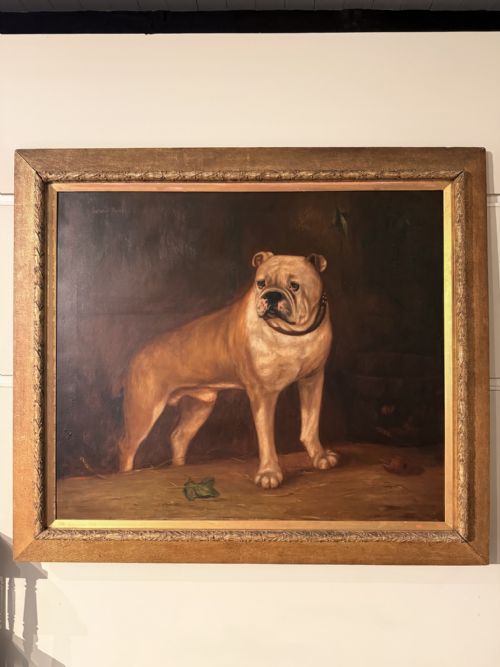
Several canine subjects gaze out from these traditional portraits, including show dogs, terriers, and clumber spaniels.
Assessing quality and execution
Quality rests upon the technical skill demonstrated in rendering anatomy, textiles, and light across the subject's face. Accomplished brushwork defines the distinction between a generic provincial copy and a masterwork by a recorded hand.
The preservation of the original canvas, pigment stability, and the retention of period giltwood framing contribute significantly to the standing of an individual piece.
James Watson·Sir Joshua Reynolds·Thomas Gainsborough·John Hamilton Mortimer·John Emms·Frank Moss Bennett
The Traditional Portraiture Art Glossary
- Mezzotint
- A printmaking process where the copper plate is roughened to achieve rich tonal gradations in dark areas. This technique produces velvety portrait prints with subtle shading.
- Giltwood
- Wood carved and coated with gold leaf or metallic powder to create a bright decorative surface. These frames often accompany nineteenth-century oil paintings.
- Oil on Canvas
- Pigment bound in drying oil applied to a woven fabric support stretched over a frame. This medium dominated portrait painting from the seventeenth century onward.
- English School
- A classification for artworks produced by artists working within Britain during a shared period. These pieces often reflect prevailing domestic portraiture conventions.
- Ancestor Portrait
- A formal likeness commissioned to record family lineage and honour forebears. Such works frequently originate from Chinese traditions.
Traditional Portraiture Art: Frequently Asked Questions
What periods do these portraits cover?
The pieces span from the seventeenth century through the Georgian and Victorian eras up to the mid-twentieth century.
Works range from early seventeenth-century nobility depictions to later nineteenth-century sporting and domestic studies.
How should I display a framed oil portrait?
Oil paintings require placement away from direct sunlight and excessive humidity to protect the canvas and pigment.
Secure hanging relies on matching the weight of the giltwood frame to appropriate wall fixings.
What subjects appear in these artworks?
Subjects include military officers, judges, children, ladies in elaborate costume, and gentlemen holding pipes.
Animal subjects such as horses, terriers, and spaniels also feature prominently among the painted works.
Are all pieces original oil paintings?
The selection includes original oil paintings on canvas and board alongside watercolours, pastels, and printed mezzotints.
Each listing specifies the exact medium utilised by the artist or printmaker.