




Historic Male Fine Art
Historic male fine art captures centuries of masculine identity through oil paint on canvas and framed portrait miniatures.
Historic Male Fine Art
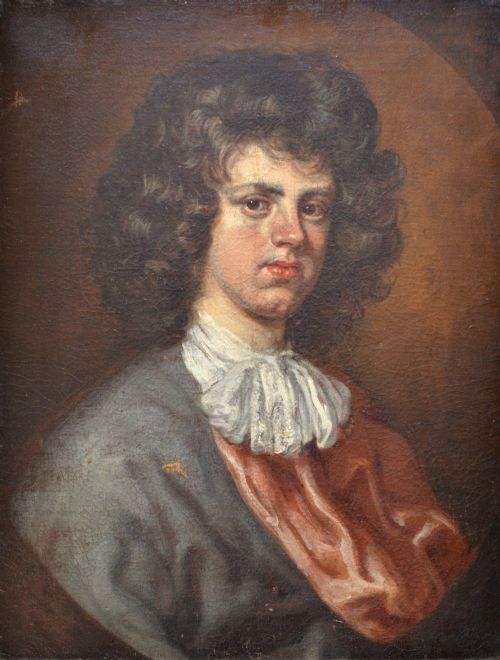
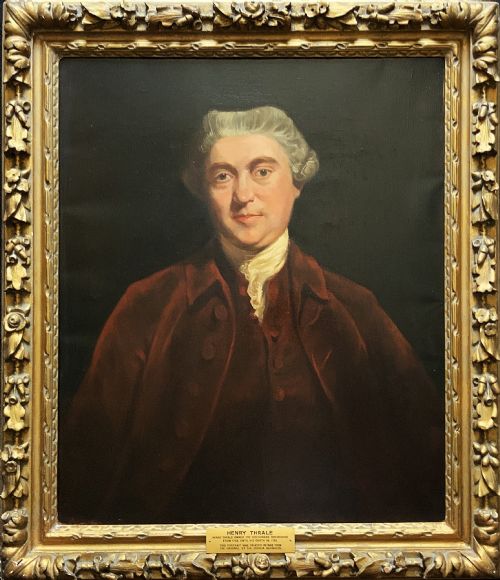
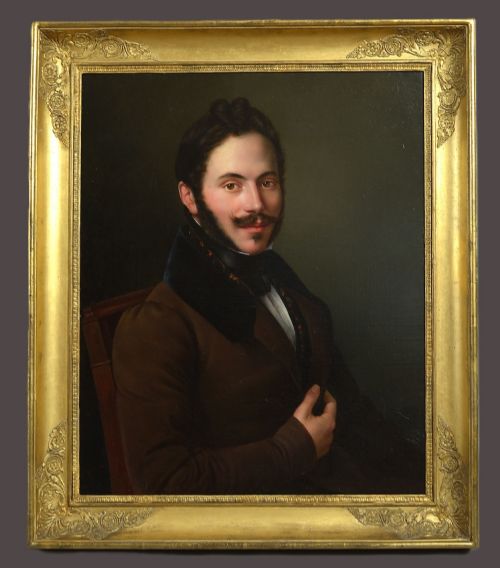
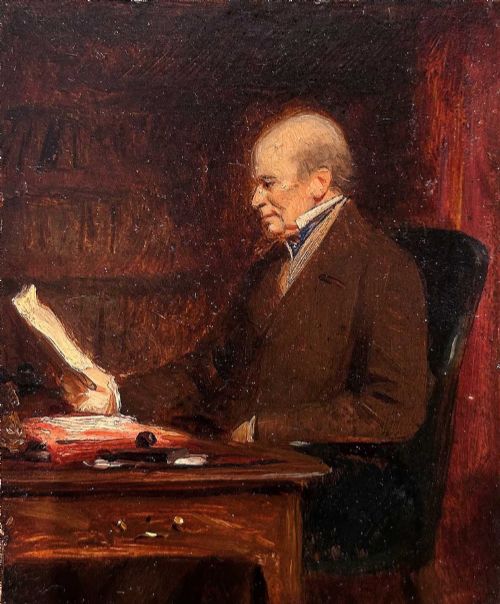
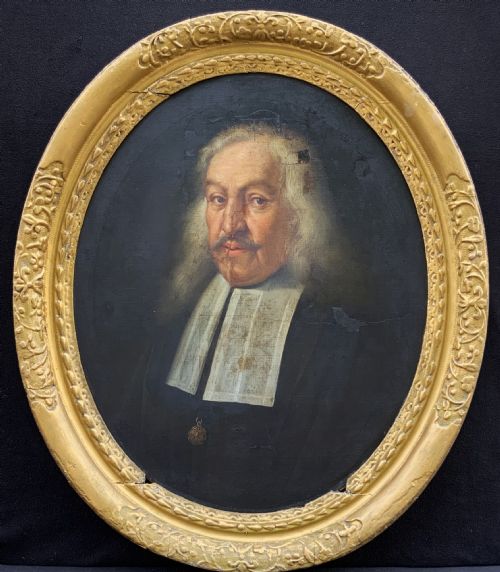
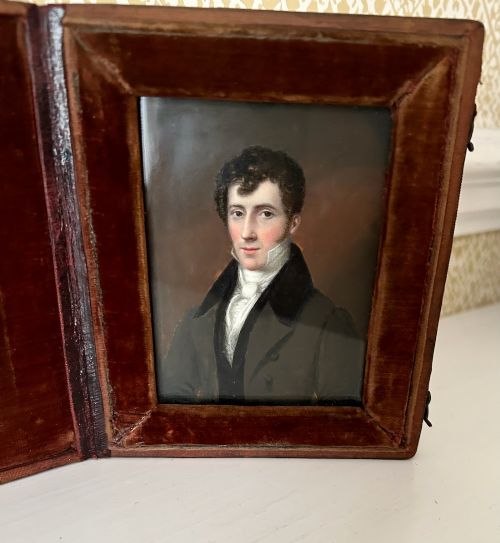
When searching for historic male fine art, collectors encounter oil paintings and portrait miniatures depicting identifiable gentlemen, officers, physicians and noblemen. These works span from the seventeenth century through the Victorian period, originating predominantly from British and continental European schools.
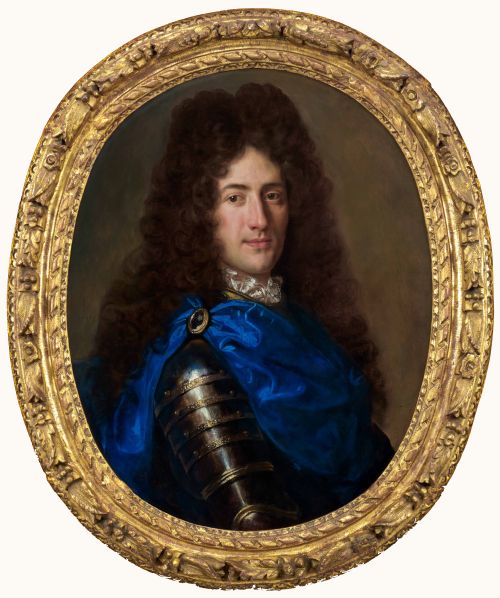
The most common pieces on this page are eighteenth-century and nineteenth-century oil paintings on canvas. Subjects appear in formal attire, ranging from armour and azure cloaks to crimson coats and black suits.
Works frequently connect to named sitters and circles of notable portraitists, providing documented lineages of nobility, military service and professional achievement.
Materials and Construction
Artists built these works using oil paint applied to woven canvas surfaces, frequently supported by wooden stretcher frames. Pigments were layered to achieve depth in garments, skin tones and dark backgrounds characteristic of baroque and georgian portraiture.
Many surviving pieces retain their original or period-appropriate frames constructed from wood and finished with gilt or gilding. Miniature portraits utilise specialised supports housed within protective protective cases, preserving delicate facial details.
Several gentlemen stare out across the centuries wearing remarkably elaborate wigs and waistcoats.
Assessing Artistic Merit and Condition
Quality in these portraits rests upon the rendering of the sitter's hands, facial expression and textiles. Master artists capture psychological depth and realistic drape in heavy fabrics like velvet and wool, whereas lesser workshop copies yield rigid postures and flat drapery.
The preservation of the original paint surface and canvas tension dictates the visual impact of the work. Retained signatures, contemporary inscriptions on the reverse, and documented attribution to established portrait circles elevate the historical importance of the piece.
Sir William Beechey·Mary Beale·Sir Joshua Reynolds·Edouard Pingret·Stephen Pearce·Pieter Borseler·Joseph Vivienne·Joseph Highmore·William Millar·Michael Dahl·George Francis Joseph·James Latham·Lemuel Francis Abbott·Angelica Kauffman·John Michael Wright
The Historic Male Fine Art Glossary
- Circle of
- A designation indicating the artist worked closely within the studio or under the direct influence of a master painter.
- Oil on canvas
- Pigment mixed with drying oil applied to a stretched fabric support, standard for large-scale European portraiture.
- Portrait miniature
- A small, highly detailed painting executed on a delicate substrate, designed for intimate viewing or personal carriage.
- Giltwood
- Wood carved and coated with a thin layer of gold leaf, commonly used for ornate antique picture frames.
- Attributed to
- A term applied when an expert considers a work likely to be by a specific hand based on stylistic evidence.
Historic Male Fine Art: Frequently Asked Questions
How do I date an antique portrait?
Dating relies heavily on the sitter's costume, wig style, facial hair and collar design, which changed rapidly across decades.
Secondary evidence includes stretcher construction, canvas type, and inscriptions or signatures left on the reverse of the work.
What is the difference between a master and a circle piece?
A work by a master painter was executed entirely by the named artist's hand.
Pieces from the circle of an artist were produced by skilled contemporaries or studio assistants working under their direct stylistic influence.
Where should I hang a large oil painting?
Large canvases require stable interior walls away from direct sunlight and fluctuating heat sources like fireplaces or radiators.
Mounting must account for the substantial weight of the wooden stretcher frame and historic timber.
Why do some portraits depict men in armor?
Armour served as an enduring symbol of military authority, aristocratic lineage and martial readiness well after active battlefield use declined.
Sitters commissioned these armor-clad depictions to project status and historical gravitas.