


Traditional Porch Lantern
A traditional porch lantern brings character and welcoming light to an entrance, spanning brass, copper, and wrought iron forms.
Traditional Porch Lantern
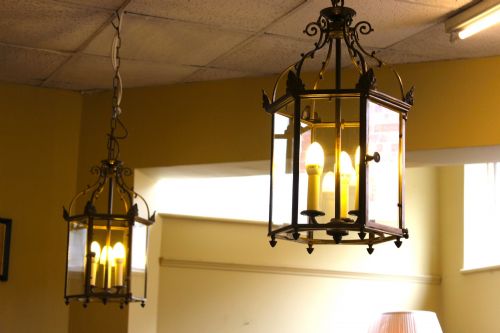
A traditional porch lantern encompasses exterior and interior hanging lights, wall sconces, and pendant lighting designed to illuminate entrances and halls. Buyers seeking a traditional porch lantern typically encounter pieces dating from the late nineteenth century through to the 1930s, including Edwardian and Victorian examples.
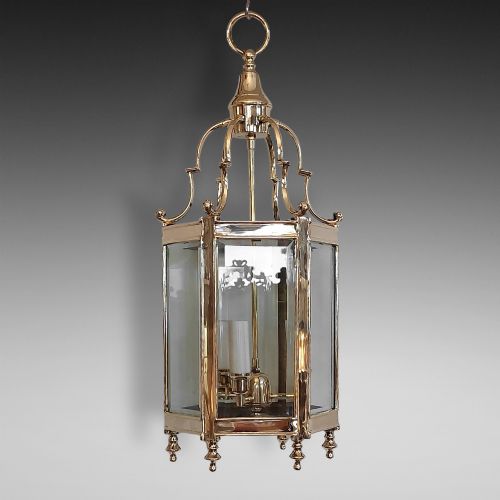
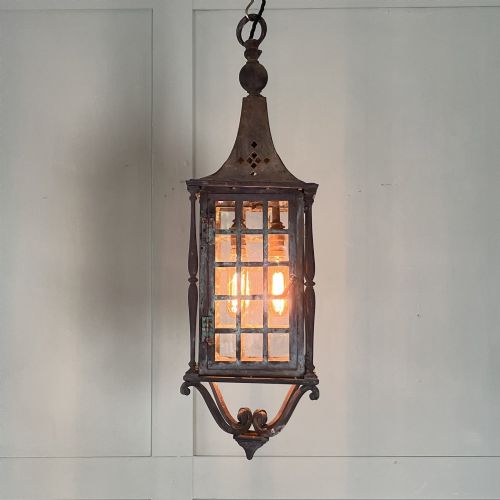
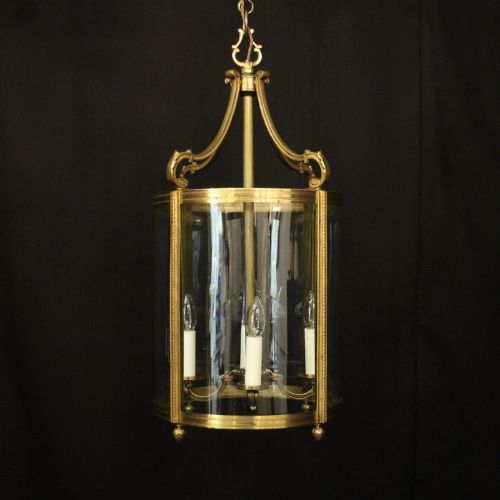
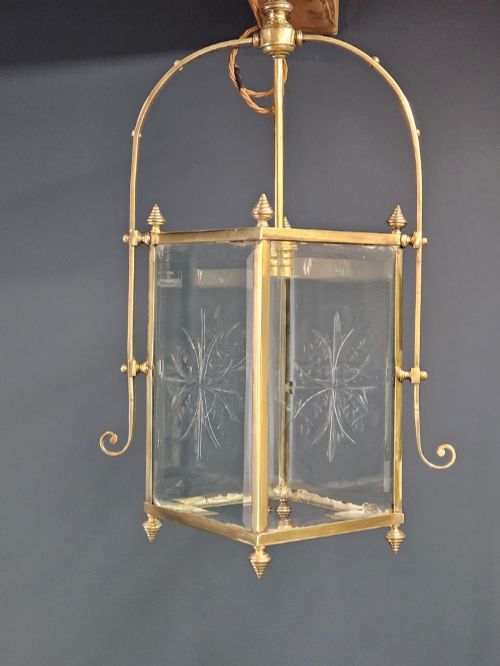
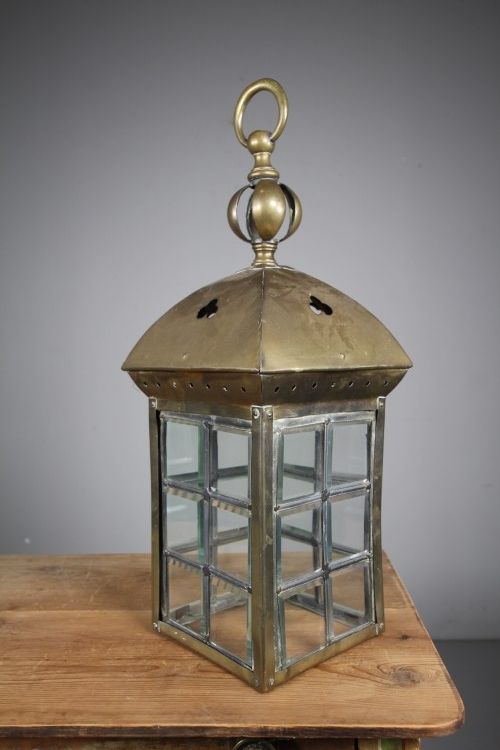
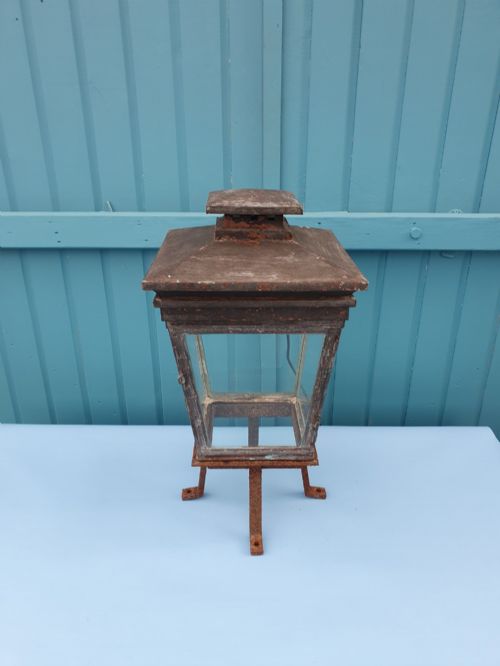
The selection ranges from hexagonal and octagonal brass frames to robust copper and wrought iron wall lanterns. French styles and Arts and Crafts pieces appear frequently, offering distinct regional interpretations of outdoor and hallway lighting.
Forms vary from ceiling lights and hall lanterns to specific wall-mounted lanterns converted from earlier gas fittings. These fixtures provide both functional illumination and architectural presence for period properties.
Materials and construction methods
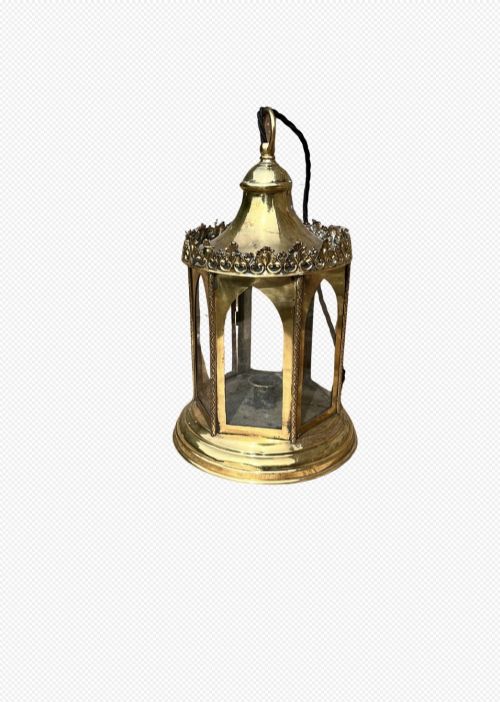
Construction relies heavily on metals such as brass, copper, bronze, and wrought iron, often combined with glass panels or frosted glass. Frames are joined to house clear or textured glazing designed to shelter the light source from the elements.
Many surviving examples originate from gas conversions, where original nineteenth or early twentieth century metalwork was adapted for electrical wiring. Skilled metalworking is evident in framed panels, decorative brackets, and structural joins.
Assessing quality in period lighting
Quality rests on the weight and gauge of the metal used in the frame, along with the precision of the glazing and structural joints. Thicker brass, cast bronze, and hand-worked wrought iron demonstrate superior durability and finish compared to lighter alternatives.
The refinement of decorative details, such as cast brass ornamentation or integrated motifs like shamrocks, distinguishes finer examples. Original patination and intact glass panels also contribute significantly to the standing of a piece.
The Traditional Porch Lantern Glossary
- Hall Lantern
- A hanging light fixture designed primarily for entrance halls and vestibules. These fixtures often feature glazed panels held within metal frames.
- Hexagonal Lantern
- A light with six sides, commonly constructed in brass or copper during the Edwardian period. This geometric form allows for multiple glass panes.
- Arts and Crafts
- A design movement prioritising traditional craftsmanship and simple forms. Pieces from this style often feature hand-beaten copper or ironwork.
- Gilded Bronze
- Bronze metal treated with a thin layer of gold leaf or gilt finish. This technique adds warmth and decorative distinction to French hall lanterns.
Traditional Porch Lantern: Frequently Asked Questions
How do I install a period porch lantern?
Most antique lanterns require professional electrical installation to ensure they meet modern wiring standards while preserving the original metal body. Electricians can usually adapt mounting brackets to fit existing exterior wiring points.
Care should be taken to weatherproof connections properly if the lantern is mounted in an exposed outdoor porch location.
Were these lanterns originally gas powered?
Many nineteenth century and Edwardian lanterns were originally designed for gas illumination before being converted to electricity later in their lifespan. You can often identify these by internal burner remnants or adaptation holes in the base.
Conversion does not diminish historical interest, as it represents the practical evolution of domestic lighting.
Can these lights be used outdoors?
Many surviving examples were built for exterior use on porches and outside walls, particularly those made from durable copper and iron. However, checking the weatherproofing of each specific fixture is sensible before exposing it to heavy rain.
Covered porches offer the best protection for delicate brass or gilded bronze finishes.
How do I clean an antique brass lantern?
Dusting with a soft, dry cloth is usually sufficient to maintain the surface without disturbing the historic patination. Avoid harsh chemical cleaners that can strip away aged finishes on brass and copper.
Glass panels can be removed carefully and washed with mild soapy water if needed.