
Traditional Pine Storage Box
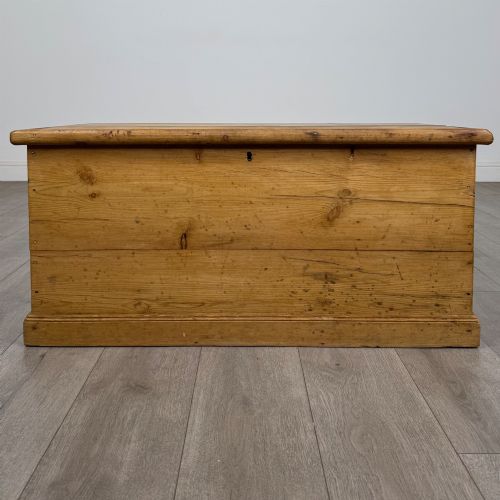
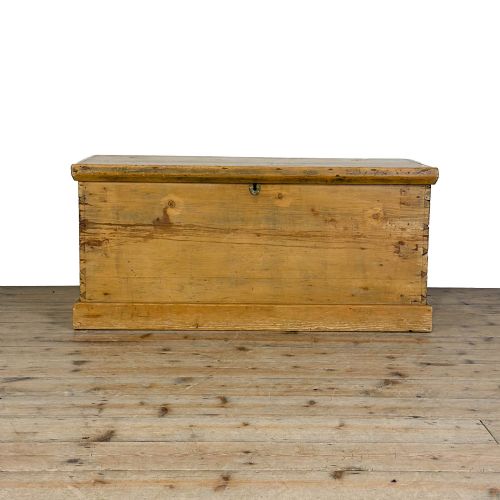
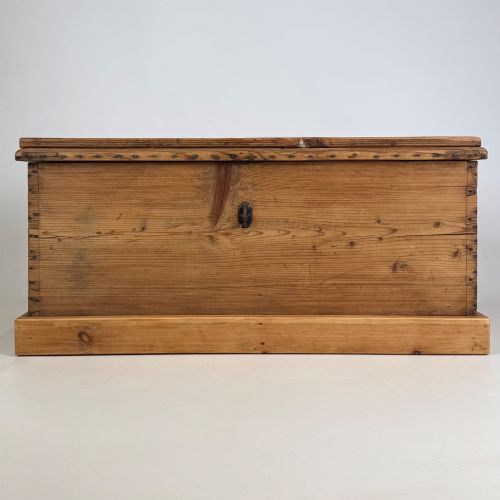
A traditional pine storage box brings honest utility and vernacular character to a room, offering sturdy containment fashioned from utilitarian timber.
Traditional Pine Storage Box
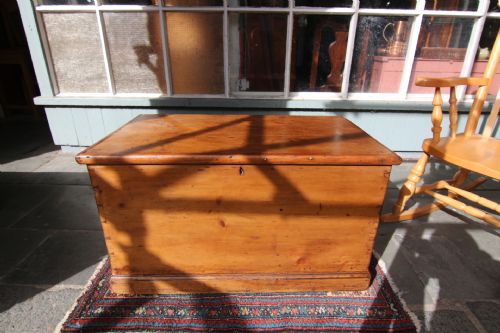
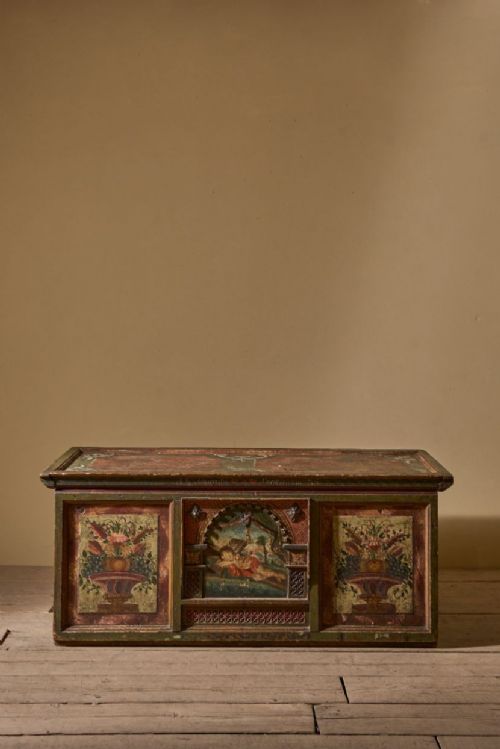
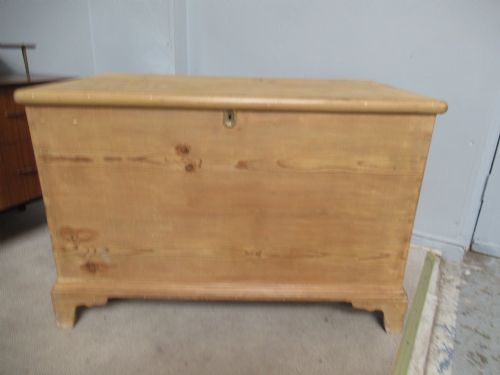
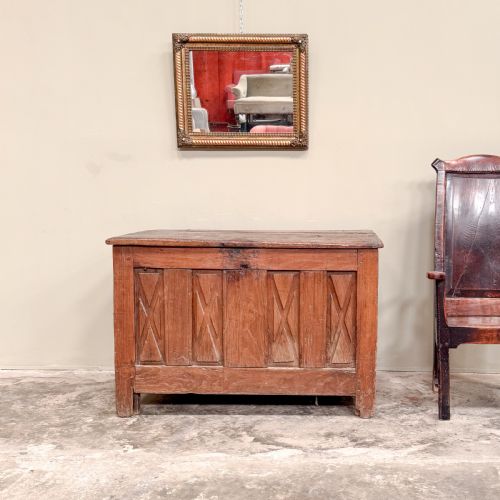
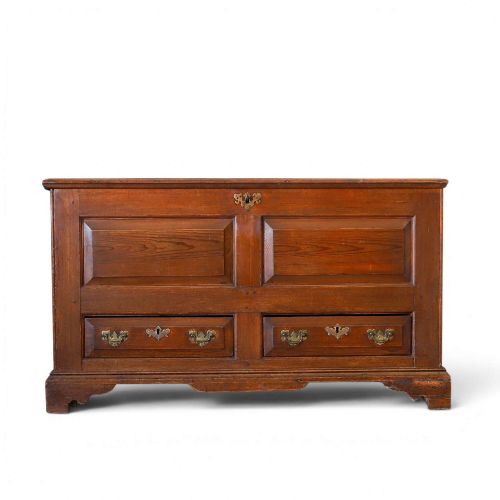
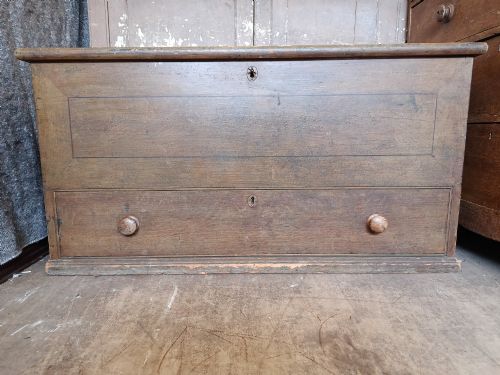
A traditional pine storage box spans simple blanket chests, marriage trunks, and mule chests fitted with lower drawers. These pieces emerge from regional workshops across Britain, France, Spain, Wales, and Hungary, encompassing vernacular forms built for daily domestic containment.
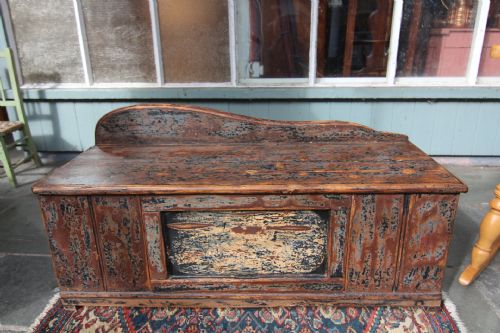
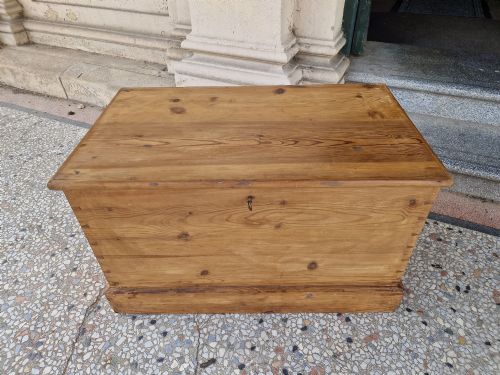
The selections on this page lean heavily toward nineteenth-century Victorian pieces and eighteenth-century Georgian examples. Buyers frequently encounter robust trunks, blanket boxes, and timber coffers alongside rustic settles featuring integrated box seating.
Makers ranged from rural carpenters to regional folk artisans who constructed durable receptacles using accessible softwood. These items served households by securing textiles, tools, and personal belongings in farmhouse and provincial settings.
Materials and Construction
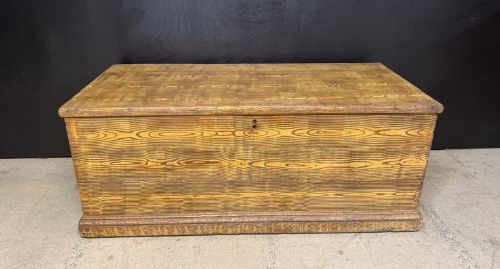
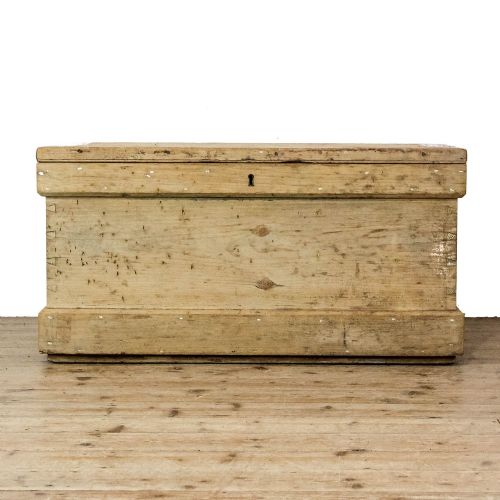
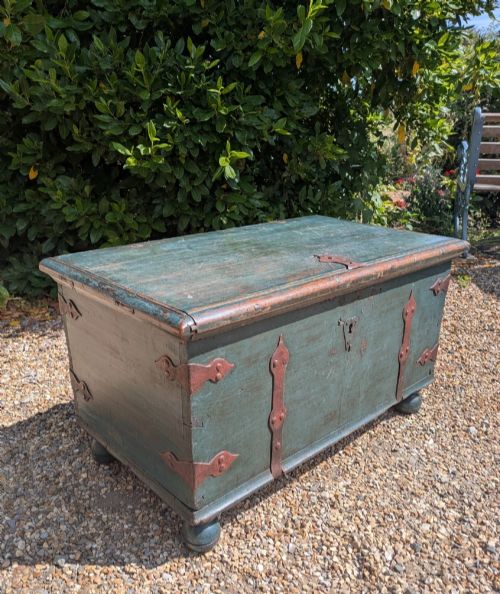
Carpenters built these receptacles primarily from solid pine and Oregon pine, occasionally incorporating hardwood or oak for structural reinforcement. Surfaces received either a clear wax finish to highlight the natural grain or coats of pigment, paint, and scumble.
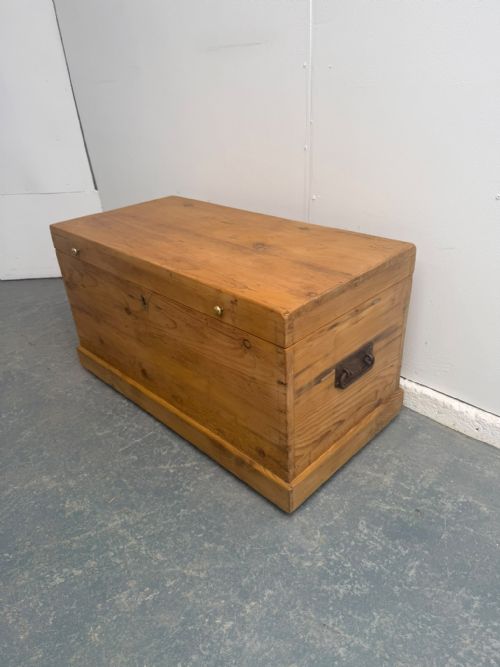
Iron, brass, and hand-forged wrought iron provided essential functional hardware, including strapwork, hinges, and corner brackets. These metal elements secured heavy lids and joints while adding robust decorative contrast to the soft timber surfaces.
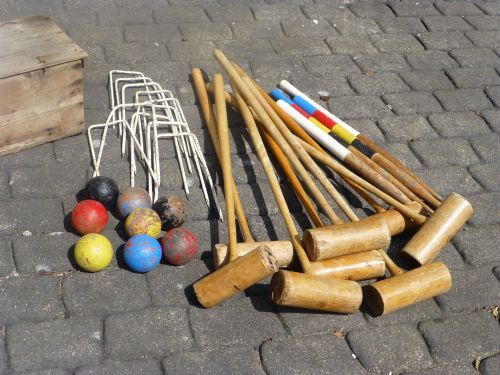
One unexpected survivor on the floor is an early Victorian croquet set preserved inside its original pine box.
Evaluating Craft and Condition
Quality rests upon the integrity of the original timber construction and the preservation of authentic surface treatments. Pieces retaining their early or original paintwork and hand-forged iron strapwork stand apart from later stripped examples.
Proportion, dovetail joinery, and untouched patination define the upper tier of these chests and benches. Structural alterations or replaced hardware diminish the historical integrity of an otherwise authentic period box.
The Traditional Pine Storage Box Glossary
- Mule chest
- A traditional storage chest featuring one or more drawers beneath the main compartment. This form bridges the gap between a simple coffer and a chest of drawers.
- Coffer
- A heavy, robust timber chest traditionally used for storing valuables or documents. These lidded boxes often display solid board construction and pegged joints.
- Scumble
- A translucent or semi-opaque layer of pigmented glaze applied over a base coat to imitate finer wood grains or create mottled decorative patterns.
- Strapwork
- Flat bands of metal, commonly iron or brass, fastened across the exterior of a box or trunk to reinforce joints and hinges.
- Settle
- A wooden bench with a high back, solid armrests, and a hinged seat concealing a storage compartment underneath.
Traditional Pine Storage Box: Frequently Asked Questions
What is a traditional pine storage box?
A traditional pine storage box is a utilitarian lidded chest or trunk fashioned from softwoods by regional carpenters. These pieces were built to store household textiles, clothing, and domestic goods.
Over the centuries, forms evolved from plain functional coffers to painted marriage trunks and settle benches with integrated storage compartments. They reflect the vernacular woodworking traditions of Britain and continental Europe.
How were these boxes used originally?
Households relied on these timber receptacles to protect valuable blankets, linens, and garments from dust, damp, and pests. Their sturdy construction also allowed them to serve as impromptu seating or tables in smaller homes.
In provincial settings, mule chests with lower drawers provided additional organisation for smaller items. Settle benches combined seating around a hearth with concealed storage beneath the hinged seat.
How do I date a pine chest?
Dating relies on examining construction methods, hardware, and surface finishes. Eighteenth-century examples often feature hand-cut dovetails, pegged joints, and heavy board construction.
Nineteenth-century pieces frequently show machine-sawn timber or standard iron hinges. Original paint, scumble finishes, or applied floral decoration also point to specific regional periods.
How should I care for waxed pine furniture?
Maintain waxed pine surfaces by dusting regularly with a soft, dry cloth. Avoid placing these boxes near direct heat sources or in damp environments, which can warp softwood timber.
Periodically apply a quality beeswax polish to nourish the grain and preserve the historic patination. Avoid modern silicone sprays that can degrade old wax finishes.