
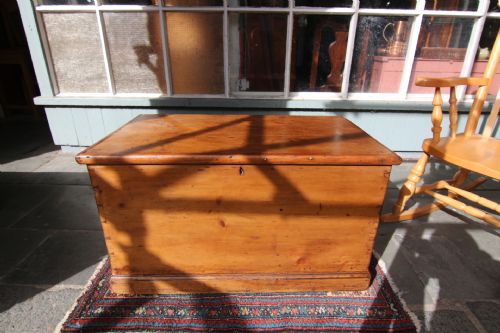
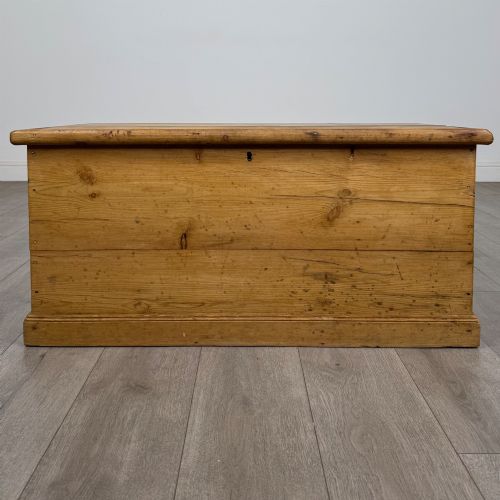
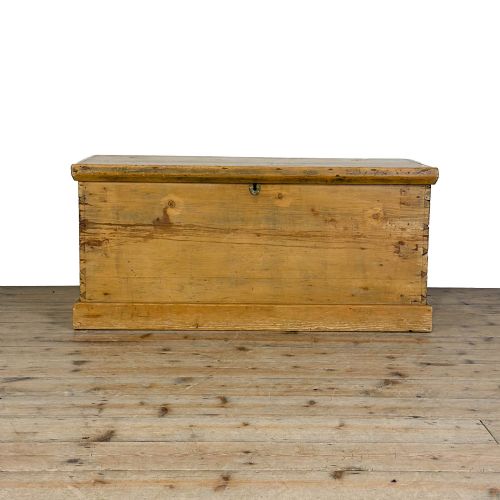


Large Pine Coffer Chest
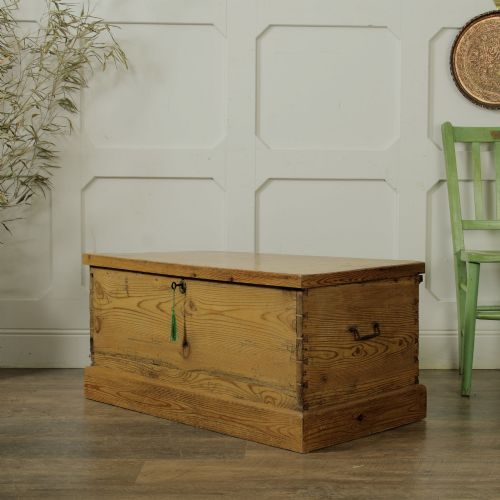
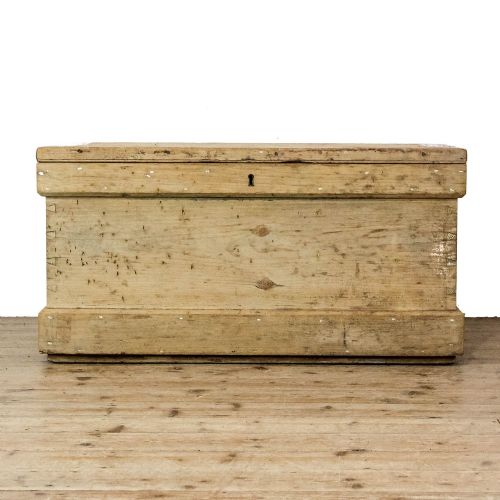
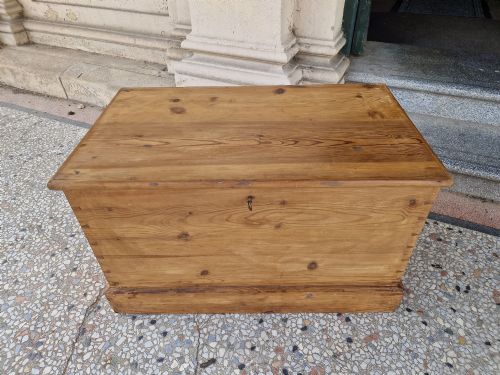
A large pine coffer chest is a sturdy domestic storage piece built for blankets and household goods, prized for its honest utility and rustic charm.
Large Pine Coffer Chest
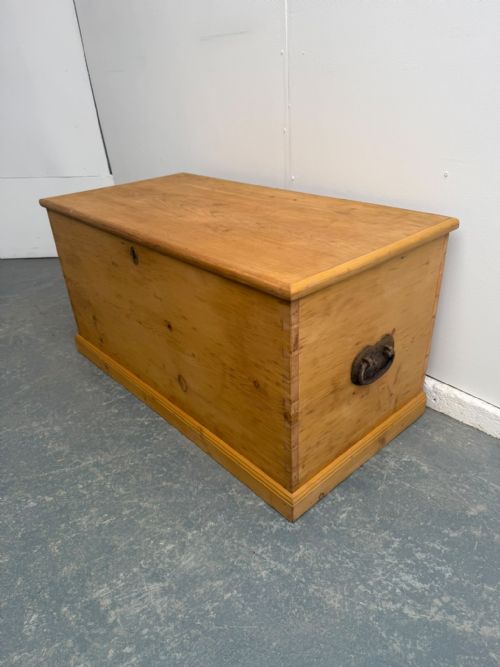
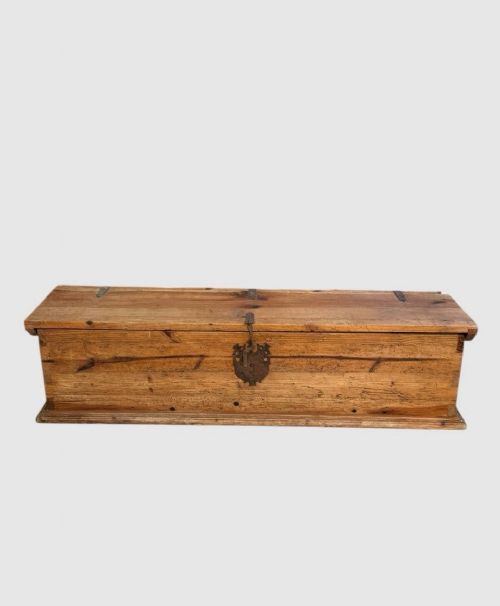
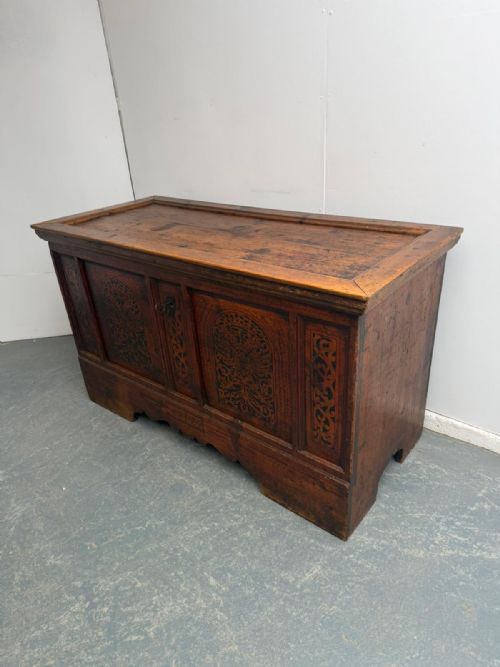
When you search for a large pine coffer chest, you encounter robust storage vessels primarily originating from the Victorian era and the nineteenth century, alongside earlier Georgian examples and continental folk pieces. These items serve as blanket boxes, mule chests, marriage trunks, and tool chests, carrying a functional heritage rooted in domestic utility.
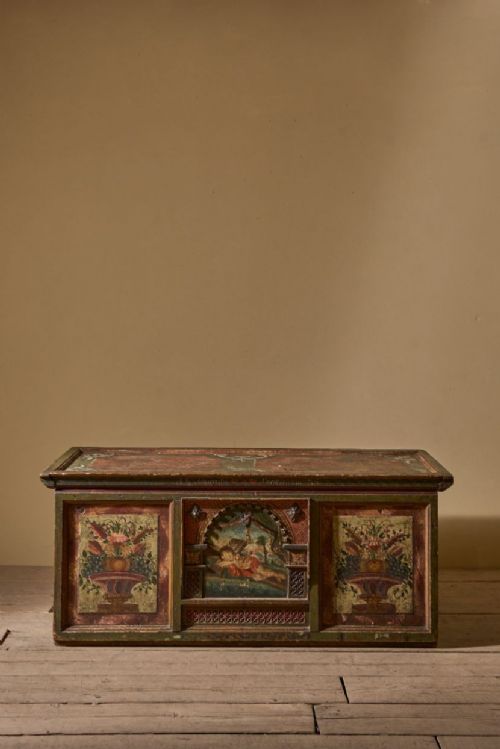
The most common iterations on this page are nineteenth-century Victorian pine trunks and blanket boxes, often featuring waxed finishes or substantial iron and brass binding. Alongside these British pieces appear continental examples, including painted Hungarian and Dutch country coffers that bring distinct regional character to the form.
How they were made
These chests are constructed predominantly from solid pine and pitch pine, selected for accessibility and strength, then joined to withstand heavy daily use. Carpenters frequently incorporated internal drawers, secret compartments, or domed lids to enhance the practicality of the storage space.
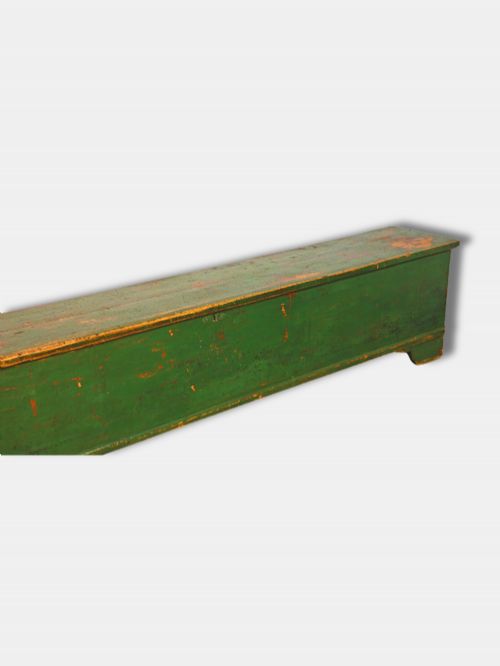
Surface treatments define much of the physical character, ranging from simple clear wax to layers of pigment, paint, and scumble finishes. Hardware plays an essential structural and decorative role, with iron and metal bindings reinforcing the corners and edges of working trunks.
Listings feature eighteenth-century Georgian pieces alongside nineteenth-century Victorian variants, utilising both standard pine and dense pitch pine.
What varies in quality
The distinction between ordinary utility boxes and superior examples rests on the integrity of the timber, the presence of original painted or waxed surfaces, and the survival of internal fittings such as secret drawers. Heavy iron or brass hardware that remains intact adds significant character and structural honesty.
Proportion and scale also separate standard blanket boxes from massive mule chests or marriage trunks, where greater timber selection and regional folk art painting elevate the visual presence of the piece.
The Large Pine Coffer Chest Glossary
- Coffer chest
- A large wooden box with a lid, historically used for storing valuables, linens, and personal possessions. These pieces form the backbone of traditional domestic storage.
- Mule chest
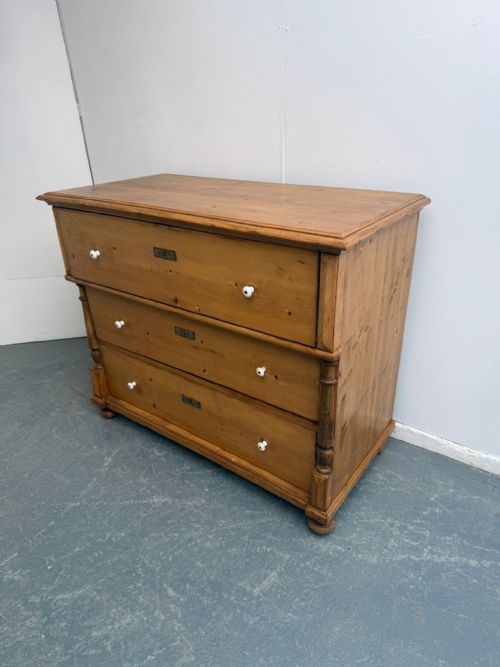
- A storage chest featuring one or more drawers at the base beneath the main compartment. This design bridges the gap between a traditional blanket box and a chest of drawers.
- Pitch pine
- A dense, resinous variety of pine known for its durability and prominent grain pattern. Makers utilised this timber for pieces requiring extra structural resilience.
- Scumble
- A decorative painting technique involving a translucent glaze dragged over a base coat to simulate wood grain or create textured patterns. It appears frequently on nineteenth-century country trunks.
- Marriage trunk
- A decorated chest commissioned or gifted to celebrate a wedding, often bearing specific painted motifs, initials, or regional folk art designs.
Large Pine Coffer Chest: Frequently Asked Questions
What is the difference between a coffer and a blanket box?
A coffer is a traditional heavy chest historically used for travel or secure storage, while a blanket box typically refers to a domestic trunk dedicated to linens and bedding. In practice, the terms often overlap among nineteenth-century pine furniture.
Both forms utilise sturdy timber construction and hinged lids, though coffers sometimes incorporate more elaborate iron bindings or historical regional decoration.
How do I identify a Georgian pine chest?
Georgian pine chests usually display simpler, heavier proportions with hand-cut joinery and older patinated wax surfaces. They often predate standard Victorian factory methods and show signs of individual craftsmanship.
Examining the hinges, interior construction, and nail types helps distinguish these eighteenth-century and early nineteenth-century pieces from later reproductions.
Were these chests painted originally?
Many continental and country pieces were painted with pigments or scumble finishes to decorate the pine and protect the wood. Hungarian and Dutch examples frequently retain their original painted surfaces.
British pieces were more commonly waxed or polished to highlight the natural grain of the pine over decades of domestic use.
Can I use a large pine chest as a coffee table?
Their flat lids and substantial proportions make these chests suitable for living spaces where surface area and internal storage are both required. Many buyers utilise them in place of conventional tables.
Care should be taken to protect the historic wax or painted finish from moisture and heavy daily wear.