
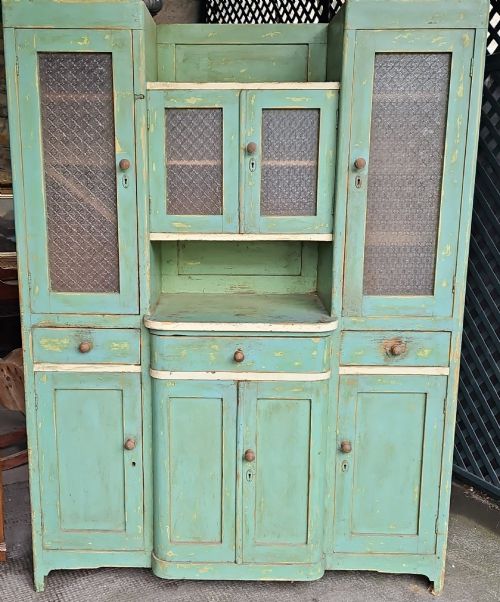


Traditional Pine Larder
A traditional pine larder is a sturdy storage cabinet designed for food preservation, offering deep shelving and practical ventilation for domestic kitchens.
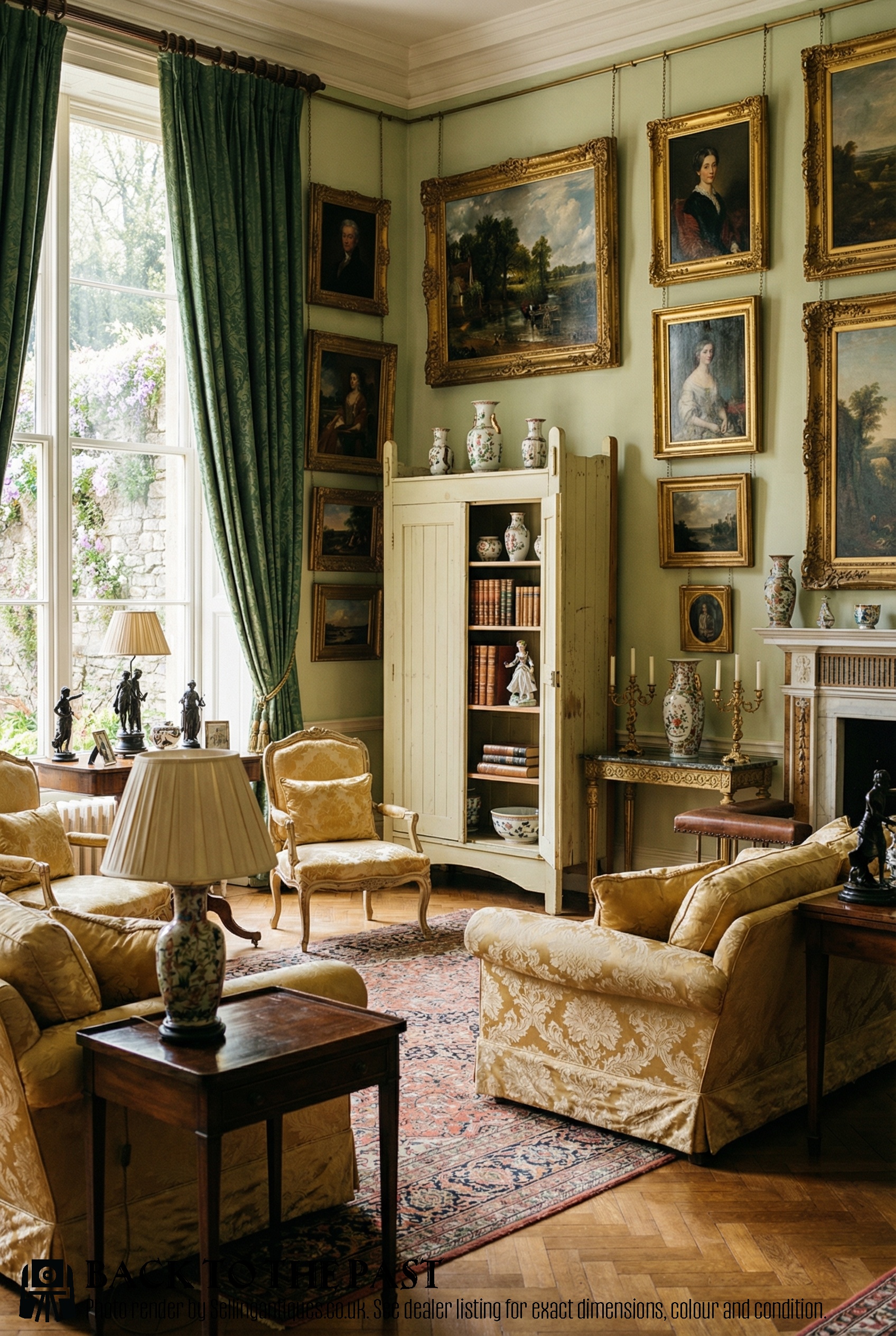
Traditional Pine Larder
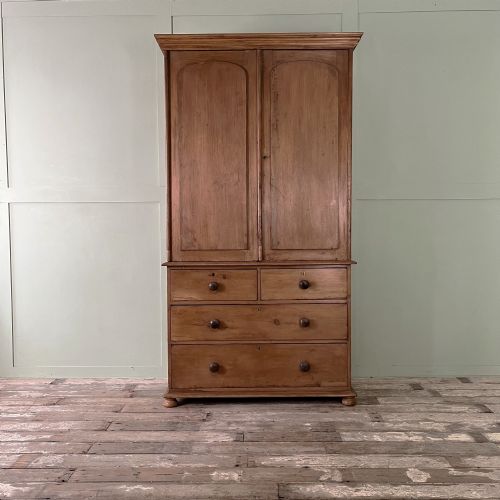
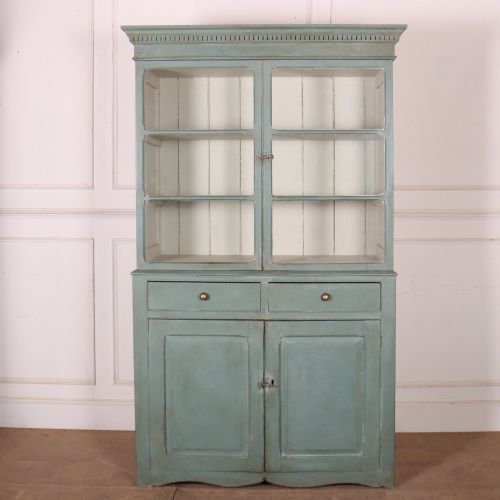
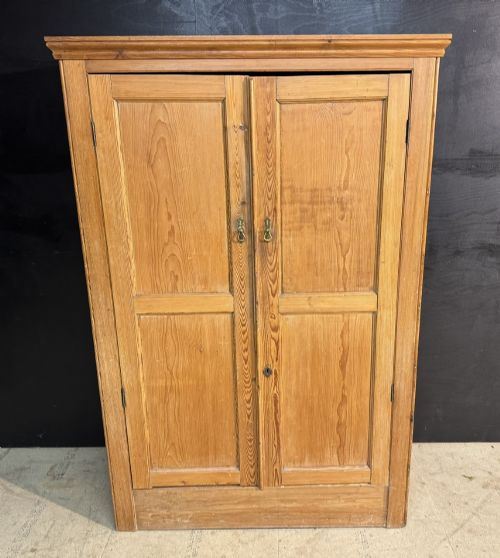
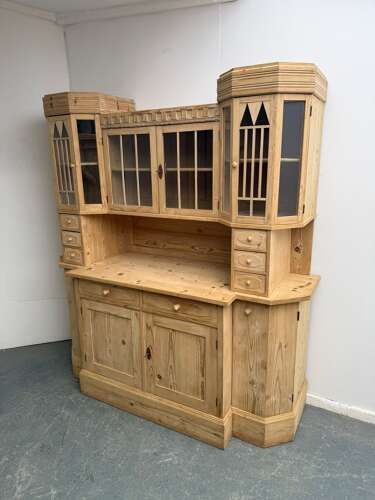
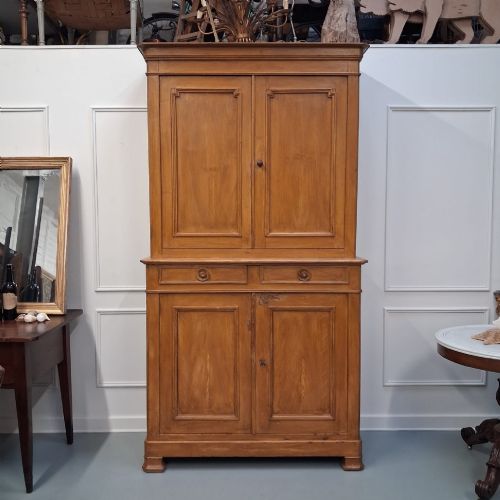
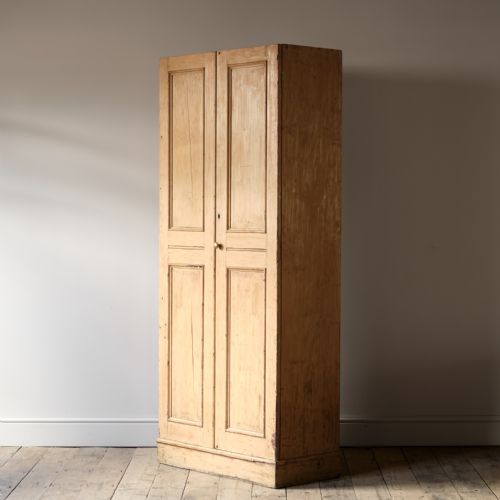
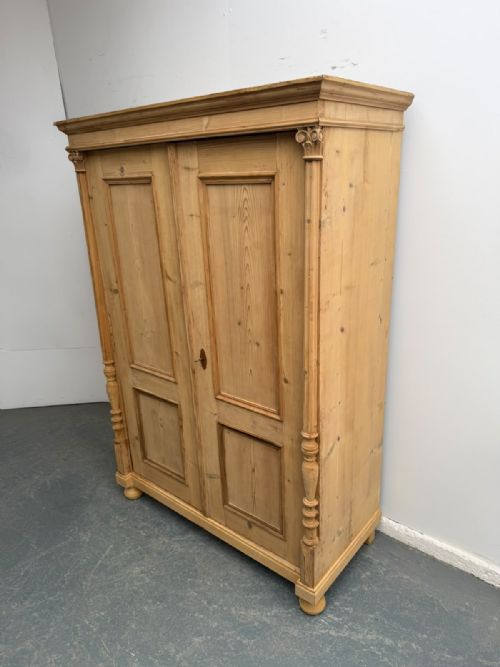
A traditional pine larder primarily encompasses large storage cupboards, kitchen dressers, and housekeepers cupboards built to hold provisions in the home. These pieces emerge across the eighteenth, nineteenth, and early twentieth centuries from regional workshops across Britain, France, Hungary, and Japan. The typical form encountered here is the upright cupboard in solid pine, often fitted with internal shelving or compartments for food storage.
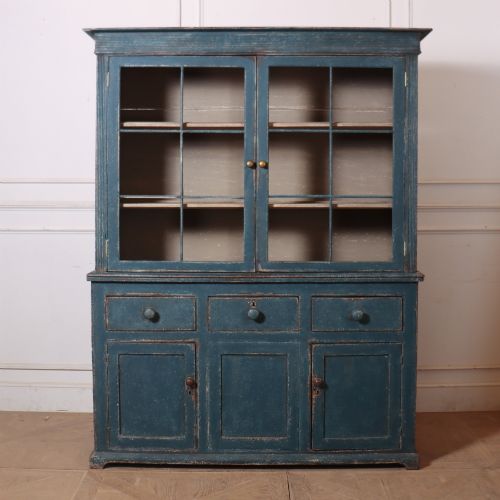
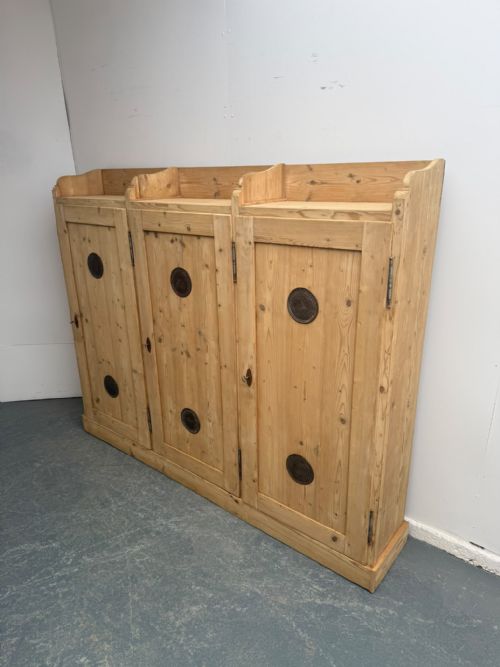
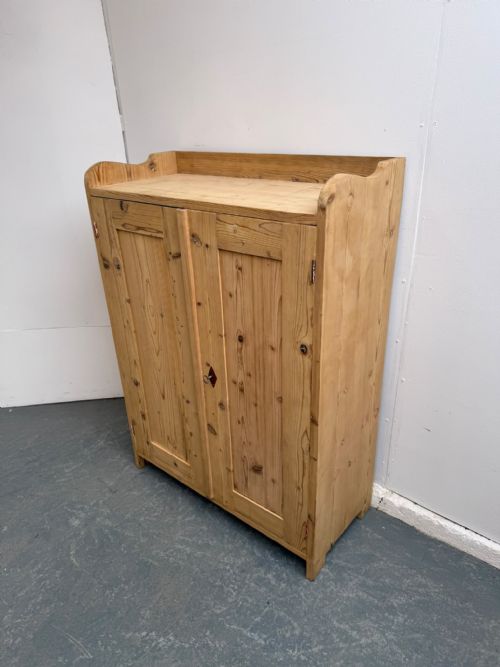
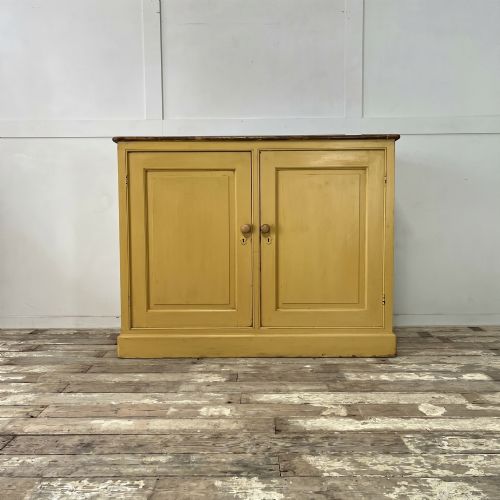
The selection ranges from simple vernacular school cupboards and bread and cheese cupboards to grander glazed kitchen cabinets and fitted storage units. Many examples display regional characteristics such as Scottish, West Country, or East European builds, reflecting local domestic habits. Buyers find both waxed natural timber finishes and old painted surfaces that have survived generations of kitchen use.
Materials and construction
Construction relies heavily on solid pine, chosen for its availability and workability by country cabinet makers and regional joiners. Timber surfaces frequently appear in their natural waxed state or finished with traditional paint, sometimes showing multiple layers accumulated over decades of use. Iron, brass, and metal hardware such as hinges, latches, and pulls secure the doors and drawers.
Materials recorded across the inventory include solid pine, painted wood, iron, brass, and glass.
The spectrum of quality
Quality in a traditional pine larder is defined by the integrity of its original construction and the preservation of its timber or paint surface. Finer examples retain their original iron or brass hardware, uncompromised internal shelving, and untouched painted finishes rather than modern restorations. The balance of proportions and the cleverness of internal storage arrangements distinguish bespoke regional workshop pieces from utility school or storage cupboards.
The depth of character in the wood grain and the natural patina acquired through extensive domestic service separate ordinary pieces from exceptional ones. Construction details like dovetailed joints and solid backboards indicate careful making, while heavy modern alterations or stripped surfaces diminish the historical character. The most desirable pieces combine practical scale with authentic regional styling, whether English country, French provincial, or Scottish vernacular.
The Traditional Pine Larder Glossary
- Housekeeper Cupboard
- A large tall storage cabinet traditionally used for linen, dry goods, and household provisions. These pieces typically feature multiple panelled doors enclosing deep shelves.
- Bread and Cheese Cupboard
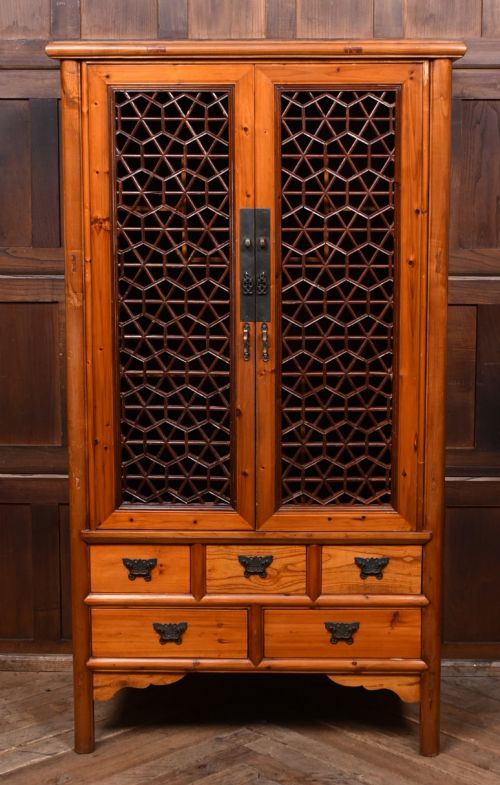
- A specialised ventilated food storage piece designed with pierced or screened panels to allow air circulation around perishable items. They represent a specific form of vernacular kitchen furniture.
- Kitchen Dresser
- A dual-purpose piece combining base cupboards or drawers with upper open shelving or a glazed cabinet. They serve as both storage and display units for tableware and provisions.
- Patina
- The surface sheen and coloration developed by wood and paint over long periods through handling, cleaning, and exposure to light. It serves as an indicator of age and authenticity.
- Vernacular Furniture
- Everyday utilitarian objects made by local craftsmen using regional materials and traditional designs rather than high-style academic patterns. Pine larders and country cupboards fall squarely into this tradition.
Traditional Pine Larder: Frequently Asked Questions
What is a traditional pine larder used for?
These pieces were originally built to store perishable food, dry goods, linens, and kitchen utensils before modern refrigeration became common in homes.
Today, buyers utilise them in modern kitchens and pantries as substantial freestanding storage cupboards for crockery, dried goods, and kitchen equipment.
How do I care for painted pine?
Painted surfaces on antique pine require gentle cleaning with a soft, dry cloth and protection from excessive moisture and direct sunlight.
Avoid harsh chemical cleaners that can strip or soften older layers of paint and wax applied to the timber over the centuries.
Are these larders suitable for small kitchens?
Many pine cupboards and larder units come in varying dimensions, including shallow vented variants and two-door formats that fit narrower spaces.
Careful measurement of ceiling height and floor space ensures a large freestanding cabinet integrates comfortably into a modest kitchen layout.
How can I tell the period of a pine cupboard?
Dating relies on examining construction techniques, such as hand-cut dovetails, tool marks, types of hardware, and the composition of the timber boards.
Stylistic cues like Arts and Crafts detailing or Victorian proportions also help place a piece within the nineteenth or early twentieth century.