


Painted Wooden Pantry
These painted wooden pantry pieces are practical storage cupboards and decorative boxes that bring authentic rustic charm to a country kitchen.
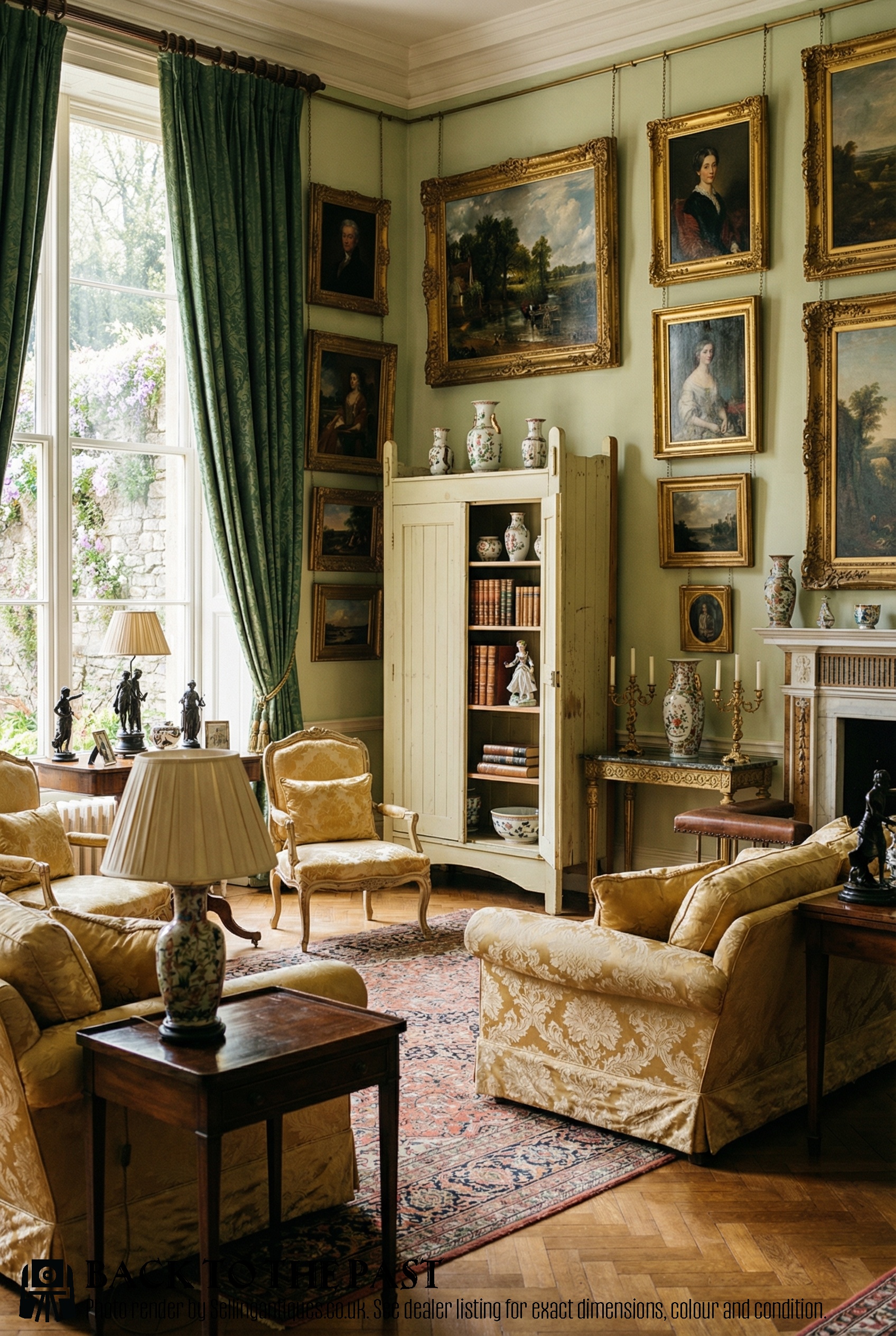
Painted Wooden Pantry
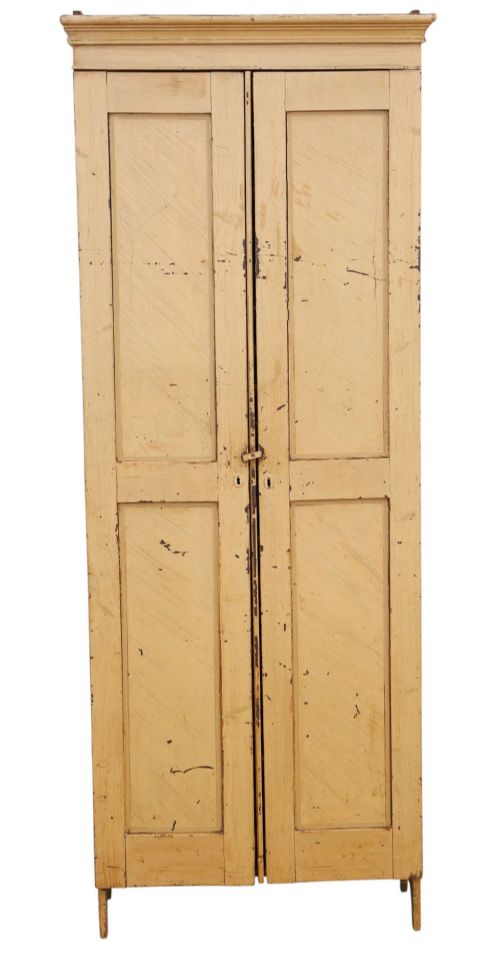
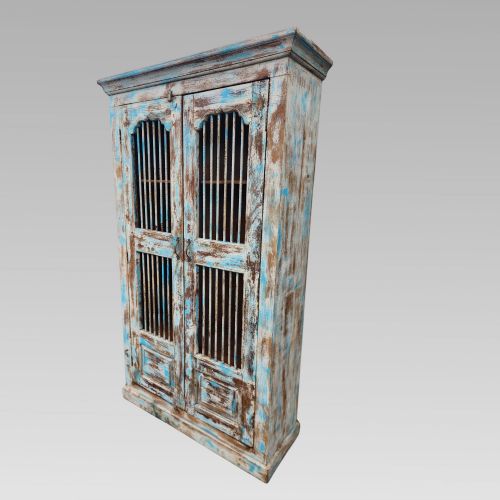
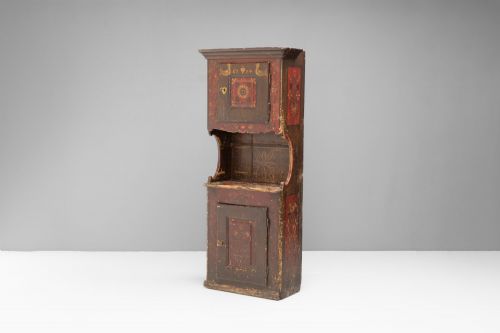
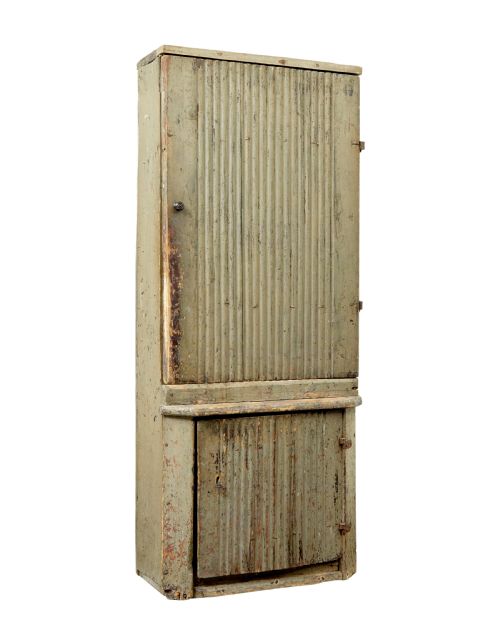
A painted wooden pantry search uncovers substantial kitchen storage cupboards, tall housekeeper's larders, and smaller decorative boxes designed for domestic use. The pieces span from the eighteenth century through to the Edwardian period, encompassing English, Scandinavian, and Austro-Hungarian origins.
Tall two-door storage cupboards and narrow housekeepers' larders dominate the selection, often retaining traces of their original painted surfaces. Alongside these large furniture items, smaller turned food boxes and decorative storage boxes offer alternative forms of period utility.
How they were made
Carpenters constructed these utility pieces primarily from solid pine and reclaimed teak, utilising robust timber suited to daily kitchen work. Iron and brass hardware such as hinges and latches secured the heavy doors and lids.
Craftsmen applied layered paint finishes directly to the wood, sometimes incorporating hand-painted decorations or carved details. Surfaces frequently show the marks of decades of functional service and repeated overpainting.
Listings feature pine and reclaimed teak items from the Georgian era through to the 1930s, encompassing Scandinavian, English, and Austro-Hungarian origins.
What varies in quality
The standard of these domestic items rests upon the integrity of the original timber construction and the survival of early paintwork. Pieces retaining untouched period pigments and stable joints stand apart from heavily restored examples.
Proportion and scale also define the hierarchy, with tall, narrow housekeepers' cupboards showing more refined joinery than basic scullery storage. The sophistication of hand-painted folk motifs elevates individual decorative boxes and Scandinavian cabinets.
The Painted Wooden Pantry Glossary
- Housekeeper's Cupboard
- A large storage piece traditionally used in grand country houses for storing linens, dry goods, and tableware. These items usually feature multiple interior shelves and panelled doors.
- Pine
- A softwood commonly utilised for utilitarian furniture throughout the eighteenth and nineteenth centuries. Its accessible nature made it the default choice for regional country cabinet makers.
- Tine
- A traditional Scandinavian cylindrical wooden food box constructed with overlapping bentwood bands and decorated lids. They were utilised for storing butter, grain, or dried provisions.
- Folk Art
- Objects created by self-taught or traditional craftsmen reflecting regional cultural motifs rather than academic design. This work often displays vibrant hand-painted ornamentation on plain wooden surfaces.
- Scullery Cupboard
- A utilitarian storage cabinet built for the damp, working areas of a traditional house. These pieces prioritize robust function over decorative refinement.
Painted Wooden Pantry: Frequently Asked Questions
Where were these cupboards used?
These storage cupboards served in kitchens, sculleries, and utility rooms of country houses and farmsteads. They held dry foodstuffs, crockery, and household linens.
Larger larders stood against kitchen walls while smaller boxes sat on tables or shelves for easy daily access.
How do I clean a painted surface?
Maintenance requires only a soft, dry cloth to remove dust from the timber and paintwork. Avoid modern chemical cleaners or excessive moisture which can damage aged finishes.
Wax can be applied sparingly if the painted wood is dry, but original crust and dry surface pigment should remain undisturbed.
Are the paint finishes original?
Many pieces retain early or original paint layers, though numerous utilitarian items received multiple coats of paint over generations of domestic use. Traces of underlying colour often emerge through worn top layers.
Examination of the pigment adherence and surface wear helps determine the age of the finish relative to the timber carcase.
How do I date a pine cupboard?
Dating relies on examining construction methods, such as hand-cut nails, timber thickness, and the style of hinges and door panels. Earlier eighteenth-century examples display different joinery traits compared to Edwardian or later pieces.
The overall form and regional stylistic markers provide further clues to the decade of manufacture.