
Traditional Pine Box
A traditional pine box provides robust storage with honest character, spanning simple blanket chests and painted folk pieces from rural workshops.
Traditional Pine Box
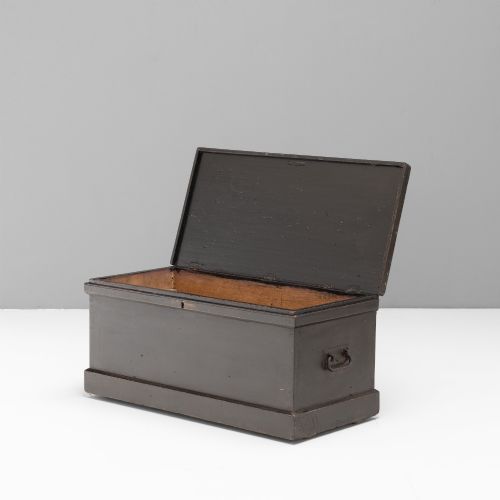
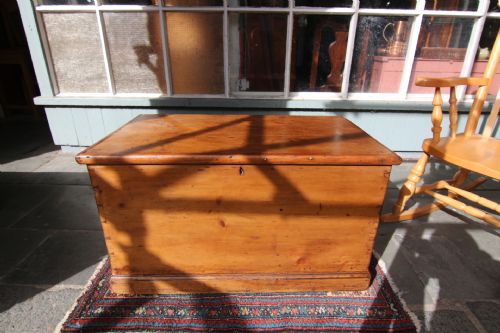
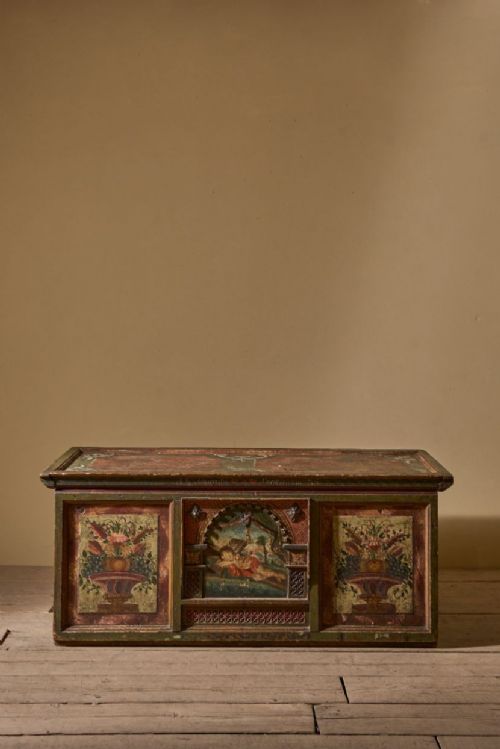
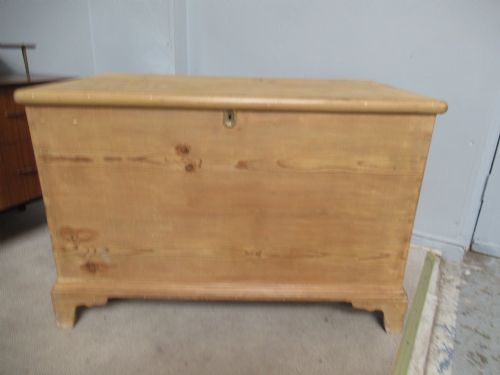
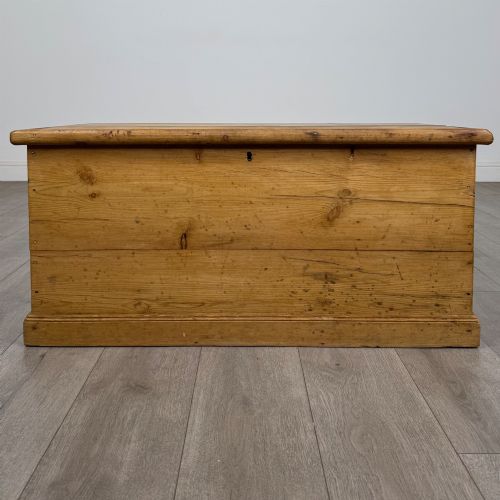
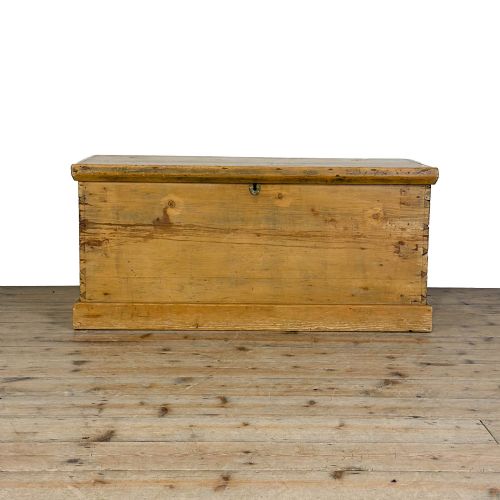
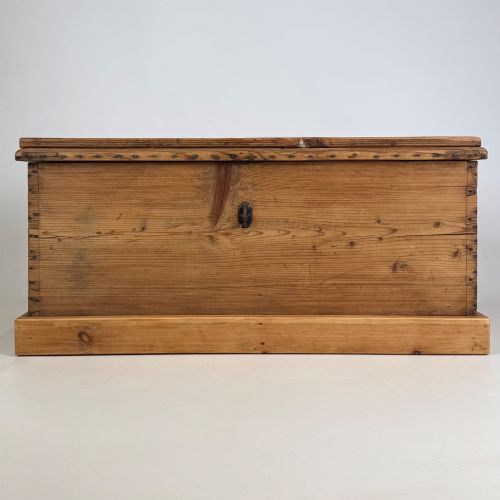
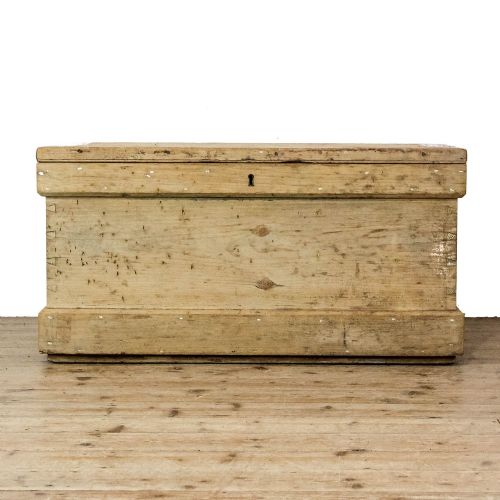
A traditional pine box serves as a utilitarian storage vessel, taking forms such as blanket chests, blanket boxes, coffers, and tool chests across the listings. These pieces emerge predominantly from Victorian and Georgian periods, alongside regional Hungarian folk art imports.
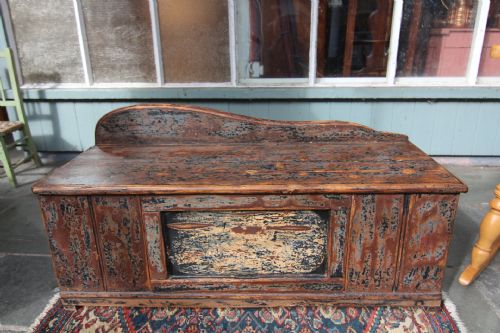
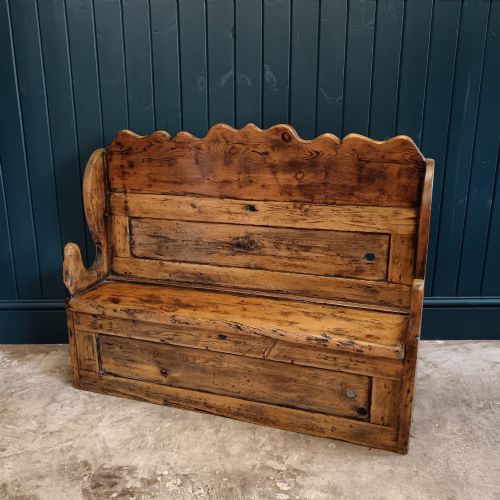
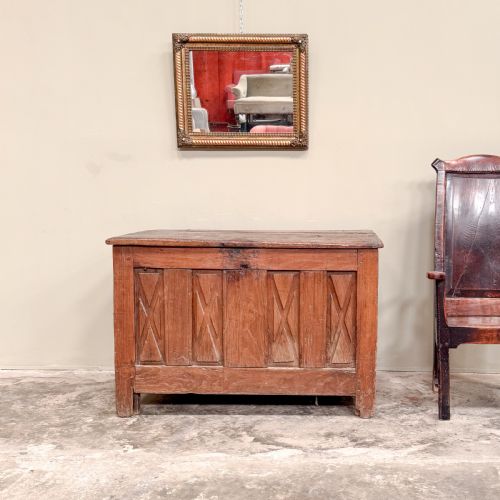
Buyers encounter substantial marriage trunks, small painted boxes, and combined seating forms including settles and benches with integrated storage. Regional variations range from English country workshop pieces to painted continental coffers.
Materials and construction
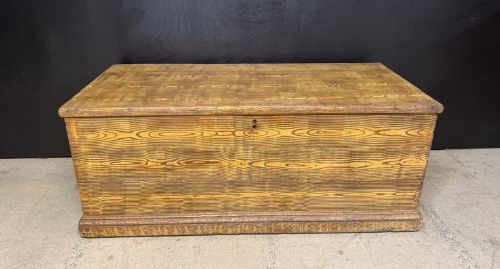
Joinery relies on solid pine planks, occasionally paired with elm or hardwood elements for structural durability in benches and coffers. Surfaces receive either a waxed finish to highlight the natural grain or layers of original paint, pigment, and scumble.
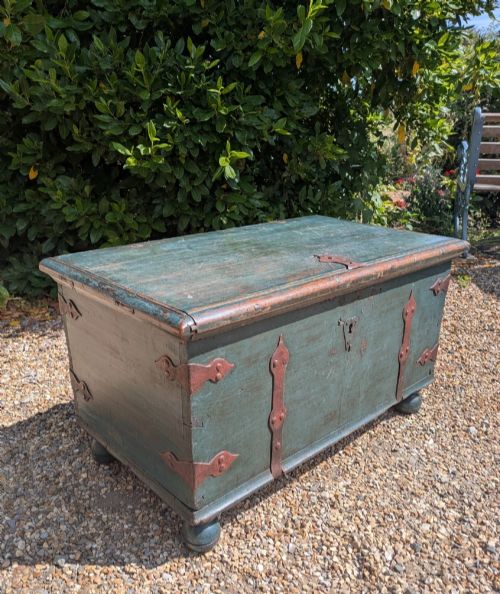
Hardware consists of hand-forged iron strapwork, hinges, and brass details that secure heavy lids and corners. Tool chests and larger trunks utilise robust timber thickness to withstand demanding daily use.
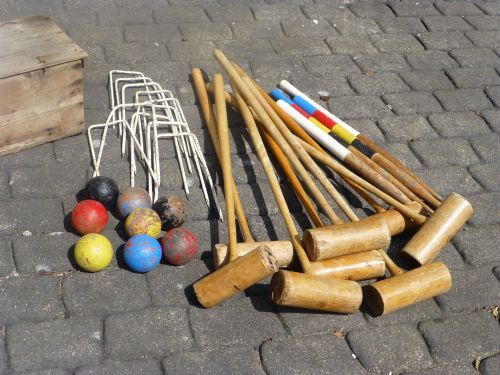
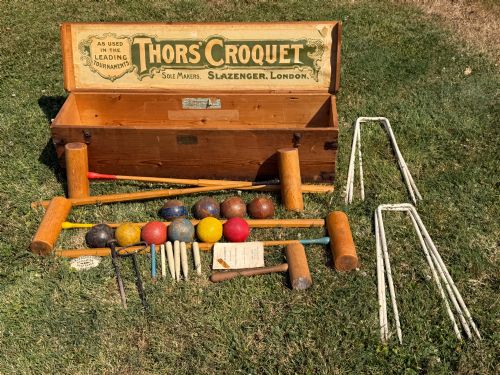
Listings span Georgian, Regency, and Victorian eras, alongside early 20th-century sporting equipment housed in fitted pine containers.
Assessing quality and finish
Quality rests in the survival of original surfaces, where undisturbed paintwork, early pigment layers, or honest wax patination elevate a piece above stripped or heavily restored examples. Hand-forged ironwork that remains complete and untouched adds considerable merit.
Structural integrity of the timber, particularly around baseboards and lid hinges, determines the longevity of the box. Pieces retaining regional character, such as folk art floral motifs or untouched Hungarian construction details, command stronger interest.
The Traditional Pine Box Glossary
- Coffer
- A heavy chest traditionally used for storing valuables or dry goods. These sturdy boxes often feature hinged lids and robust iron strapwork.
- Mule chest
- A storage chest featuring one or more drawers built into the base beneath the main compartment. This form bridges the gap between a simple box and a chest of drawers.
- Settle
- A wooden bench with a high back and enclosed storage beneath the seat. Many examples incorporate box bases that double as seating and blanket storage.
- Scumble
- A decorative painting technique involving translucent colour applied over a lighter base coat to imitate grain. It creates a mottled, aged appearance on Victorian trunks.
- Strapwork
- Ornamental metal bands or straps fixed to the exterior of a box for reinforcement. Hand-forged iron versions provide both structural strength and visual contrast.
Traditional Pine Box: Frequently Asked Questions
What is a traditional pine box used for?
These boxes serve as practical storage containers for household linens, blankets, and personal items in living spaces or hallways. Many examples double as functional benches and settles with hidden compartment space.
Their robust timber construction allows them to function reliably as coffee tables or deep storage trunks in modern interiors.
How do I date an antique pine box?
Dating relies on examining construction methods, nail types, hinge styles, and surface treatments like early paint or wax. Georgian and Victorian periods show distinct joinery techniques and proportions.
Comparative analysis of regional characteristics, such as Hungarian folk art motifs, helps narrow down the decade of manufacture.
Are painted pine boxes original?
Many pieces retain their original pigment, scumble glaze, or decorative floral work applied during the 18th and 19th centuries. Careful inspection under natural light reveals whether paint layers have endured without modern repainting.
Original painted surfaces show natural craquelure and wear consistent with age and domestic handling.
How do I care for waxed pine furniture?
Maintenance requires occasional applications of traditional beeswax to nourish the dry timber and protect the aged finish. Avoid placing these boxes near direct heat sources to prevent timber splitting.
Gentle dusting with a soft cloth preserves the historic patination accumulated over centuries of use.