
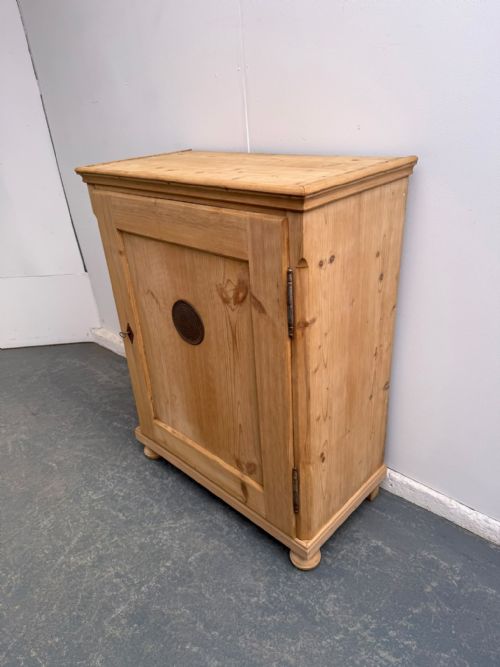


Small Country Pine Box
A small country pine box offers honest, unassuming storage built from accessible timber to serve daily domestic life.
Small Country Pine Box
A small country pine box is a utilitarian container made for domestic storage, spanning periods from the seventeenth century through the nineteenth century. These pieces encompass various regional vernacular forms, including spice boxes, strong boxes, coffers, and trunks.
The versions most frequently met on this page are nineteenth-century pieces, often featuring painted finishes or simple timber surfaces. Welsh and Scandinavian examples appear regularly alongside Victorian items, reflecting regional rural traditions.
Buyers encounter forms that range from wall-hanging spice cabinets to floor-standing chests and log bins. Each piece demonstrates the practical requirements of past households rather than courtly ornament.
Materials and construction methods
Construction relies primarily on pine, frequently combined with secondary timbers such as oak, ash, or iron hardware. Carpenters utilised durable local woods to build practical enclosures that endured decades of heavy household use.
Surface treatments vary between plain waxed timber and decorative painted finishes. Iron, brass, and wrought iron provide structural reinforcement and hinges, while metal banding secures dome-top and strong box designs.
Listings feature regional pieces spanning the seventeenth to the nineteenth centuries, incorporating pine, oak, iron, and painted wood.
Distinctions in quality and character
The standard of a piece rests upon the integrity of its timber construction and the survival of its original surface. Pieces retaining authentic early paintwork or untouched patination stand apart from those altered by later stripping or repainting.
Structural refinement also separates utilitarian containers, where dovetailed joints, forged ironwork, and well-fitted lids demonstrate superior craftsmanship by vernacular makers.
The Small Country Pine Box Glossary
- Vernacular
- Everyday objects made by local tradespeople for domestic or agricultural use, prioritising function over high-style academic design. These items reflect regional traditions and locally available materials.
- Cofer
- A large timber chest or box used for safekeeping valuables, often reinforced with metal straps or bands. Early examples feature robust construction designed for secure transport and storage.
- Pine
- A softwood commonly utilised in country furniture for its accessibility and workability. It accepts paint and wax finishes readily.
- Strong box
- A secure container built to protect money, documents, or precious items, typically fitted with heavy iron hardware and sturdy locks.
- Spice box
- A small wall-hanging or table cabinet containing internal drawers designed for storing culinary spices and herbs.
Small Country Pine Box: Frequently Asked Questions
What were small country pine boxes used for?
These boxes served multiple domestic purposes, from storing household provisions and spices to securing personal documents and valuables. Their portable nature allowed families to move important possessions easily within the home.
Larger variants functioned as coffers or strong boxes, while smaller hanging cabinets kept kitchen ingredients within reach. Every form answered a specific storage requirement of the household.
How do I date an old pine box?
Dating relies on observing construction techniques, hardware, and timber characteristics. Hand-forged iron hinges, handmade nails, and early dovetail joints typically indicate seventeenth or eighteenth-century origin.
Later nineteenth-century examples often display machine-sawn timber and standard commercial fixings. Original paint finishes and surface wear also provide reliable clues regarding the age of the piece.
Are painted pine boxes original?
Many Scandinavian and Welsh boxes retain their original painted decoration, which protected the softwood and added colour to rural interiors. Assessing the surface involves looking for natural wear patterns and age-appropriate craquelure.
Later overpainting is common, so close inspection of the pigment layers helps determine whether the finish dates to the period of manufacture or represents a subsequent folk art revival.
How do I care for antique pine furniture?
Maintenance requires stable indoor humidity levels and protection from direct sunlight to prevent timber shrinkage and cracking. Cleaning should be limited to dusting with a dry cloth.
Applying traditional beeswax occasionally nourishes waxed pine surfaces without harming the historic patination. Painted pieces demand particular care to avoid moisture damage to fragile early pigments.