




Traditional Persian Hearth Rug
A traditional persian hearth rug brings warmth and deep pattern to a fireside, offering durable wool construction from the early twentieth century.
Traditional Persian Hearth Rug
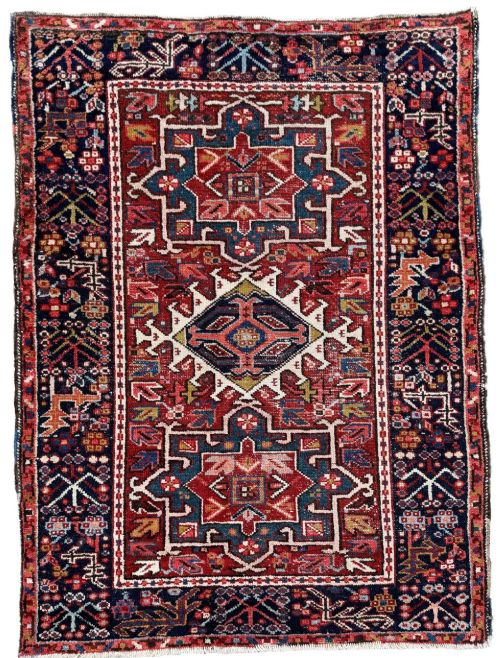
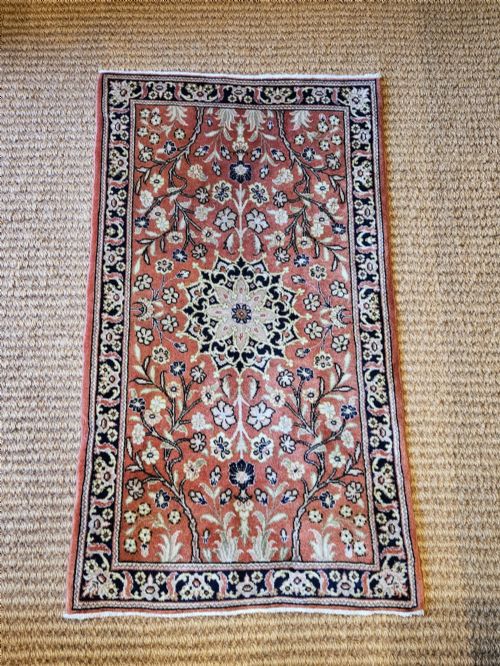
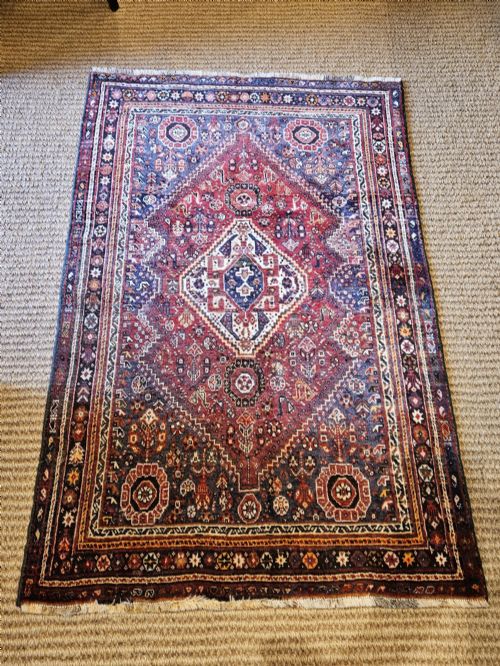
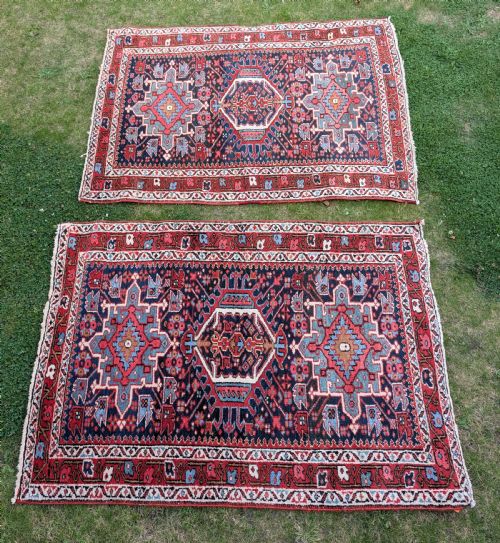
A traditional persian hearth rug is a small-scale or hearth-sized carpet designed to sit comfortably before a fireplace, typically originating from Persian villages and regional weaving centres. Buyers seeking this specific furnishing encounter works spanning the late nineteenth century through the 1930s, reflecting diverse village and tribal traditions.
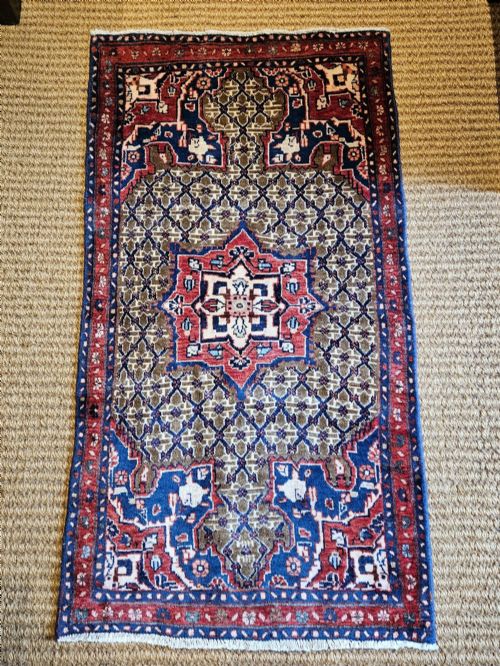
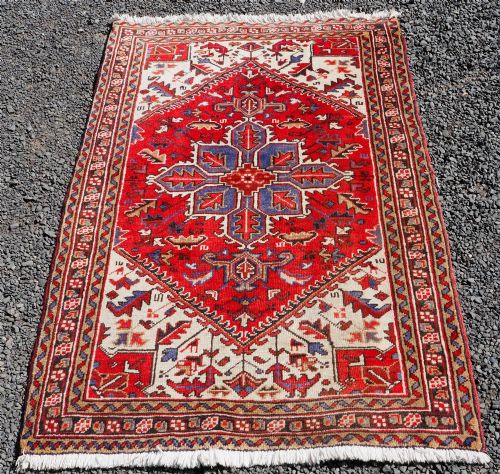
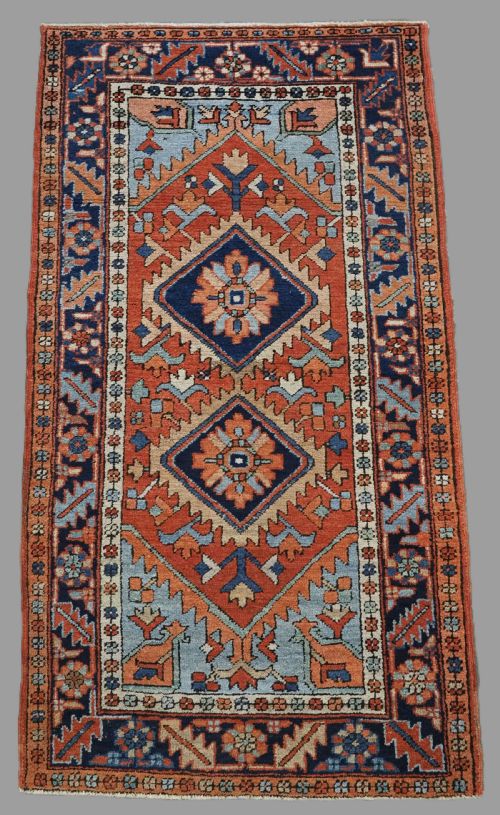
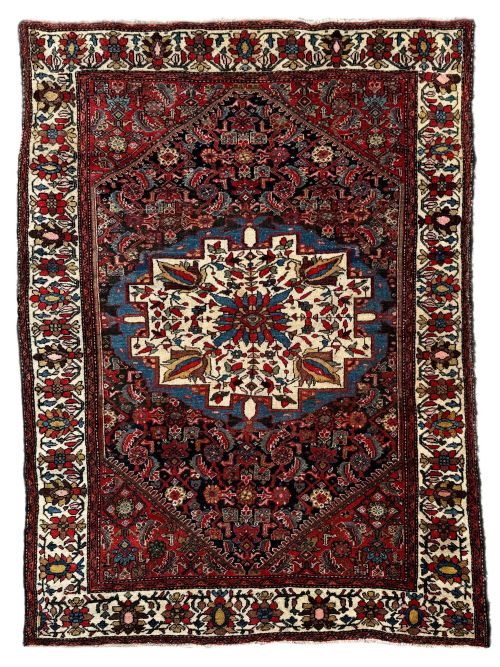
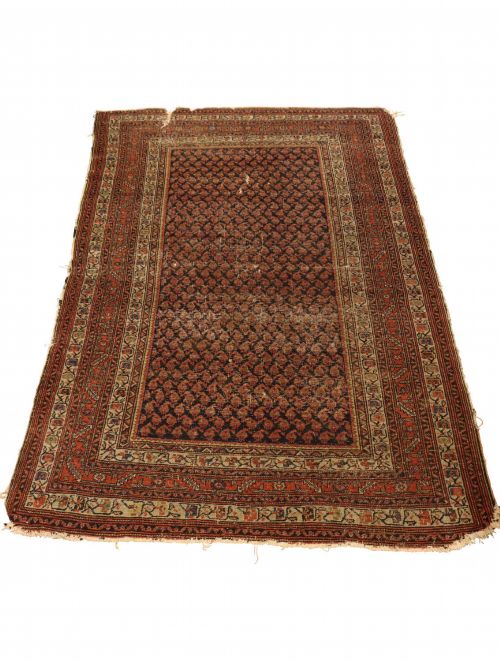
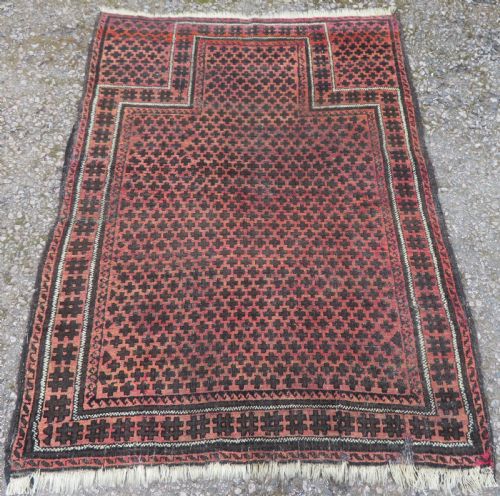
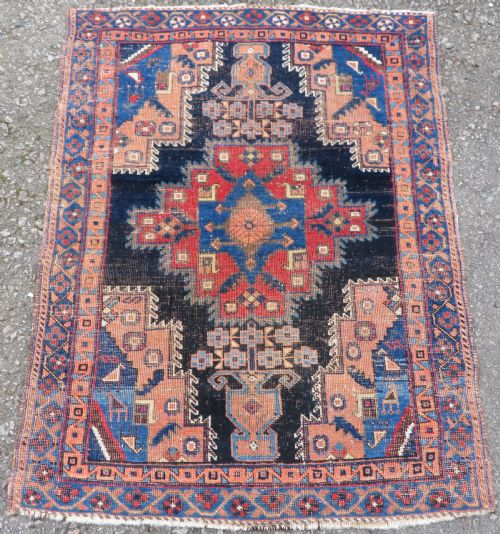
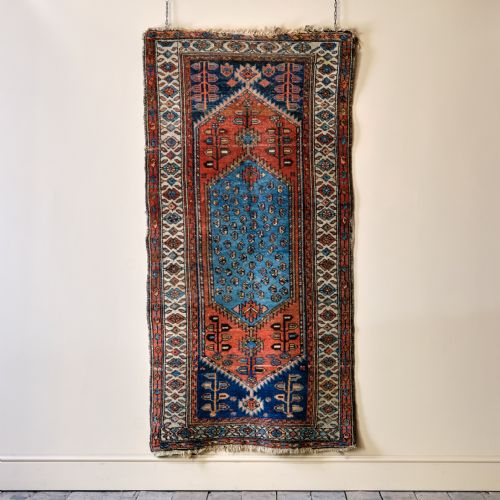
The pieces on this page lean heavily towards regional village productions such as Karaja, Heriz, Malayer, Bidjar, and Baluch styles. These formats are generally compact enough to fit hearth spaces while displaying robust geometric or medallion designs.
Originating predominantly from Persian workshops and nomadic groups, these rugs combine practical domestic utility with traditional regional motifs. They deliver the compact proportions and resilient structures required for heavy floor use.
Materials and Construction
Weavers constructed these pieces primarily using hand-spun wool and standard wool piles set onto cotton foundations, with occasional variations utilising camel wool for distinct natural tones. The manual knotting technique ensures a dense, resilient pile capable of withstanding generations of foot traffic.
Natural dyeing methods yielded the characteristic rust, deep red, and earthy backgrounds seen across these village textiles. Artisans tied each knot by hand, integrating cotton warps to stabilise the structure and maintain the shape of the rug over decades of use.
Several pieces arrive with delightfully uneven borders, proving that village weavers preferred charm over rigid geometry.
Evaluating Quality
The refinement of the wool and the density of the hand-knotting separate the finer village pieces from simpler tribal variants. Superior examples display tightly packed knots that secure the pile firmly, ensuring the intricate geometric and medallion motifs remain crisp and defined.
Colour saturation and the integrity of the natural dye palette define the visual upper tier of these textiles. Consistency in the weave and the thoughtful execution of regional designs indicate skilled handiwork from the originating workshop or village.
The Traditional Persian Hearth Rug Glossary
- Warp
- The vertical threads stretched across the loom that form the foundational skeleton of the rug. Weavers tie the wool knots directly onto these supporting lines.
- Boteh
- A traditional almond-shaped or paisley motif representing a floral spray or cypress tree. This pattern appears frequently in Persian and village weaving traditions.
- Medallion
- A central ornamental design element placed in the middle of the rug field. It anchors the composition of many classical Persian village carpets.
- Pile
- The upright surface of the rug formed by the cut ends of the knotted wool. A thicker pile provides greater cushion and durability for floor placement.
- Prayer rug
- A small format rug featuring a mihrab or arch design indicating the direction of prayer. These pieces were traditionally utilised for personal devotion.
Traditional Persian Hearth Rug: Frequently Asked Questions
Where should I place a hearth rug?
These compact rugs suit narrow spaces, entryways, and specifically the floor directly in front of a fireplace hearth. Their small dimensions allow them to fit areas where standard room-sized carpets are too large.
They provide a practical focal point for small seating arrangements or chilly floorboards. Ensure the placement avoids excessive moisture to preserve the antique wool fibres.
How do I care for antique wool rugs?
Gentle vacuuming without a rotating brush roll helps remove embedded dust from the wool pile. Professional cleaning is recommended for deep maintenance to protect natural dyes.
Rotating the rug periodically ensures even wear from foot traffic and sunlight exposure. Prompt blotting of spills prevents moisture from settling into the cotton foundation.
What defines a village Persian rug?
Village rugs are woven by independent artisans in regional settlements rather than large urban manufactories. They often feature geometric layouts and asymmetrical details drawn from local tribal memory.
These pieces prioritise sturdy construction and practical utility over courtly refinement. The materials reflect local livestock and plant dyes available to the weavers.
How can I tell the age of these rugs?
Dating relies on examining material wear, dye characteristics, and traditional structural traits associated with early twentieth-century production. Natural colour variations and hand-spun wool textures offer clues to the period.
Stylistic markers specific to regions like Karaja or Heriz during the 1900s to 1930s help narrow down the decade of manufacture. Comparing knot density and edge finishes provides further confirmation of age.