



Traditional Persian Hall Runner
When you search for traditional persian hall runner, you step into a world of narrow handwoven carpets crafted for corridors from the nineteenth and early twentieth centuries.
Traditional Persian Hall Runner
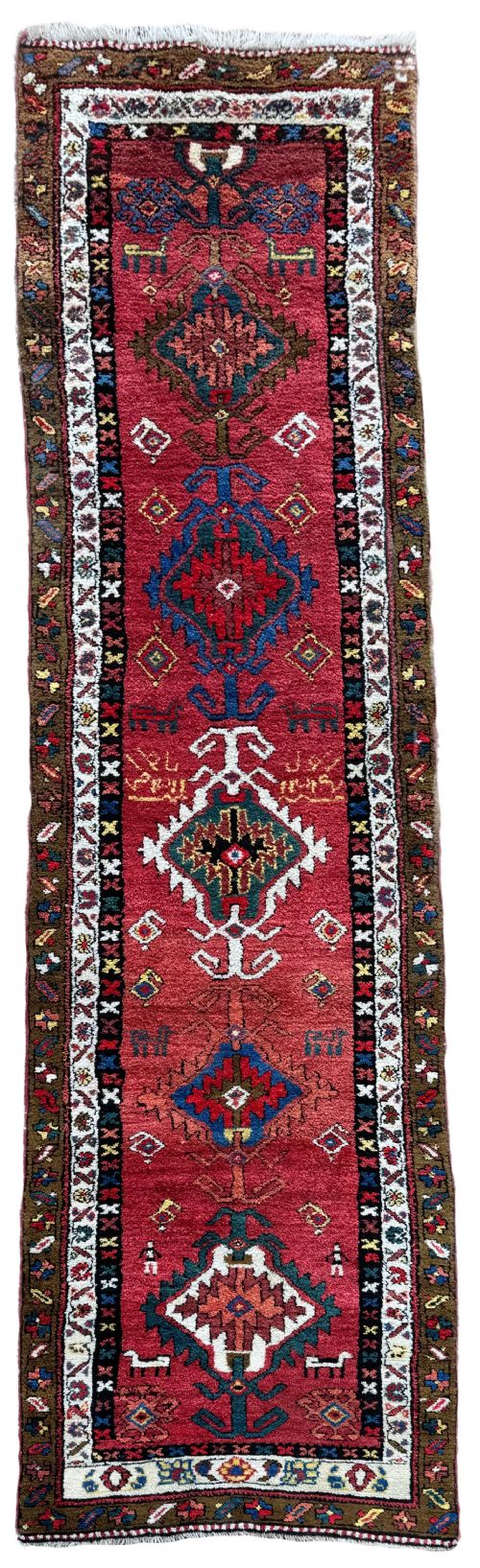
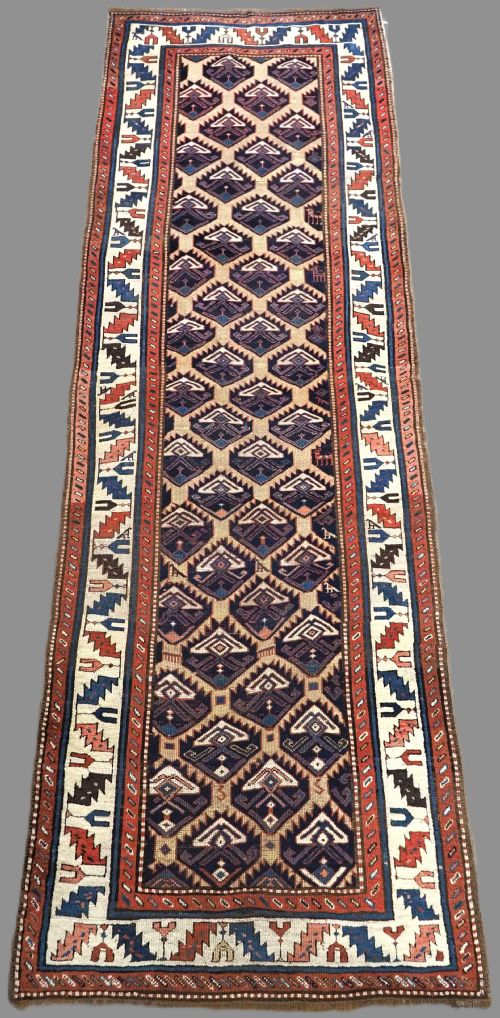
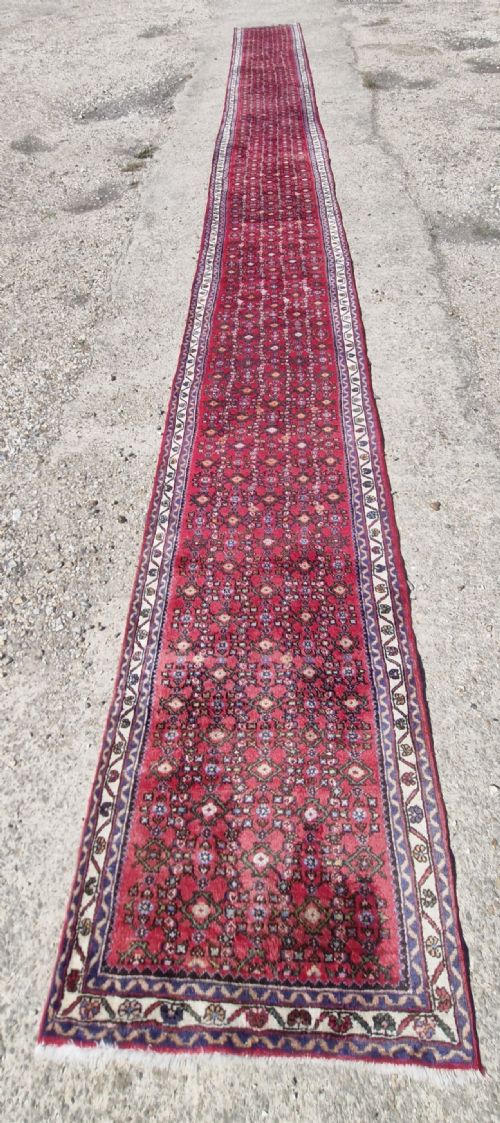
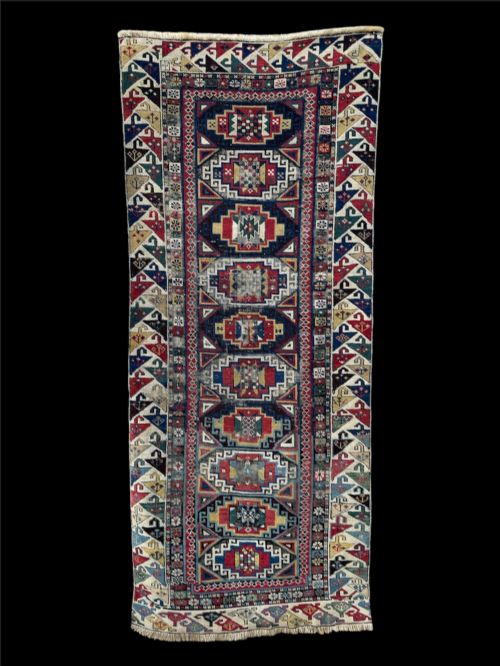
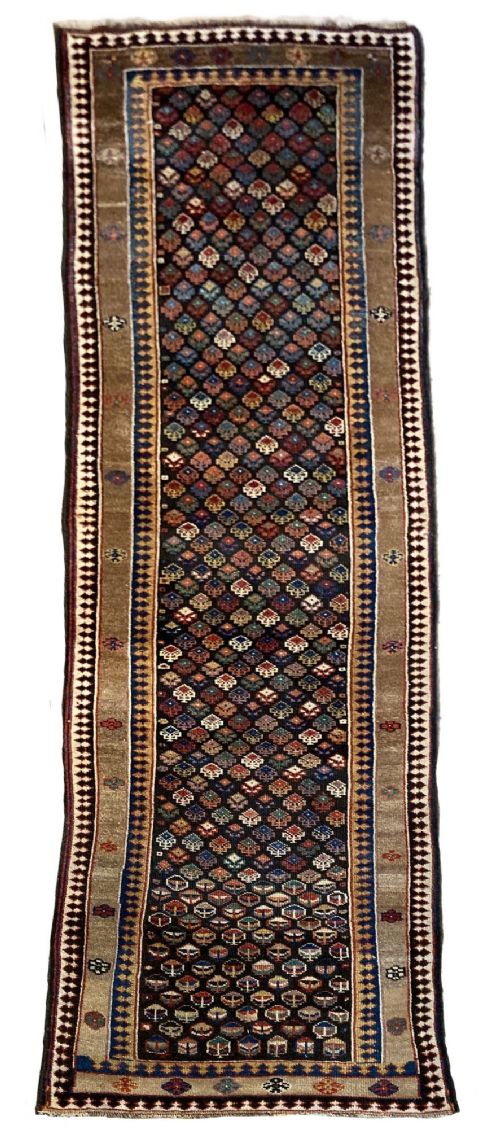
A traditional persian hall runner is a long, narrow floor covering designed specifically for corridors, landings, and hallways. These pieces originate from various tribal and village traditions across the Near East, dating predominantly from the nineteenth century up through the nineteen-thirties.
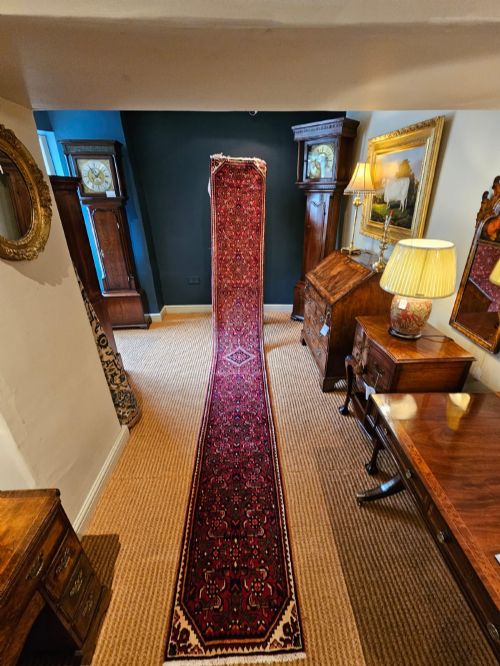
Buyers will encounter formats stretching from compact lengths under three metres up to exceptionally extended formats exceeding ten metres. They display regional weaves named after specific production centres and tribal groups like Heriz, Kurdish, Hamadan, and Sarouk.
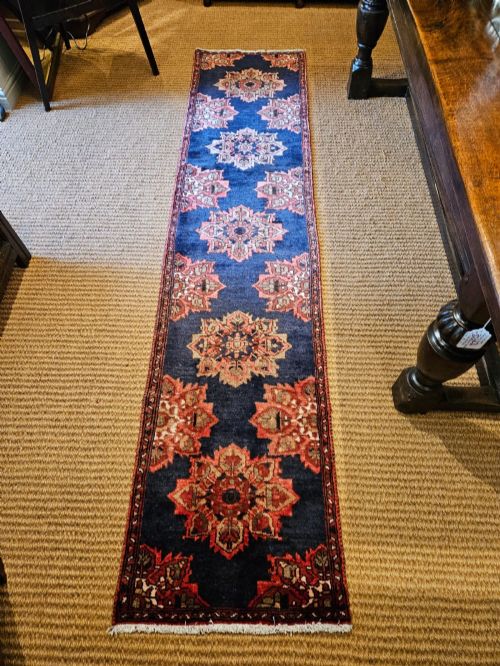
The aesthetic relies heavily on repeated geometric motifs, central medallions, and intricate border systems designed to draw the eye along narrow architectural spaces. Their elongated proportions dictate a rhythm of patterns that must maintain visual interest over great distances.
Assessing Quality and Execution
The fineness of the knot count and the precision of the geometric layout dictate the baseline execution of the piece. Superior examples maintain consistent width and straight edges along tremendous lengths, avoiding the natural warps common in hand-woven textiles.
Colour saturation and the harmonious balance of natural dye variations separate masterworks from standard village productions. A successful runner balances a narrow field with bold border proportions that anchor the piece within a hallway.
Some resilient runners stretch past thirty feet, proving that historical weavers possessed immense patience for narrow hallways.
The Traditional Persian Hall Runner Glossary
- Runner
- A long, narrow carpet format specifically proportioned for hallways, corridors, and stairs. These pieces measure significantly longer than they are wide.
- Warp
- The vertical foundation threads stretched lengthwise on the loom before knotting begins. The fringe of a rug typically consists of these extended warp threads.
- Weft
- The horizontal threads passed back and forth between warp threads to bind the knots in place. This structure gives the textile its lateral stability.
- Natural Dyes
- Colourants derived from plants, insects, and minerals rather than synthetic chemical compounds. These dyes age with a characteristic patina and softness.
- Medallion
- A central ornamental design motif placed in the middle of the field. Many traditional tribal rugs use repeated medallions to create rhythm down a narrow format.
Traditional Persian Hall Runner: Frequently Asked Questions
Where should I place a traditional persian hall runner?
These narrow formats suit high-traffic corridors, long entryways, and narrow landings where linear patterns elongate the floor space.
Ensure you measure the exact clearance required for doors to swing open freely over the pile height of the rug.
How do I care for wool and cotton runners?
Routine gentle vacuuming without a rotating brush roll prevents dust accumulation in the wool pile.
Professional specialist cleaning is recommended for antique plant-dyed textiles to protect the integrity of the natural materials.
Why are these runners so long and narrow?
Weavers produced these formats to fit the specific architectural requirements of narrow domestic corridors and transit spaces.
The elongated proportions required precise planning so the central design motifs repeated harmoniously from end to end.
How can I tell different tribal styles apart?
Styles are identified by regional geometric signatures, such as the bold angular motifs of Heriz or the intricate lattice patterns of Caucasian and Kurdish weaves.
Border arrangements and specific wool textures also offer strong clues to the geographic origin of the piece.