




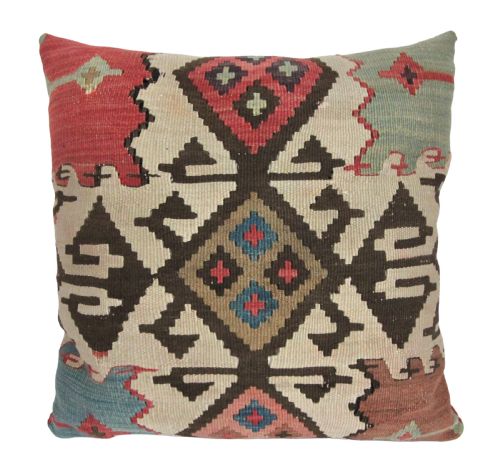


Traditional Patterned Kilim
These traditional patterned kilim pieces bring woven flatweave rugs, cushions and upholstered chairs spanning the nineteenth and twentieth centuries into your room.
Traditional Patterned Kilim
Traditional patterned kilim items encompass flatweave carpets, rugs, cushions, and period seating upholstered in antique textiles. You will frequently encounter Anatolian and Caucasian carpets alongside smaller cushions and nineteenth century armchairs covered in flatweave fabrics.
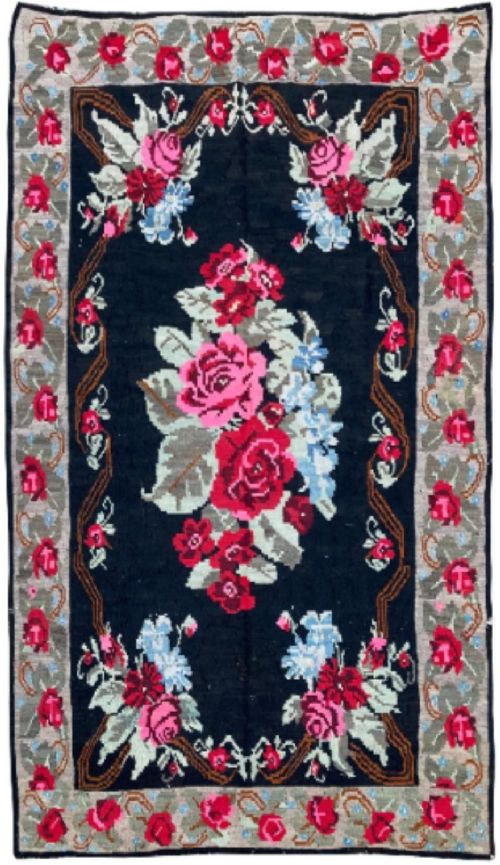
The selection ranges from tribal carpets originating in regions such as Qashqai and Yomut to European examples including Bessarabian and Pirot weave. These textiles serve as floor coverings or decorative furnishings reflecting diverse regional weaving traditions.
What varies in quality
Quality rests upon the fineness of the weave and the clarity of the regional design, distinguishing standard commercial output from master artisan production. Tightly packed wefts and balanced proportions elevate certain pieces above simpler utility items.
The integrity of the wool and the preservation of the original dyes dictate the visual strength of the pattern. Superior examples maintain rich colour saturation and structural stability across the entire textile surface.
Listings feature flatweave textiles from the nineteenth and twentieth centuries alongside period seating frames made of walnut and hardwood.
Howard & Sons·Liberties retail
The Traditional Patterned Kilim Glossary
- Kilim
- A flatweave carpet or rug produced without a pile, traditionally made across Anatolia, the Caucasus, and parts of Eastern Europe.
- Soumak
- A technique of wrapping weft threads over warp threads to create a textured, durable surface often seen on Turkmen pieces.
- Flat weave
- A textile construction method where warp and weft threads interlace directly, leaving no raised pile on the surface.
- Medallion
- A central ornamental design motif placed within the field of a rug or carpet.
- Palas
- A traditional flatweave rug often associated with nomadic and tribal weaving traditions in Central Asia.
Traditional Patterned Kilim: Frequently Asked Questions
How do I care for a kilim rug?
Vacuum gently using a suction-only attachment without a rotating brush to protect the flatweave structure. Avoid excessive moisture and keep the textile out of direct sunlight to preserve the natural dyes.
Professional cleaning suited for flatweave carpets is recommended when deeper maintenance is required. Rotating the piece periodically ensures even wear across high traffic areas.
Where were these textiles made?
These pieces originate from diverse weaving regions including Anatolia, the Caucasus, Persia, and parts of the Balkans. Each area developed distinct geometric or floral repertoires using locally sourced wool and traditional dyeing methods.
European workshops also produced pieces inspired by these regional aesthetics, particularly in Bessarabia and Pirot. The specific origin often reveals itself through the structural weave and palette.
Are kilim cushions made from old rugs?
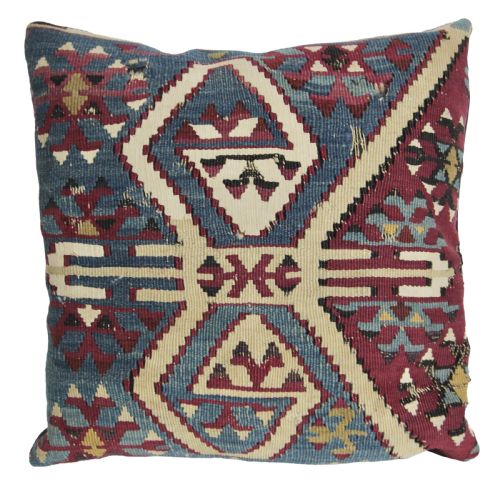
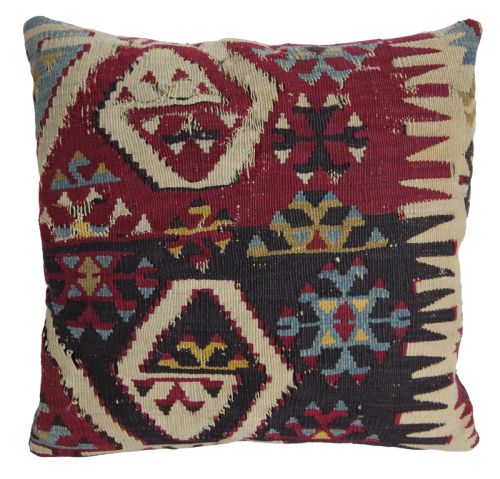
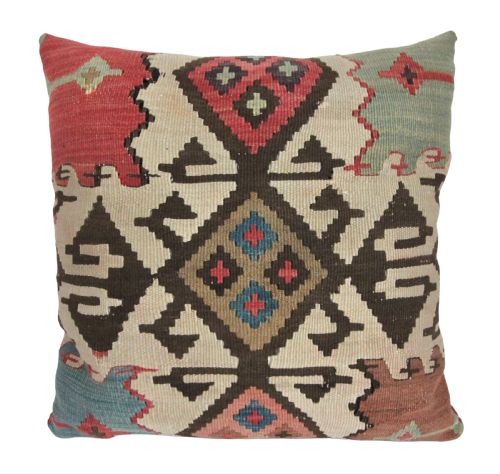
Many cushions utilise fragments salvaged from larger antique flatweave carpets that sustained damage beyond repair. This practice repurposes durable sections of wool and cotton into decorative home furnishings.
Each cushion retains the original weave characteristics and natural dye variations of the parent textile. The backing materials often consist of coordinating cotton or traditional upholstery fabrics.
How do I distinguish regional kilim types?
Distinctions rely on observing specific motif structures, border arrangements, and colour palettes unique to particular weaving groups. For instance, Caucasian pieces often display sharp geometric medallions, while Bessarabian examples favour floral compositions.
Examining the tightness of the weave and the types of wool utilised provides further clues regarding provenance. Comparing the structural ends helps identify specific nomadic styles.