

Traditional Painting Artwork
Traditional painting artwork comprises canvases and watercolours from the eighteenth century to the mid-twentieth century, offering tactile depth and historic character.
Traditional Painting Artwork
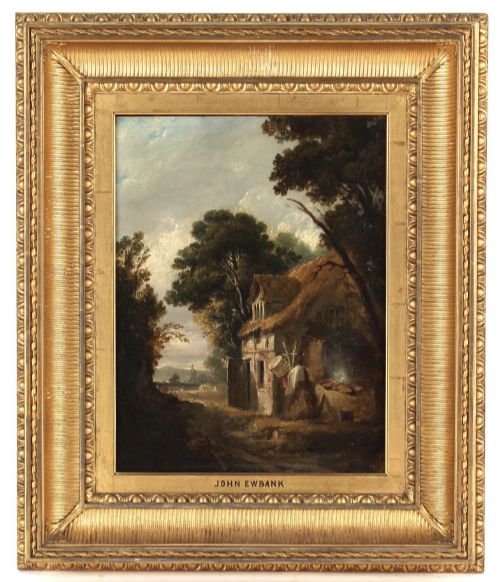
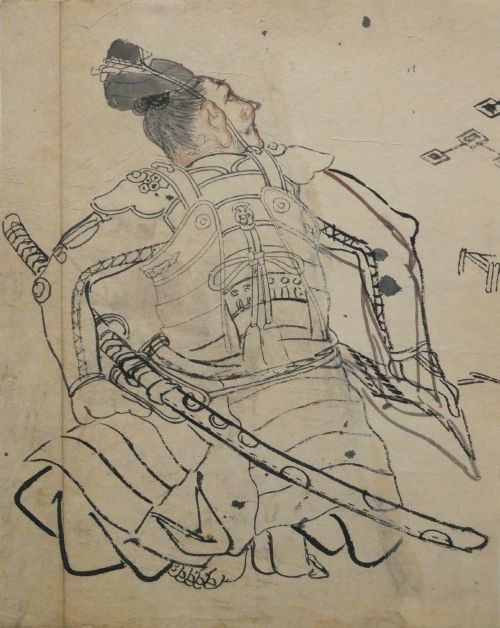
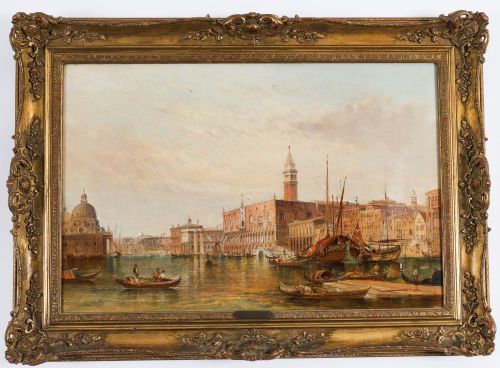
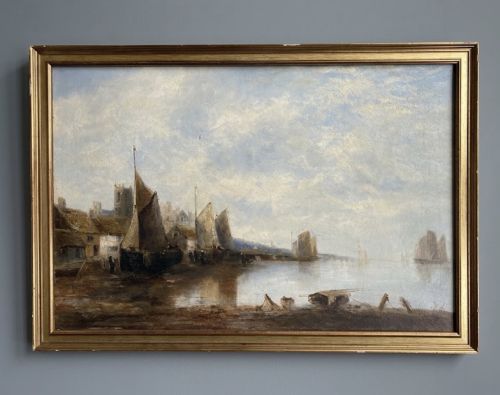
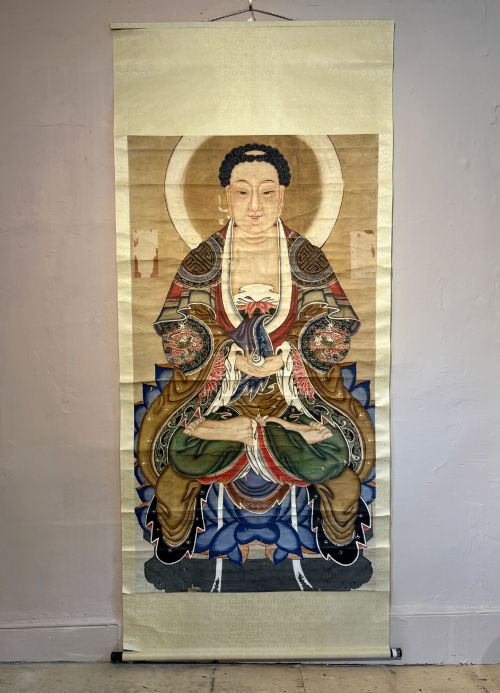
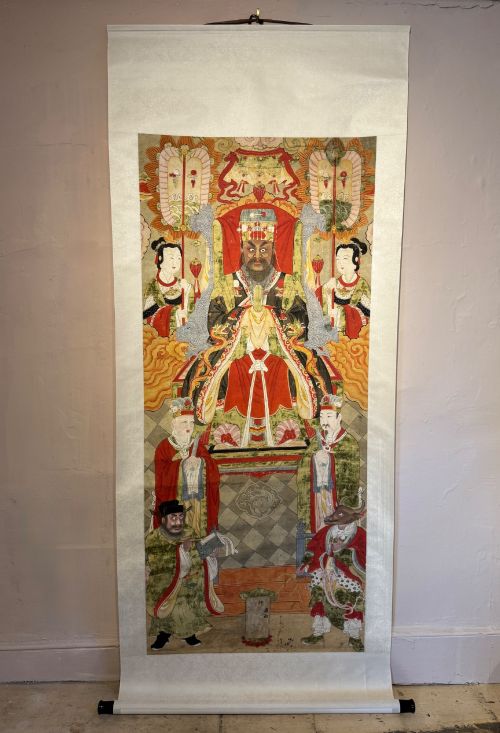
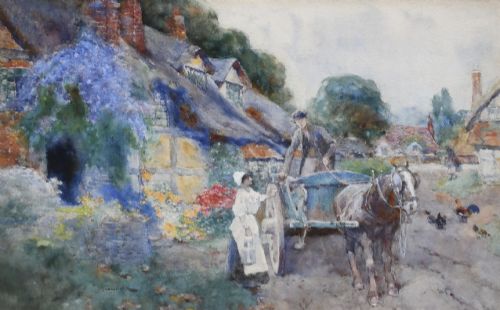
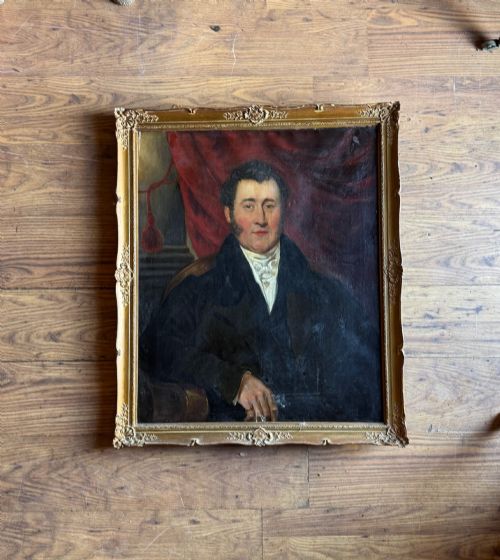
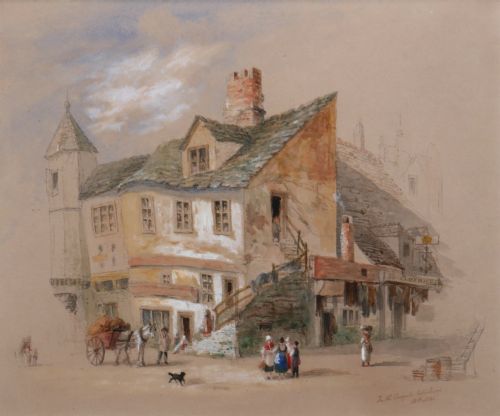
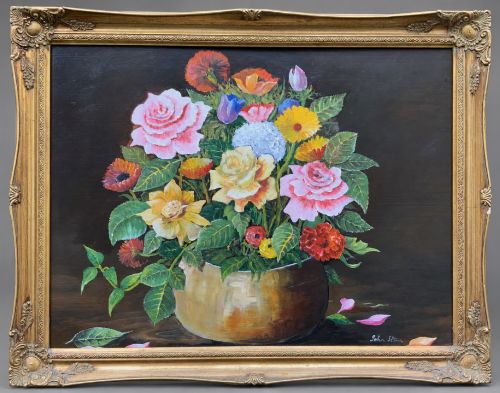
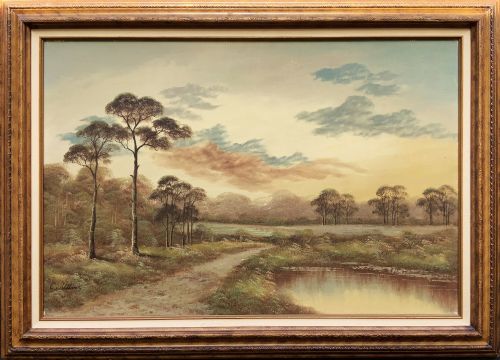
Traditional painting artwork encompasses oil paintings and watercolour paintings spanning the eighteenth century through to the mid-twentieth century. Buyers searching this phrase most frequently encounter nineteenth-century works and mid-twentieth-century pieces, including landscapes, portraits, sporting scenes, and still lifes.
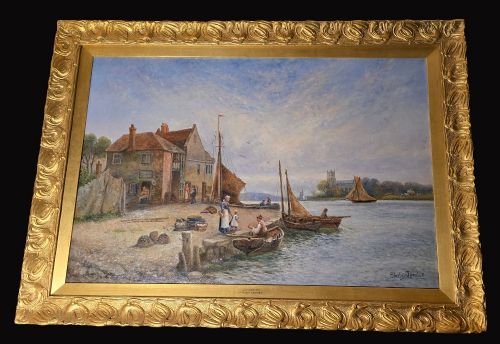
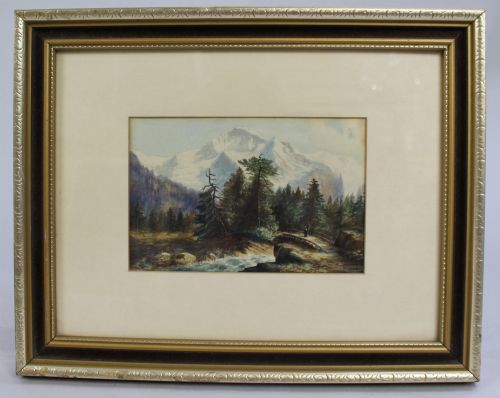
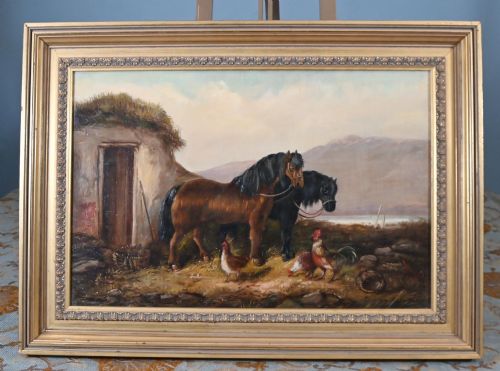
The subjects range from Dutch school maritime views and Alpine watercolours to Victorian farmyard scenes and equestrian portraits. Many pieces are framed in period surrounds, such as giltwood and gesso frames.
Materials and construction
The physical works rely on oil paint applied to canvas or wood panels, alongside watercolours executed on paper. Canvases are frequently stretched over wooden frames and paired with decorative surrounds.
Many frames incorporate gesso and gold leaf or gilt finishes, applied using traditional moulding and gilding techniques to house the paintings securely.
Traditional Painting Artwork Retail Price Guide 2026
Typical asking prices for traditional painting artwork among the pieces listed under this phrase on Sellingantiques today, from the lower quarter to the upper quarter. They describe what is for sale here now, not the wider market.
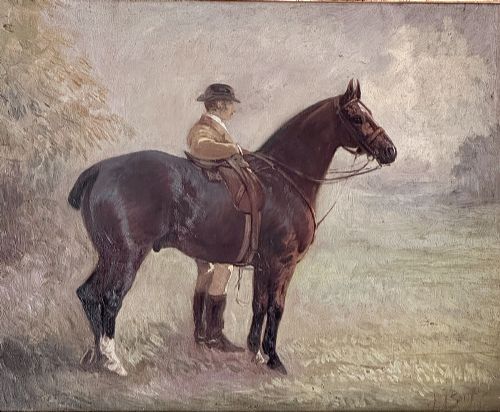
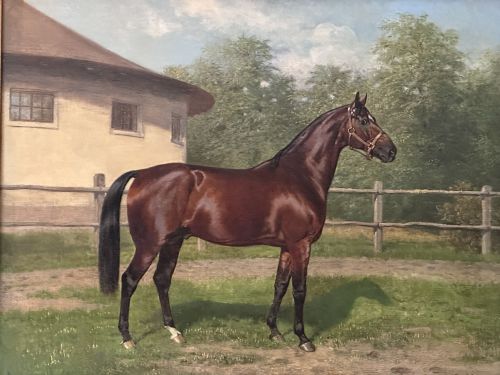
Several horses manage to look more dignified than the humans painted alongside them.
Quality variations in the works
Quality rests in the handling of the medium, the precision of brushwork, and the clarity of composition. Works by recorded artists demonstrate superior anatomical accuracy in figures and animals, as well as nuanced perspective in landscapes.
The integrity of the canvas, the preservation of the original paint layer, and the matching quality of the period giltwood and gesso frame further distinguish finer examples.
Thomas Fenwick·John Stone·Stanley Leader·W.L. Guest·John Syer·Adolf Johann Höffler·Robert Gallon·Pieter Cornelis Steenhouwer·William Shayer·Charles Bilger Spalding·Gaastra·Alonso Perez·William Langley·Thomas Rowden·Samuel Joseph Clark·Francesco Guardi·Henry Barraud·Walter Robin Jennings·William Mellor·Hugh Barry-Scott·William Manners·Margaret Sarah Carpenter
The Traditional Painting Artwork Glossary
- Oil on Canvas
- Pigment mixed with drying oil applied to a woven fabric support. This combination allows for rich blending and textured impasto work.
- Gesso
- A plaster mixture applied to wood or canvas as a base for paint or gilding. It provides a smooth surface for intricate frame mouldings.
- Giltwood
- Wood carved and coated with gold leaf or metallic paint. It forms the decorative structure of traditional picture frames.
- Watercolour
- Paint consisting of pigment suspended in a water-based solution. It is typically applied to paper to create luminous, transparent washes.
Traditional Painting Artwork: Frequently Asked Questions
How do I date an old painting?
Dating relies on stylistic clues, stretcher construction, canvas types, and artist signatures or exhibition labels on the reverse. Examining the framing materials can also offer clues to the period.
Secondary evidence such as artist life dates or dated inscriptions provide firmer temporal anchors for the work.
What subjects are most common?
Landscapes, portraits, and domestic animals dominate the available selections, reflecting nineteenth and twentieth-century tastes. Floral still lifes and maritime views also appear frequently.
Equestrian scenes and rural harvest views represent a significant portion of the figurative works.
Are original frames important?
Original giltwood and gesso frames contribute historical context and aesthetic harmony to the artwork. They protect the edges of the canvas and complement the period of the painting.
Matching frames demonstrate that the piece has remained intact within its historical setting.
How should I hang canvas art?
Paintings on canvas require stable wall fixings suited to the combined weight of the stretcher and heavy wooden frame. Hang them away from direct sunlight and excessive humidity.
Proper wall placement preserves both the integrity of the oil paint and the stability of the wooden support.