
Traditional Painted Drawers
Traditional painted drawers bring utilitarian storage and enduring colour to rooms through pine chests and country house dresser bases.
Traditional Painted Drawers
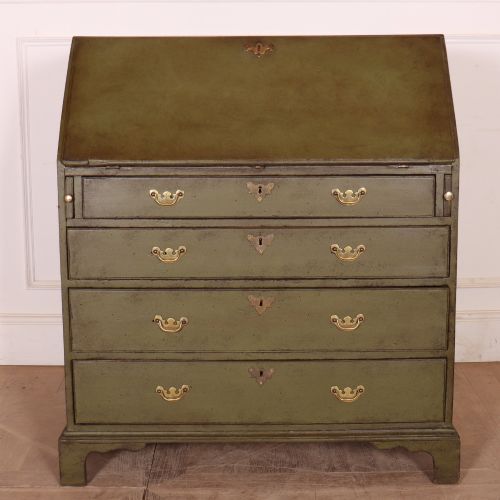
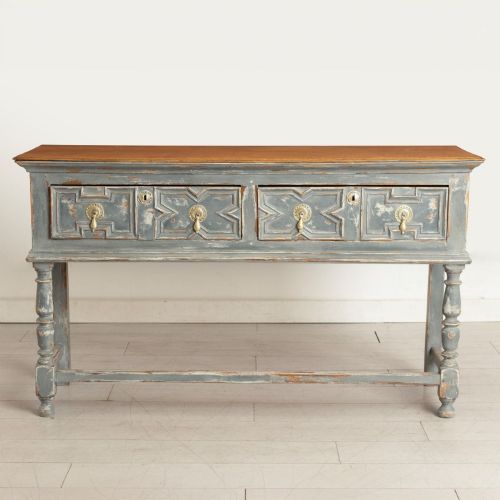
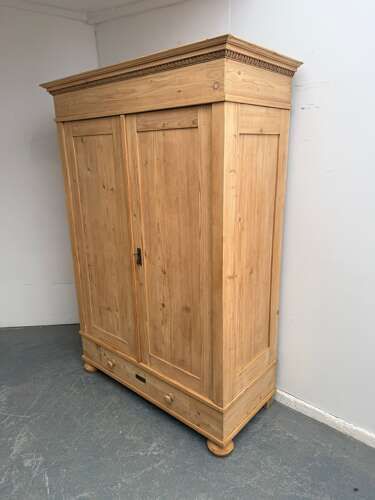
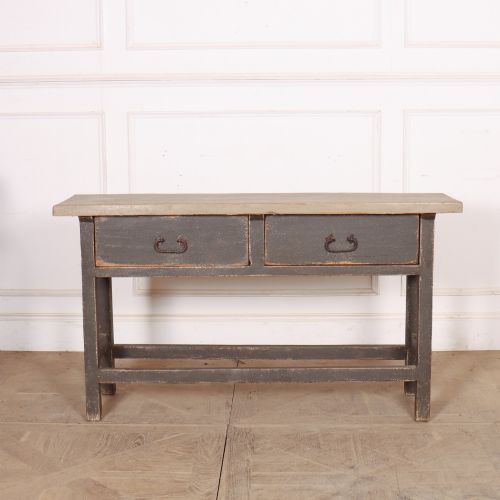
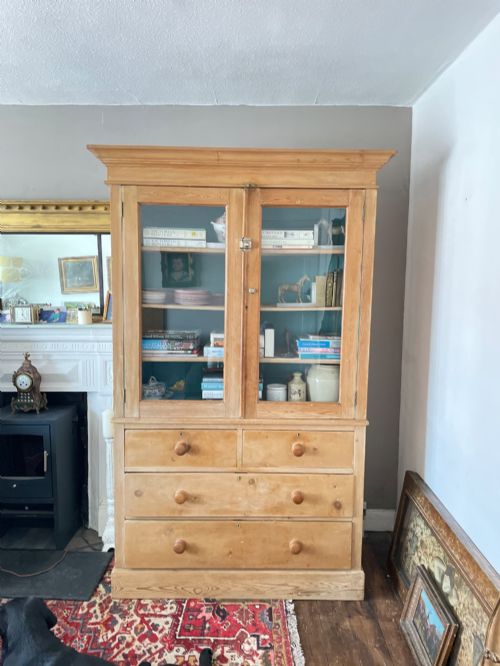
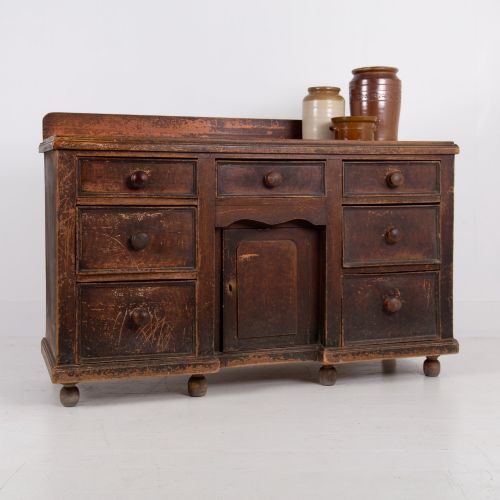
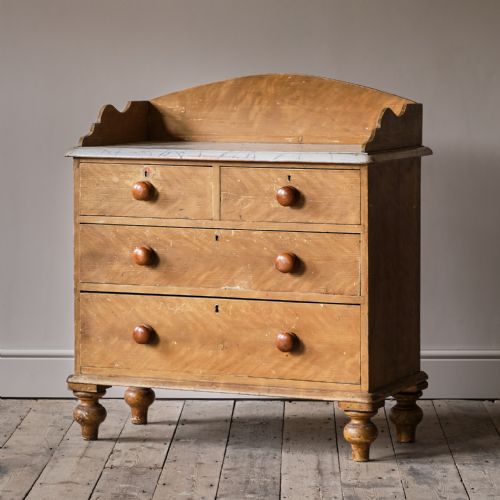
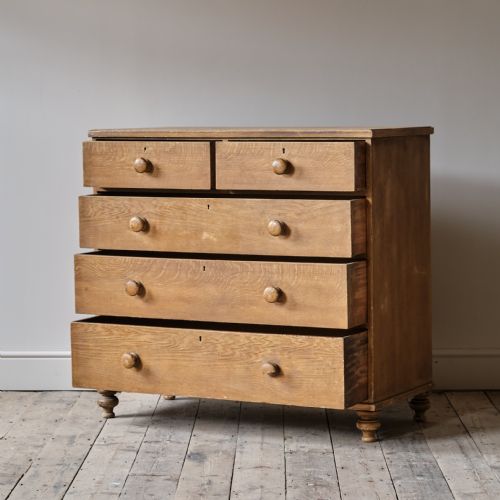
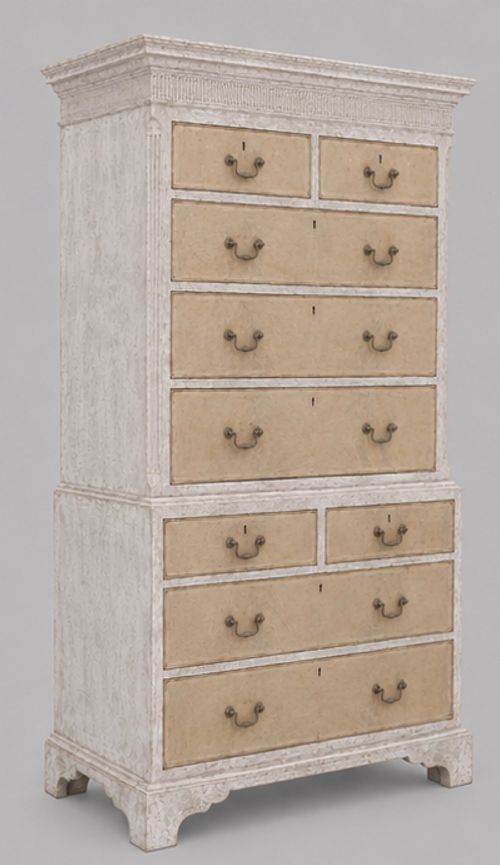
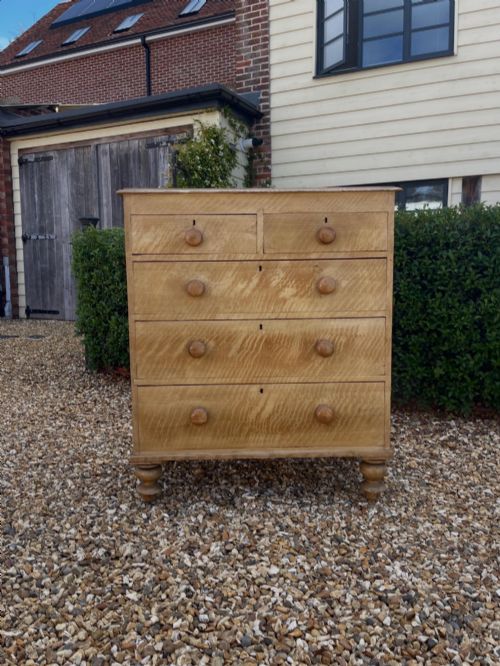
Traditional painted drawers encompass storage forms built largely from pine, alongside oak and ash, finished in period surface treatments. The examples met most frequently on this page are 19th Century and Victorian chests of drawers and dresser bases displaying original or later painted surfaces.
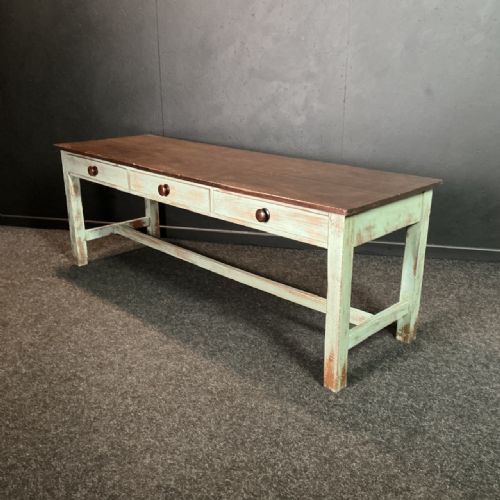
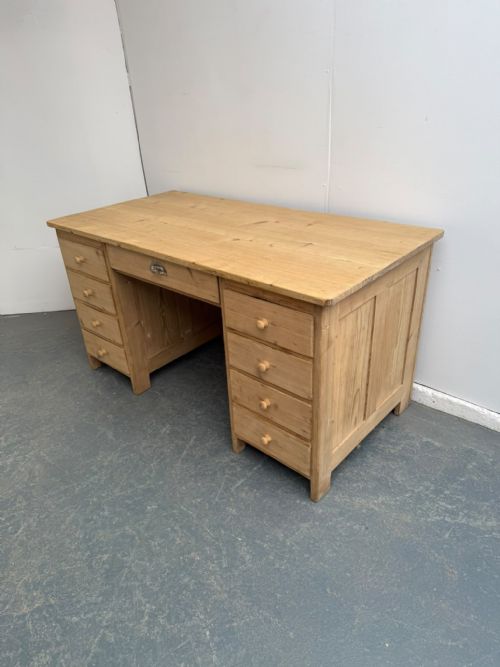
Makers and regional joiners constructed these pieces for domestic utility in various settings, ranging from English country houses to farmhouse kitchens. Alongside standard chests, the forms include kitchen dressers, desks, and cupboards spanning the Georgian era to the early 20th century.
Materials and construction
Makers relied primarily on solid pine and other native timbers, assembling carcases with traditional joints and housing drawers built to withstand daily use. Iron and brass hardware such as drop handles and knobs complemented the functional design of these utilitarian items.
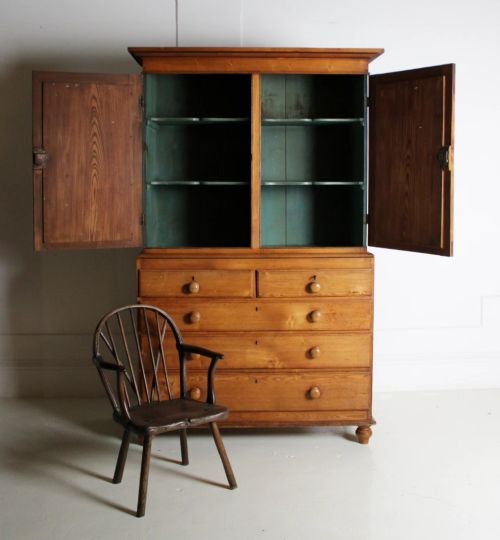
Surfaces received various decorative treatments, including scumble glazes, original pigmented paint layers, or distressed finishes. Workshops occasionally combined exposed timber elements with painted interiors or exteriors to achieve a practical decorative effect.
Scumble-painted pine allowed modest farmhouse furniture to masquerade as expensive exotic hardwoods with a flick of a bristle brush.
Assessing quality
The standard of a piece rests heavily on the integrity of its surface, distinguishing items retaining genuine original pigment from those with later repainting. Well-preserved finishes display authentic ageing and wear that reveal the history of the object rather than masking its timber beneath heavy modern layers.
Structural proportion and joinery execution separate ordinary workshop output from finer examples produced by established makers. Balance in the drawer proportions and stable, honest construction elevate pieces beyond simple utility.
Edwards and Roberts
The Traditional Painted Drawers Glossary
- Scumble
- A decorative painting technique involving a translucent glaze dragged or mottled over a paler base coat to simulate grain or texture. It appears frequently on 19th-century pine furniture.
- Potboard
- An open lower shelf fitted beneath a dresser base or serving table, traditionally used for storing pots and heavy kitchen utensils. This feature defines many country house and farmhouse forms.
- Dresser base
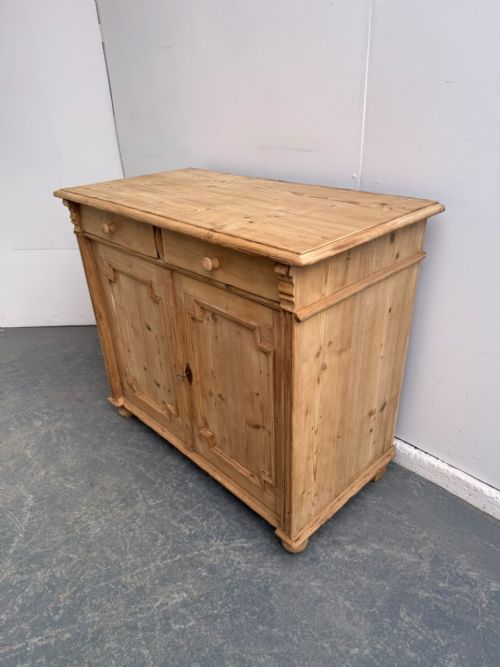
- A low sideboard or cabinet featuring drawers and often cupboards, designed for kitchen or dining room utility. These pieces provide substantial surface space alongside enclosed storage.
- Mule chest
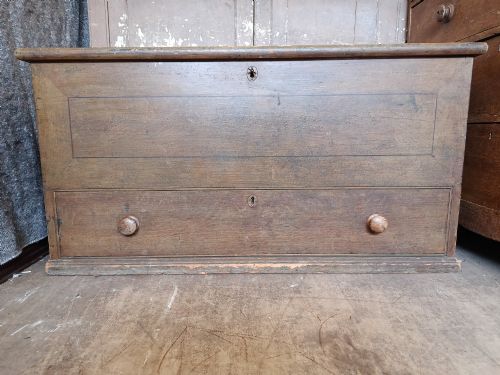
- A storage chest fitted with one or more drawers at the base beneath the main compartment. This form bridges the gap between traditional blanket boxes and modern drawer chests.
Traditional Painted Drawers: Frequently Asked Questions
How do I care for original painted surfaces?
Clean painted furniture gently using a dry or barely damp microfiber cloth to remove dust without disturbing fragile pigment layers. Avoid harsh chemical cleaners and modern polishes that can soften historical paint.
Keep pieces away from direct sunlight and damp conditions to prevent the pine underneath from warping and the paint from flaking. Stable indoor humidity preserves both the timber carcase and its surface decoration.
Are these drawers suitable for daily bedroom use?
Pine chests and drawer units provide practical storage capacity for modern clothing and domestic items. Their solid construction handles regular opening and closing without difficulty.
Ensure drawers run smoothly by checking runners and interior guides during routine placement in the room. Lining the baseboards protects the timber from direct contact with stored contents.
What defines original paint on these pieces?
Original paint exhibits natural craquelure, authentic wear around handles, and multiple historical layers that cannot be replicated easily by modern refinishing. The pigment bonds deeply with the underlying timber over decades of exposure.
Inspection under close light reveals whether the surface matches the estimated period of the piece. Refinished items often show uniform modern texture masking the age of the wood.
How do I distinguish Georgian from Victorian chests?
Georgian chests generally feature higher proportions of hardwood like mahogany or carefully selected pine, often with finer bracket feet and cockbeaded drawer edges. The joinery tends to reflect formal cabinetmaking standards.
Victorian pieces lean toward heavier pine construction, broader proportions, and simpler turned feet or plinth bases designed for robust country use. Surface treatments on Victorian items frequently include scumble glazes or solid painted finishes.