

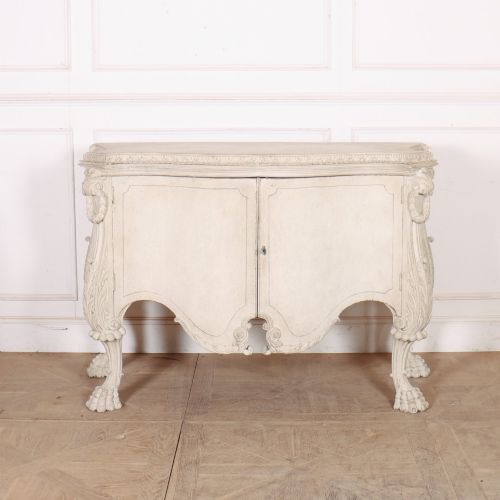
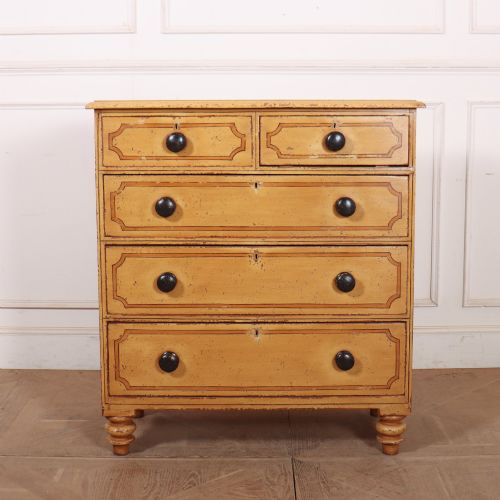
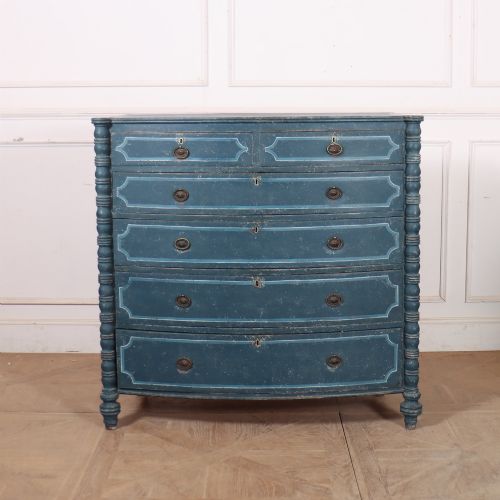
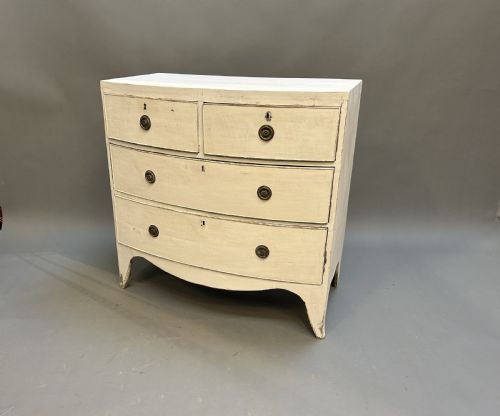


Country House Painted Commode
A country house painted commode brings rustic charm and weathered colour to a room, offering practical storage disguised in folk art or decorative finishes.
Country House Painted Commode
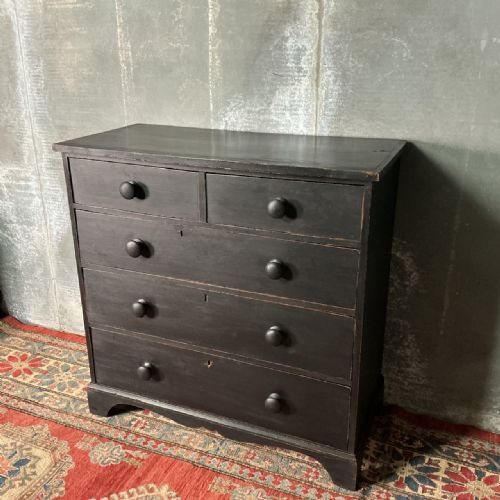
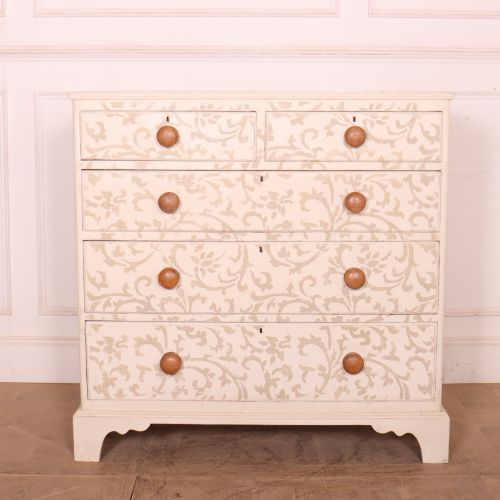
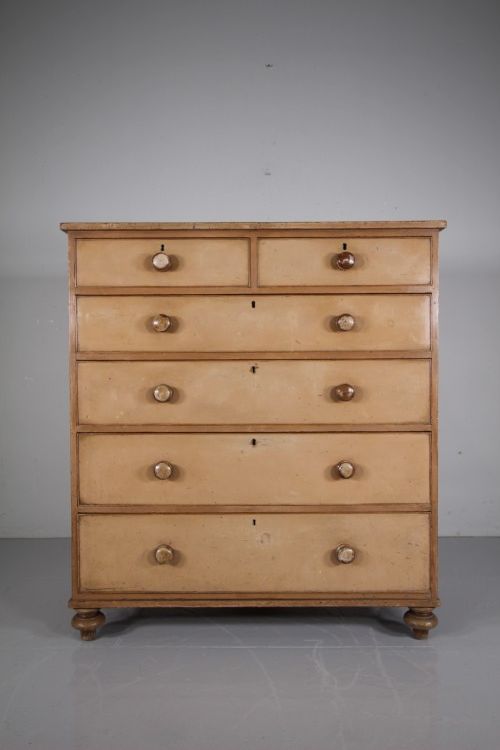
A country house painted commode stands as a utilitarian storage piece transformed by decorative surface treatments, frequently encountered as chests of drawers, side cabinets, or washstands. These items originate from periods spanning the nineteenth century through the early twentieth century, carrying the distinct marks of English country, Victorian, and rustic aesthetics.
Buyers seeking a country house painted commode will most commonly meet pieces fashioned from pine and timber, finished in original paint or decorative schemes. Alongside traditional chests of drawers, the selection includes side cabinets and washstands reflecting Victorian folk art and provincial styles.
How they were made
These items are constructed primarily from solid pine and timber, providing a robust structural carcase suited to daily domestic service. Metal and brass components frequently appear as drawer pulls, handles, and hinges, offering functional contrast to the wooden body.
Surfaces are prepared and finished with paint, establishing the decorative layer that defines the genre. Artisans applied these painted finishes by hand, incorporating techniques ranging from simple folk art decoration to elaborate Chinoiserie and Italian Rococo motifs.
Country House Painted Commode Retail Price Guide 2026
Typical asking prices for country house painted commode among the pieces listed under this phrase on Sellingantiques today, from the lower quarter to the upper quarter. They describe what is for sale here now, not the wider market.
Some chests wear their original paint with such stubborn charm they refuse to look respectable, and that is precisely why everyone wants them.
What varies in quality
The distinction between ordinary and superior examples rests heavily on the integrity and preservation of the original paint surface. Pieces retaining their uncompromised early decorative schemes or folk art details command greater attention than those with later or heavily restored coatings.
Construction methods and timber selection further divide the range, with well-joined drawer carcases and substantial timber thickness marking out better workshops. The sophistication of the decorative work, from rustic finishes to detailed Chinoiserie, determines the character and visual weight of the piece.
The Country House Painted Commode Glossary
- Commode
- A low chest of drawers or cabinet. In country house contexts, the term often applies to chests and side cabinets used for general domestic storage.
- Bowfront
- A curved front facade on a chest of drawers. This shaping softens the profile of the timber carcase and requires skilled carpentry.
- Chinoiserie
- European decorative art imitating Chinese styles. It appears on selected cabinets through painted motifs and scenic panels.
- Washstand
- A small table or cabinet designed to hold a wash basin and pitcher. These functional pieces form part of the broader category of bedroom storage.
Country House Painted Commode: Frequently Asked Questions
What rooms suit a country house painted commode?
These pieces fit naturally into bedrooms, hallways, and living spaces where practical storage is required alongside decorative character. Their painted surfaces allow them to sit comfortably against neutral walls or complement bolder interior colour schemes.
Because they originate from domestic settings like country houses and Victorian homes, their scale remains manageable for modern rooms. They function well as standalone statement items rather than matching suite furniture.
How do I identify original paint?
Original paint surfaces show natural wear, micro-craquelure, and integration with the timber beneath that modern refinishing cannot replicate. Examining edges, handles, and protected recesses reveals layers of accumulated age and consistent oxidation.
Restored or later painted surfaces often present a uniform texture and lack the subtle colour variations acquired through decades of domestic use and light exposure.
Are these pieces made of solid wood?
The listings show construction in pine and timber, pointing to solid wood building methods typical of nineteenth-century cabinet making. These materials provided the structural strength needed for heavy household use.
Joinery techniques relied on traditional timber framing rather than manufactured board, ensuring the pieces remained stable over generations of service.
How do nineteenth-century designs differ?
Nineteenth-century examples range from plain rustic pine washstands to elaborate Victorian folk art chests and imported Chinoiserie cabinets. Earlier nineteenth-century pieces often display simpler utilitarian lines, while later Victorian items incorporate more varied decorative finishes.
Regional variations also play a part, with English country pieces differing noticeably in proportion and palette from continental European examples like Italian side cabinets.