

Traditional Overmantle Mirror
A traditional overmantle mirror brings height and reflected light to a principal room, anchoring a fireplace with period proportion and decorative weight.
Traditional Overmantle Mirror
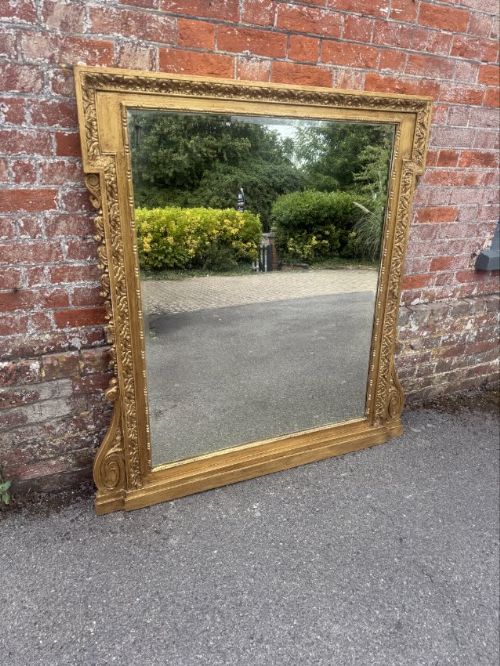
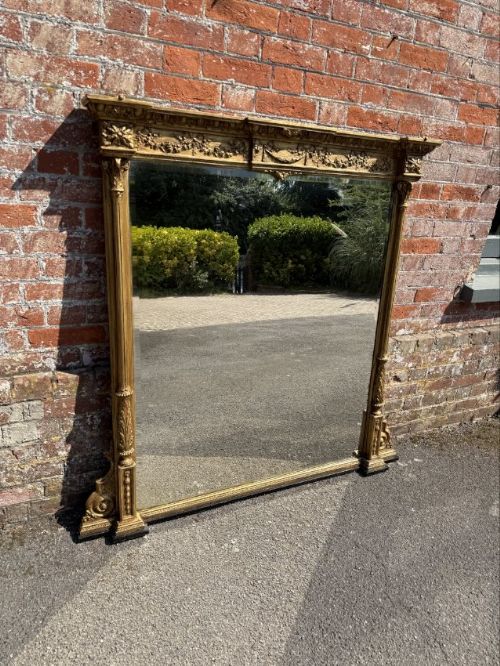
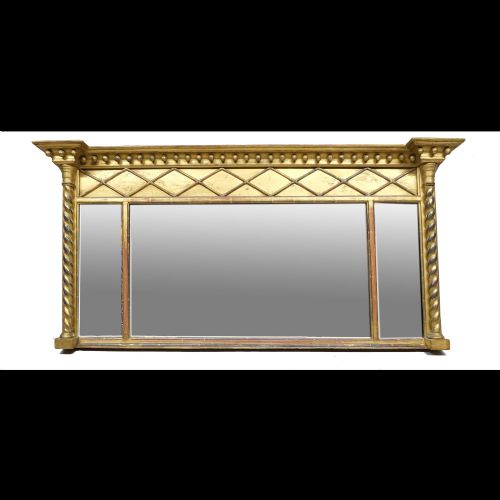
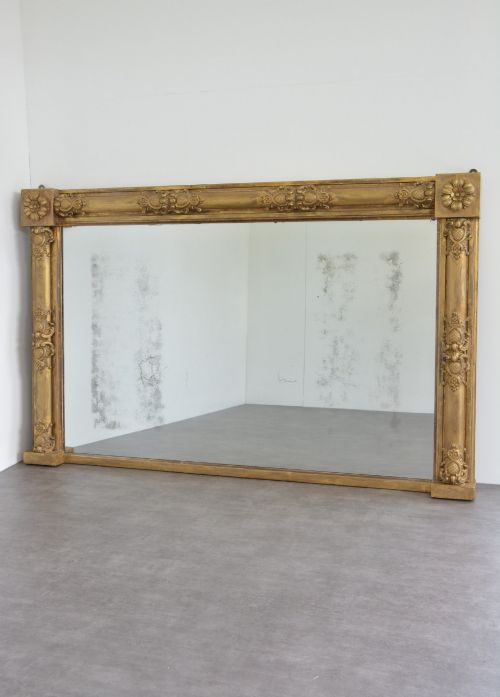
A traditional overmantle mirror is designed to sit directly above a mantelpiece, filling the vertical wall space once reserved for portraits or panels. The examples encountered most frequently on this page date from the nineteenth century, spanning Victorian and Regency periods with characteristic scale and presence.
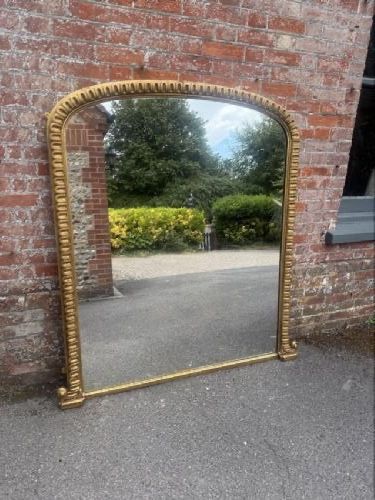
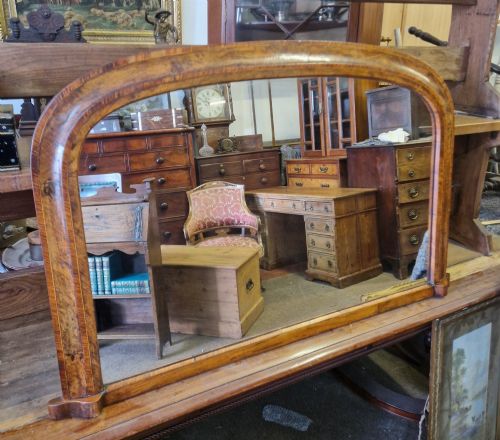
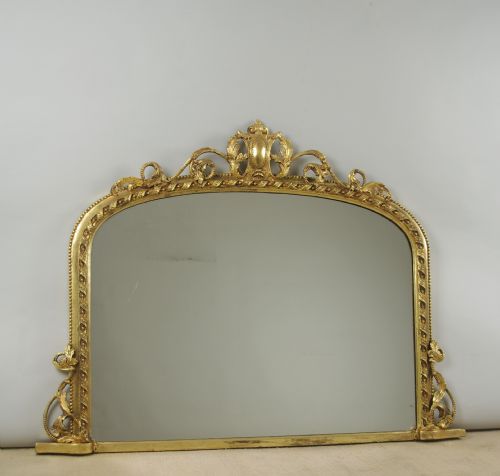
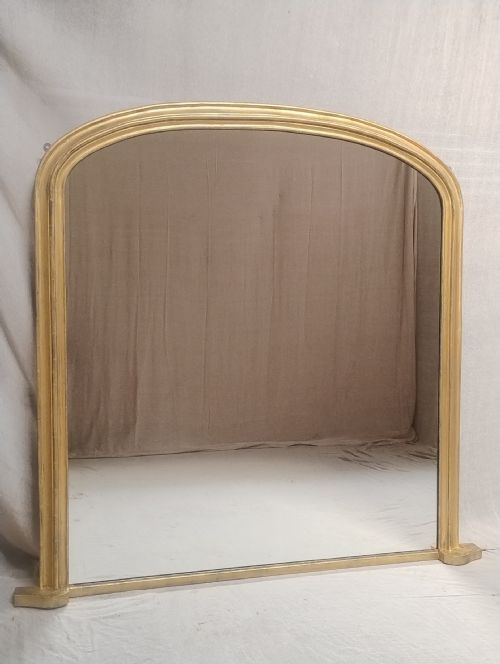
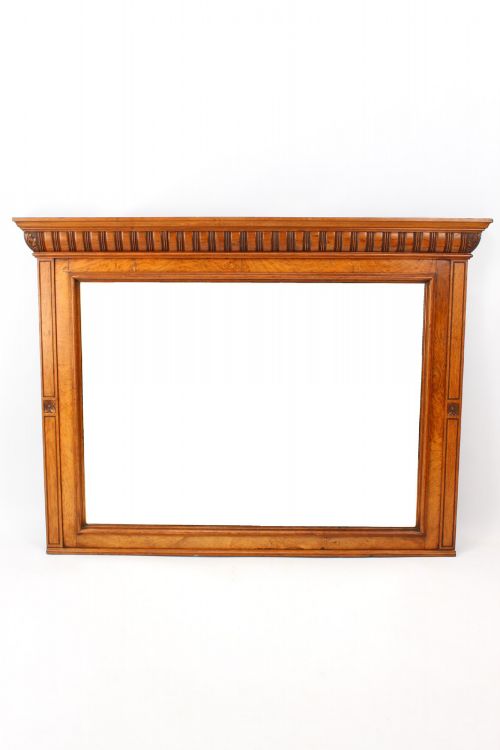
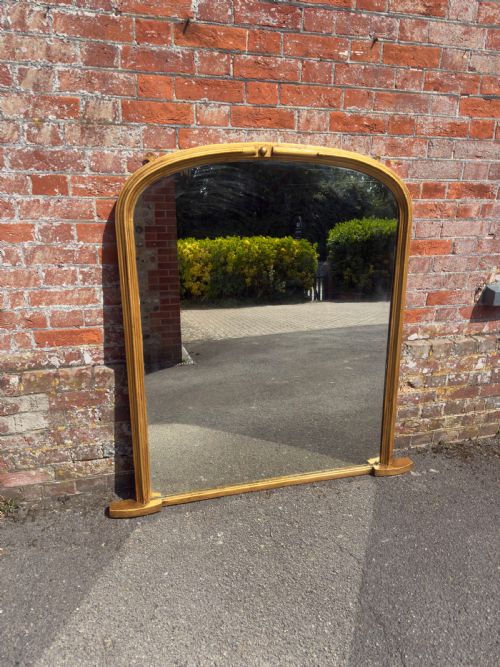
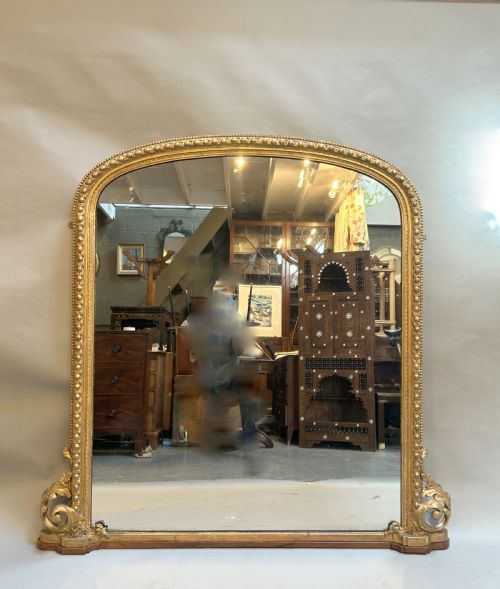
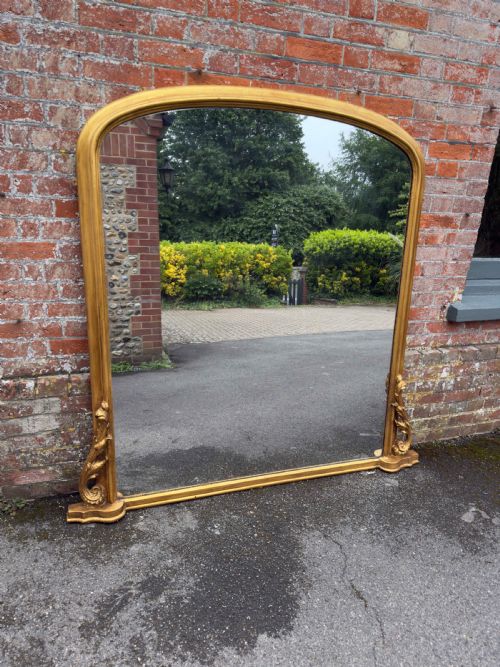
Most pieces show horizontal or arched top profiles built to follow the architectural line of a chimney breast. Makers constructed these mirrors to balance heavy architectural surrounds, utilising substantial wooden frames shaped to command the hearth.
The inventory on this page draws primarily from English workshops working in walnut, oak, and gilded softwood. These domestic forms range from restrained rectilinear mouldings to heavily ornamented arched designs carrying classical revival motifs.
How they were made
Makers shaped the structural foundations from timber such as oak, mahogany, or walnut, carving intricate details directly into the wood or building up relief work with gesso and composition moulding. Gesso provided a smooth, absorbent ground for subsequent layers of gold leaf or paint.
The reflective plates were glazed into the rabbet using traditional bedding techniques, occasionally showing the characteristic light foxing of age. Giltwood finishes were burnished to achieve varied sheens across flat planes and raised enrichment.
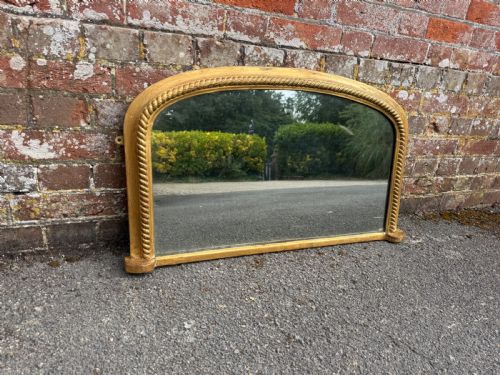
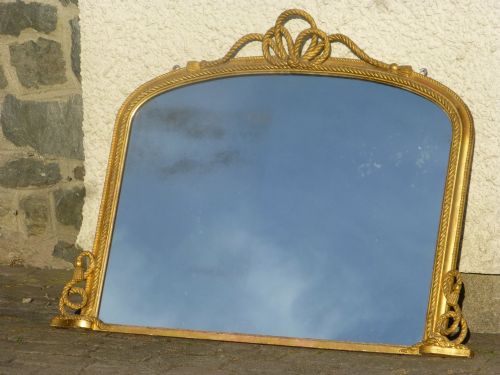
A nautical rope-twist frame brings a maritime touch inland, reminding buyers that Victorian designers found inspiration in unexpected places.
What varies in quality
Quality rests primarily on the crispness of the carved detail and the depth of the gesso relief applied to the wooden carcase. Stronger pieces retain sharp articulation in their foliate or architectural ornaments rather than soft, muddy moulding edges.
The integrity of the original surface finish dictates the visual success of the piece, distinguishing items with untouched giltwood or parcel-silvering from those heavily refinished. Proportion also plays a role, with finer examples demonstrating careful harmony between the glass plate and the surrounding frame width.
The Traditional Overmantle Mirror Glossary
- Overmantle
- A mirror specifically proportioned to hang on the wall above a mantelpiece or fireplace. These items often feature wide horizontal formats or arched crowns.
- Gesso
- A plaster-like mixture applied to wooden frame foundations to create a smooth surface for gilding or painting. Artisans carved intricate decorative motifs directly into this dried layer.
- Giltwood
- Timber that has been coated with thin sheets of gold leaf over a prepared base. This finish catches and reflects ambient room light.
- Foxing
- The natural age-related spotting or discoloration appearing within the silvered backing of antique mirror glass. This chemical oxidation creates soft brownish patches across the reflection.
- Parcel-gilt
- A decorative treatment where only specific raised portions of a frame are gilded while the remaining areas are painted or left as exposed wood.
Traditional Overmantle Mirror: Frequently Asked Questions
Where should an overmantle mirror hang?
These mirrors traditionally sit directly on the mantel shelf or mount securely to the wall immediately above the fireplace opening. This placement reflects light back into the room while drawing the eye upward along the chimney breast.
Positioning the base close to the mantel shelf maintains the intended architectural relationship between the hearth and the frame. Ensuring sturdy wall fixings is essential given the considerable weight of nineteenth-century timber and glass.
How do I clean an antique mirror?
Dust the carved frame gently with a dry, soft brush to protect fragile gesso and gilt surfaces from moisture damage. Avoid commercial chemical sprays on old frames, as harsh ingredients strip historic finishes.
Clean the glass plate sparingly using a cloth slightly dampened with distilled water, keeping liquids away from the wooden edges. Old mirror plates often feature delicate silvering that requires careful handling to prevent further degradation.
Are these mirrors heavy?
Nineteenth-century overmantle mirrors possess substantial weight due to dense timber carcases, thick gesso layers, and heavy glass plates. Wall construction must be assessed to support this load safely before hanging.
Many examples were originally designed to rest their weight partly on the mantel shelf while secured with wall brackets. Professional installation using appropriate fixings ensures the mirror remains secure against the masonry.
Can these mirrors stand on the floor?
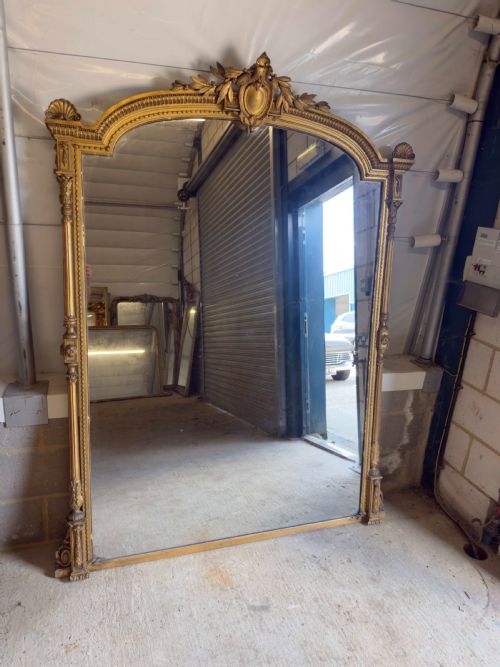
While originally built to hang above fireplaces, large examples often function effectively resting on the floor against a wall. This alternative placement creates a dramatic full-length reflection in living spaces or bedrooms.
Resting a heavy frame on the floor requires securing the top to the wall to prevent accidental tipping. This method suits spacious rooms with high ceilings where the vertical proportions can be fully appreciated.