




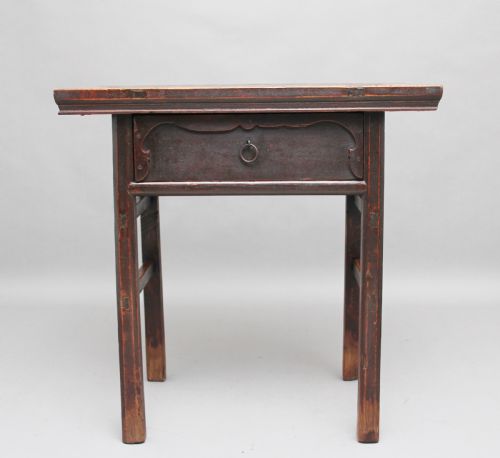


Traditional Oriental Altar Table
A traditional oriental altar table brings sculptural presence and centuries of ritual design straight into a modern room.
Traditional Oriental Altar Table
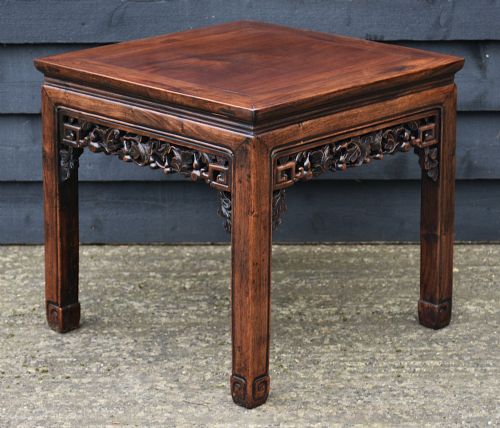
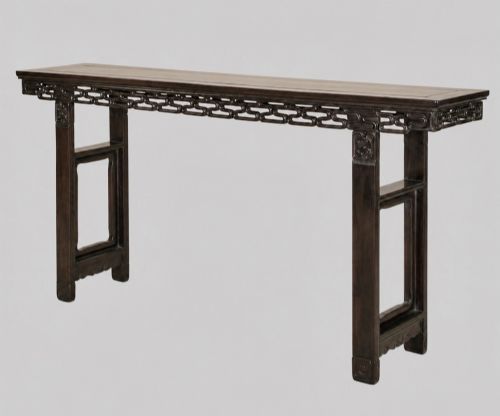
A traditional oriental altar table serves as a striking focal point, originally designed for ceremonial offerings and domestic reverence. These pieces frequently appear in forms such as narrow console tables, low tables, and trestle tables originating from the Qing dynasty and provincial workshops.
Most examples found in daily browsing date from the nineteenth century, showcasing distinct regional Chinese craftsmanship. Buyers encounter forms ranging from simple elm side tables to elaborate hardwood and lacquered console pieces.
How they were made
Craftsmen utilised native timbers predominantly, selecting resilient elm, dense rosewood, and various regional hardwoods to construct the primary framework. Joinery relied on precise traditional techniques that allowed the timber to move naturally over decades.
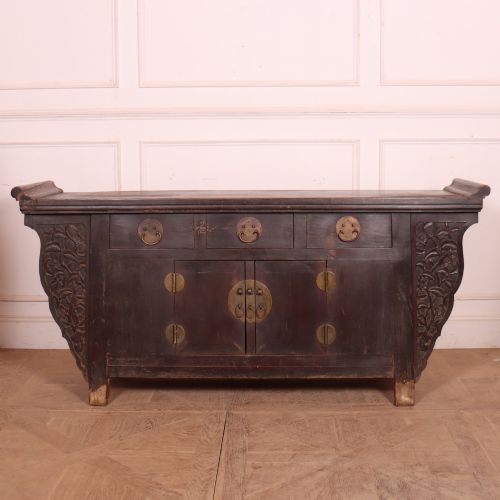
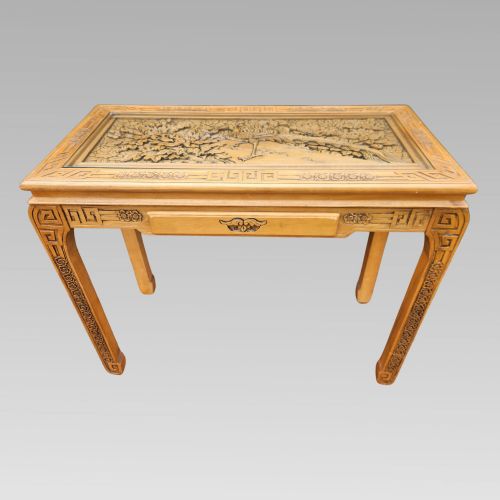
Surfaces often received meticulous coats of red or black lacquer, sometimes paired with inset marble panels or subtle brass hardware. Carved details were rendered directly into the solid wood or applied to structural aprons and legs.
Traditional Oriental Altar Table Retail Price Guide 2026
Typical asking prices for traditional oriental altar table among the pieces listed under this phrase on Sellingantiques today, from the lower quarter to the upper quarter. They describe what is for sale here now, not the wider market.
Current listings span the eighteenth through the early twentieth centuries, featuring elm, rosewood, brass, and lacquer across console, side, and trestle forms.
What varies in quality
The distinction between tiers rests upon the choice of material and the restraint or ambition of the carving. Dense rosewoods and well-preserved lacquered surfaces command attention for their tactile depth and stability.
Proportion and structural crispness define the upper echelon of these tables. Pieces that retain their original patination and honest joinery display an integrity that lesser, heavily restored examples lack.
The Traditional Oriental Altar Table Glossary
- Altar table
- A rectangular ritual table characterised by upturned flange ends on the top surface. These distinctive projections originally prevented ceremonial objects from sliding off.
- Elm
- A resilient timber favoured by regional Chinese cabinetmakers for its fibrous grain and strength. It takes dark stains and clear finishes exceptionally well.
- Lacquer
- A durable resin applied in multiple thin layers to seal and decorate wooden surfaces. Red and black variants are traditional on formal furniture.
- Console table
- A narrow table designed to stand flat against a wall rather than free in the room. In Chinese interiors, these often occupied central spaces beneath ancestral portraits.
- Qing dynasty
- The final imperial dynasty of China, lasting from sixteen forty-four to nineteen twelve. Much surviving domestic furniture originates from its later decades.
Traditional Oriental Altar Table: Frequently Asked Questions
Where did these tables stand originally?
These tables traditionally stood against the main wall of the central hall in a home. They held ritual vessels, ancestral tablets, and seasonal flower arrangements.
In modern spaces, they function brilliantly as narrow console tables in hallways or living rooms. Their elongated proportions make them ideal for displaying ceramics or lamps without crowding a passage.
How do I identify a nineteenth-century piece?
Nineteenth-century examples display construction marks left by hand tools, including adze-dressed undersides and traditional mortise-and-tenon joinery. The timber shows natural shrinkage and deep patination accumulated over generations of use.
Compare the corner joints and surface wear against known period benchmarks. Consistent, honest ageing across the whole piece points securely to nineteenth-century origin.
What is the difference between elm and hardwood?
Elm is a domestic timber with a pronounced, sweeping grain that accepts traditional clear or tinted finishes. It was widely used for provincial and regional furniture.
Hardwoods, including rosewood and similar dense species, offer a heavier feel and darker, finer grain. They allowed for sharper carving and were chosen for more formal domestic environments.
How should I care for lacquered surfaces?
Lacquered surfaces require gentle treatment using a soft, dry cloth for routine dusting. Avoid chemical polishes, abrasive cloths, and placement in direct sunlight.
Keep the tables away from extreme humidity shifts and direct heat sources to prevent the wood underneath from expanding. Consistent indoor climates protect both the timber substrate and the delicate lacquer finish.