


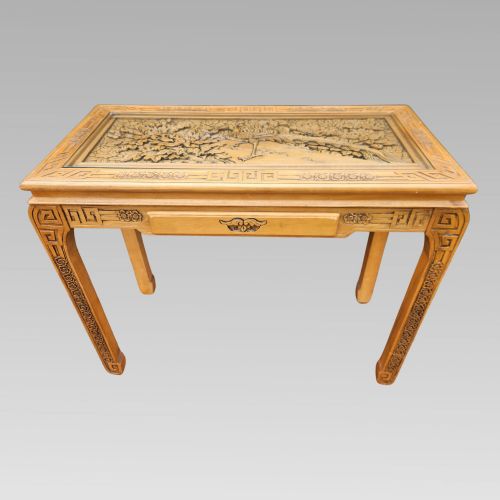


Vintage Chinese Wooden Table
These vintage chinese wooden table pieces bring tactile warmth and regional character to a room, spanning low coffee formats to stately console tables.
Vintage Chinese Wooden Table
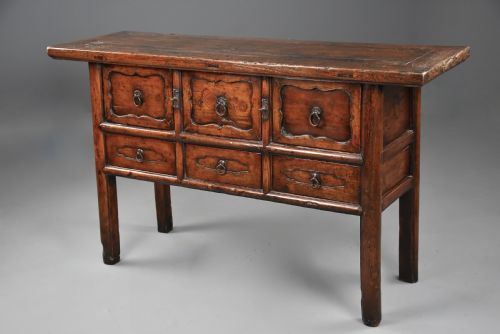
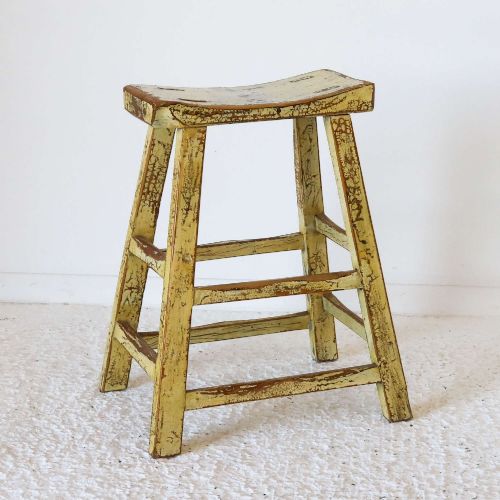
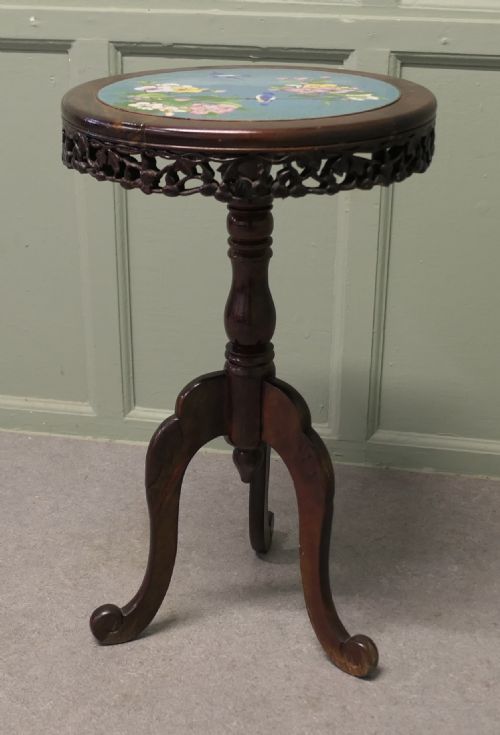
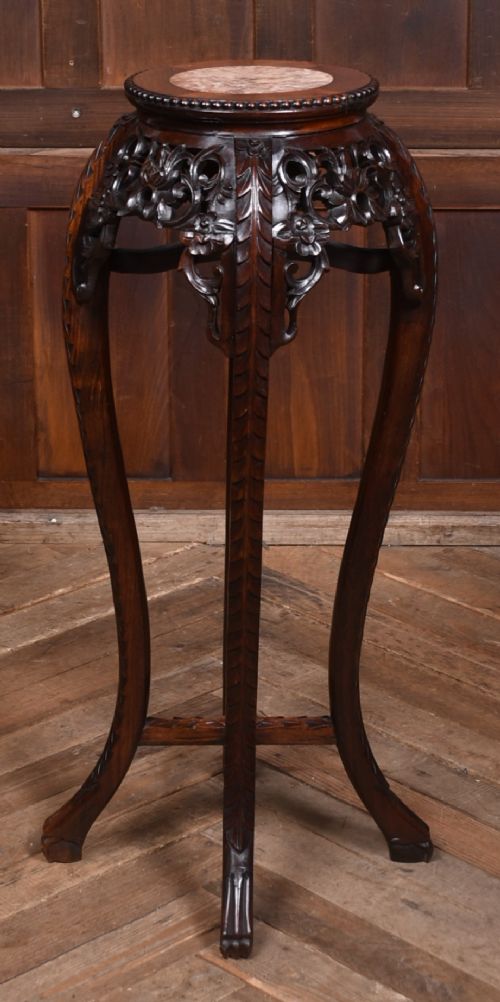
A vintage chinese wooden table encompasses a broad variety of functional forms, ranging from low opium tables and rustic elm stools to marble-topped plant stands and nesting tables.
The selections here lean heavily toward nineteenth-century origins and early twentieth-century interpretations, including provincial elm pieces and carved hardwood occasional tables.
Buyers will encounter diverse formats such as console tables, altar tables, and folding occasional coffee tables, often influenced by Qing Dynasty aesthetics or Chinese export traditions.
Materials and construction methods
Makers utilised dense Asian hardwoods and rustic elm, often applying original lacquered finishes, painted details, or natural root wood configurations.
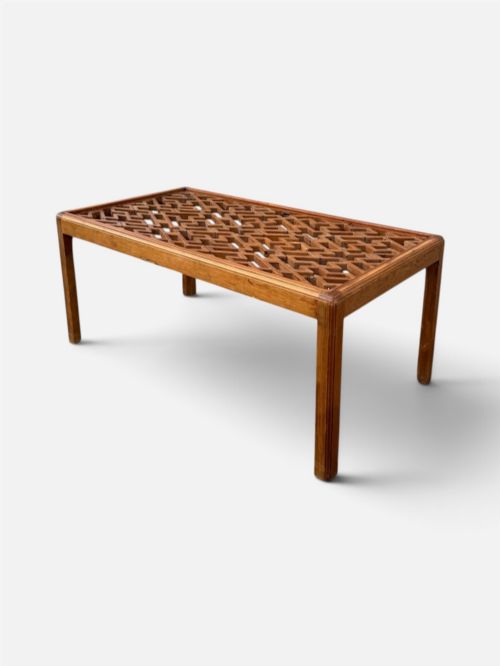
Structural embellishments frequently incorporate carved fretwork panels, brass fittings, and inlaid marble tops.
Joinery techniques prioritize traditional framing methods that support both low coffee tables and tall urn stands without excessive modern hardware.
Vintage Chinese Wooden Table Retail Price Guide 2026
Typical asking prices for vintage chinese wooden table among the pieces listed under this phrase on Sellingantiques today, from the lower quarter to the upper quarter. They describe what is for sale here now, not the wider market.
Several listings include traditional table gongs and tea ceremony bells, ready to summon household members or guests.
Assessing quality and craftsmanship
Quality rests in the depth of the timber's patina, the crispness of the hand-carving on panels or stands, and the integrity of original lacquered surfaces.
Superior examples display balanced proportions and robust joinery, particularly in weight-bearing items like console tables and partners desks.
Finer pieces maintain integrity in decorative elements such as inset marble tops and brass components, avoiding heavy restoration that obscures the wood's natural grain.
The Vintage Chinese Wooden Table Glossary
- Elm
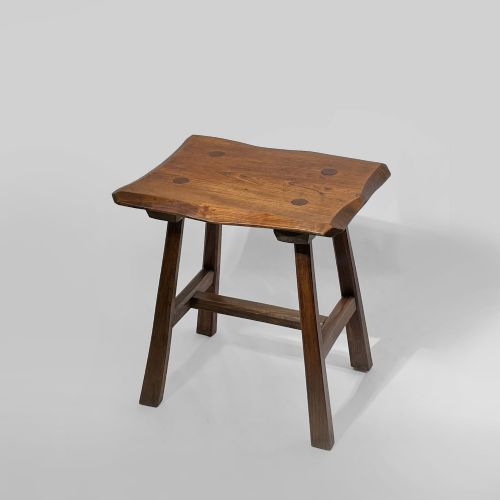
- A durable hardwood commonly used in provincial furniture, valued for its distinct grain pattern and rustic strength. It forms the basis of many early low tables and stools.
- Opium table
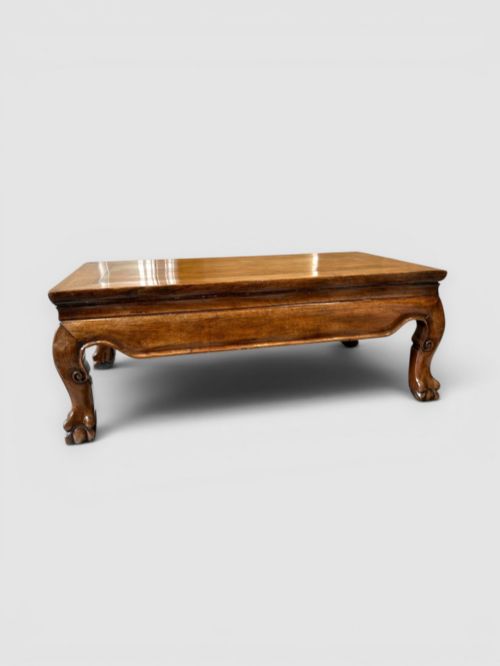
- A low-profile surface traditionally used for resting utensils and social gatherings. These pieces feature short legs and solid timber construction.
- Plant stand
- A tall, slender pedestal designed to elevate decorative urns or floral displays. They often feature marble inserts or carved wooden tops.
- Altar table
- A ceremonial form characterised by upturned flanges at the ends and elongated proportions. These serve as striking console or display surfaces in modern interiors.
- Chinoiserie
- European artistic interpretation of Chinese decorative motifs. This style appears on lacquered lamp tables and occasional furniture.
- Fretwork
- Openwork geometric or floral patterns carved directly into panels or aprons. It provides visual lightness to heavier hardwood frames.
Vintage Chinese Wooden Table: Frequently Asked Questions
How do I style a low elm table?
Place a low elm table in front of a sofa to act as a coffee table, allowing the rustic wood grain to anchor the seating arrangement.
Keep surface styling minimal with a simple tray or ceramic piece to let the traditional proportions remain the focal point.
Where should I place a plant stand?
Position a marble-topped plant stand in an empty corner or beside a window to showcase ceramics, bronzes, or trailing foliage.
The elevated height draws the eye upward and makes efficient use of vertical space in smaller rooms.
Can I use an altar table as a console?
An altar table works exceptionally well in hallways or living rooms as a narrow console surface for holding lamps and daily objects.
The elongated top and characteristic end flanges offer distinct architectural detail against a plain wall.
How do I care for lacquered wood?
Dust lacquered surfaces gently with a soft, dry cloth and keep them away from direct heat sources and strong sunlight.
Avoid liquid polishes or chemical cleaners that can damage the historical finish of nineteenth-century pieces.