


Traditional Oil Portrait Artwork
Traditional oil portrait artwork captures the likeness and character of subjects through enduring pigment applied to canvas or wood.
Traditional Oil Portrait Artwork
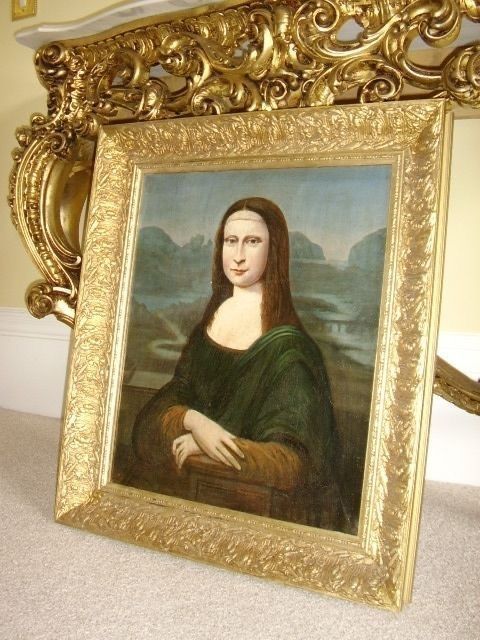
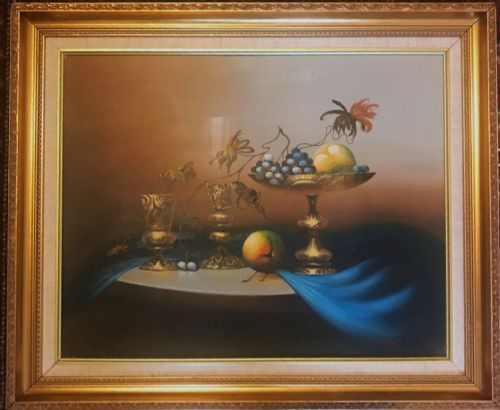
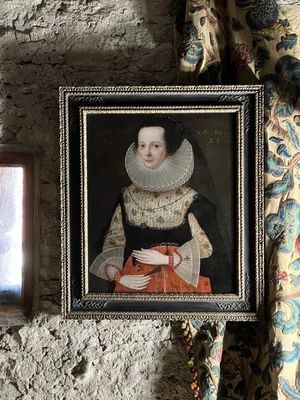
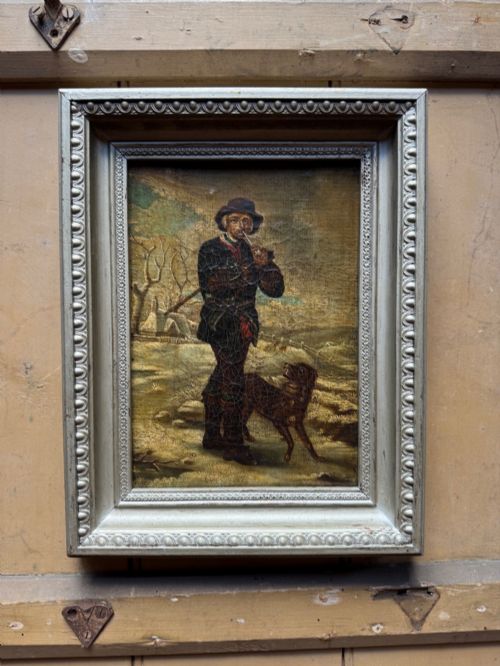
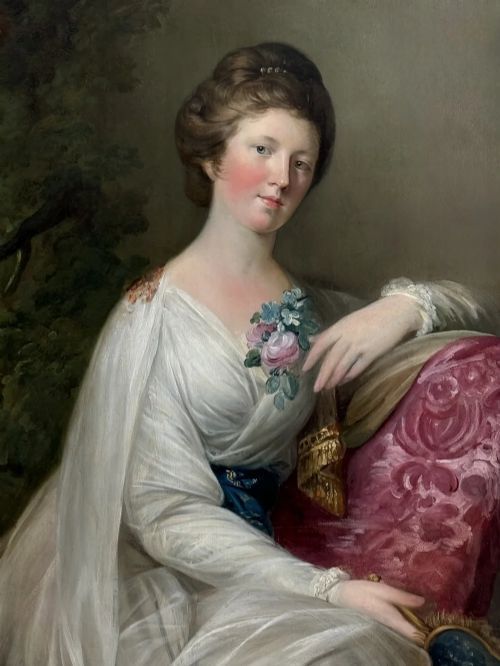
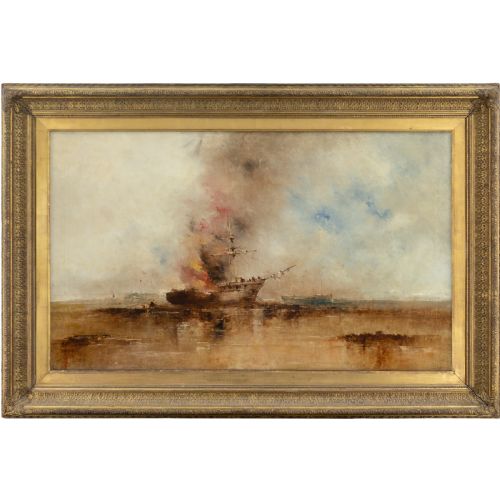
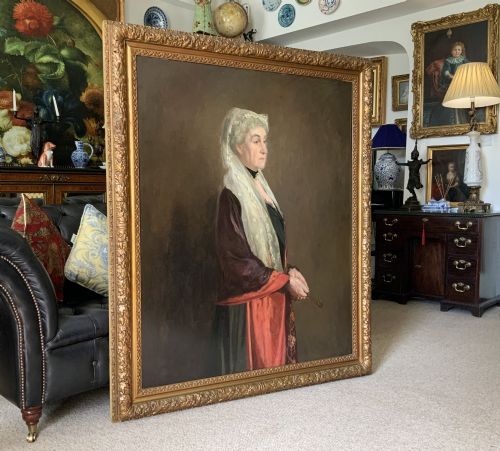
Traditional oil portrait artwork encompasses historical depictions of people, animals, and notable figures rendered in oil paint. These pieces reflect the artistic conventions of periods ranging from the seventeenth century to the mid-twentieth century.
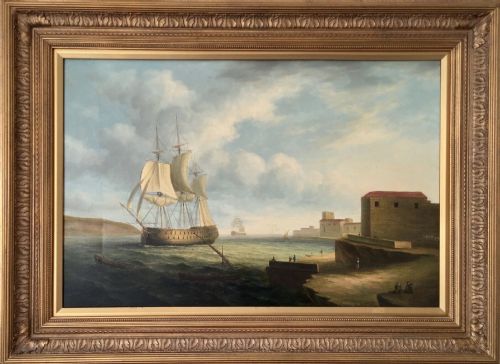
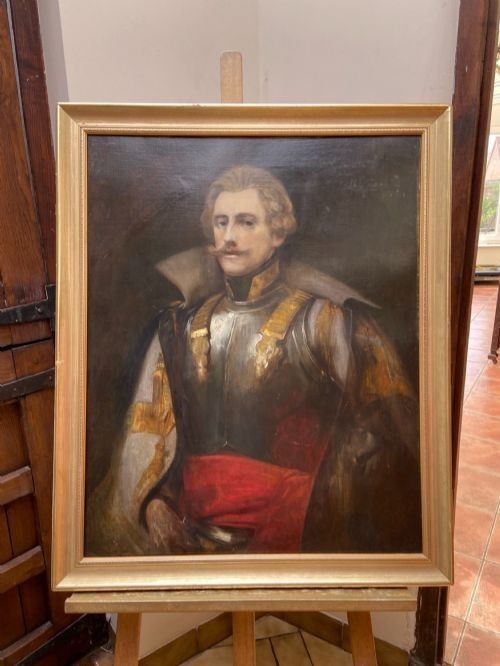
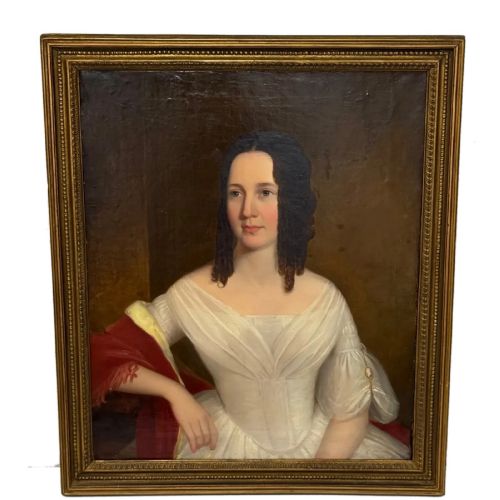
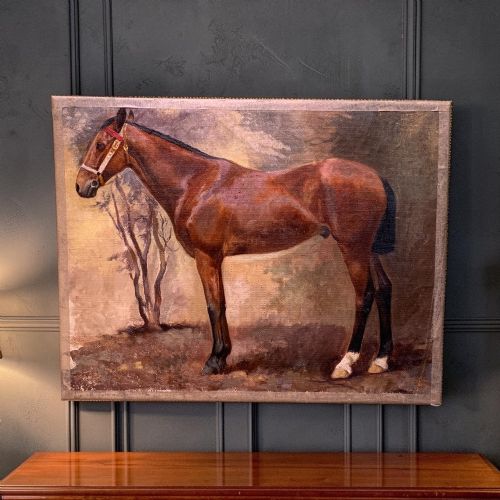
The most common examples on this page include nineteenth-century and Georgian canvases, often housed in period frames. Subjects span military officers, architects, noblewomen, and everyday sitters alongside equine and sporting subjects.
Works originate from various British, French, and Italian schools, demonstrating diverse regional approaches to portraiture and subject placement. Buyers encounter both original compositions from identified artists and later interpretations after earlier masters.
Materials and technique
Artists built traditional oil portrait artwork using oil paint applied to stretched canvas, wood panels, or board. The slow-drying nature of oil allowed painters to blend tones and build rich layers of pigment over weeks or months.
Many works retain their original mounting materials, including wooden stretchers, gesso grounds, and ornate giltwood frames finished with gold leaf. These secondary components often bear the marks of contemporary framers and period restoration.
Traditional Oil Portrait Artwork Retail Price Guide 2026
Typical asking prices for traditional oil portrait artwork among the pieces listed under this phrase on Sellingantiques today, from the lower quarter to the upper quarter. They describe what is for sale here now, not the wider market.
Several portraits preserve the likenesses of champion racehorses and racing pigeons alongside human nobility.
Distinctions in quality
The handling of secondary elements, such as hands, fabrics, and background settings, separates routine commercial output from accomplished portraiture. Depth of expression and psychological presence elevate certain pieces far above standard decorative pictures.
William Oliver·Jozsef Molnar·George Willison·Reginald Arthur Borstel·Sir Joshua Reynolds·Thomas Barker of Bath·Albert Clark·W R Waters·Max Kaltenmoser·Stephen Pearce
The Traditional Oil Portrait Artwork Glossary
- Canvas
- A heavy woven fabric stretched across a wooden frame to form a rigid support for painting. It provides a textured surface that interacts with layers of oil paint.
- Giltwood
- Wood carved and coated with a thin layer of gold leaf or metallic powder. It forms the decorative framing typical of high-status historical art.
- Gesso
- A plaster-like mixture applied to wood panels or canvas to create a smooth, absorbent base for oil painting. It seals the support and improves paint adhesion.
- School
- A group of artists working in a particular region, period, or style, often under the influence of a shared master. It helps historians attribute unsigned works.
Traditional Oil Portrait Artwork: Frequently Asked Questions
How do I date an oil portrait?
Dating relies on costume details, hairstyle, framing styles, and the canvas preparation visible on the reverse. Examining stretcher construction and pigment types further narrows the likely period of creation.
Signatures or inscriptions often provide direct clues, though many historical works remain unsigned by their original creators.
Are these paintings original works?
The selection includes both primary life portraits painted by contemporary artists and later studies or copies after established masters. Each listing specifies whether a piece is an original composition or an interpretive work.
Historical copies often hold artistic merit of their own, reflecting the prestige of the primary subject.
How should I display oil art?
Oil paintings require stable indoor environments away from direct sunlight and dramatic humidity shifts. Proper hanging protects the canvas tension and prevents cracking in the paint layers.
Matching the piece with an appropriate period frame enhances the visual impact within a modern or traditional interior.
What subjects appear in these portraits?
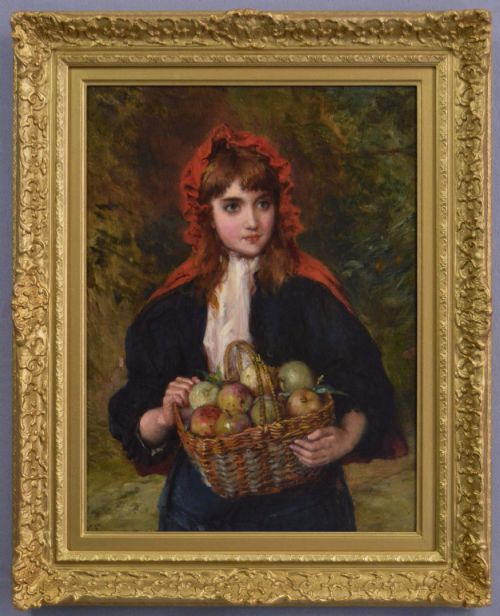
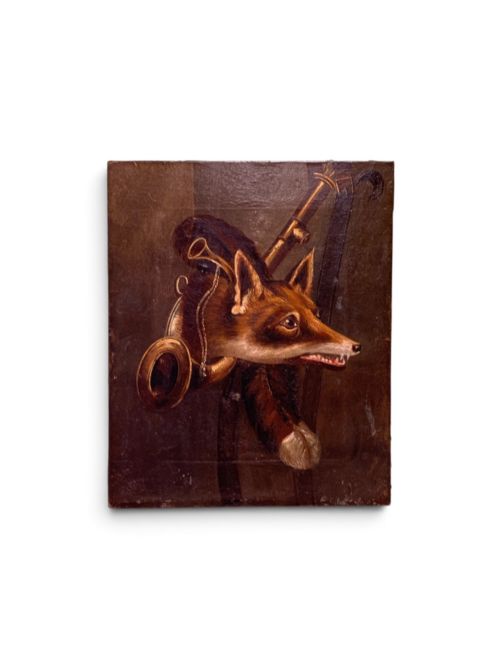
Subjects range from prominent historical figures and military officers to anonymous sitters, children, and animals. Equine and sporting themes also feature prominently among nineteenth-century examples.
Each genre reflects the social values and artistic preferences of its respective era.